
Last Updated on January 18, 2026 by Jeremy
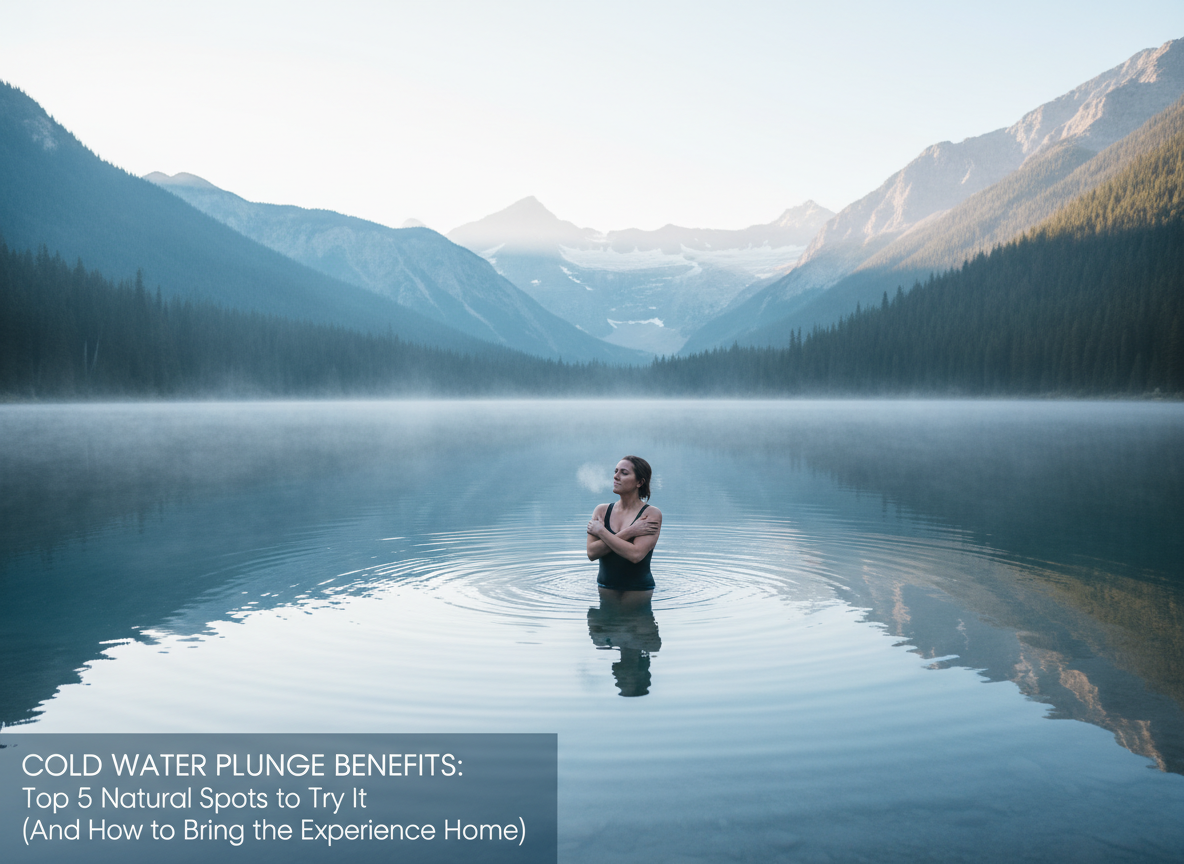
Natural cold water immersion isn’t a trend you have to “get into” — it’s something you stumble into while traveling. A glacier-fed lake at the end of a hike. A Nordic riverside sauna with an ice dip. A cenote that stays cool no matter how hot the jungle gets. This guide keeps it grounded: where these experiences happen, what they feel like in the real world, and how to do it safely without turning your trip into a rescue story.
TL;DR
- Best natural “cold plunge” settings: Nordic fjords, alpine lakes & rivers, cenotes/cold springs, and volcanic hot/cold contrast areas.
- Travel-first mindset: this is about landscape + culture, not maxing out discomfort.
- Safety matters more in the wild: currents, hidden rocks, altitude, and fast temperature shock.
- Beginner approach: slow entry, short time, warm plan, never solo in remote water.
Why Natural Cold Water Immersion Shows Up in Travel
In travel, cold water immersion shows up because nature isn’t curated. Rivers run cold. Lakes hold winter longer than your calendar does. And in a few parts of the world, cold dips aren’t even a “wellness thing” — they’re tradition. What makes this different from an ice bath at home is the context: you’re not staring at a timer. You’re standing in a place that earned your attention.
Related Earthbound read
If you’re into natural contrast experiences (warm + cold), this pairs well with hot springs travel.
Natural Cold Water Experiences Around the World
Nordic Fjords & Glacial Lakes
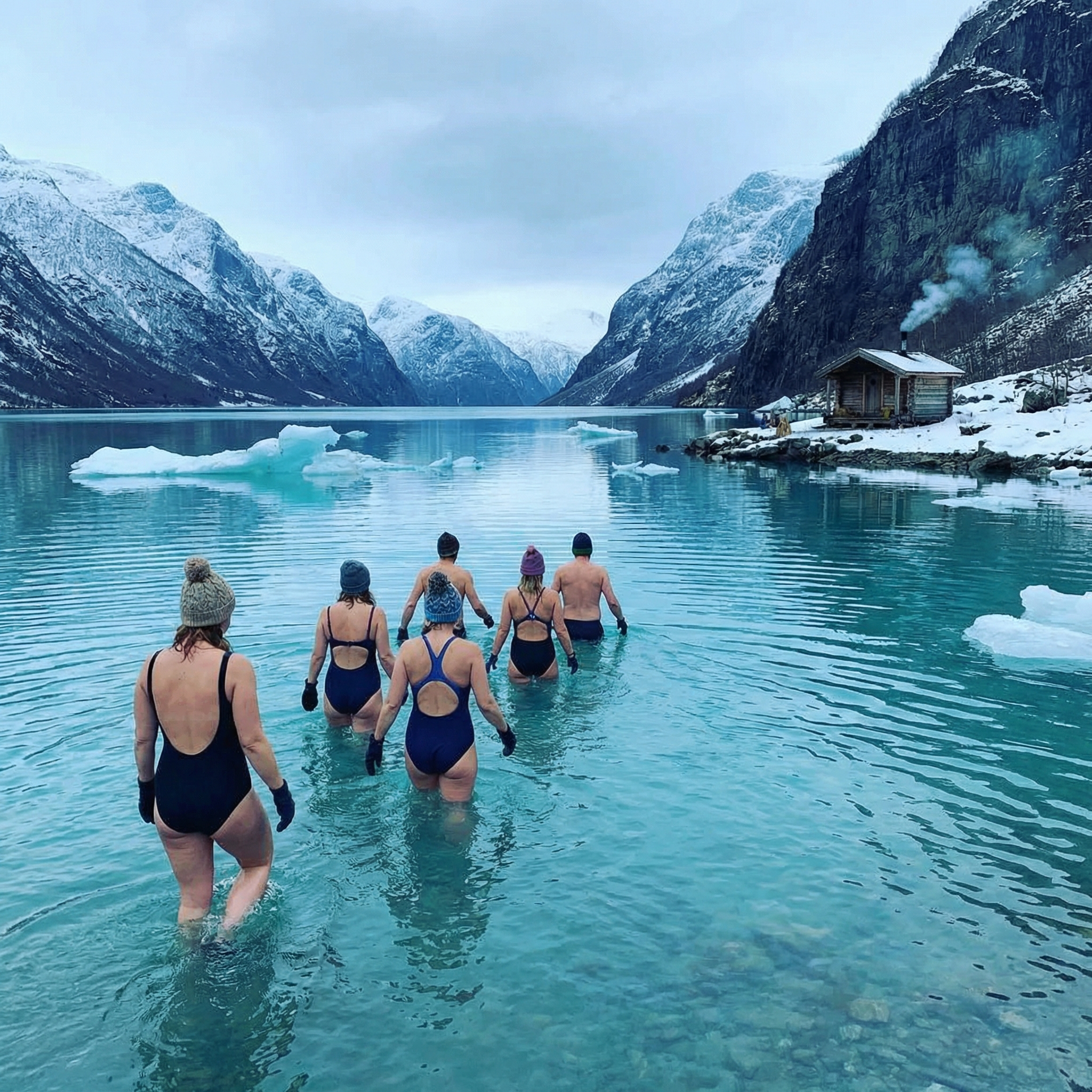
In places like Finland, Norway, and Iceland, cold water immersion is often woven into sauna culture and outdoor life. The “experience” isn’t only the cold. It’s the rhythm: warmth, cold, breath, calm, repeat. If you want something structured (especially in winter), a guided setting can remove guesswork.

Sauna, Hot Tub & Cold Plunge — Exclusive Riverside Retreat (Levi, Finland)
Affiliate note: If you book through that link, Earthbound may earn a small commission at no extra cost to you.
Alpine Lakes & Mountain Rivers
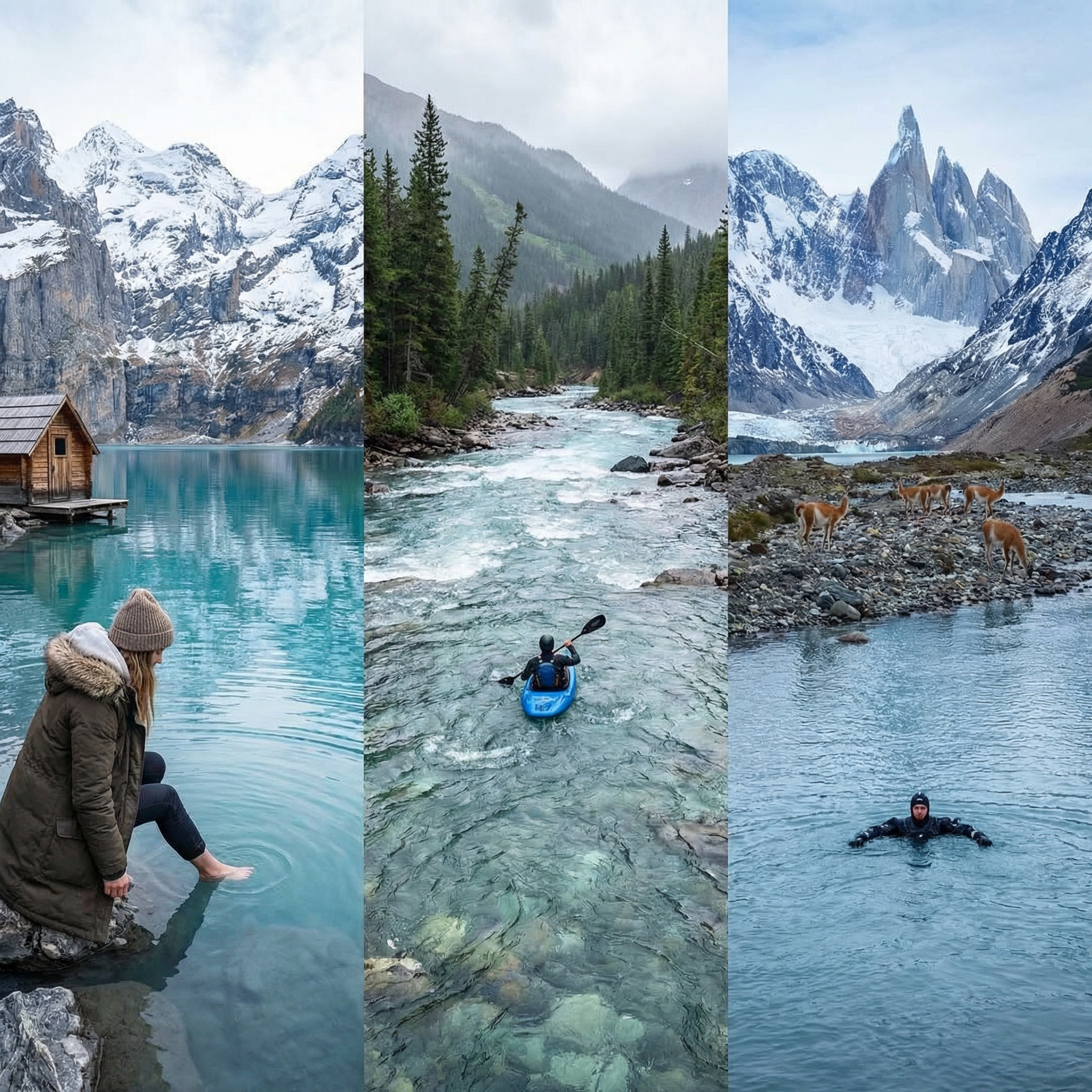
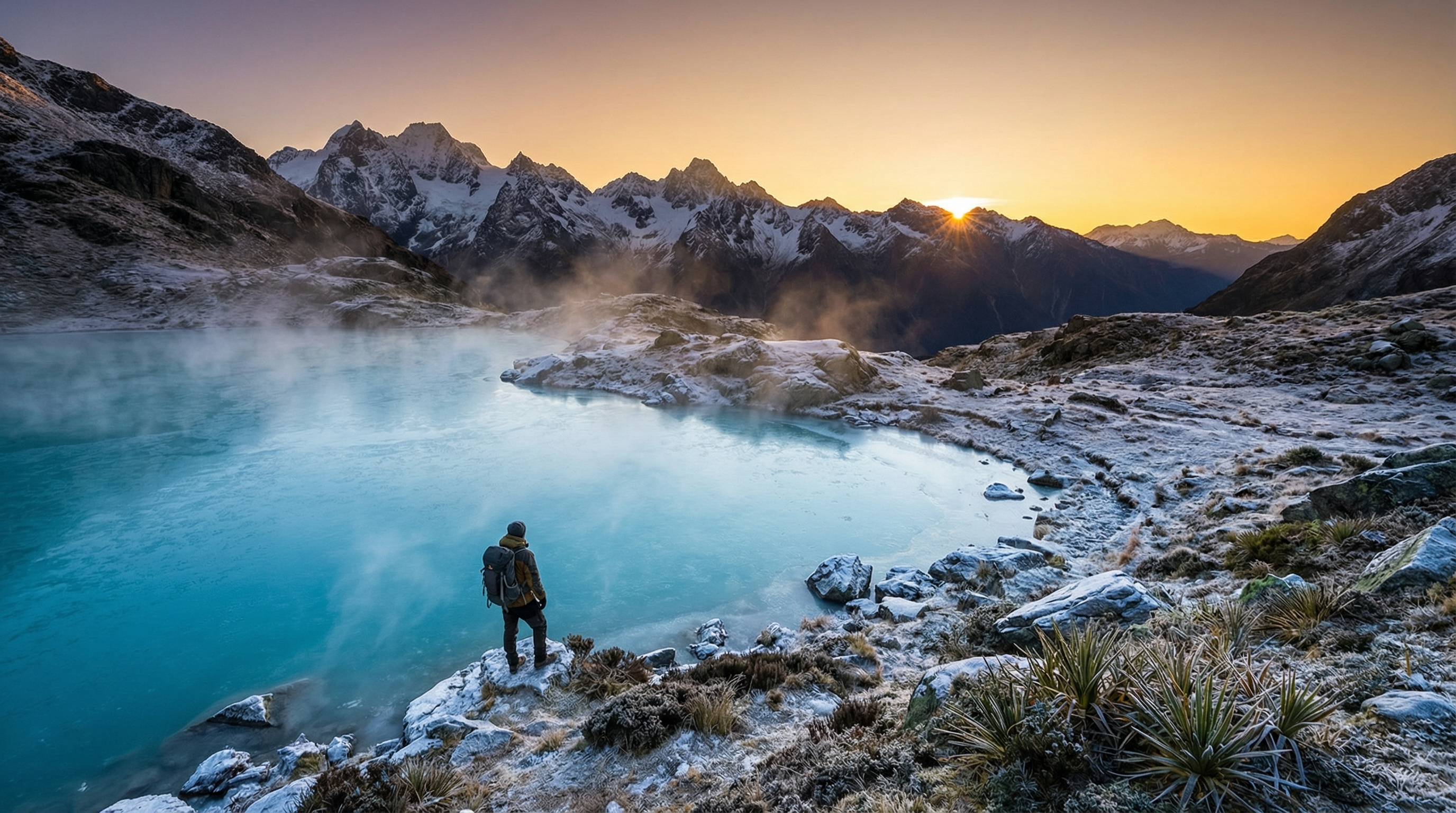
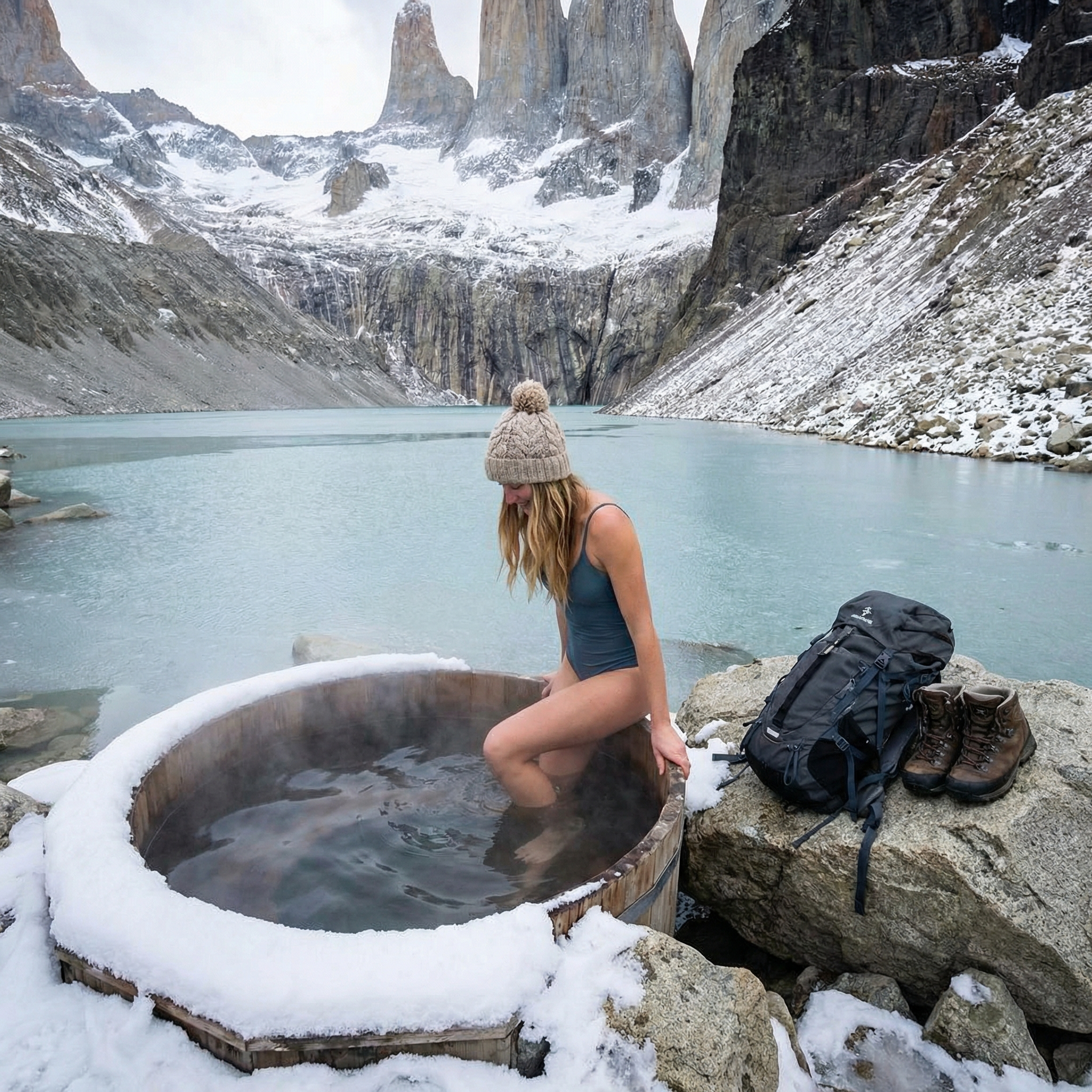
Alpine water hits different. It’s clear, cold, and usually earned after a climb. Think Switzerland’s high lakes, Canadian mountain rivers, and Patagonia’s glacial runoff. In most cases, the “right” move is not a long swim. It’s a controlled, respectful dip in a safe entry area, followed by warming up quickly.
- Choose calm shoreline entries over steep rock drops.
- Avoid fast-moving rivers unless locals say it’s a known safe spot.
- Plan warmth before you get cold: layers, towel, hot drink, wind protection.
Cenotes & Cold Springs
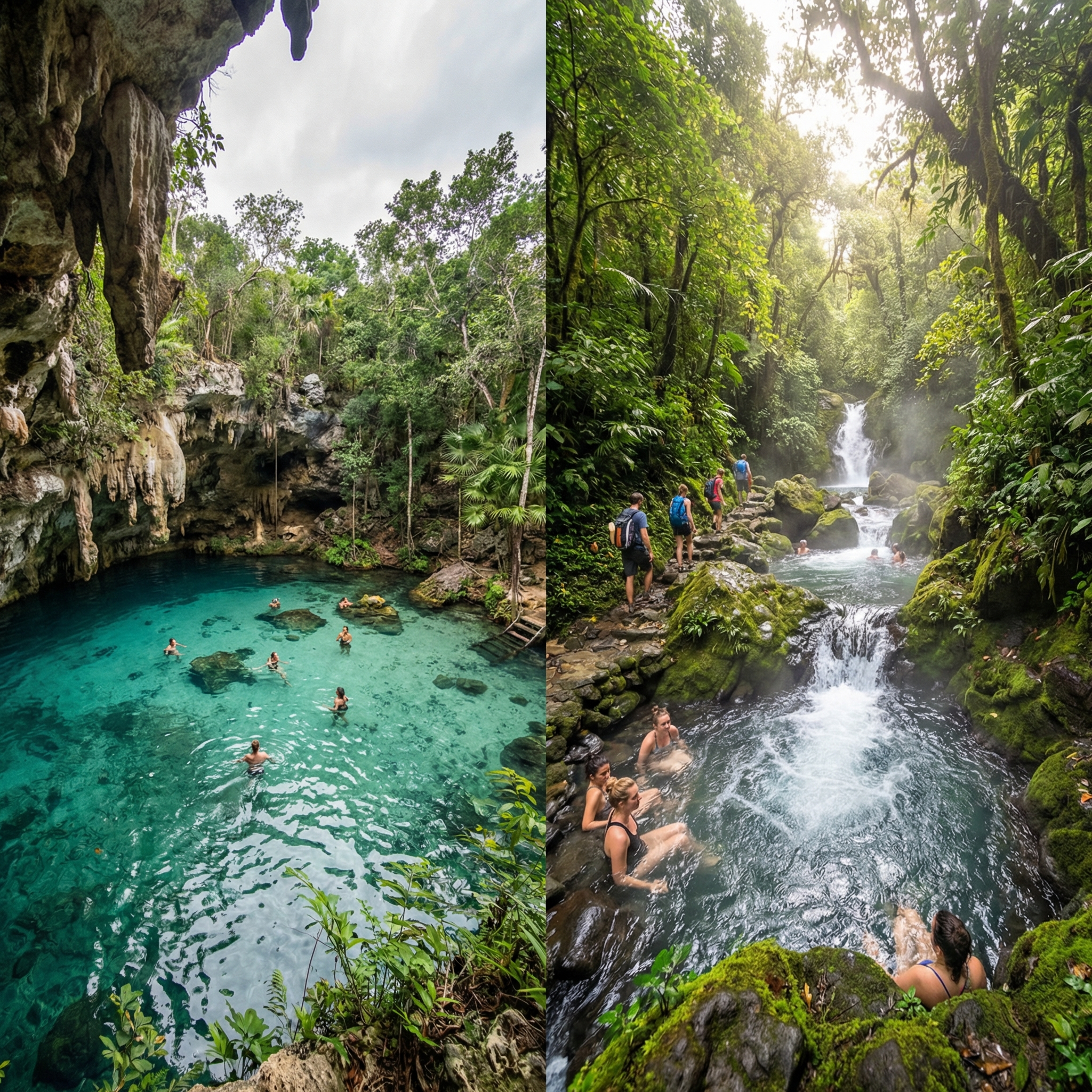
Cenotes and cold springs are nature’s air conditioning. In Mexico (especially the Yucatán) and parts of Central America, you’ll find freshwater that stays cool year-round. The vibe is totally different than alpine water: still, clear, often underground or shaded, and usually easier to enter safely.
- Watch for slippery rock edges and sudden drop-offs.
- Respect site rules; many cenotes are protected environments.
- If you’re unsure, go with a guide who knows the safest entry points.
Volcanic Hot/Cold Contrast Areas
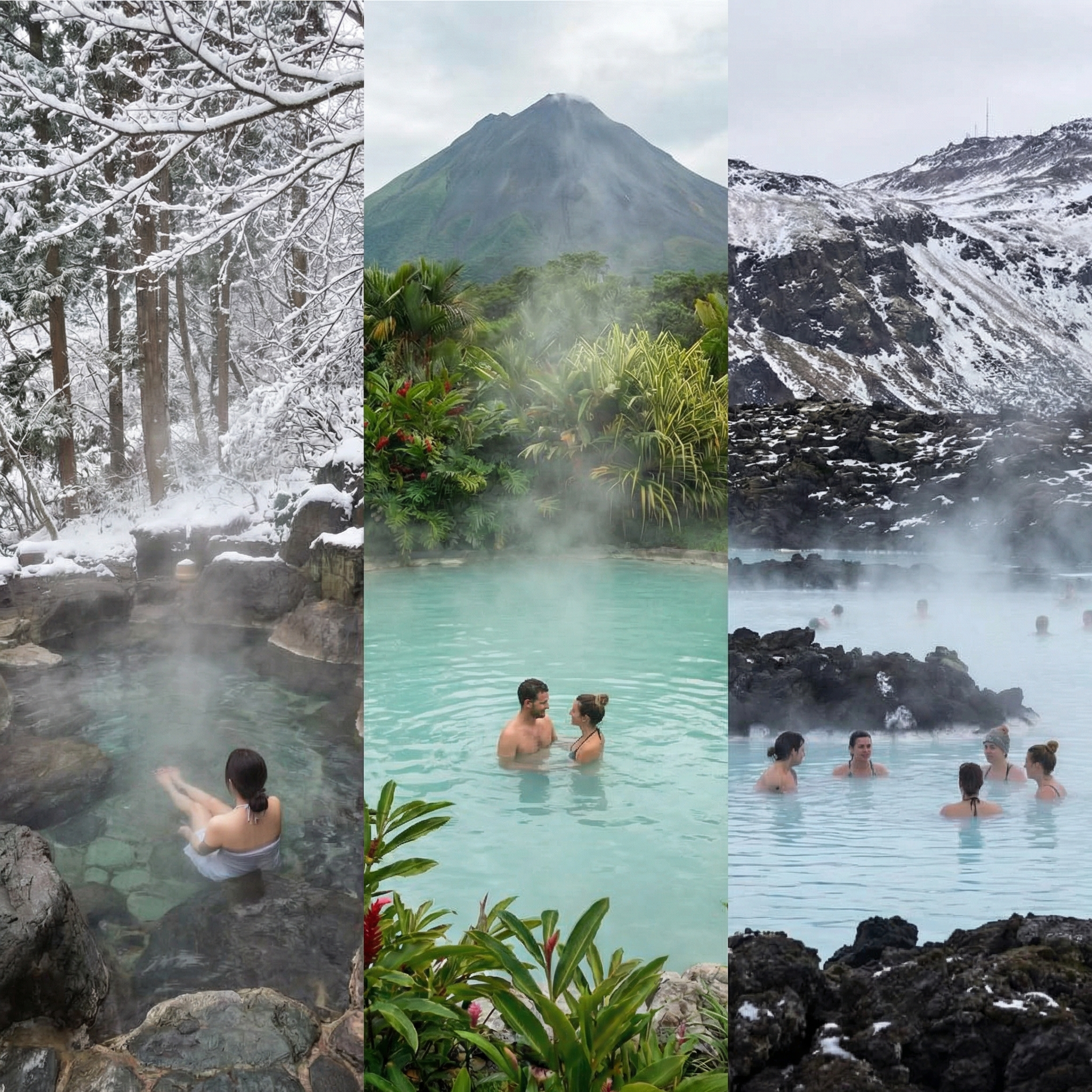
Volcanic regions are where contrast becomes the whole point. You warm up in mineral springs, then step into a cold river or sea pool nearby. Iceland is famous for it, and you’ll find versions of this in other volcanic landscapes too. The trick is not bravery. It’s pacing.
- Keep cold dips short and controlled.
- Don’t sprint from hot to cold; walk, breathe, then enter slowly.
- Make sure the cold area has safe footing and calm water.
Is It Safe? Travel-First Safety Considerations
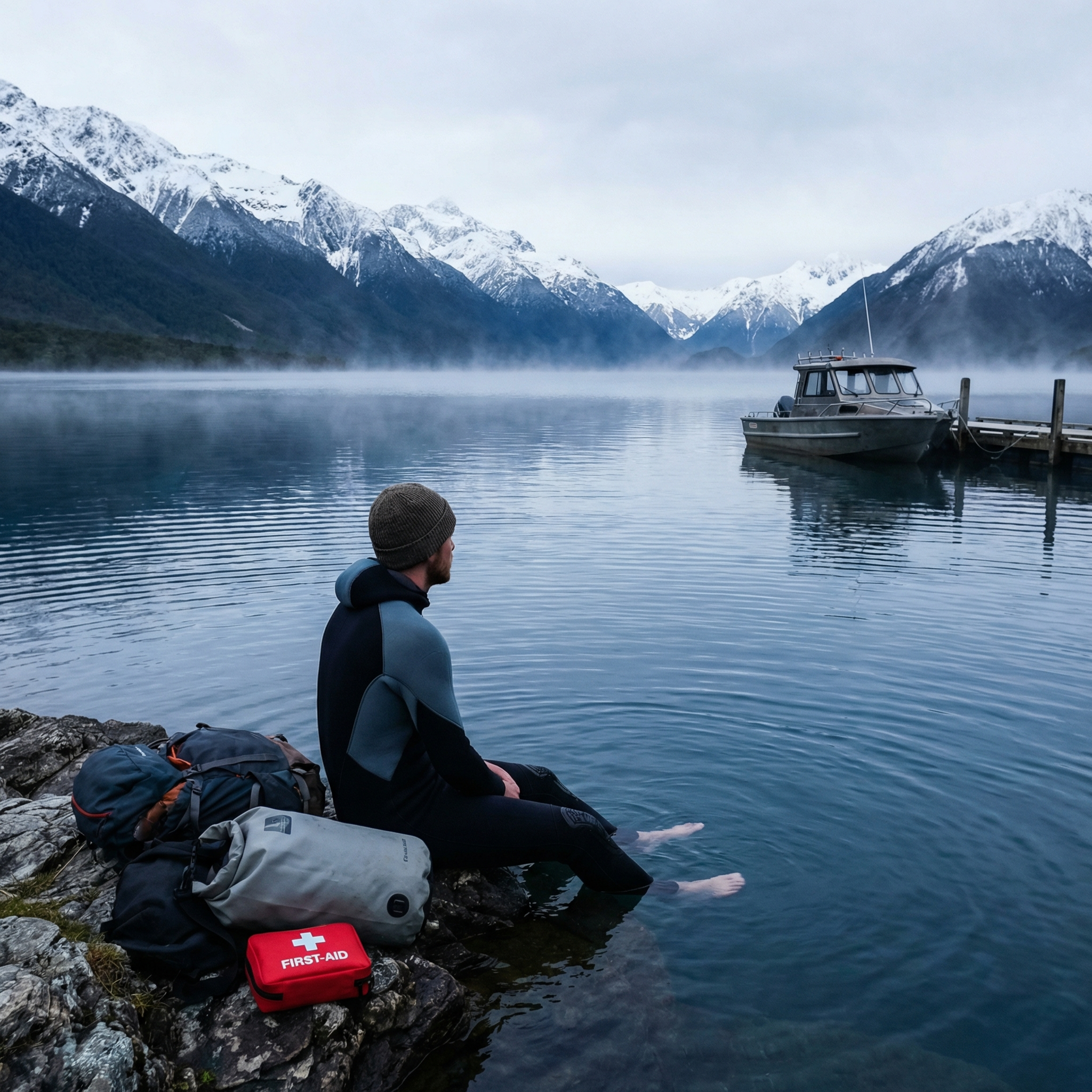
Cold water can be peaceful and brutal in the same minute. The biggest risk for travelers is underestimating the first moments of immersion (cold shock), or ignoring conditions like currents, wind, and exit difficulty. If you treat this like a controlled experience instead of a dare, you’ll keep the memory and skip the regret.
Credible safety references (worth a quick read)
- Start slow: cold shock hits fast. Get breathing under control before you do anything ambitious.
- Know your exit: it should be easier to get out than to get in.
- Currents are non-negotiable: fast water turns “refreshing” into “rescue” quickly.
- Altitude + cold stacks the stress: be extra conservative in mountain environments.
- Never solo in remote water: even confident swimmers can get into trouble.
How Travelers Can Try It Without Going Extreme
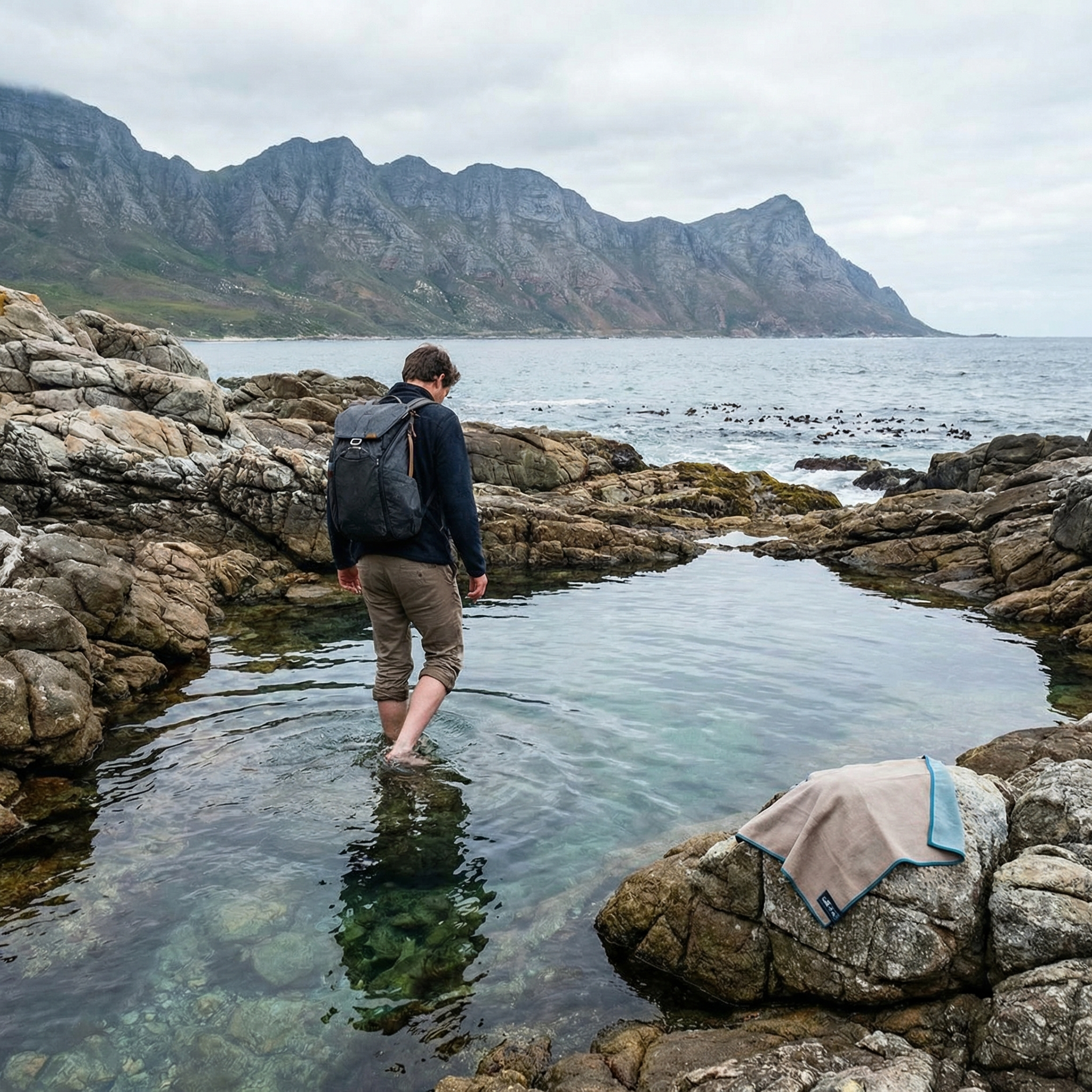
Beginner approach that actually works
- Feet first, then legs: slow entry beats shock entry every time.
- Short is fine: your first “win” can be 20–60 seconds. You don’t need to prove anything to a lake.
- Warm plan: towel, dry layer, windbreaker, warm drink, and a spot out of the breeze.
- Skip breath “heroics”: calm, steady breathing is enough. Keep it simple.
- Stay close: keep it shallow and near shore unless you truly know the site.
Bringing the Experience Home
What tends to stick isn’t the temperature. It’s the moment it forced you to be present. Months later, cold water isn’t a “wellness routine” memory. It’s a travel memory: the place, the air, the sound of the landscape, and the quiet reset you didn’t know you needed.
Frequently Asked Questions
Is cold water immersion safe while traveling?
It can be, if you respect cold shock, avoid fast-moving water, enter slowly, and plan your exit and warm-up before you get in. When in doubt, follow local guidance or use a structured experience.
What countries are best for natural cold plunges?
Nordic countries (Finland, Norway, Iceland) are famous for sauna + cold dip traditions. Alpine regions (Switzerland, Canada, Patagonia) offer glacier-fed lakes and rivers. Cenote regions (Mexico) provide cool freshwater in warm climates.
Do I need a guided tour?
Not always, but guides help in unfamiliar terrain, winter conditions, or places where the safest entry points aren’t obvious.
How cold is too cold?
If the water makes breathing feel uncontrolled or you feel panicky, that’s your cue to back off and reset. Slow entry and short exposure are smarter than forcing it.
Can beginners try it?
Yes. Keep it shallow, keep it short, bring a warm plan, and don’t do it alone in remote settings.
Final Takeaway
Earthbound perspective: Cold water immersion becomes meaningful when it’s tied to place. Fjords, alpine lakes, cenotes, volcanic contrasts — they’re not “challenges.” They’re landscapes you get to experience with your full attention. Do it with respect, do it safely, and let the moment be what it is.



Leave a Reply