

Last Updated on July 4, 2026 by Jeremy
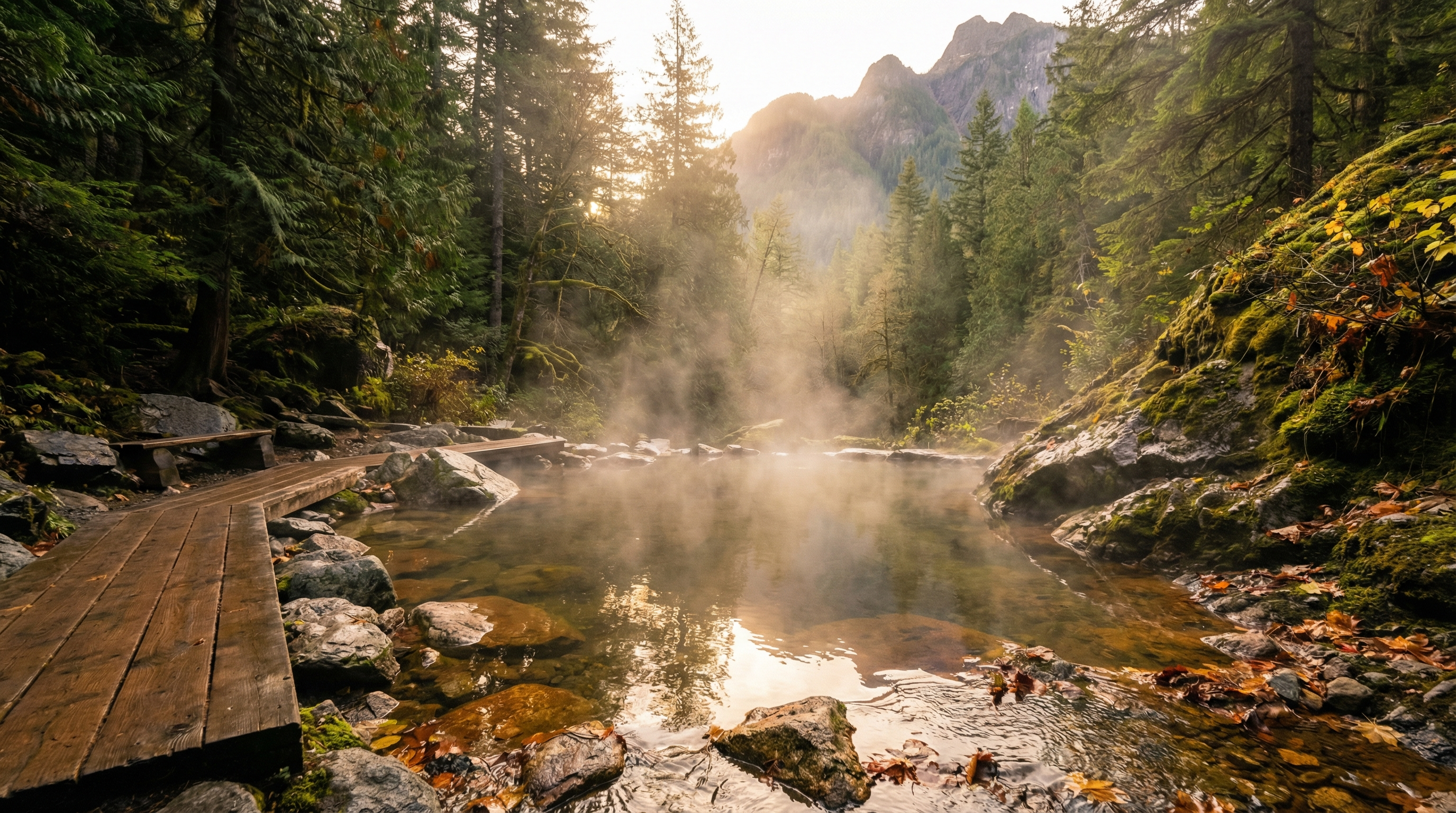
TL;DR
- Hot springs are geology in real time: groundwater heats below the surface and rises back up, often mineral-rich.
- Soaking can feel like a reset, but the best benefits come from doing it safely: time limits, hydration, and cooling breaks.
- Culture matters: etiquette is different in Japan, Iceland, Scandinavia, and North America—learn it before you show up.
- Leave no trace: no lotions/soaps, stay on paths, and treat the area like a living ecosystem, not a bathtub.
Jeremy’s quick soak plan
If you want the simplest “do this, not that” approach:
10–15 minutes in → 5 minutes out → hydrate → repeat once.
Most people ruin hot springs by treating them like a marathon instead of a ritual.
The Call of the Earth’s Hidden Waters
There’s something almost primal about stepping into a natural hot spring. The moment the heat finds your skin, it feels like the earth is doing the talking for a change. You stop performing. You stop rushing. You just… exhale.
I’ve always believed nature knows what we need before we do. Maybe that’s why hot springs have never been “just a warm soak.” They’re a reset button in liquid form—especially when you’ve been running hard, living out of a bag, or bouncing from one plan to the next.
Why Humans Have Always Returned to Hot Springs
If you’ve ever slipped into a hot spring at sunrise, you’ll understand why ancient cultures treated these places as sacred. Hot springs weren’t a “wellness trend.” They were a community anchor, a healing ground, and a ritual space.
Romans
Bathhouses weren’t just for cleaning. They were social systems—rest, conversation, recovery.
Japan
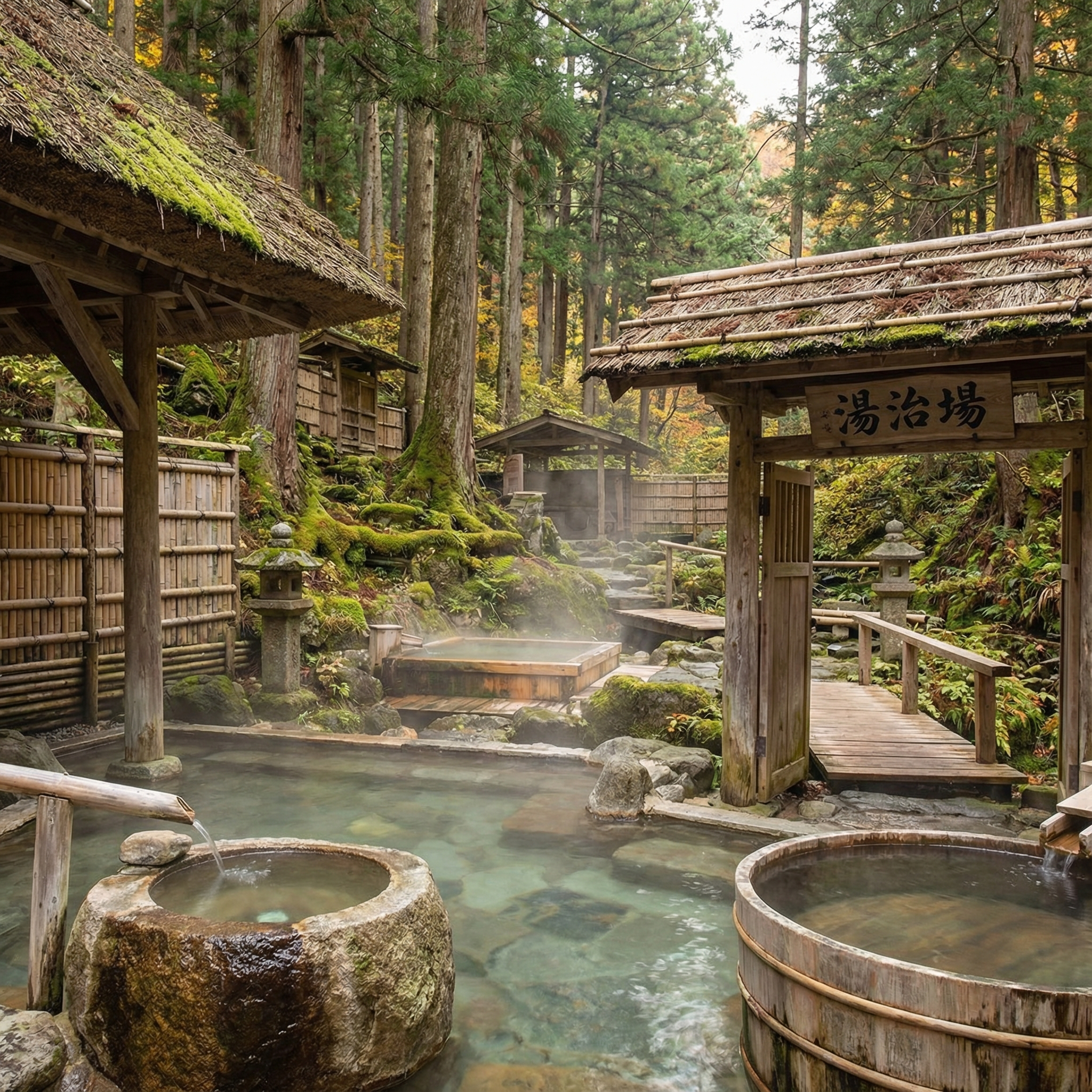
Onsen culture adds something modern travelers forget: etiquette, respect, and stillness.
Indigenous traditions
Many springs were (and are) ceremonial places. Not “attractions.” Places of meaning.
Scandinavia
Hot-cold contrast therapy became a lifestyle: heat → cold plunge → calm.
The Science Behind the Soak (Without the Hype)
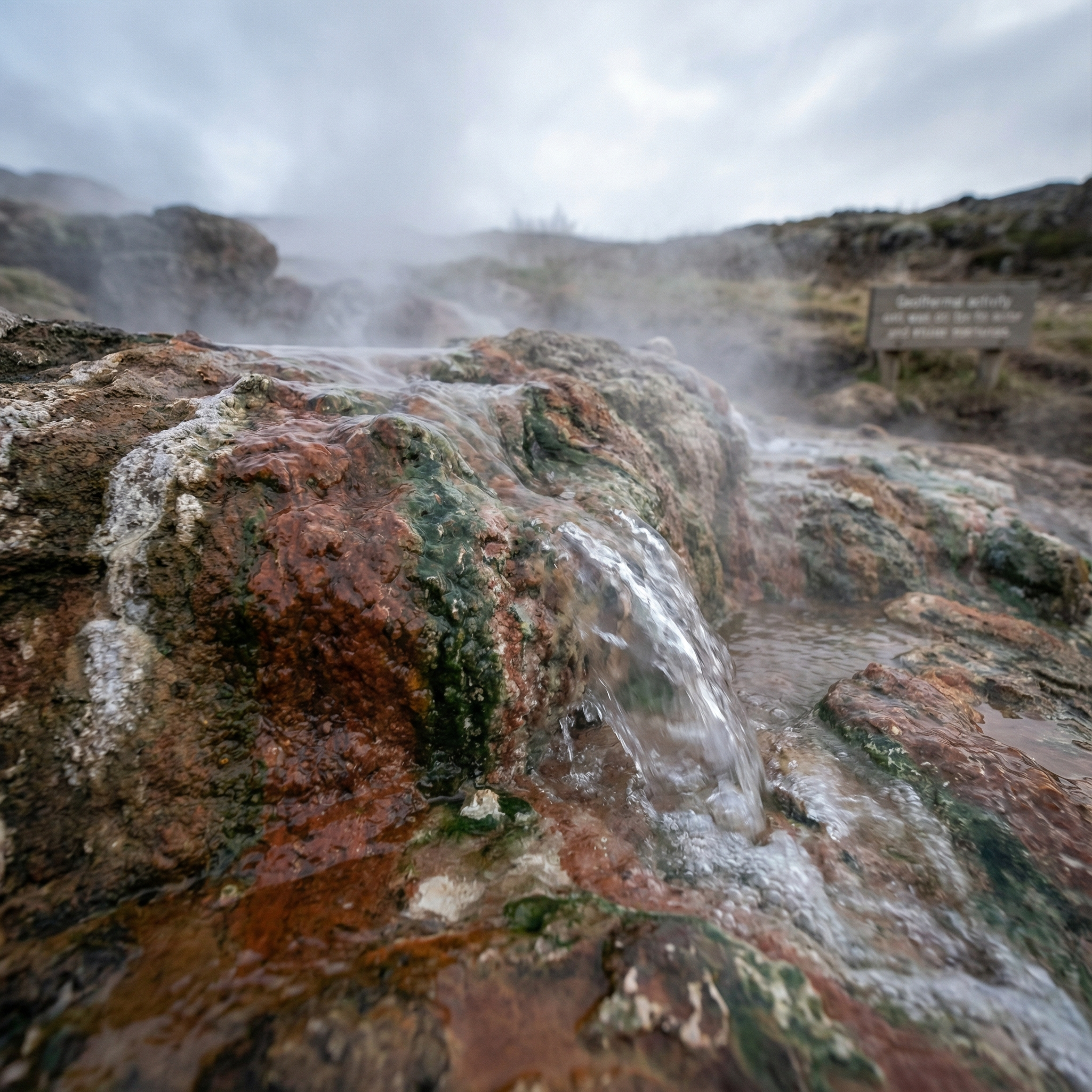
Hot springs are part of a geothermal system: water circulates underground, heats up from the earth’s natural heat, and returns to the surface—often carrying dissolved minerals from the rock it traveled through.
If you want the straight geology explanation (not wellness marketing), the U.S. Geological Survey describes hot springs as surface water that’s heated by underground geothermal activity before emerging again. USGS: Hot springs caused by geothermal activity underground
What people actually feel (and why)
- Heat relaxes muscle tension by increasing circulation and softening the “tight” patterns you carry all day.
- Stillness helps the nervous system downshift. A soak forces you to slow down, and your brain follows.
- Mineral content varies by location. Two hot springs can feel totally different because the geology is different.
Hot Springs Worth Traveling For
Not all hot springs are created equal. Some are polished and managed. Others are wild and remote. The trick is choosing the experience that matches your travel style—and your tolerance for comfort vs. adventure.
Banff Upper Hot Springs (Canada)
Classic Rockies soak. Mountain views. Easy access. Great “first hot spring” experience.
Strawberry Park (Colorado, USA)
Rustic and forest-hidden. Feels like a reward after movement, not a tourist stop.
Blue Lagoon (Iceland)
Iconic for a reason: silica-rich water and lava-field scenery. Book ahead and respect the rules.
Japan’s Onsen Towns (Hakone, Beppu, Kusatsu)
Cultural immersion. Etiquette matters. If you want meaning, not just heat, this is it.
Tabacón (Costa Rica)
Jungle geothermal paradise. Volcanic energy, warm rivers, and that “how is this real?” feeling.
Your own “nearby secret”
Sometimes the best spring isn’t famous. It’s the one you found because you asked locals and stayed curious.
Planning Costa Rica around nature experiences? This fits neatly with: 7 bucket-list experiences you can afford in Costa Rica .
Soaking Responsibly (Protect What Heals You)
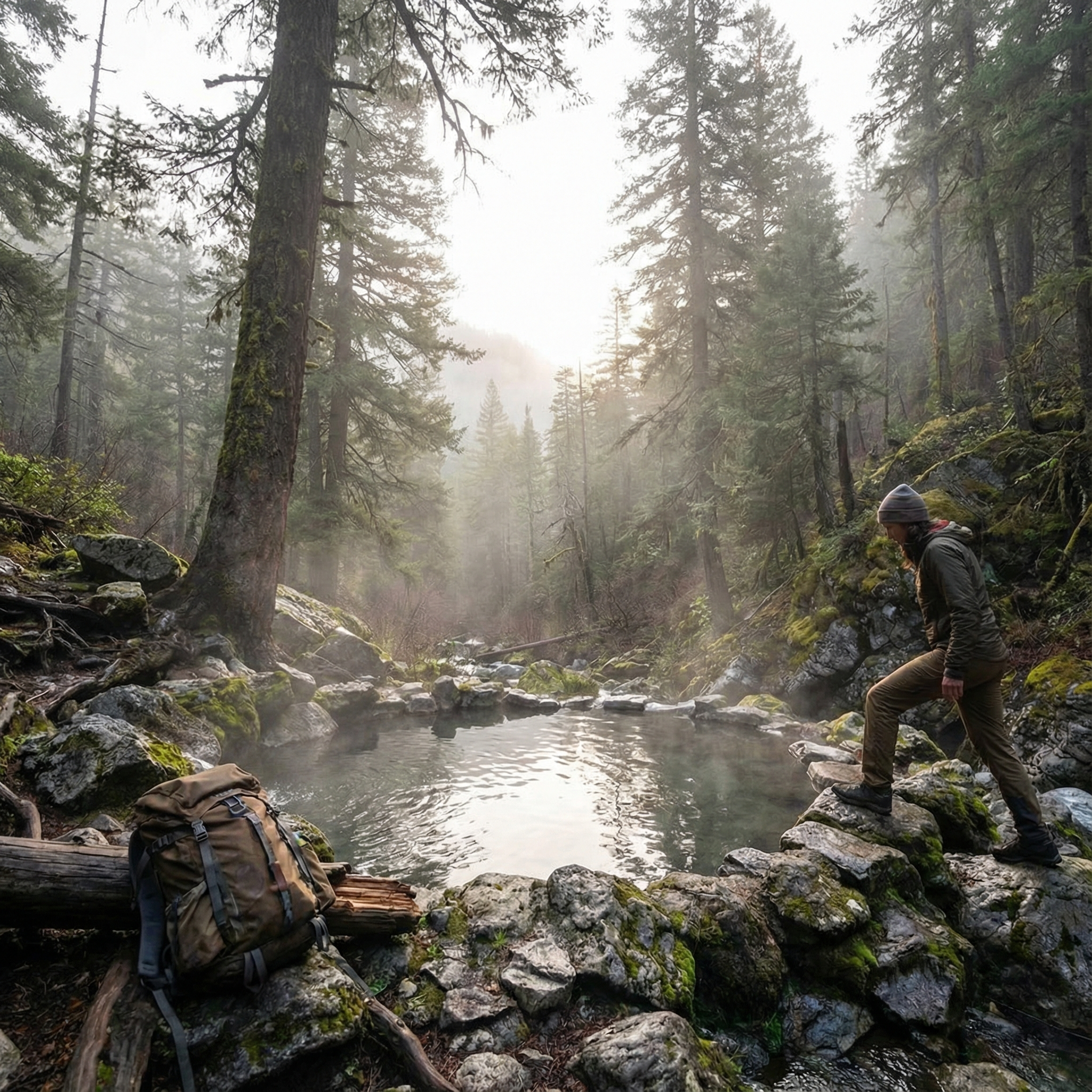
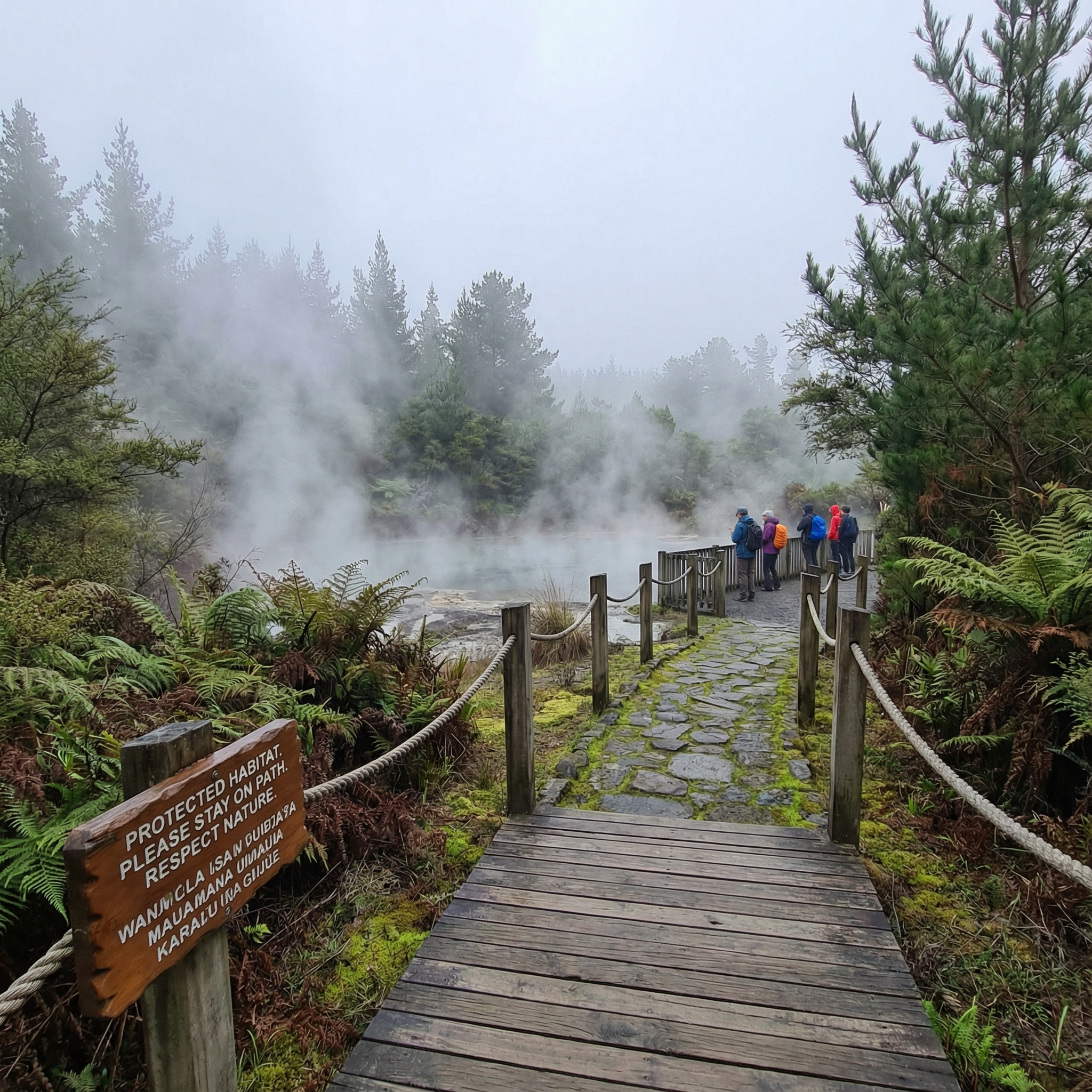
Hot springs tourism is booming. That’s good—more people are discovering nature as a teacher. It’s also risky—because one careless season can damage a fragile area for years.
- No lotions, oils, or soaps (even “natural” ones). Springs are ecosystems.
- Stay on paths to avoid trampling sensitive ground and vegetation.
- Respect quiet zones (especially in Japan and certain Scandinavian spaces).
- Pack out everything. If it came with you, it leaves with you.
This mindset is exactly why we talk about sustainable travel here: why eco-friendly travel matters (and how to do it without wrecking the places you love) .
How to Prepare (So It Feels Like a Reset, Not a Mistake)
The essentials (the ones you actually use)
- Water (more than you think)
- Footwear for slippery rock
- Towel + warm layer for the walk back
- Dry bag for electronics
The etiquette (don’t be “that traveler”)
- Rinse before entering if facilities exist
- Keep voices low in quiet zones
- Follow posted temperature/time guidance
- If it’s culturally sensitive, treat it that way
My Favorite Kind of Hot Spring Moment
One of my most memorable hot spring experiences was at Fairmont Hot Springs in British Columbia, right in that fall shoulder season where the air starts to bite. You know the kind of day—quiet roads, a little frost teasing the edges of everything, and that feeling that winter is waiting in the wings.
I remember sinking into the water while the steam rose in soft curls, and the outside world did its best to stay outside. Snowflakes threatened to show up (and honestly, they did for a minute), and the contrast was so sharp it felt like someone turned the volume down on my thoughts. That’s the part people don’t explain well: hot springs don’t just loosen muscles—sometimes they loosen the mind.
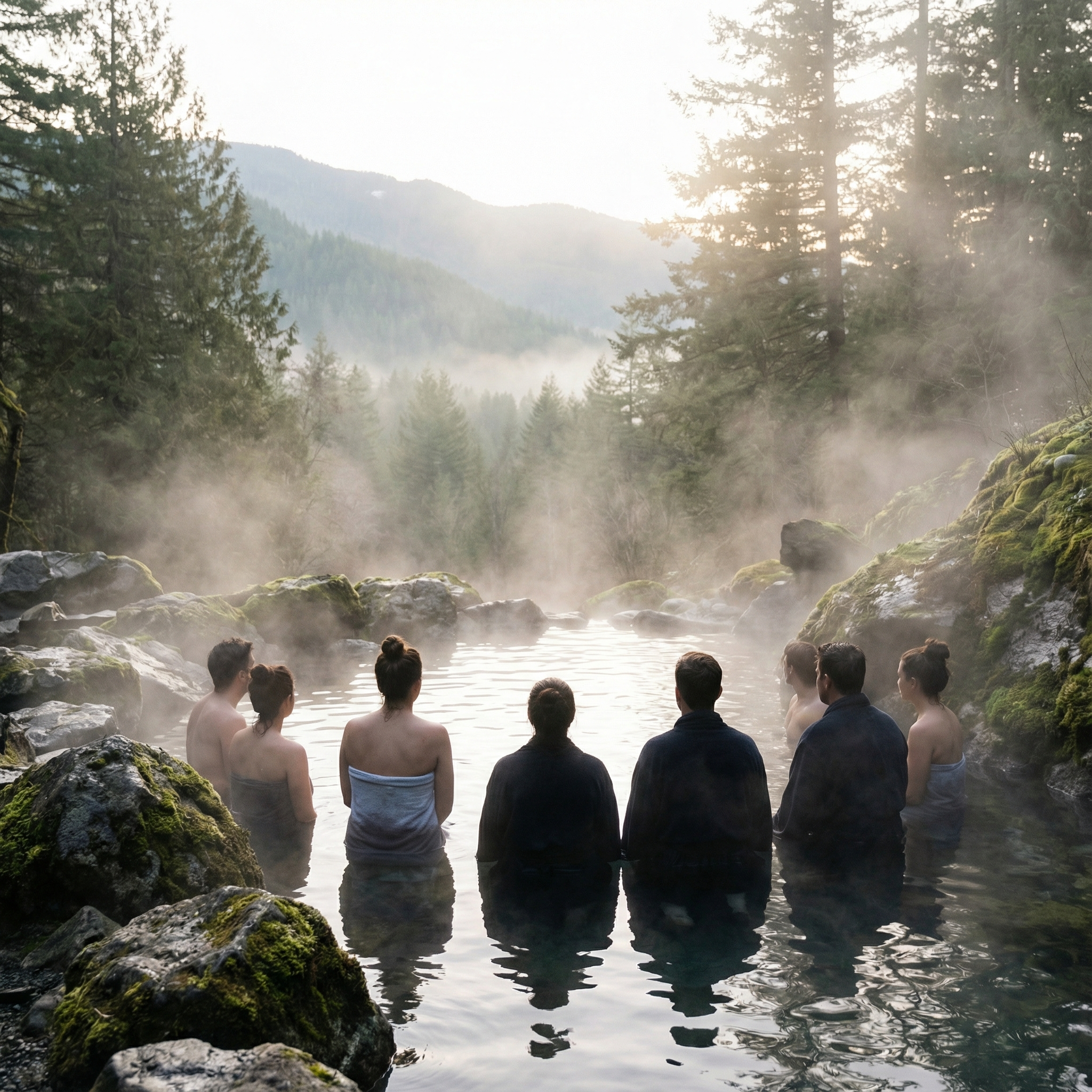
That’s the magic of hot springs. They remind you that healing doesn’t have to be complicated. Sometimes, all you need is hot water, fresh air, and the permission to slow down.
Final Thoughts
Hot springs are one of the simplest “nature therapies” that still feels honest. No hype required. Just geology, tradition, and a quiet place to reset your pace.
So… where will your next hot spring adventure take you? And what do you want it to be—easy and accessible, or wild and remote?
Hot Springs FAQ
Are natural hot springs safe?
Most are safe when managed properly, but temperature and conditions vary. Follow local rules, limit soak time, hydrate, and avoid unregulated areas.
How long should I soak in a hot spring?
A common approach is 10–20 minutes at a time with cooling breaks. Your body will tell you quickly if you’re pushing it.
Why do different hot springs feel different?
Temperature, mineral content, and how the water interacts with local rock can vary widely—two springs can feel like completely different experiences.
What’s the biggest “don’t” at natural hot springs?
Don’t bring lotions/soaps into the water, and don’t ignore etiquette. Springs are ecosystems and cultural places, not just pools.


Leave a Reply