
Last Updated on December 9, 2025 by Jeremy
This article may contain affiliate links. If you click through and make a booking or purchase, we may earn a commission at no extra cost to you. It helps us keep creating free outdoor travel resources.
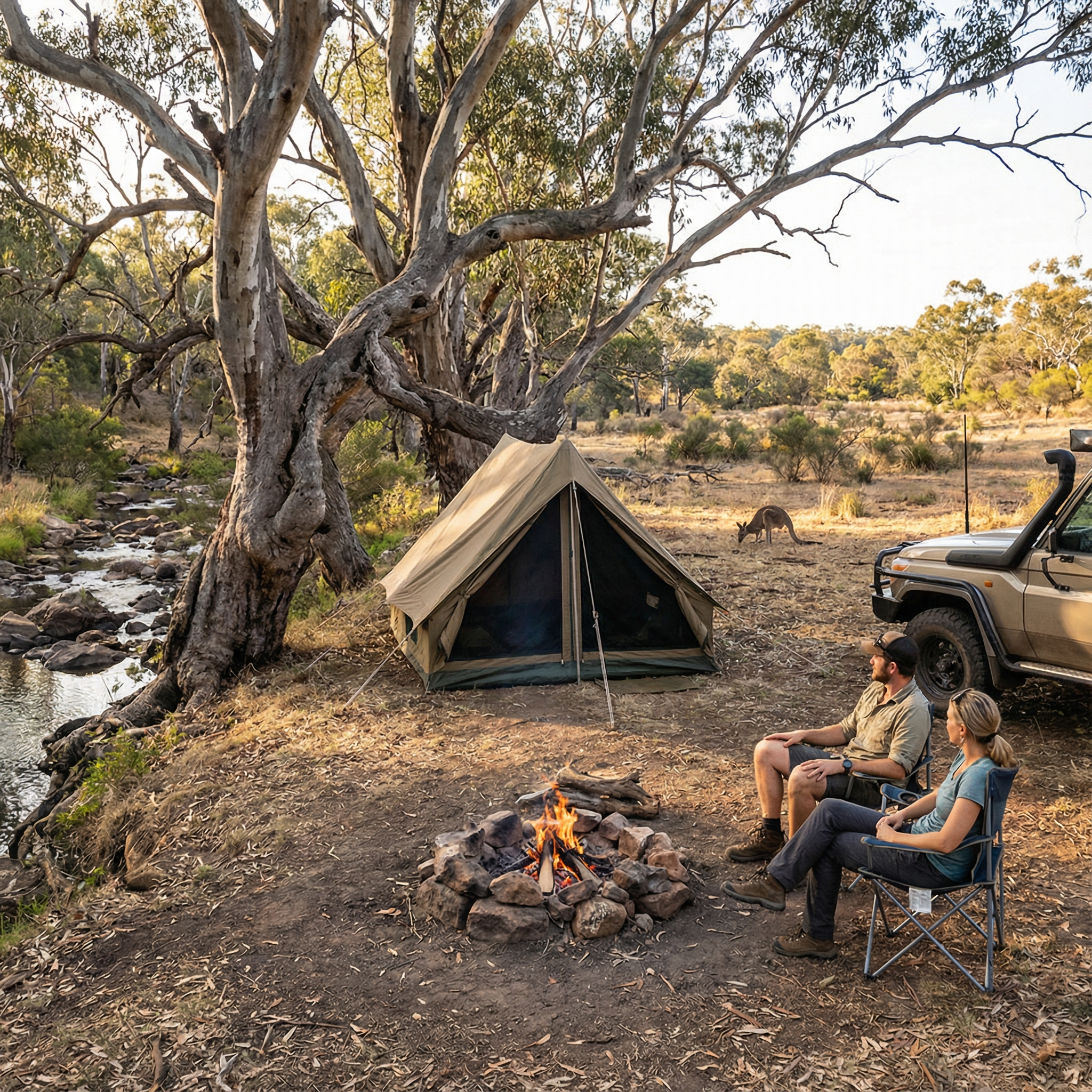
Backwoods camping, also called backcountry or wild camping, means camping in remote natural areas without amenities. You hike or paddle into undeveloped terrain, carry everything you need, and follow Leave No Trace principles. It is a self-reliant style of camping that lets you experience wilderness far from roads and campgrounds.
Backwoods camping has existed far longer than modern campgrounds or trail apps. Before regulated parks and reservation systems, heading into the woods with basic gear was just how people experienced the outdoors.
My introduction to backwoods camping was about as simple as it gets. On our old Saskatchewan farm, we pitched a tent with no power, no running water, and no comforts beyond a fire and a sky full of stars. That trip was not far from home, but it reset how I thought about comfort and what we actually need.
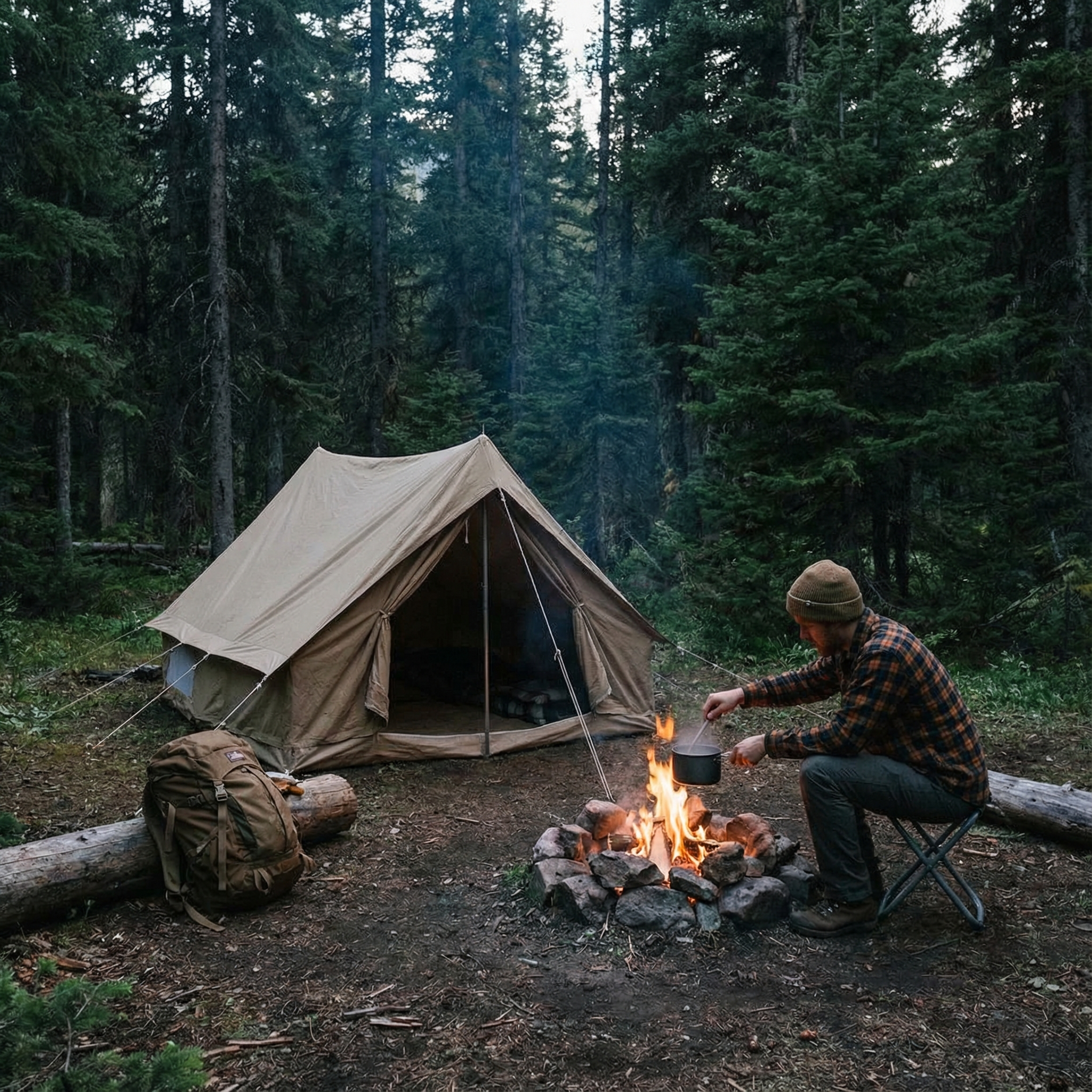
Today, more people worldwide are chasing that same feeling. From the boreal forests of Canada to the fjords of New Zealand and the deserts of Namibia, backwoods camping offers a way to disconnect and let nature set the pace.
What is backwoods camping
Backwoods camping, sometimes called backcountry or wild camping, means leaving developed campgrounds behind and traveling into remote areas where there are no facilities. There are no washrooms, no picnic tables and no potable water taps waiting for you at the end of the day.
Depending on where you go, you may:
- Stay at designated backcountry pads or platforms in national or provincial parks
- Use simple, marked sites in wilderness areas with minimal infrastructure
- Choose your own low-impact spot in regions that allow dispersed camping
In every case, you carry everything in, pack everything out, and rely on your skills and planning instead of campground services. It is less about suffering and more about being deliberate with your gear, routes and decisions.

Planning your own backwoods routes
If you like planning your own routes, transport, and logistics, you can start with Earthbound’s self-planning tools here: Earthbound Booking Tools. If you would rather have a curated backwoods itinerary built around your comfort level, you can explore custom trip options here: Earthbound Curated Travel.
Top backwoods camping destinations worldwide
Backwoods camping looks different from one landscape to the next. Here are some regions where this style of travel really comes to life.
North America
Kootenay National Park, British Columbia Remote valleys, glacial rivers, and alpine passes for hikers who want quieter routes than the busier Rockies corridors.
Tombstone Territorial Park, Yukon Jagged granite peaks, powerful weather, and some of the strongest northern lights viewing on the continent.
Pukaskwa National Park, Ontario True boreal wilderness on the rugged coastline of Lake Superior, with multi-day coastal routes and quiet inland lakes.
Denali National Park, Alaska Open tundra and wildlife corridors where grizzlies, caribou and wolves still move freely.
Wind River Range, Wyoming High alpine basins with glacier-fed lakes and granite walls that attract experienced backpackers and climbers.
Boundary Waters Canoe Area, Minnesota A paddling focused backcountry with portages linking a maze of lakes where campsites are only accessible by canoe.

Australia and New Zealand
Tasmanian Wilderness Remote, raw terrain with limited access and a real feeling of isolation for prepared hikers.
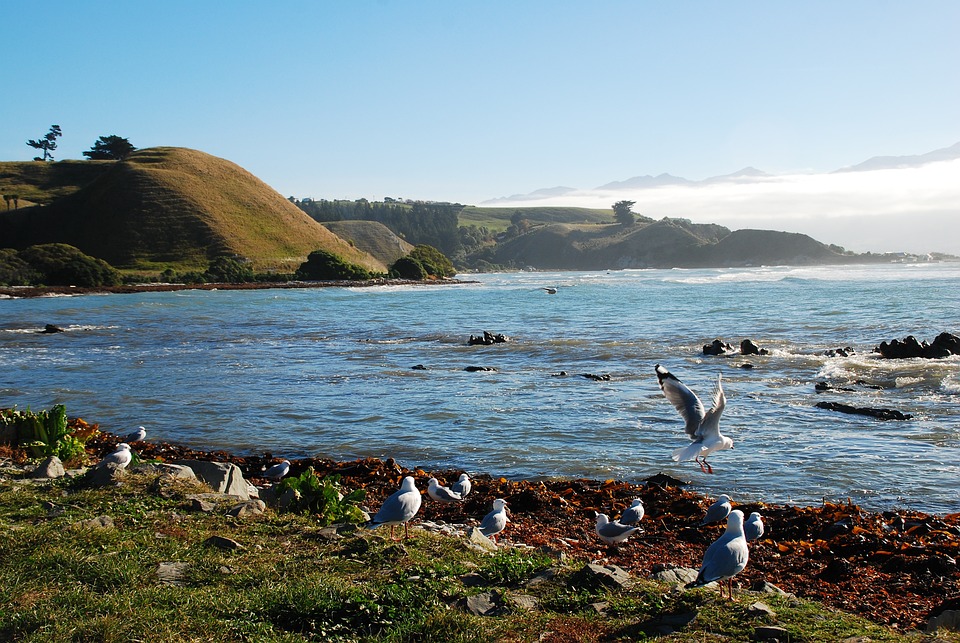
Fiordland National Park, New Zealand Steep rainforest slopes, deep fjords and multi-day routes that test both fitness and gear.
South America
Torres del Paine, Chile Patagonian spires, glacier valleys and strong winds that reward those who plan for fast changing weather.
Amazon Rainforest, Brazil and Peru A humid, dense environment where navigation, hydration, and respect for wildlife matter more than elevation gains.
Africa and the Middle East
Namib Desert, Namibia One of the most isolated camping environments on the planet, with towering dunes and long sightlines.
Wadi Rum, Jordan Sandstone valleys and open desert, where traditional Bedouin knowledge still shapes how people travel and camp.
Europe
Lofoten Islands, Norway Wild camping close to beaches and rugged peaks, with the chance to see midnight sun or northern lights depending on the season.
Cairngorms National Park, Scotland Classic Scottish wild camping with high plateaus, sudden fog and variable weather that demands respect.
How to start camping as a beginner
If you are new to backwoods camping, the goal is not to rush into the most extreme environment you can find. It is to build skills in layers so each trip feels more comfortable than the last.
- Start with one or two night trips close to home to test your gear and routines.
- Learn to read maps and use a compass as a backup to any GPS device.
- Practice setting up your tent, lighting your stove and using your water filter before you go.
- Carry more warm layers than you think you will need. Weather often shifts when you are far from roads.
- Review Leave No Trace principles and use them as a checklist before, during and after each trip.
Think of each outing as a small training block. Over time, backwoods skills become muscle memory rather than something you have to overthink.
What to pack for backwoods camping
Knowing what to pack for backwoods camping is one of the most important parts of the planning process. Because there are no stores or camp offices nearby, your gear list needs to cover shelter, warmth, water, navigation and basic repairs.
Primary essentials
- Lightweight tent or hammock shelter with proper rain protection
- Four season or appropriate temperature rated sleeping bag
- Insulated sleeping pad with enough R value for local conditions
- Water filter, purifier or purification tablets for safe drinking water
- Compact stove and fuel for reliable cooking
- Fire starter kit such as waterproof matches, lighter and fire steel
- Comprehensive first aid kit with bandages, medications and antiseptics
- Knife or multi tool for repairs, food and camp tasks
- Bear spray in regions with black bear or grizzly activity
- Satellite GPS device, offline maps or a map and compass pair
- Dry bags for food, clothing and electronics
For bigger kit planning, many campers build their gear around a few core survival items and then refine from there. Emergency focused retailers can also help you identify gaps in your setup.

Backwoods survival gear and emergency kits
If you want to expand your backwoods kit with emergency tools, water filters, fire starters and compact shelter systems, you can explore a dedicated survival gear collection here: Survival Frog emergency and camping gear.
Cold weather and winter backwoods camping
Winter backwoods camping introduces extra variables. Shorter days, lower temperatures and snowpack all change how you plan routes and choose gear. Your packing list should add more insulation, redundancy and margin for error.

One simple, reliable piece of winter gear is a wool blanket. It can act as backup insulation, an extra layer over your sleeping bag or a wraparound layer in camp.
Many people use a military style wool blanket as part of their cold weather kit. It does not replace a good sleeping bag, but it can add a significant safety margin if temperatures drop lower than expected.
When you research models, look for blankets that balance weight, size and wool content in a way that matches your style of travel.

How to choose a backwoods campsite
Choosing a campsite in the backwoods is about safety and impact. A good site protects you from weather, avoids hazards and leaves as little trace as possible when you leave.
- Stay at least 200 feet from lakes, rivers and streams to protect water quality.
- Avoid fragile ground such as alpine meadows and wetlands.
- Choose slightly elevated, flat ground to reduce the risk of pooling during rain.
- Keep tents away from obvious animal paths and berry patches.
- Never leave food or scented items out overnight.
Fire safety in the backcountry
- Check for fire bans and local regulations before you leave home.
- Use a stove instead of a fire in dry or windy conditions.
- If a fire is allowed, keep it small and contained within a fire ring.
- Fully soak coals and ashes with water and stir until everything is cold.
Why protecting backwoods areas matters
Backwoods camping is becoming more popular every year. That is good for people, but it also puts more pressure on trails, wildlife and sensitive ecosystems. The health of these places depends on how seriously campers take their responsibilities.
- Pack out all waste, including food scraps and used toilet paper.
- Avoid soaps and detergents near water, even if they are labeled biodegradable.
- Store food properly to prevent wildlife from associating campsites with easy meals.
- Stick to existing trails where possible to reduce erosion and trampling.
The more lightly we move through backcountry spaces, the more likely they are to be available for the next generation of campers who want to learn these skills.
Final thoughts
Backwoods camping is not about proving how tough you are. It is about stepping into wild spaces with enough skill and preparation that you can relax, pay attention and feel at home in a landscape that does not belong to anyone.
Readers like Jenny and Anoth have described this style of camping as both a beginner friendly gateway into wilderness and a long term practice to return to year after year. The core does not change. Prepare well, respect the land, and leave trails, rivers and forests better than you found them.
If you are ready to plan your first or next backwoods trip, you can start by exploring self planning tools at Earthbound Booking Tools or, if you prefer a guided approach, by looking at custom itineraries through Earthbound Curated Travel.
Backwoods camping is an evergreen way to experience the world. There is always another landscape waiting once you are ready.
Frequently asked questions about backwoods camping
What is backwoods camping
Backwoods camping is a form of camping in remote, undeveloped natural areas without facilities. You hike or paddle into the backcountry, carry your own shelter, food and gear, and follow Leave No Trace principles to protect the environment.
How do I start camping as a beginner
Start with one or two night trips close to home, learn how to use your tent, stove, and water filter, and build navigation skills with maps and a compass. As your confidence grows, you can move deeper into the backcountry and extend your route length.
What should I pack for backwoods camping
A basic backwoods packing list includes a tent or hammock shelter, warm sleeping bag, insulated pad, water filtration, stove and fuel, first aid kit, knife or multi tool, weather appropriate clothing, food, bear spray where needed, and a navigation system such as GPS plus map and compass.
What is the difference between backwoods and regular camping
Regular camping usually happens in developed campgrounds with designated sites, washrooms and vehicle access. Backwoods camping happens in remote areas without facilities, where you must carry everything in and out and manage your own safety and impact.
Is backwoods camping safe for beginners
It can be safe for beginners who start small, plan properly, choose appropriate routes and build skills gradually. Traveling with experienced partners or joining guided trips can also help shorten the learning curve.
How do I choose a good backwoods campsite
Look for durable ground at least 200 feet from water, avoid fragile vegetation, choose slightly elevated flat areas, and stay clear of animal paths and food sources. Always follow local regulations and Leave No Trace guidelines.



Leave a Reply