

Last Updated on July 4, 2026 by Jeremy
There’s something timeless about rocks—silent, stubborn, and everywhere. But they aren’t just sitting still. Over long stretches of time, they’re constantly changing: breaking down, compressing, melting, and re-forming.
This article was inspired by research from Kailyn—our youngest geology explorer—who went down the rock-cycle rabbit hole as part of a homeschool topic. And it hit me: this is one of those “science” subjects that makes way more sense when you see it outdoors instead of on a worksheet.
So we’re going to keep this simple and travel-friendly. You’ll learn what the rock cycle is (without the textbook tone), and then you’ll get real places around the world where you can watch the story play out in cliffs, canyons, volcanoes, and mountain ranges.
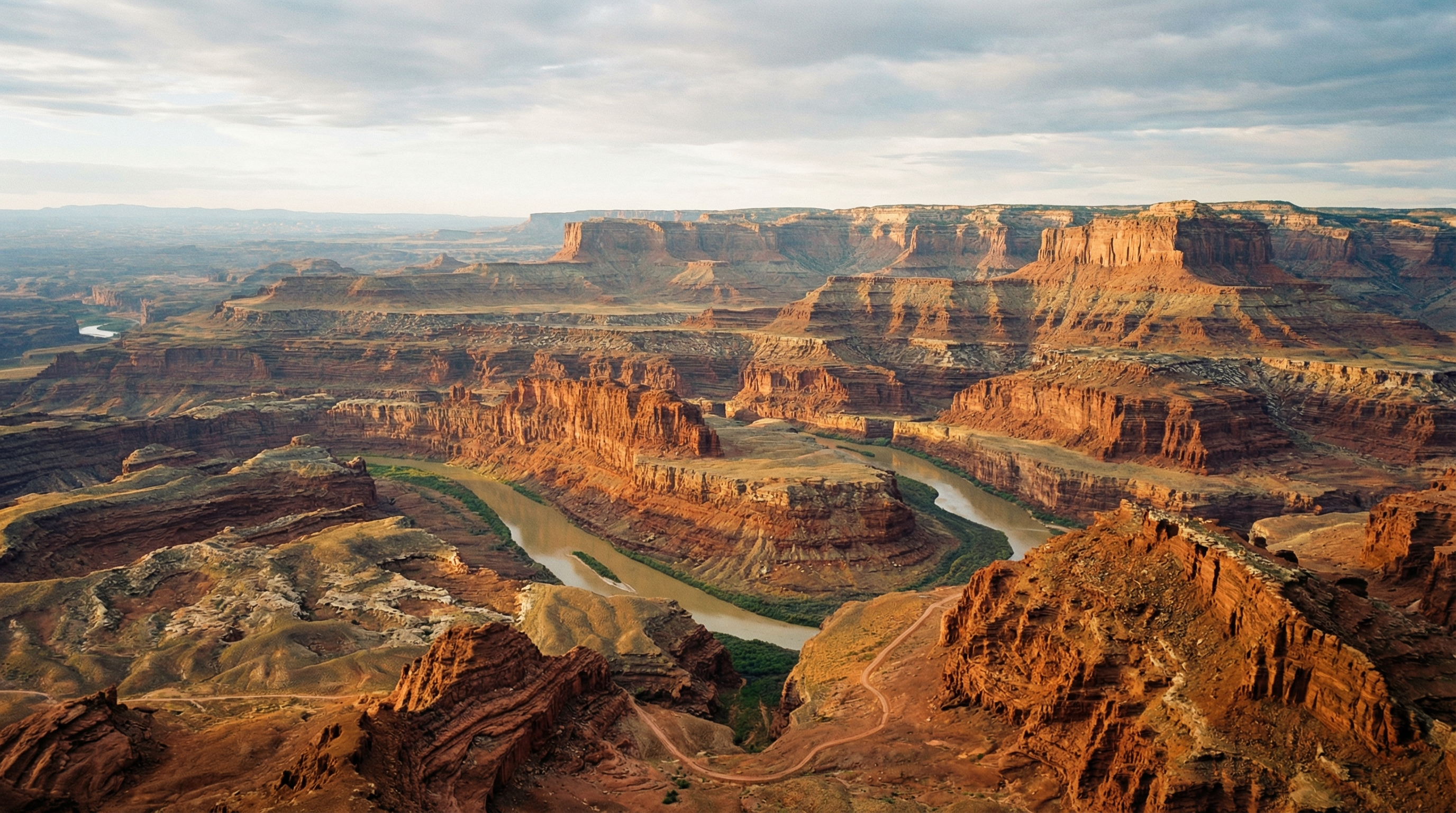
The Rock Cycle, Explained Without the Classroom Voice
The rock cycle is Earth’s long game: a slow, continuous recycling system where rocks shift between three main types—igneous, sedimentary, and metamorphic—depending on heat, pressure, weathering, and time.
A quick trustworthy reference (if you want the official version)
If you’d like a clean, authoritative overview from a geology source, the U.S. National Park Service has a solid primer here: Rocks and minerals (NPS geology) .
Where to See the Rock Cycle in Action
Reading about geology is one thing. Standing next to it is different. In the wild, the rock cycle stops being a diagram and starts looking like: black lava fields, canyon walls stacked like a layer cake, and mountains that appear twisted like they’ve been kneaded.
1) Igneous Rocks: Born From Fire
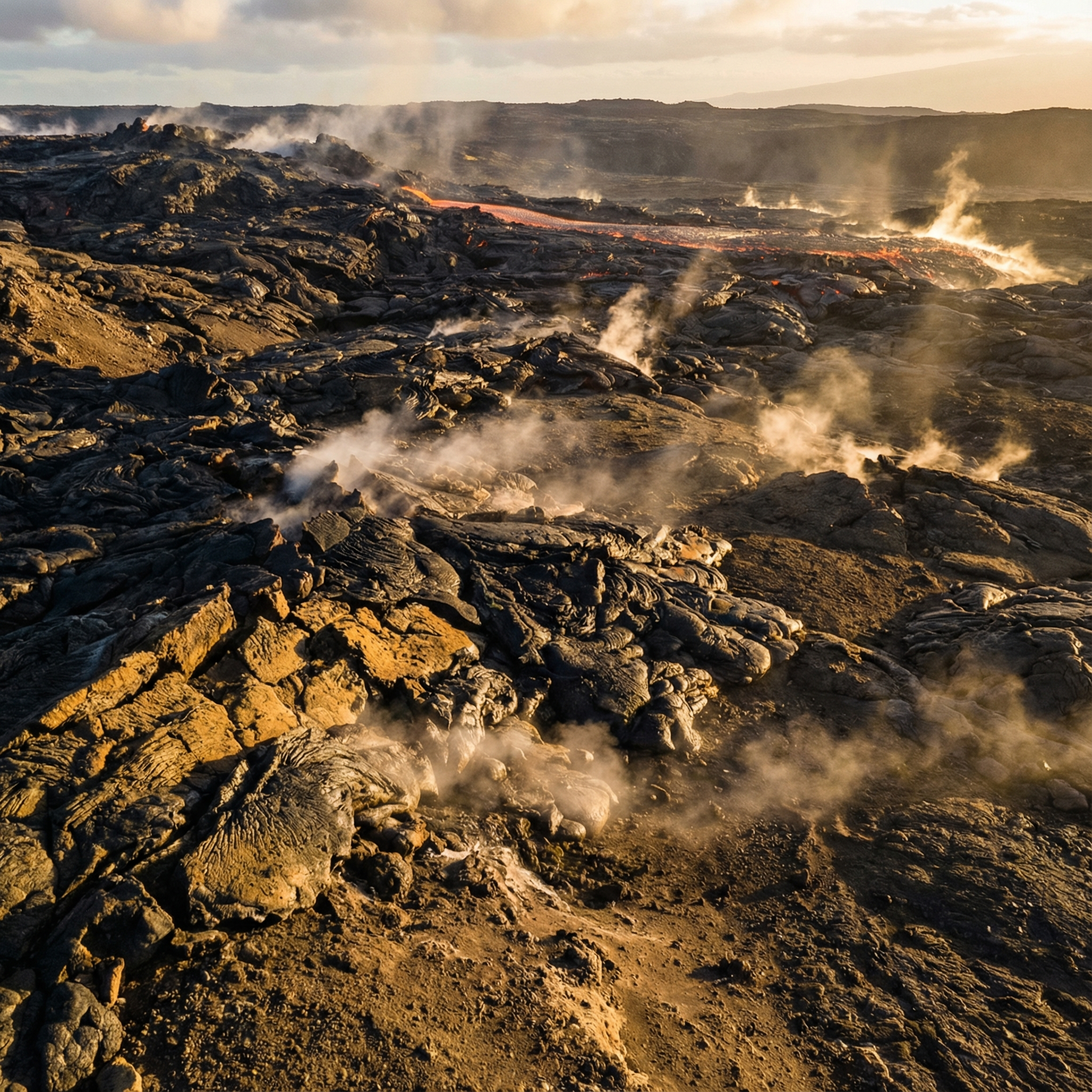
Igneous rocks form when molten rock cools and hardens. If it cools underground, you get coarse-grained rocks like granite. If it cools quickly on the surface, you get darker, fine-grained rocks like basalt—and sometimes glassy obsidian.
Hawai‘i Volcanoes National Park, USA
One of the clearest places on Earth to understand “new land” forming from lava and cooling rock.
Reykjanes Peninsula, Iceland
Lava fields, geothermal features, and a landscape that looks like Earth is still mid-build.
Mount Etna, Italy
Europe’s iconic active volcano—an ongoing reminder that the rock cycle is not theoretical.
2) Weathering, Erosion, and Sedimentary Layers: Time You Can See
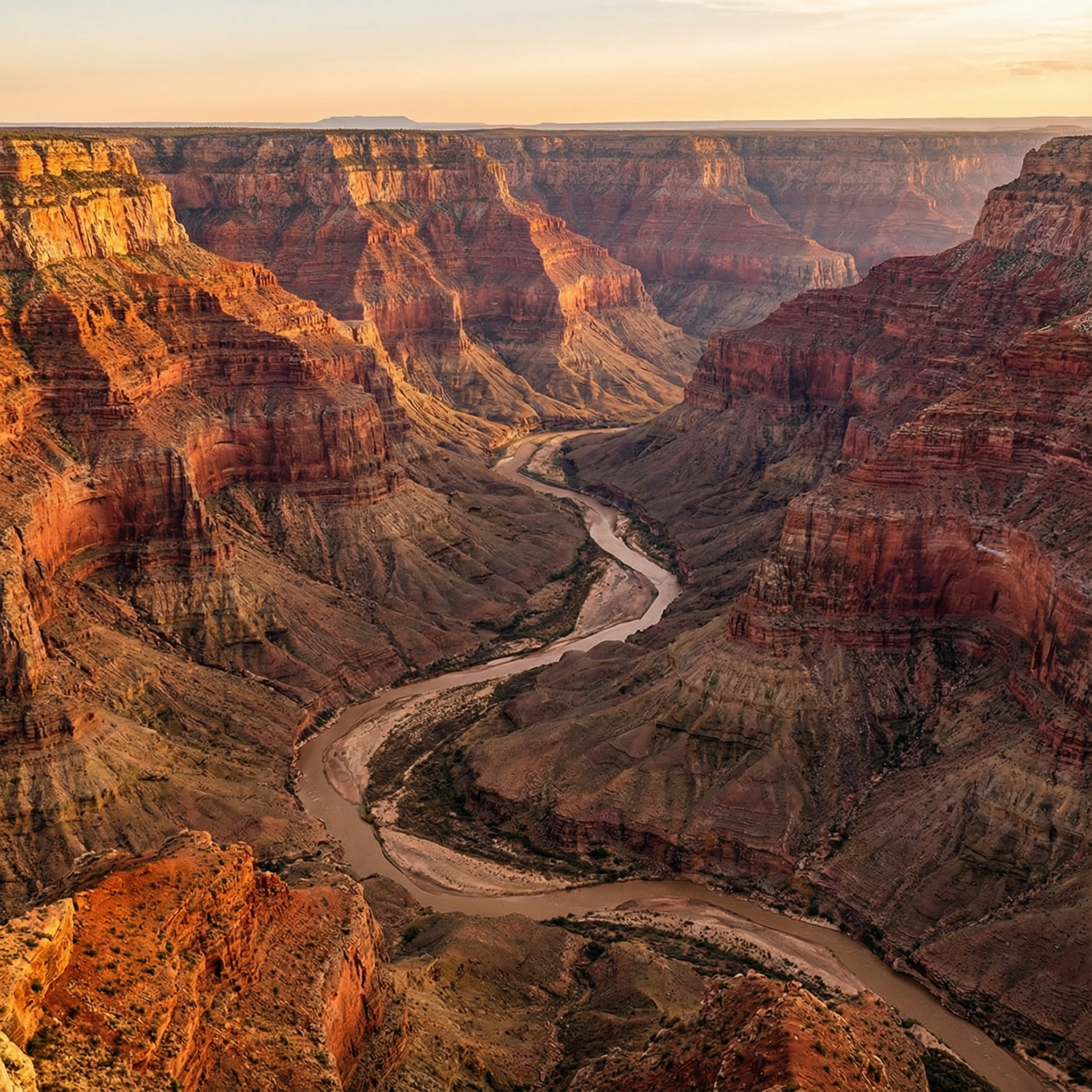
Weathering breaks rock into smaller pieces. Erosion moves those pieces. Then those sediments settle, stack, and slowly compact into layers. This is where Earth starts keeping receipts—sedimentary rocks can preserve fossils and record ancient oceans, rivers, and deserts.
The Grand Canyon, USA
One of the most famous “time cuts” on Earth—layer upon layer, exposed and readable.
Antelope Canyon, USA
Proof that water doesn’t need centuries to make art—flash floods can shape sandstone fast.
White Cliffs of Dover, England
Chalk cliffs formed from ancient marine life—sedimentary rock that literally used to be ocean.
3) Metamorphic Rocks: Pressure, Heat, and Serious Transformation
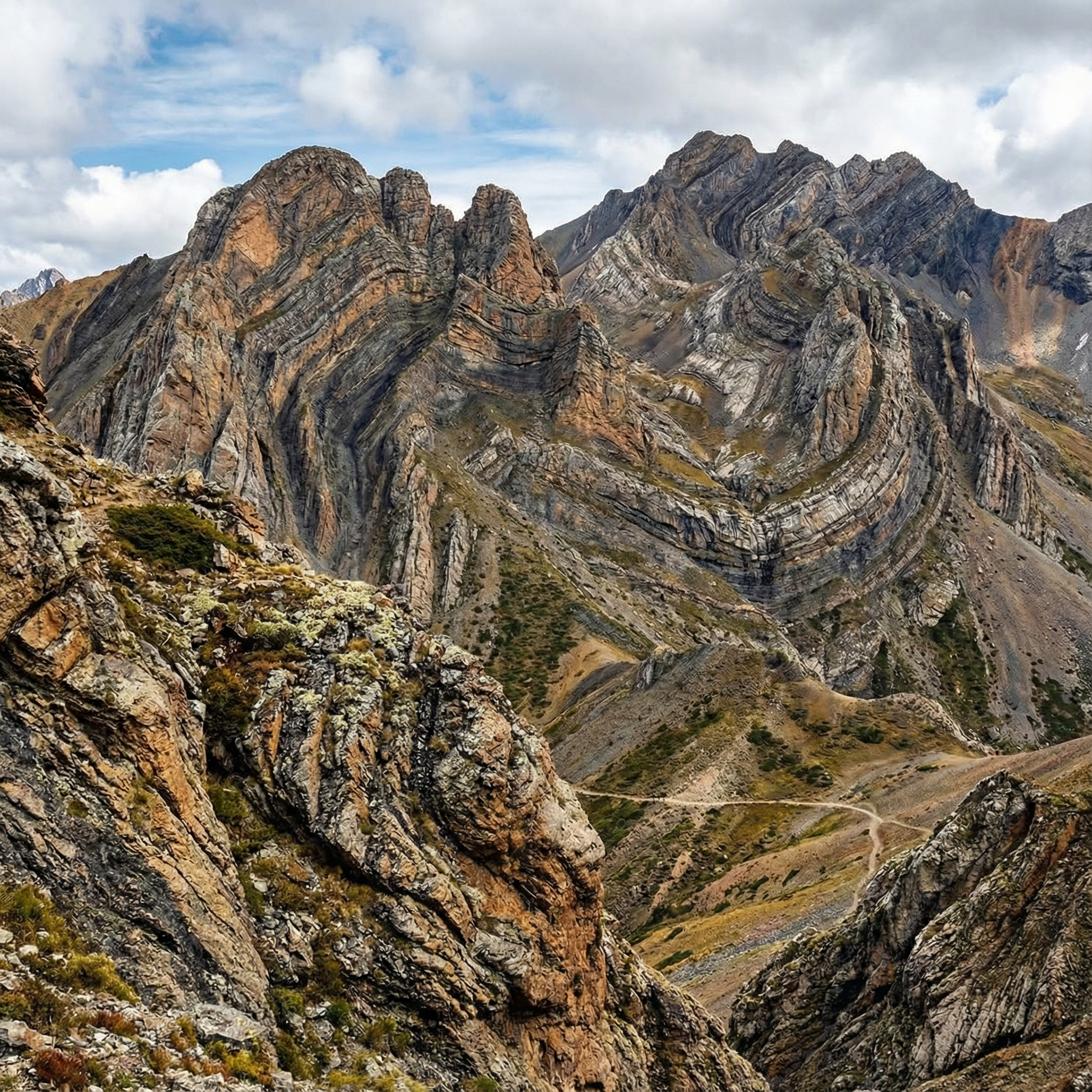
Metamorphic rocks form when existing rocks are changed by heat and pressure—without fully melting. It’s the Earth equivalent of putting something through a long, intense squeeze until it becomes something else. That’s how limestone becomes marble, and sandstone can become quartzite.
The Alps, Europe
Huge stretches of metamorphic rock exposed through uplift and erosion—mountains as a geology museum.
Death Valley, USA
A harsh landscape with exposed rock history—twists, layers, and tectonic drama on display.
The Taj Mahal, India
A reminder that geology isn’t only outdoors—metamorphic marble has shaped human history too.
4) Recycling and Renewal: Back Toward the Beginning
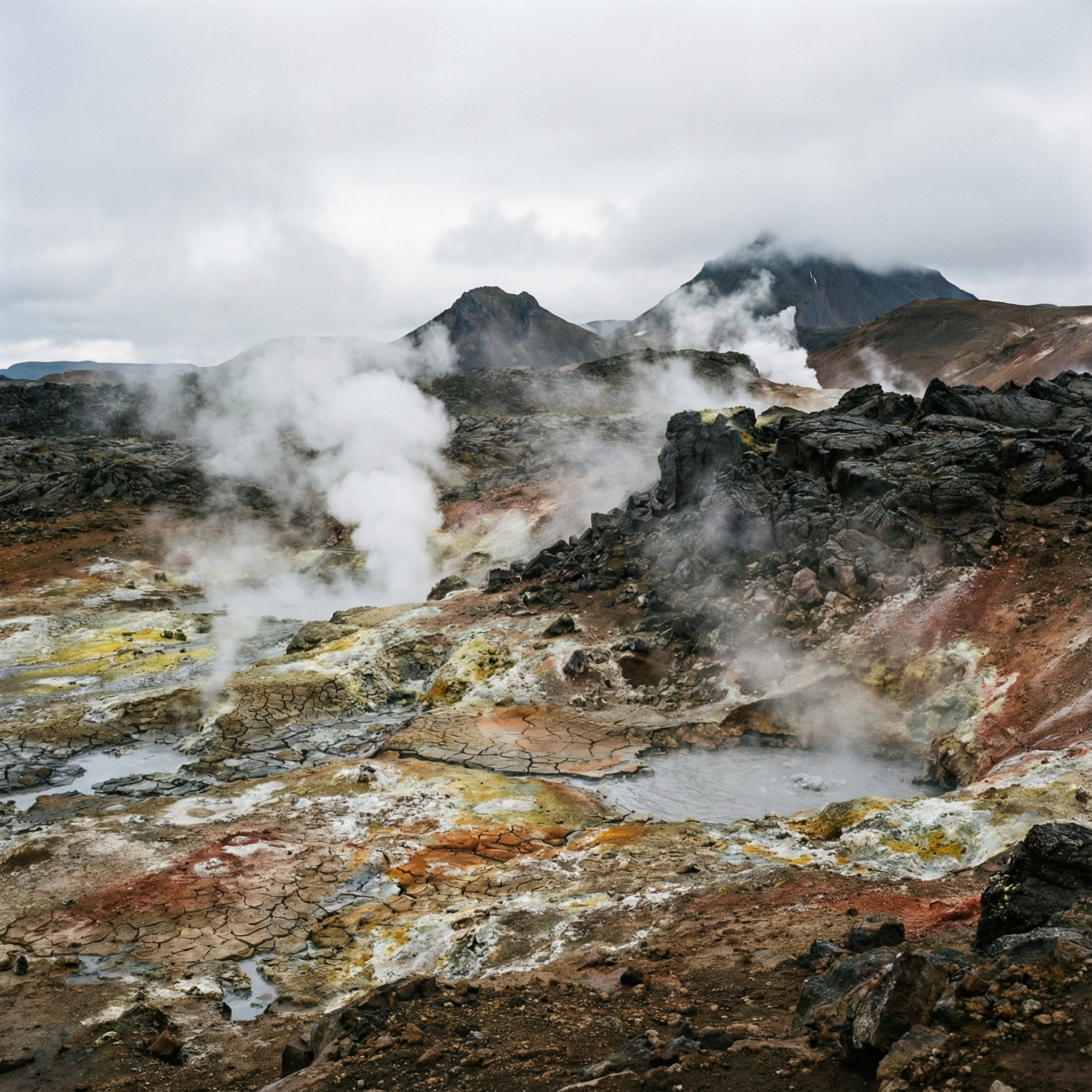
Given enough heat, any rock can melt back into magma—starting the cycle again. That’s the part people forget: the rock cycle isn’t a straight line. It’s a web. Earth keeps reworking its own material.
Yellowstone National Park, USA
Geothermal activity on the surface hints at the immense heat and movement below.
Sakurajima, Japan
A place where volcanic activity is frequent enough that “the cycle” feels very current.
Mount St. Helens, USA
A living example of destruction and renewal—and how landscapes rebuild over time.
Why Seeing Geology in Person Changes the Way You Learn
The rock cycle is one of those topics that seems abstract until you stand in front of it. Then it becomes obvious. You can literally trace time with your eyes—count layers, spot transitions, and notice how landscapes get carved and reworked.
It’s also why we love pairing learning with travel. The same way ancient routes teach history with your feet, rock formations teach Earth’s story with your senses. If you’re into that kind of travel—where the destination has meaning—this internal guide fits nicely: Ancient Trails Travel Guide: walking the path of explorers .
Final Thoughts: Rocks Are More Than Just… Rocks
Before this research, Kailyn knew rocks were cool. She just didn’t realize they were “alive” in their own way—constantly changing, constantly moving through different forms, constantly being recycled on a timeline that makes human schedules look hilarious.
So next time you pick up a rock, try the fun question: what’s its backstory? Was it once lava? A seabed? Crushed under mountains? Earth’s story is written in stone—you just need a good place to read it.
Quick question for readers
What’s the coolest rock formation you’ve ever seen in person?


Leave a Reply