

Last Updated on July 4, 2026 by Jeremy
Imagine standing beneath a vast, starry sky, watching ribbons of green, purple and red light move and twist across the horizon. The Northern Lights, or Aurora Borealis, are one of nature’s most striking spectacles, drawing travellers from around the world in search of a single unforgettable moment.
In this guide, you will discover:
- The science behind the Northern Lights and what causes them to appear.
- The best destinations to witness the aurora, including classic and emerging locations.
- Practical tips for planning your trip and capturing the experience on camera.
If you are ready to witness this celestial show for yourself, use this guide as a starting point to choose where, when and how to plan your Northern Lights journey.
The Science Behind the Northern Lights

The Northern Lights form when charged particles from the sun collide with gases in Earth’s atmosphere. These particles are carried on the solar wind and drawn toward the magnetic poles, where they interact with oxygen and nitrogen to create glowing colours that move across the night sky.
Colour variations
- Green and yellow: Produced by oxygen molecules at lower altitudes.
- Red and deep crimson: Created by oxygen at very high altitudes during strong solar activity.
- Purple and violet: Formed when energetic particles collide with nitrogen.
- Blue tones: Rare, but visible during intense geomagnetic storms.
Best viewing conditions
- Peak season: Late August through April, when nights are longest and darkest.
- Best regions: High-latitude areas near the magnetic North Pole.
- Ideal weather: Cold, clear nights far from artificial light sources.
With the fundamentals covered, here are the top destinations around the world where you can witness this remarkable natural display.
Top 5 Places to See the Northern Lights (2025 Edition)
1. Yellowknife, Northwest Territories – Canada’s Aurora Capital
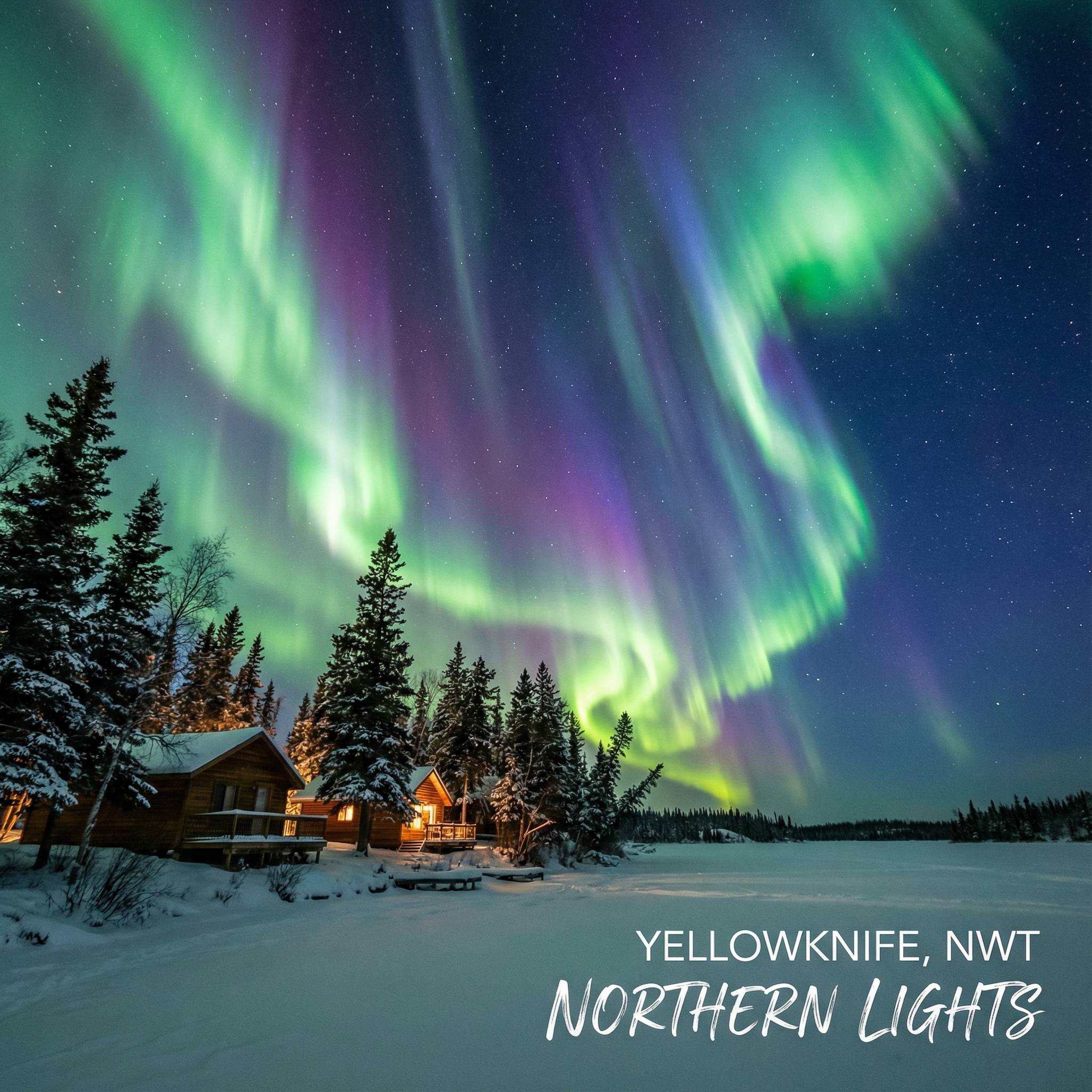
Yellowknife sits directly beneath the auroral oval, the magnetic ring encircling the Arctic where Northern Lights activity is strongest. With long, cold winter nights and virtually no light pollution, the region delivers some of the clearest and most dramatic aurora displays in the world.
Why go?
- Located under the auroral oval for high-frequency and high-intensity aurora displays.
- Dry winter air and clear skies offer exceptional visibility.
- Local tours, warm-up cabins, and Indigenous cultural experiences make it a complete northern adventure.
Best time to visit: Late August through April.
Photography tip: Head out onto frozen Great Slave Lake in mid-winter. The smooth ice creates reflective surfaces that double the effect of the aurora, producing rare mirror-style photographs.
Yellowknife Winter 5 Days, 4 Nights: Aurora and Day Activities
2. Kentucky-Alleyne Provincial Park, British Columbia – A Hidden Gem for Aurora Hunters
Kentucky-Alleyne Provincial Park has become a rising hotspot for aurora seekers travelling from Vancouver and the surrounding region. With minimal light pollution and two crystal-clear lakes creating perfect reflection opportunities, the park has delivered some of the most surprising Northern Lights displays in recent years.
Why go?
- A remote, low-light environment ideal for Northern Lights viewing.
- Visitors captured remarkable aurora footage in 2024 while we were operating the park.
- Wide-open skies and lakefront views make it a photographer’s dream.
Watch a real Northern Lights sighting from Kentucky-Alleyne Park:
Best time to visit: September through March.
Where to stay: Book a campsite within Kentucky-Alleyne Provincial Park, or choose accommodations in nearby towns:
- Kamloops
- Merritt
- Kelowna
3. Churchill, Manitoba – Where the Northern Lights Meet Polar Bears
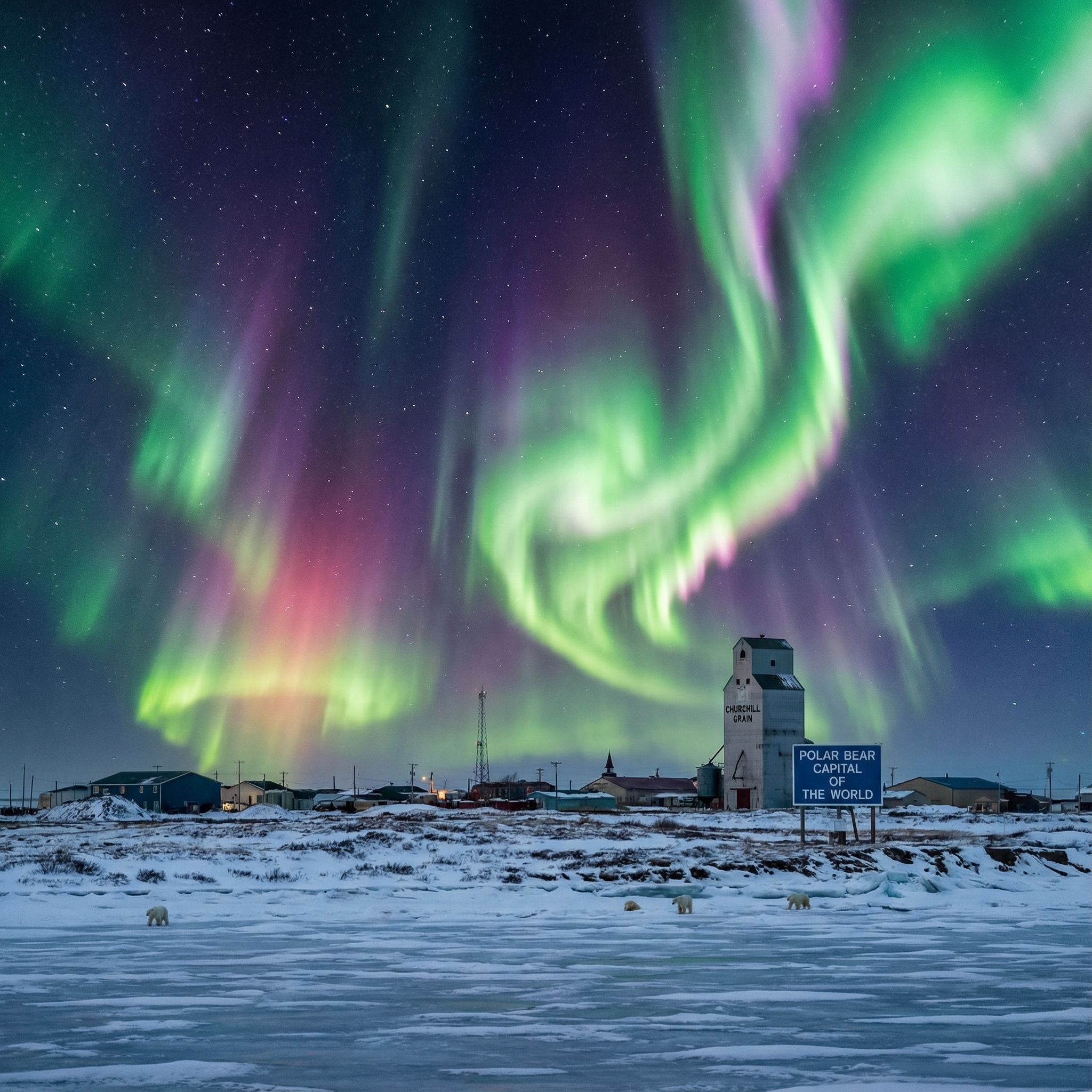
Churchill is one of the few places on Earth where you can witness two natural wonders in one trip. Located directly beneath the auroral oval, it offers some of Canada’s most consistent Northern Lights displays. At the same time, the region is world-famous for polar bear migration, giving travellers the chance to pair aurora viewing with unforgettable Arctic wildlife encounters.
Why go?
- Positioned under the auroral oval for extremely reliable aurora sightings.
- One of the only locations where Northern Lights viewing overlaps with polar bear watching.
- Specialized tundra vehicles allow safe access to Arctic landscapes and wildlife.
Best time to visit: November through March.
Photography tip: Join a guided tundra vehicle tour to capture auroras stretching over the snow-covered tundra, with wildlife opportunities throughout the journey.
Book a Northern Lights & Winter Wildlife Tour in Churchill
4. Tromsø, Norway – The Aurora Adventure Hub
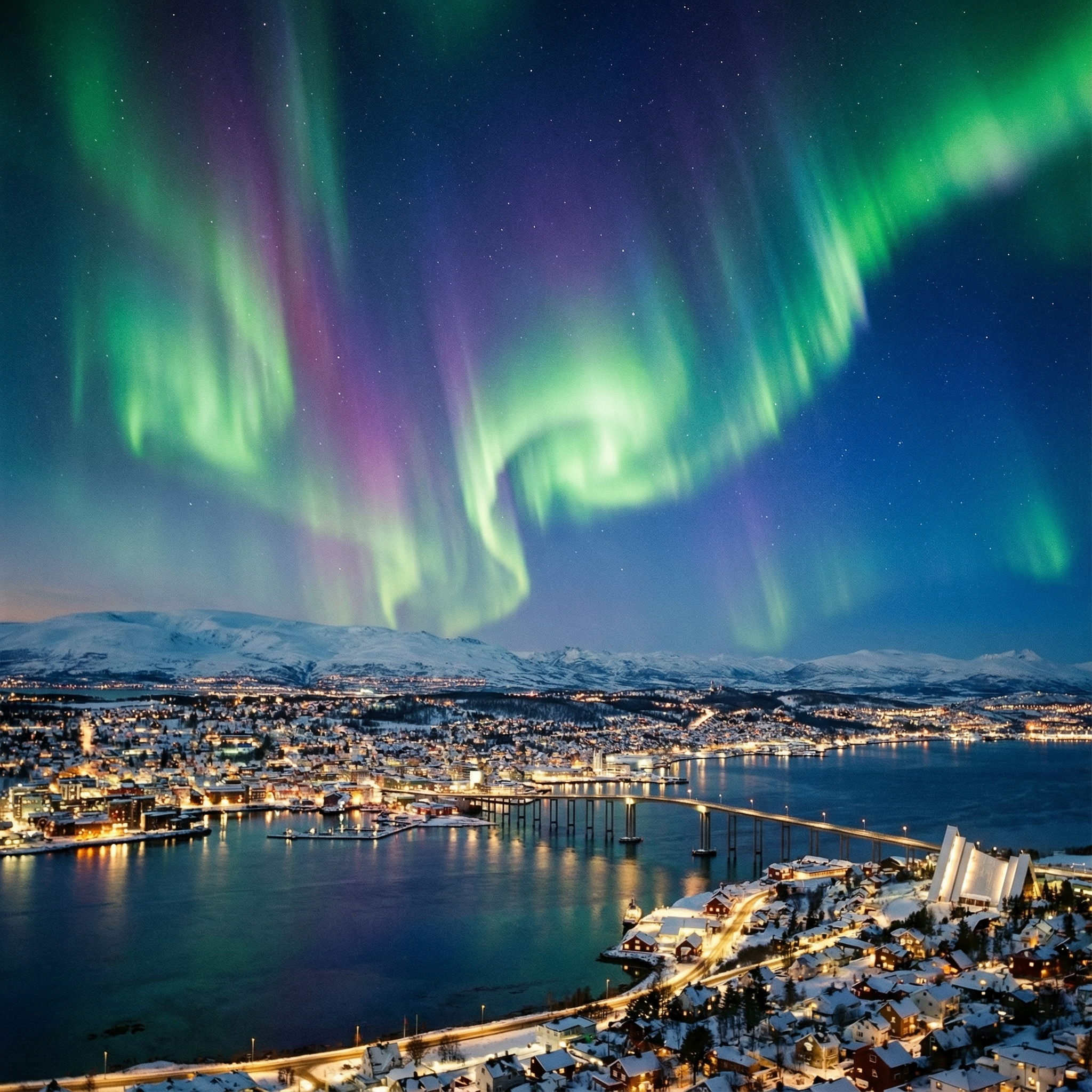
Tromsø is one of Europe’s most sought-after Northern Lights destinations, offering both high aurora activity and a wide range of Arctic adventures. Its coastal location inside the auroral oval makes it an ideal base for travellers looking to pair aurora hunting with immersive cultural and outdoor experiences.
Why go?
- Consistently strong aurora activity throughout the winter season.
- Unique Arctic activities such as reindeer sledding, fjord cruises and snowmobile safaris.
- Plenty of guided tours designed specifically for Northern Lights photography.
Best time to visit: September through March.
Where to stay: Choose from glass igloos, Arctic lodges or waterfront cabins with direct aurora views.
Tromsø: Northern Lights Adventure with Free Photos (Booking.com)
5. Lapland, Finland – Sleep Under the Aurora in a Glass Igloo
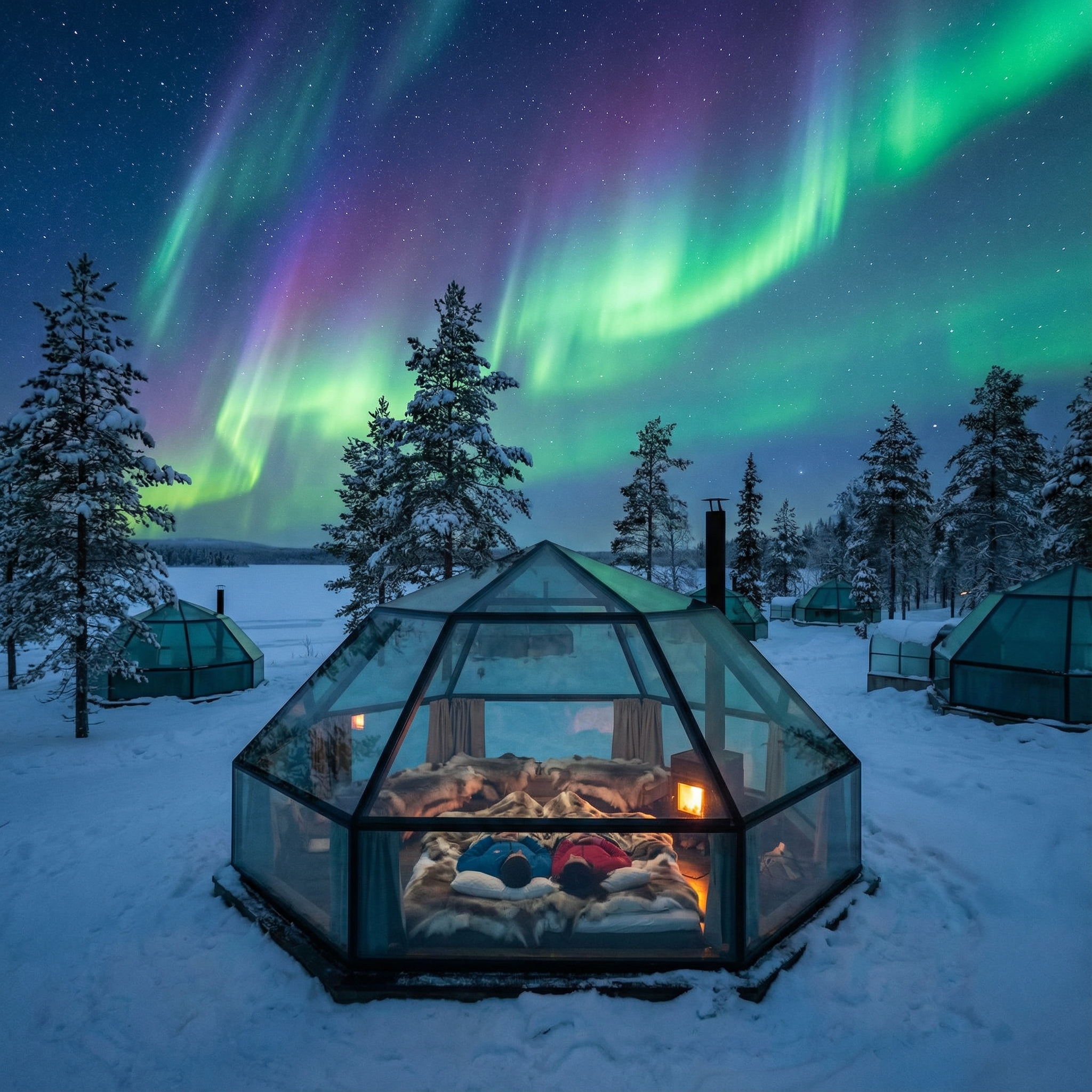
Lapland offers one of the most magical Northern Lights experiences anywhere in the world. With its remote Arctic landscapes, minimal light pollution and world-famous glass-roofed igloos, this region allows you to watch the aurora directly from your bed while surrounded by pristine wilderness.
Why go?
- Remote Arctic location provides exceptional clarity and frequent aurora activity.
- Unique accommodation options such as glass igloos and sky-view cabins.
- Experience traditional Finnish winter activities and Indigenous Sámi culture.
Best time to visit: December through March.
Bucket-list experience: Try a Northern Lights sauna session followed by a refreshing ice swim — a Finnish tradition that pairs surprisingly well with aurora viewing.
Chasing the Aurora Borealis: Essential Tips for the Best Experience
Best times to see the Northern Lights:
- Peak season: September through March, when nights are longest and darkest.
- Ideal time of night: Between 10 p.m. and 2 a.m., when geomagnetic activity often peaks.
Track aurora activity in real time:
- Use aurora forecast apps such as My Aurora Forecast & Alerts or SpaceWeatherLive.
- Monitor NOAA’s Space Weather Prediction Center for geomagnetic storm alerts that increase aurora intensity.
How to capture the perfect aurora photo:
- Use a sturdy tripod to keep your camera stable during long exposures.
- Switch to manual mode and start with settings around ISO 1600+.
- Choose a wide-angle lens to capture as much of the night sky as possible.
Book a guided Northern Lights tour:
- Guides know the best locations, viewing conditions and timing for strong aurora activity.
- Most tours include warm shelters, hot drinks and professional photography guidance.
- Browse top-rated aurora-hunting experiences through Viator.
The mystery: can you hear the Northern Lights?
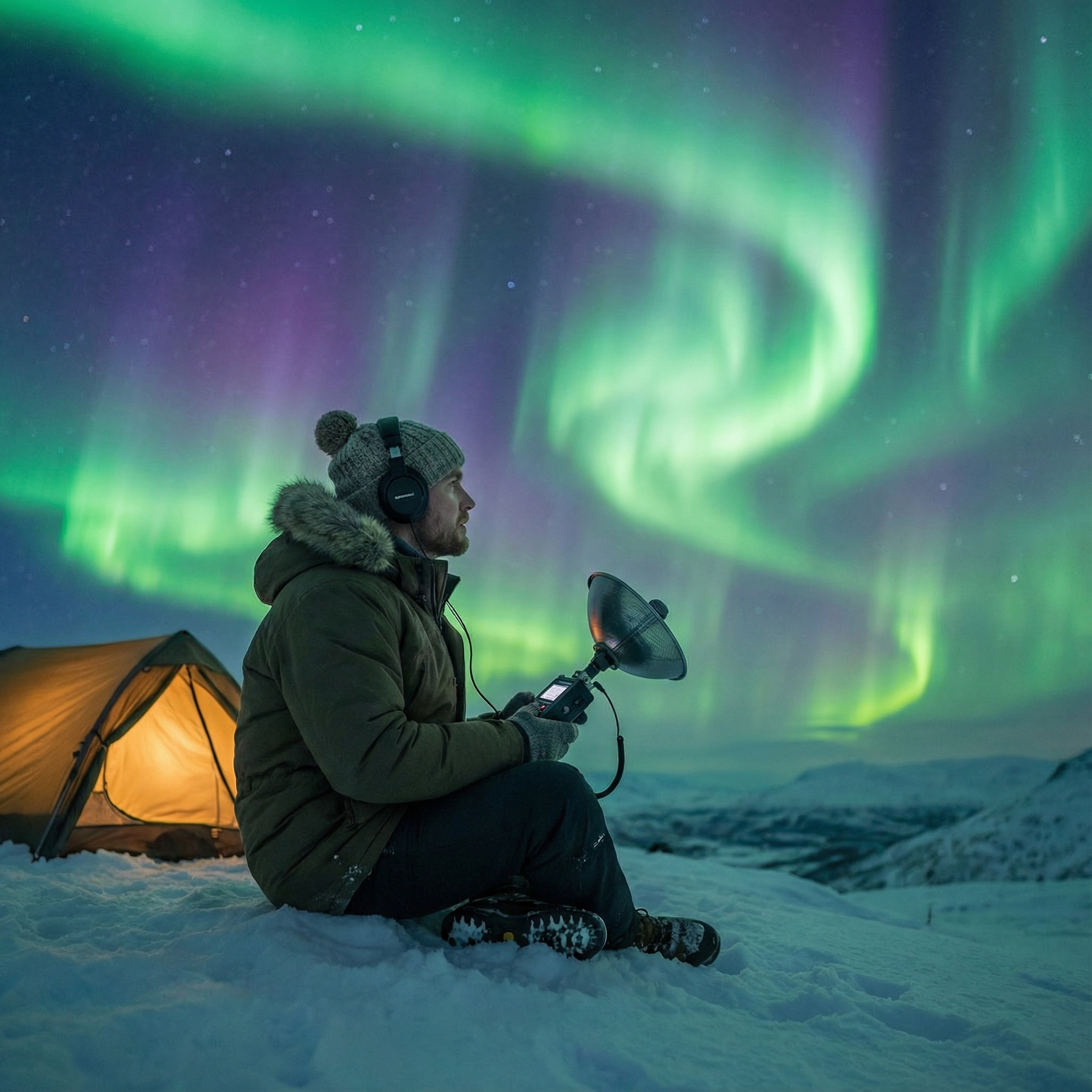
Some aurora chasers report hearing faint crackling, hissing or rustling sounds during intense Northern Lights displays. It is rare and not everyone experiences it, but the stories are consistent enough that researchers have taken notice.
What scientists currently believe
- These “auroral sounds” may be linked to electrical discharges or static build-up in the lower atmosphere rather than the lights themselves high above.
- They appear most often during strong geomagnetic storms and very quiet ground conditions.
- The phenomenon is still being studied, and for now remains one of the more intriguing mysteries associated with the aurora.
The Northern Lights in art and culture
For centuries, the Northern Lights have shaped stories, spiritual beliefs and artistic traditions across the Arctic. Long before scientists understood solar wind and geomagnetic storms, communities living under the auroral oval built their own explanations for the moving lights.
Indigenous perspectives
- Inuit and Sámi traditions often describe the aurora as spirits or ancestors dancing across the sky.
- Auroral colours and patterns appear in beadwork, textiles, carvings and paintings that reflect deep connections to land and sky.
Modern art and photography
- Northern Lights photography has become a dedicated genre, with photographers travelling worldwide to capture unique compositions.
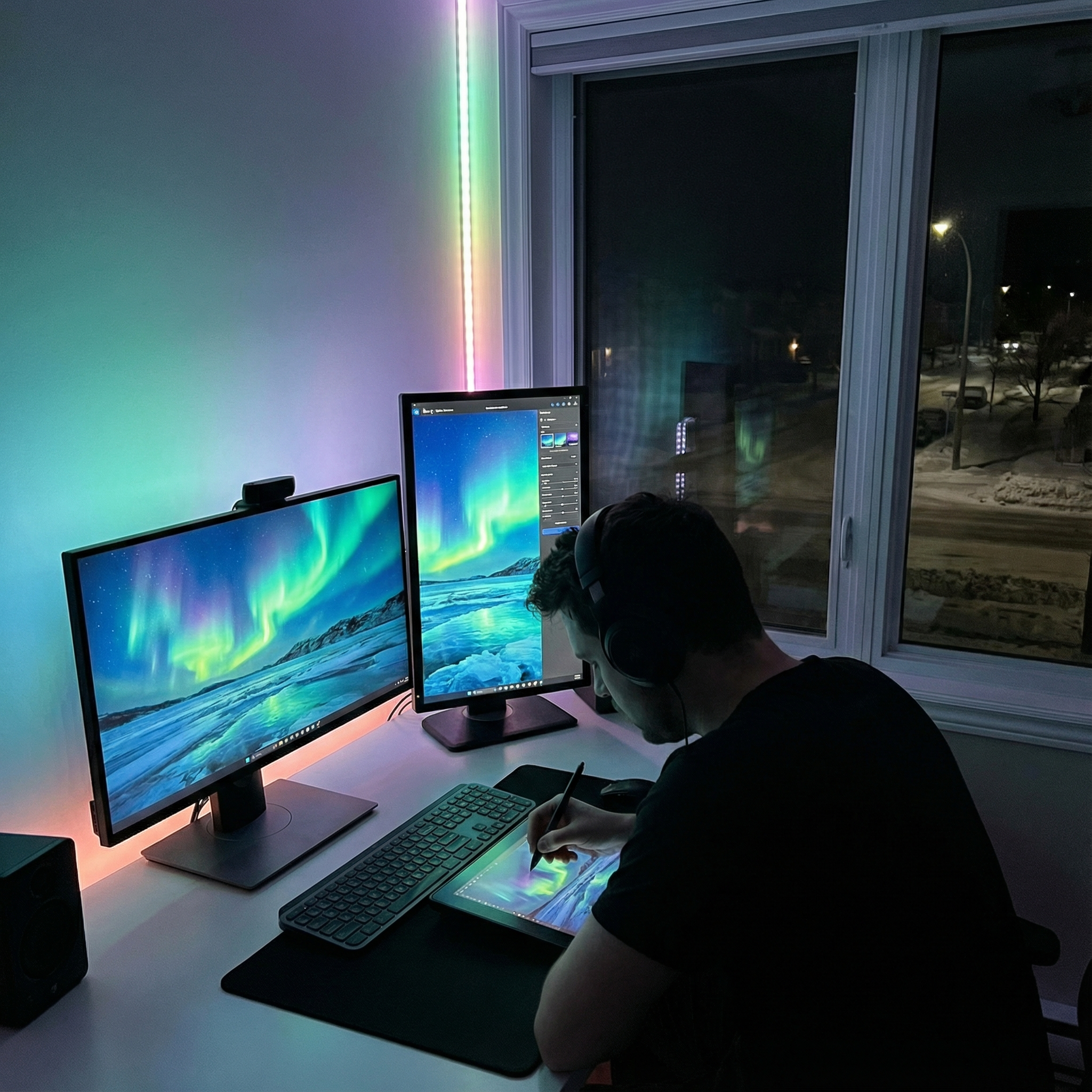
- Digital artists now use advanced tools and AI-assisted workflows to recreate or stylise aurora scenes that push beyond what the camera can see.
Where to see aurora-inspired art
- Yellowknife’s Prince of Wales Northern Heritage Centre in Canada often showcases northern culture, history and aurora-related themes.
- Galleries in Tromsø, Norway highlight Northern Lights photography and Arctic-inspired artwork.
Final thoughts: let the Northern Lights guide your next adventure
If seeing the Northern Lights sits on your bucket list, this is a good time to turn the idea into a concrete plan. Whether you choose the tundra around Churchill, a glass igloo in Finnish Lapland or a lakeside campsite in British Columbia, there is an aurora destination that fits your travel style and comfort level.
Your next steps
- Consider joining a guided Northern Lights tour through reputable operators to maximise your chances of a clear sighting.
- Use tools such as the Earthbound booking resources to compare eco-lodges, cabins and northern stays that prioritise dark skies and low light pollution: Explore booking tools for aurora trips.
- Prepare for cold-weather conditions with quality base layers, insulated outerwear and winter-rated footwear before you go.
Where will you chase the Northern Lights next? Share your plans or your favourite aurora story in the comments and help other travellers choose their own path north.
Frequently asked questions about the Northern Lights
What is the best month to see the Northern Lights?
In most Northern Lights destinations, the best viewing window runs from September through March, when nights are longest and darkest. Exact timing varies by region, so it helps to check local recommendations for peak months.
Can you really hear the Northern Lights?
A small number of observers report faint crackling or hissing sounds during strong aurora events. Scientists think these may be caused by electrical effects in the lower atmosphere rather than the lights themselves, and the phenomenon is still being researched.
Is it safe to travel for Northern Lights viewing in winter?
Yes, as long as you prepare properly. Dress in layers, use winter-rated footwear, follow local weather guidance and, where possible, travel with experienced guides. Many aurora tours include heated shelters, transportation and safety briefings.
What camera settings work best for photographing the aurora?
A good starting point is a wide-angle lens, a sturdy tripod, manual focus set to infinity, an aperture of f/2.8 to f/4, ISO between 1600 and 3200 and exposure times from 5 to 20 seconds depending on aurora brightness and movement.
Do I need to join a guided tour to see the Northern Lights?
You can search for the aurora independently if you are comfortable driving in winter conditions and reading forecasts. However, guided tours are helpful if you prefer expert support, safe access to dark-sky locations and local knowledge on the best viewing spots.


Leave a Reply