
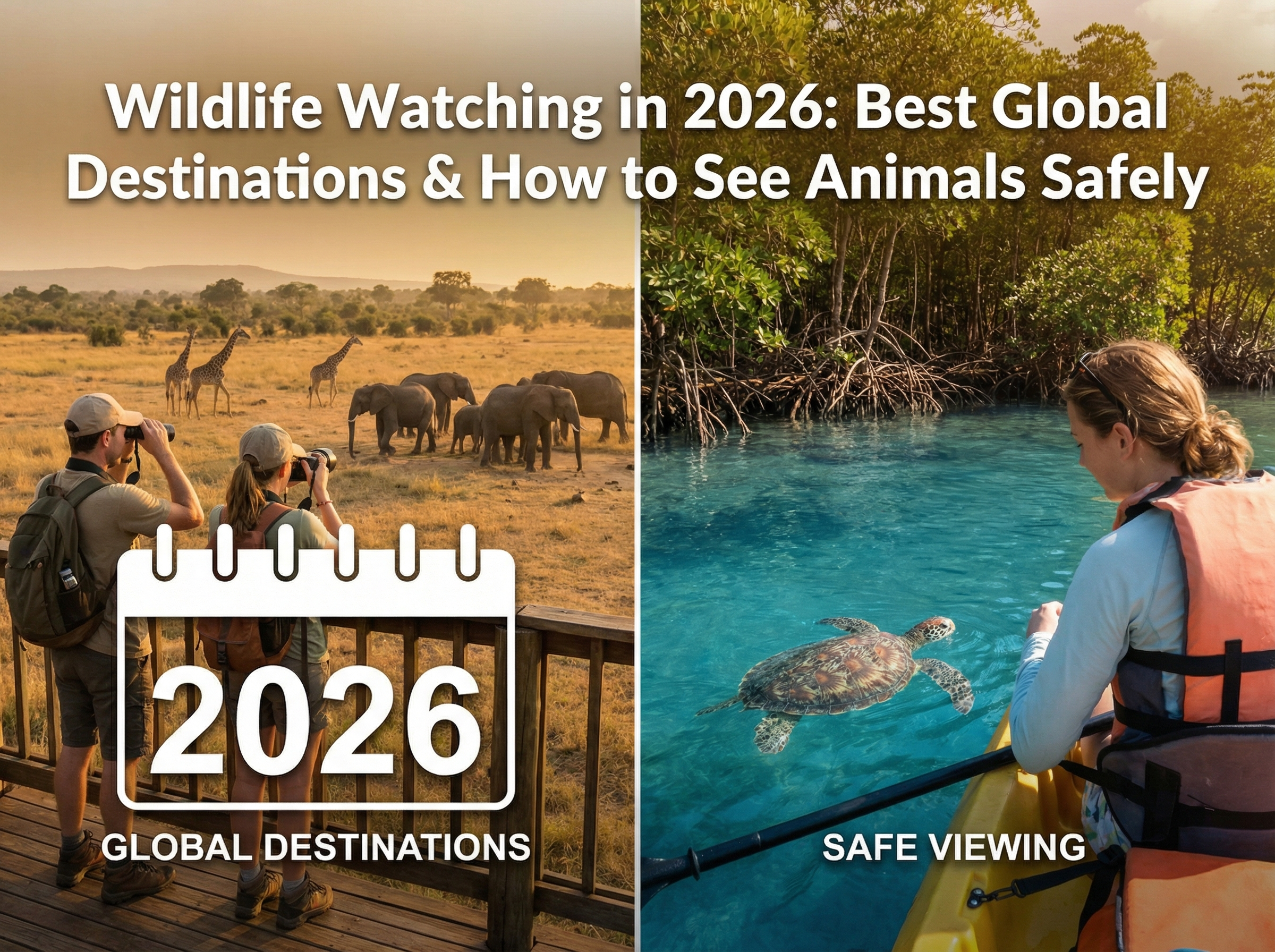
Last Updated on February 19, 2026 by Jeremy
There’s a moment wildlife travelers chase without even realizing it. The animal is doing its own thing, completely unbothered by you, and for a few seconds you’re not “watching wildlife” at all. You’re just present in the same place, at the same time, sharing the same weather and light.
That moment only happens when we stop trying to force the encounter. In 2026, wildlife travel is bigger than ever, but so are the problems that come with it: crowd pressure, rushed itineraries, irresponsible distance, and animals being treated like photo props.
This guide fixes that. You’ll learn how to see wildlife safely and ethically, and how to plan trips around seasonal patterns so you’re not guessing. The goal is simple: better sightings, less stress on animals, and zero “that was a close call” stories.
The Real Problem Travelers Face
Most people don’t get wildlife wrong because they’re careless. They get it wrong because travel culture rewards closeness. The closer the photo, the better the memory, right?
Except that closeness is where everything breaks. Animals change behavior. They abandon feeding zones. They burn energy fleeing. In the worst cases, they become habituated to humans, which often ends badly for the animal later.
So the “problem” isn’t wildlife. It’s the way people are taught to chase it.
Why Most Wildlife Content Gets This Wrong
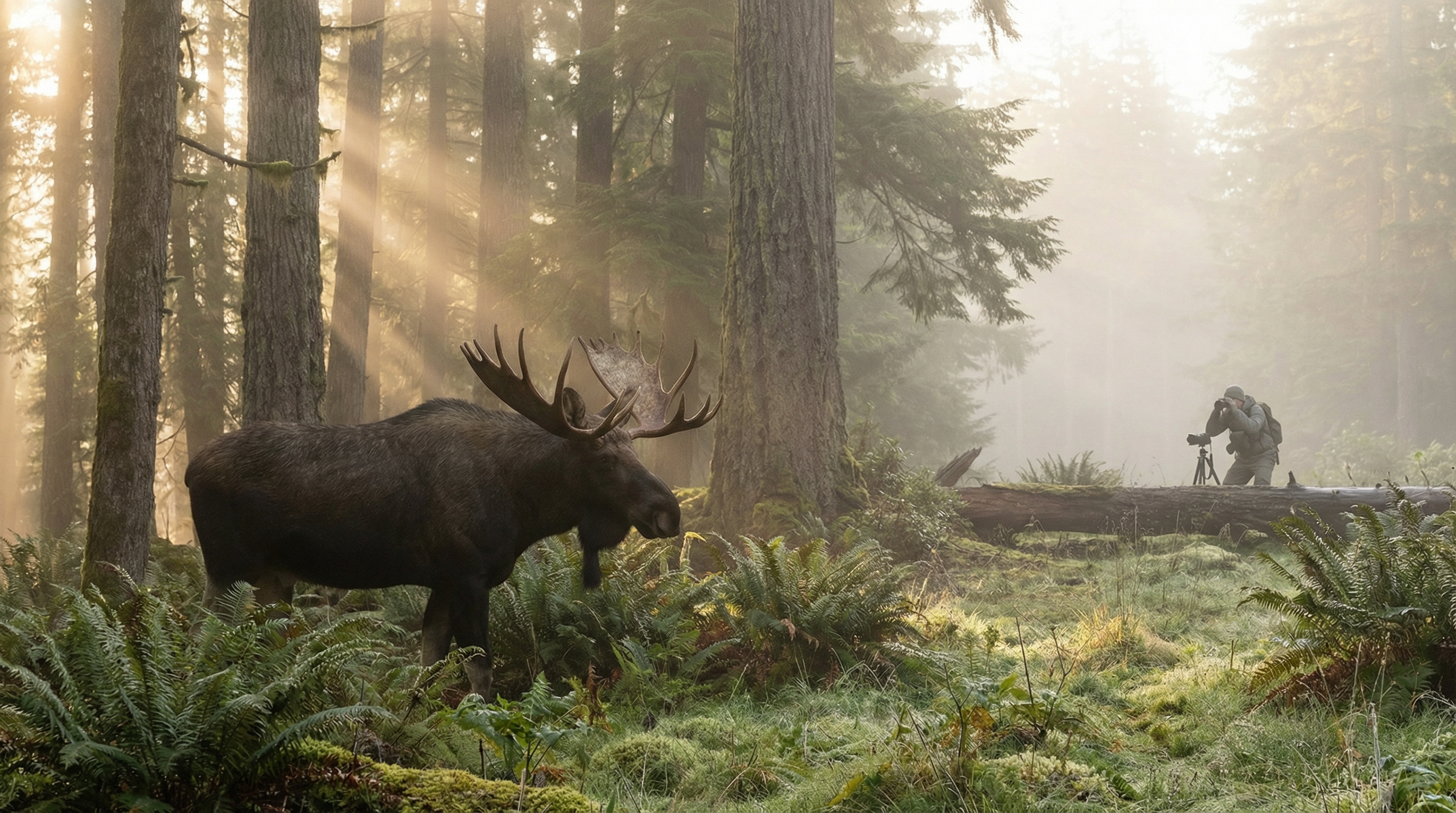
A lot of wildlife travel advice is either too vague (“be respectful”) or too extreme (“never go near anything ever”). Neither helps when you’re standing on a trail and a moose steps out of the brush.
What travelers actually need is practical decision-making:
- How far is far enough?
- What behaviors mean “leave now”?
- When do you choose a guide versus self-exploring?
- What seasons create the best viewing, with the lowest pressure on animals?
When you plan around timing and habitat, you stop forcing encounters. You start letting them happen.
What Actually Works in 2026
1) Distance is the skill
There’s a reason parks repeat distance rules. They work. Not because they’re polite, but because they reduce defensive reactions and keep animals in natural routines.
- Large predators (bears, wolves, big cats): 100 yards / 91 meters minimum
- Large herbivores (moose, elk, bison): 50 yards / 46 meters minimum
- Marine wildlife: follow local regulations (often 100+ meters)
2) Read the “pressure signals”
Animals communicate stress long before they bolt or charge. If you notice any of the following, you’re already too close:
- Repeated head turns or staring directly at you
- Stopping feeding to watch you
- Stomping, bluff movement, or sudden posture shifts
- Moving away in short bursts, then stopping to reassess
3) Use guided access when the environment is sensitive
In high-density wildlife areas, a good guide prevents crowding, avoids nesting zones, and knows the timing windows that minimize impact. You get better sightings, and the animal doesn’t get harassed all day.
Best Global Wildlife Destinations by Season
Seasonality is the difference between “we saw nothing” and “we can’t believe what we just witnessed.” Here are reliable seasonal patterns you can plan around, without turning the trip into a lottery.
Spring: newborn season and migration movement
Spring wildlife is often closer to trails and meadows because food returns fast. It’s also a sensitive season: mothers, calves, and nesting zones mean distance matters more than ever.
Summer: feeding seasons and peak viewing windows
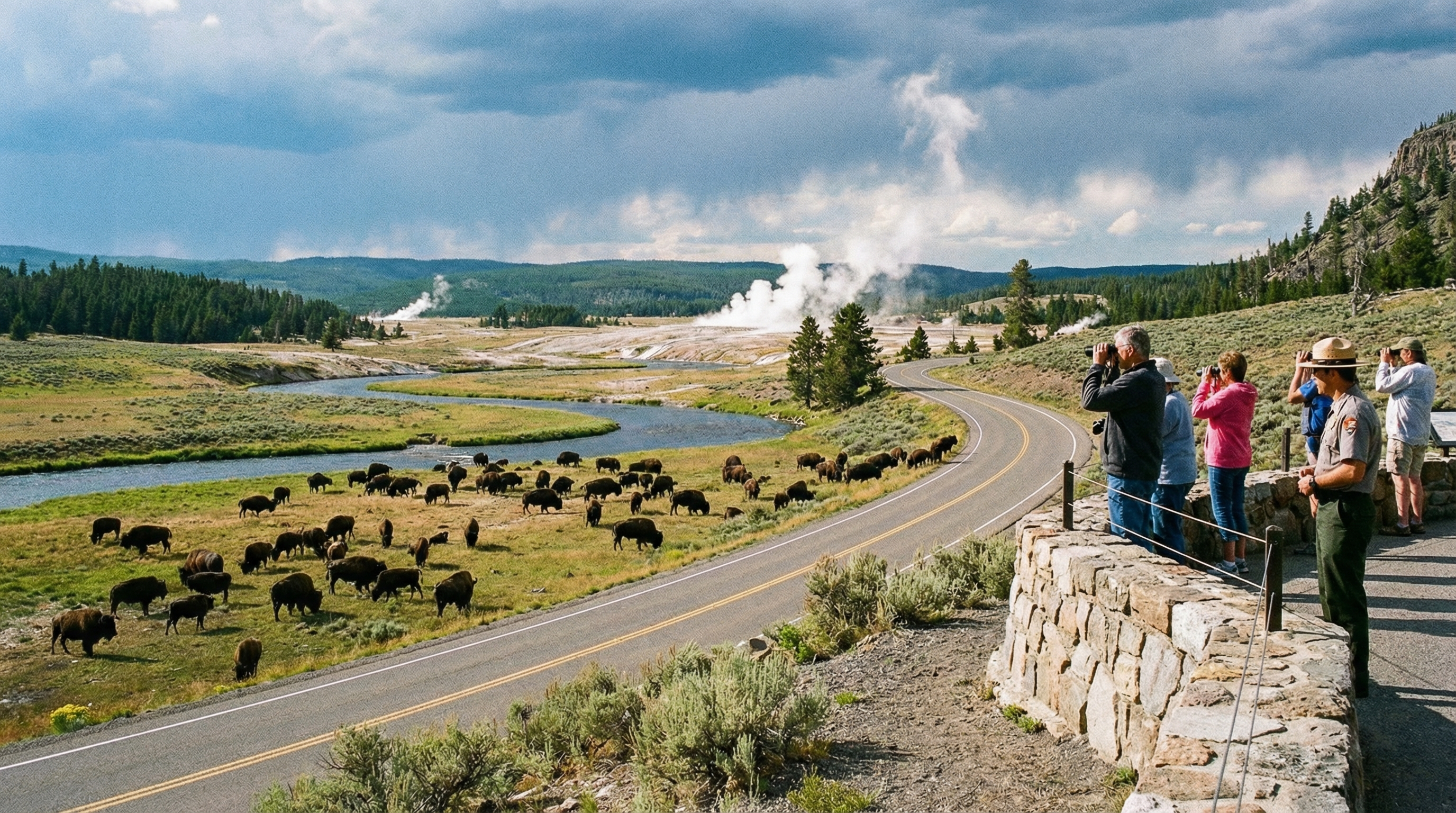
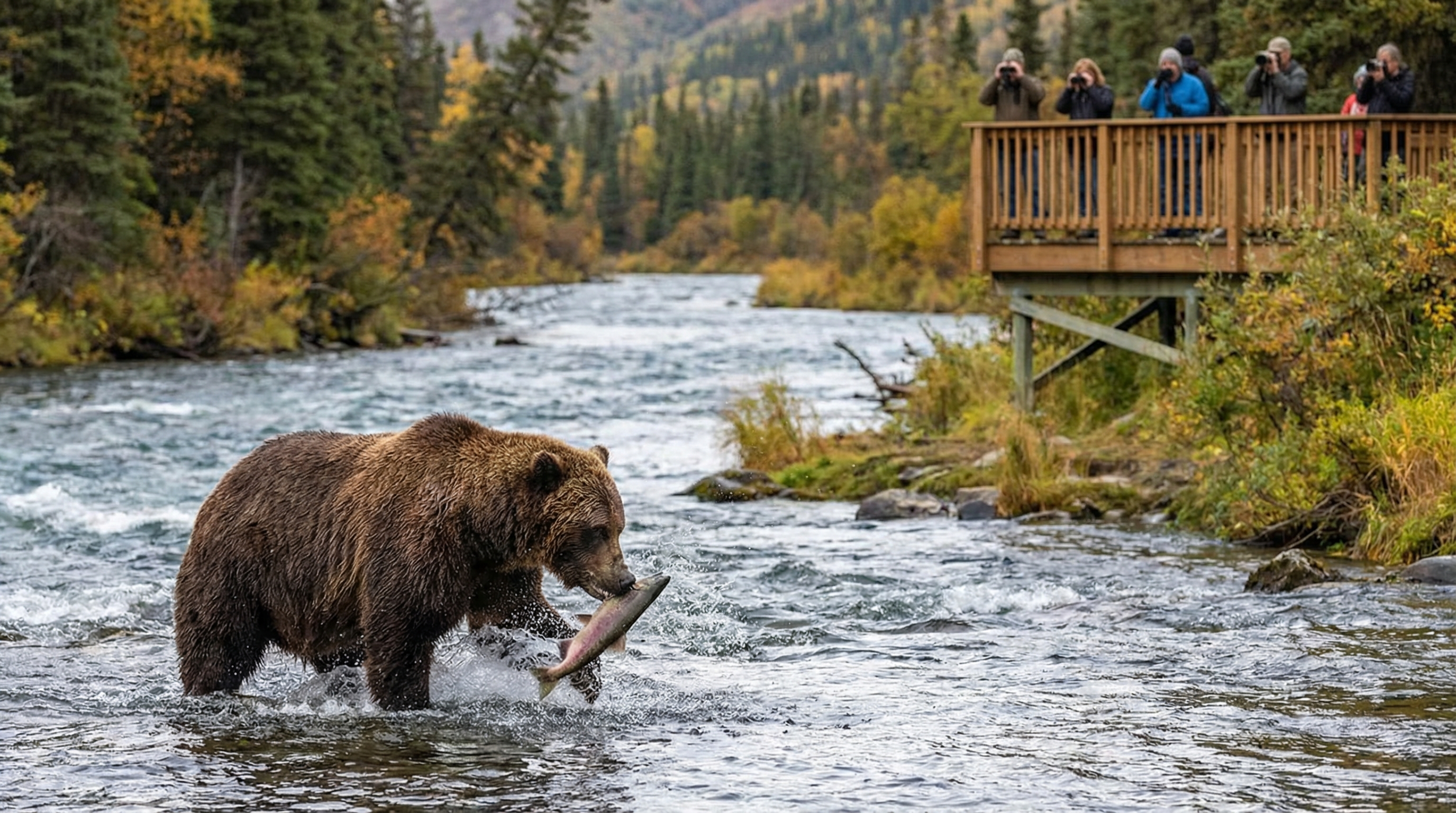
Summer is when many “bucket list” sightings happen. Salmon runs, long daylight, and predictable feeding routines create consistent patterns. The trade-off is crowds, so aim for early mornings and guided routes where possible.
Fall: rut season and dramatic behavior
Fall brings rutting season for elk and deer in many regions. It’s one of the most powerful wildlife experiences you can plan, but it comes with a rule: give animals even more space than usual. Their tolerance for pressure drops fast.
Winter: contrast landscapes and clean tracking conditions
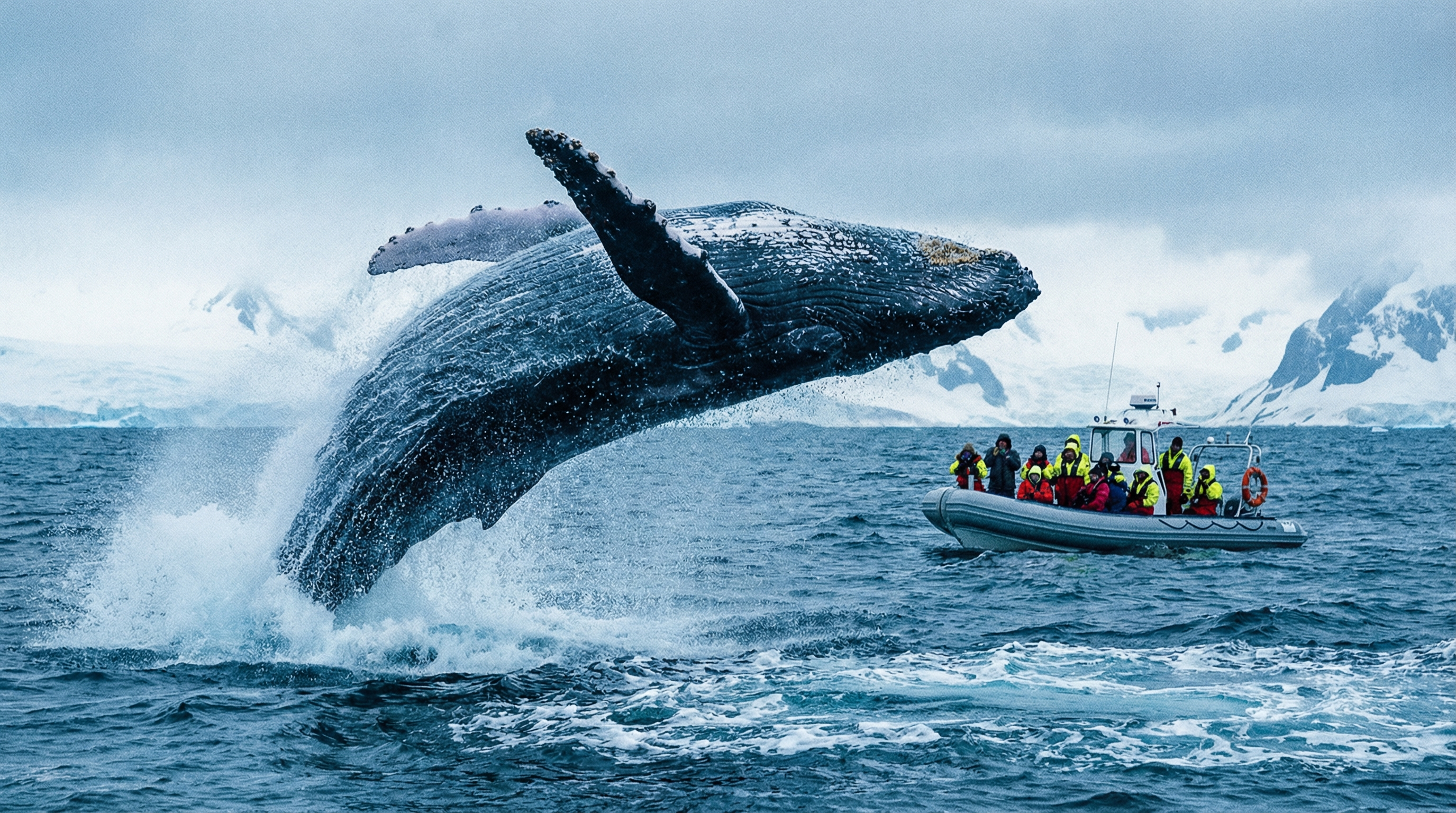
Winter simplifies everything. Snow reveals tracks, wildlife stands out visually, and fewer tourists means less pressure. It’s ideal for wolf viewing regions, northern migrations, and certain whale seasons depending on coastline.
Tropical year-round: biodiversity without a single “best month”
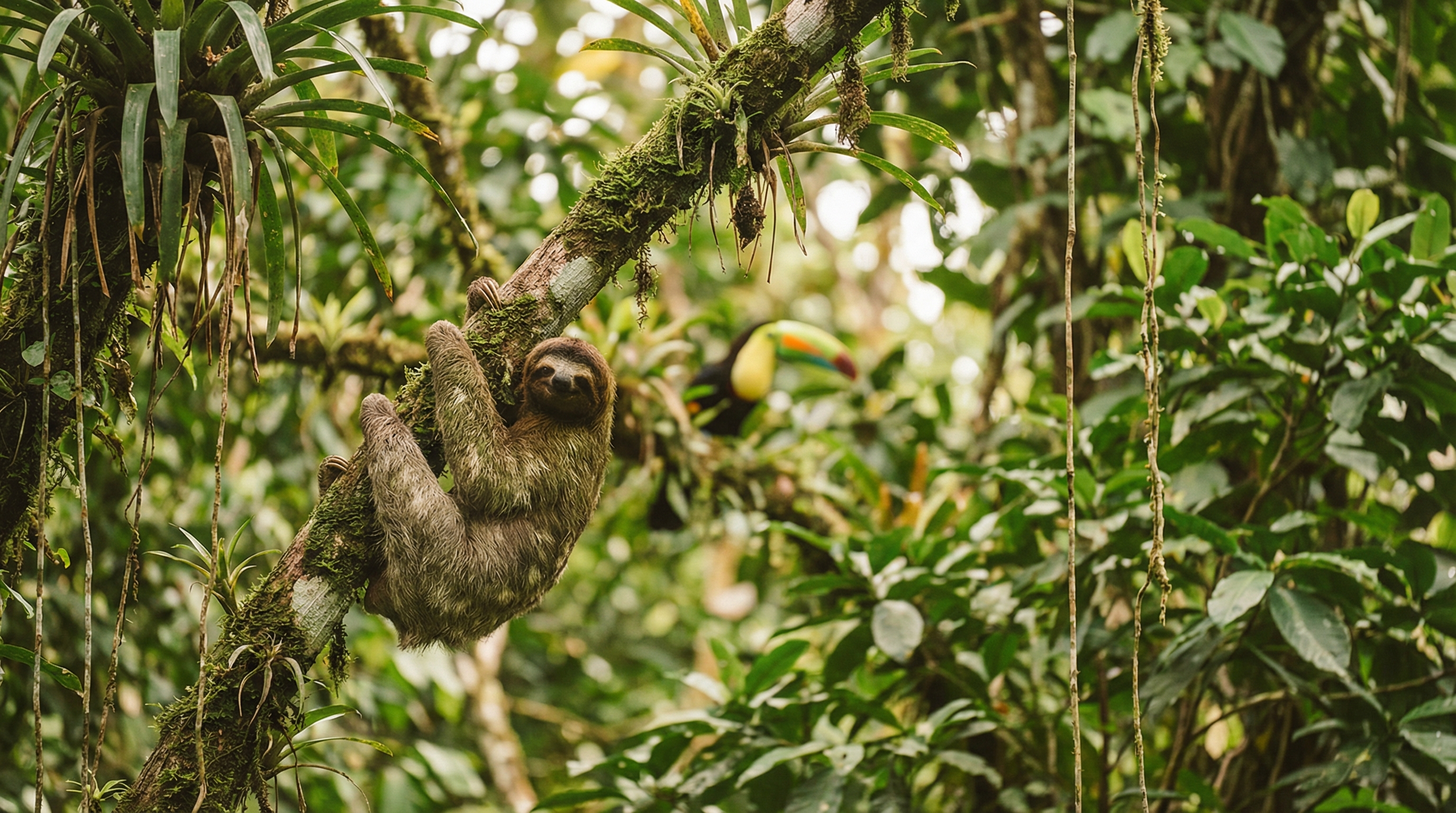
Places like Costa Rica can deliver wildlife in any season, but conditions change: rain shifts trail access, river levels affect boat routes, and certain species become easier to spot depending on fruiting cycles and canopy activity.
Guided Wildlife Experiences
If you want higher odds with lower impact, guided wildlife experiences are the most consistent route. The best operators plan around animal patterns, not tourist convenience. That means you arrive when activity is naturally high, and you leave before pressure builds.
Use the results below to browse wildlife tours by region, season, and travel style.
Where to Stay for Ethical Wildlife Travel
Where you stay affects what you see. Park-adjacent lodges and eco-stays often give you early access, quieter entry points, and less travel time at dawn and dusk when wildlife activity peaks.
If you’re planning a wildlife-heavy trip, choose a base that reduces daily driving. Fewer road miles usually means more time in habitat and fewer rushed encounters.
Remote Access and Responsible Transport
Some wildlife regions are remote by design: savannas, tundra edges, rainforest corridors, mountain valleys. If your plan includes off-the-beaten-path viewing, transport becomes part of safety and part of conservation.
The goal is not “get anywhere at any cost.” It’s to travel legally, avoid fragile terrain, and reduce disruption. If you need a vehicle for a remote region, use reputable options suited to that environment.
Build a Wildlife Trip That Respects Nature
Choose the season, plan the base, and use guided access where it protects habitat and improves sightings. Start with our planning tools and curated travel pathways.
Frequently Asked Questions
What’s the safest way to view wildlife while traveling?
Keep regulated distance, avoid blocking movement, and leave immediately if the animal shows stress signals like staring, repeated head turns, or stopping feeding to watch you.
Are guided wildlife tours worth it?
Yes when they’re ethical and licensed. Guides improve timing and access, reduce pressure on animals, and increase your chances of seeing natural behavior without crowding.
What season is best for wildlife watching?
It depends on species. Spring is calving and migration, summer is feeding routines, fall brings rut behavior, and winter offers visual contrast and quieter parks.
How far in advance should I book wildlife tours for 2026?
For peak safari and bear-viewing windows, book 4–8 months ahead. For national park guides and whale watching, 1–4 months is often enough depending on the region.
What should I do if I accidentally end up too close?
Stop, stay calm, create distance slowly, and never run. Back away while giving the animal a clear escape route. If you’re in predator territory, follow local safety guidance for that region.



Leave a Reply