
Last Updated on August 29, 2026 by Jeremy
Bioluminescence is one of those travel experiences people save, share, and talk about for months, then quietly realize they have no idea how to see it in real life. The videos look incredible, but the practical questions hit fast: Where does it actually happen? When is it visible? Do you need a tour, a boat, or just good timing?
This guide is built for that exact gap. Instead of turning glowing bays, caves, and shorelines into pure internet fantasy, we’re looking at the best places in the world to see bioluminescence, when they work best, and how to plan a trip that gives you a real shot at seeing the glow instead of just talking about it later.
Quick Answer: The best bioluminescence experiences usually depend on three things lining up: the right season, the right darkness, and the right access point. Some are easiest through guided tours, while others work better when you pair the right stay with the right moon phase and a little patience.
Moonless nights, low light pollution, and good local timing usually matter more than people expect.
The Traveler Problem With Bioluminescence Trips
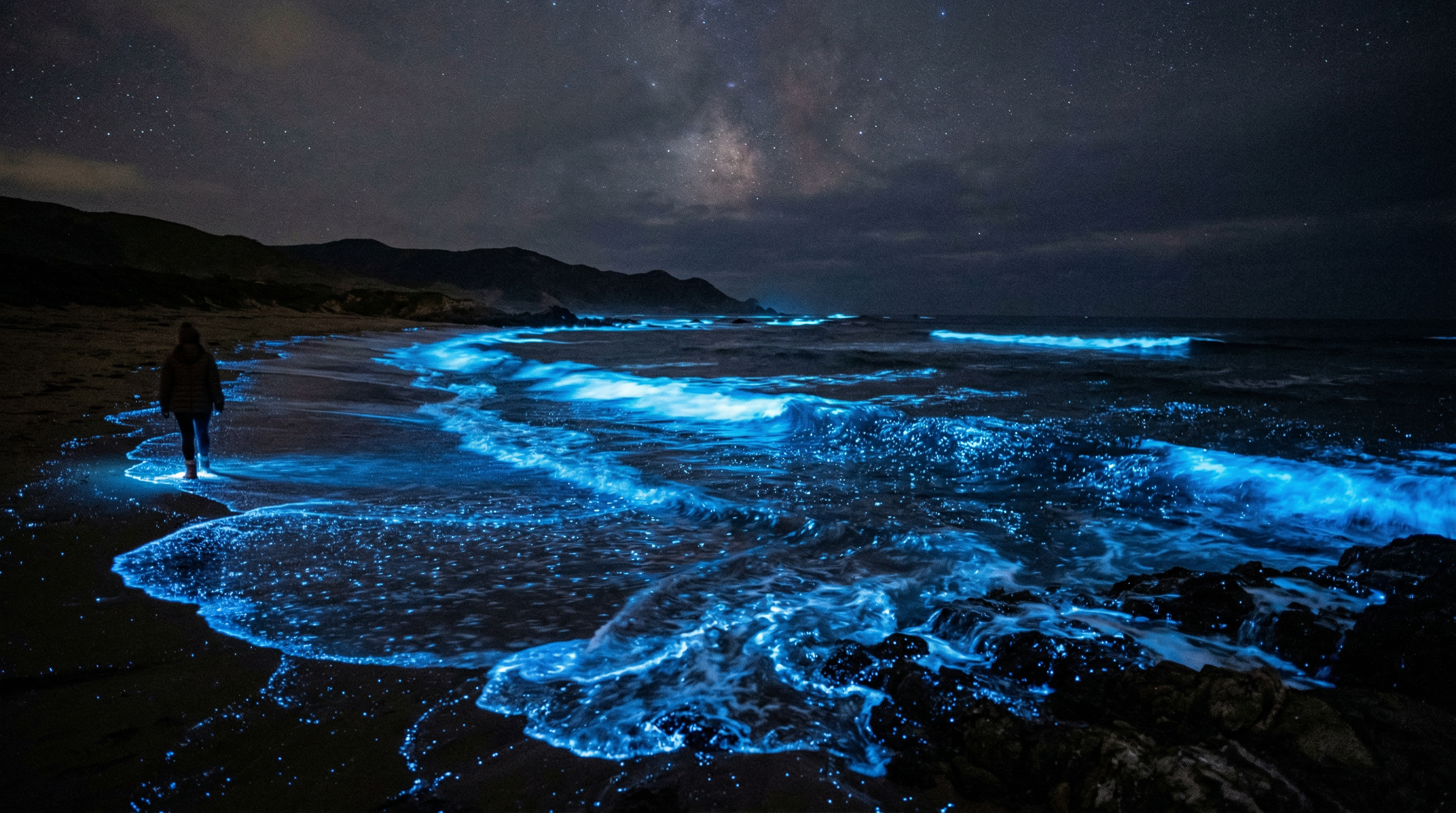
Most travelers do not miss bioluminescence because it is too rare. They miss it because they build the trip backward. They book the hotel first, assume the glow is visible every night, arrive under a bright moon, and then wonder why the “electric blue water” looks more like regular dark water with a side of disappointment.
That is why this kind of article needs to do more than inspire. It needs to help you match destination, timing, and access before you start spending money in the wrong order.
Moonless nights matterGuided access helpsSeasonal windows countDark skies winBase location matters
Why Most Bioluminescence Content Falls Flat
A lot of roundups tell you where glowing water, caves, or squid exist, then stop right there. What they leave out is the part that actually makes the trip work: whether it is best seen by kayak, boat, cave tour, or shoreline walk, whether it is seasonal or year-round, and whether you should book the experience before the stay or the stay before the experience.
That is the gap this page fixes. The real point is not “look at this magical place.” The real point is how to actually see bioluminescence without guessing your way into the wrong night.
What Makes a Bioluminescence Trip Actually Work
- Darkness matters. Moonless or lower-moonlight nights usually give you the best chance to see the glow clearly.
- Water movement or disturbance matters. In glowing bays, kayak paddles, fish movement, or wave action often trigger the effect.
- Seasonal timing matters. Some experiences are year-round, while others are tied to very specific migration or bloom windows.
- Access matters. Some of the best locations are protected or best experienced with a guide who knows the timing and entry rules.
Best Places in the World to See Bioluminescence
Mosquito Bay, Puerto Rico
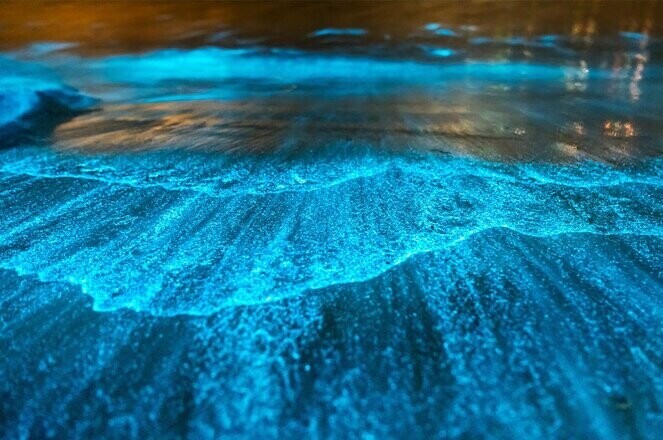
Why it works: This is one of the most famous bioluminescent bays in the world for a reason. The water here can produce striking blue trails when disturbed, which makes kayaking one of the most memorable ways to experience it.
Best timing: It is visitable year-round, but darker nights usually produce the strongest effect. This is a classic case where moon phase matters more than people think.
Planning angle: If you want this experience to actually deliver, book the tour around the darkest part of your trip, then choose your stay based on easy access to the departure point rather than generic island convenience.
Toyama Bay, Japan
Why it works: Toyama Bay is known for the firefly squid, a seasonal natural display that turns the waterline into something that barely looks real. It is a very different style of bioluminescence experience from glowing bays, and that is part of the appeal.
Best timing: Spring is the key window, especially when the squid rise in visible numbers. This is the kind of experience where showing up in the wrong month changes everything.
Planning angle: Treat this as a timing-first trip. If the squid are the priority, build the route around the seasonal window first, then layer rail, hotel, and day trip logistics after.
Blue Grotto, Malta
Why it works: Malta already has that dramatic coastal look travelers want, and the Blue Grotto adds the kind of cave-and-water atmosphere that feels made for a glowing night experience. This is a strong option if you want bioluminescent-style travel wrapped into a broader island itinerary.
Best timing: Warmer months tend to fit better for boat access and coastal conditions. Shoulder season can also help if you want less crowd pressure around the rest of the trip.
Planning angle: This is the kind of destination where day sightseeing and night-water experiences can work well together, so your hotel location matters more than most people realize.
Waitomo Glowworm Caves, New Zealand
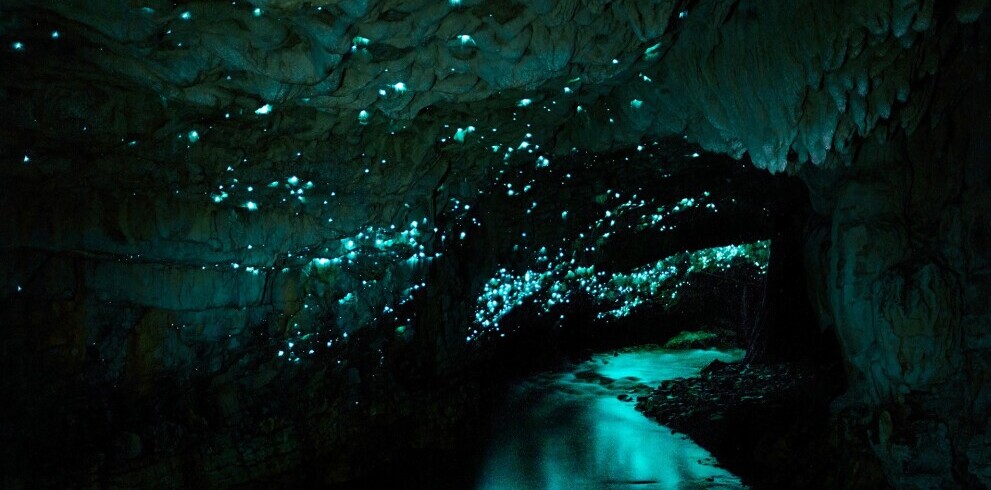
Why it works: Waitomo is one of the most iconic glow-based experiences in the world. Instead of glowing water, you get cave ceilings lit by thousands of glowworms, which creates a quieter and more atmospheric kind of bioluminescence trip.
Best timing: This is one of the easier experiences to plan because it is not boxed into a tiny seasonal window the way some marine events are.
Planning angle: This works especially well as part of a North Island road route. The smoother move is to treat the cave experience as a timed anchor, then choose your overnight base around that schedule.
Maldives Glowing Beaches
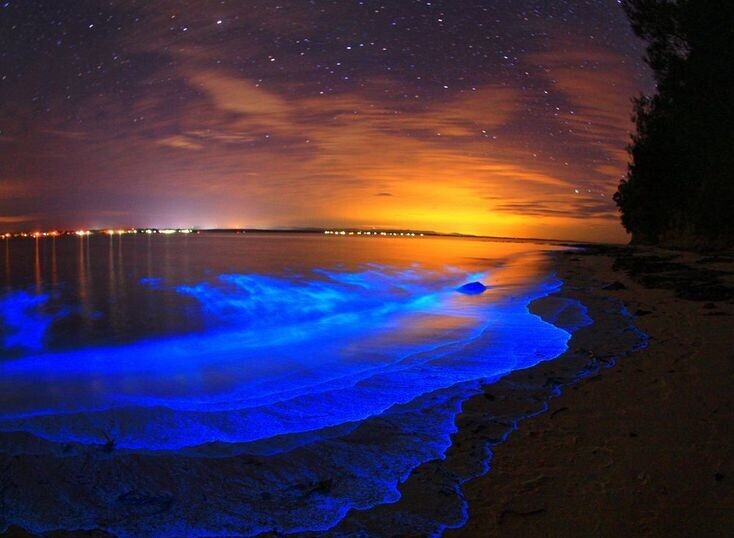
Why it works: The Maldives already feels surreal during the day, and on the right night some beaches take on that blue-spark shoreline effect that turns a casual evening walk into a full memory. This is one of the most visually romantic versions of a bioluminescence trip.
Best timing: Drier periods and calmer trip windows tend to make the overall experience easier to enjoy, especially when you are pairing the beach with a longer island stay.
Planning angle: This is less about chasing one exact excursion and more about choosing the right island base. The right stay matters because the beach itself is part of the experience.
Amazon Rainforest, Brazil
Why it works: This is the most atmospheric entry on the list. Instead of glowing water or cave ceilings, the appeal here is foxfire-style fungi and the strange, dreamlike feel of seeing the rainforest glow in patches after dark.
Best timing: Drier exploration windows usually make logistics easier and improve the overall experience of guided forest outings.
Planning angle: This is not the kind of experience you freestyle. The better move is to build it around a local guide or lodge program that already understands night access and rainforest timing.
How to Choose the Right Bioluminescence Experience
Not all glowing nature experiences scratch the same itch. Some are best for people who want a bucket-list photo memory. Others are better for travelers who care more about atmosphere, silence, or the feeling of being somewhere that does not quite make visual sense.
Choose Puerto Rico if you want the classic glowing-water experience
This is the easiest mental image people already have in mind. Paddle, dark water, blue trails, and a guided structure that makes the whole thing easier to pull off.
Choose Waitomo if you want the most atmospheric cave experience
This is ideal if you like quieter, more immersive nature experiences and want something you can build into a broader New Zealand route without perfect moon-phase dependency.
Choose the Maldives or Malta if you want a glowing trip wrapped into a beach or island vacation
These are strong if the bioluminescence is part of the trip, not the only reason for the trip. That gives you more flexibility and less pressure on one single night.
Choose Toyama Bay or the Amazon if you want something more unusual
These are for travelers who like timing-sensitive nature phenomena and do not mind building the trip around a more specific seasonal or guided structure.
Execution Plan: How to Build the Trip Without Guessing
- Start with the type of glow you want. Water trail, cave ceiling, shoreline sparkle, or rainforest fungi. That choice narrows everything else down fast.
- Check moon phase before locking your nights. This matters most for water-based experiences and any destination where darkness is part of the magic.
- Book the experience before the base, or at least at the same time. A cheap hotel far from the real experience usually stops being cheap the minute transport gets messy.
- Respect the fragility of the setting. These are not “blast your flashlight everywhere” environments. Dark-adapted eyes and lower-impact behavior usually make the experience better for everyone.
- Add transport only when the geography calls for it. Island departure points, remote cave routes, or rainforest transfers are where the transport layer actually matters.
If you are traveling in peak season, do not wait on this step. Timing-sensitive nature experiences look flexible until you realize the best departure times and nearby stays quietly disappeared first.
Where to Start Booking Without Overcomplicating It
The cleanest sequence is simple. Pick the glow type. Match it to the right destination. Check the best timing window. Then secure the stay and the experience close enough together that you are not making the trip harder than it needs to be.
That sounds obvious, but this is exactly where most bioluminescence travel plans go sideways. The glow is real. The timing is real. The access rules are real. So the easier your base and booking sequence are, the better your odds of actually getting the experience you came for.
Want to Turn a Glowing Nature Idea Into an Actual Trip?
Use our Booking Tools to compare stays and experiences, or start with Curated Travel if you want the trip shaped around timing, access, and the kind of night experience you’re actually after.
Frequently Asked Questions
What is the best place in the world to see bioluminescence?
That depends on the kind of experience you want. Puerto Rico is one of the best-known options for glowing water, Waitomo is iconic for glowworm caves, and the Maldives are strong for glowing shoreline travel built into a beach trip.
Do you need a tour to see bioluminescence?
Not always, but tours often give you the best chance because they solve access, timing, and local conditions in one move. That matters most in protected bays, caves, and rainforest settings.
Are moonless nights really that important?
Yes, especially for water-based bioluminescence. Brighter moonlight can make the glow harder to see, which is why darker windows are usually the better planning target.
Is bioluminescence visible year-round?
Some locations are more flexible year-round, while others depend heavily on seasonal patterns. That is why timing should be checked before you book the whole trip around one glowing moment.
Which bioluminescence destination is easiest to add to a broader vacation?
Malta, the Maldives, and Puerto Rico are all strong choices if you want the bioluminescent experience to fit into a larger beach or island itinerary rather than carry the entire trip on its own.
How early should I book a bioluminescence trip?
Earlier than you think if your dates are fixed. Timing-sensitive departures, darker-night windows, and nearby stays often tighten up before the destination itself looks busy.


Leave a Reply