
Last Updated on August 29, 2026 by Jeremy
Some nature trips look peaceful on paper, then turn into a strange cocktail of smoke, heat, traffic, crowded viewpoints, and a hotel base that somehow adds more stress than the destination removes. That is usually the point where “restorative travel” quietly turns into logistics with pretty scenery attached.
This guide takes a cleaner approach. Instead of pretending any destination is magic or risk-free, we are looking at nature places that tend to feel more breathable, calmer, and easier to enjoy when your real goal is fresh-air travel, cleaner surroundings, and a trip that does not feel like a full-contact sport.
Quick Answer: If you want a cleaner-feeling nature trip in 2026, focus on destinations that combine open landscapes, dependable base towns, better air and water confidence, and practical booking access before peak-season availability tightens.
This is not about promising perfect safety. It is about helping you choose places that feel lower-friction, more breathable, and easier to plan well.
The Traveler Problem Most “Healthy Travel” Articles Miss
Most people are not really searching for a sterile vacation. What they actually want is a destination that feels cleaner, less chaotic, and more restorative than the overcrowded, overheated, overbooked places that dominate a lot of summer travel lists.
That frustration usually shows up in familiar ways. Too many crowds. Too much heat. Too much transit friction. Too much guesswork about where to stay. Not enough confidence that the trip will actually feel good once you arrive.
Fresh-air travelCleaner-feeling natureLower-stress planningPeak season strategyBookable bases
Why Most “Cleanest Nature Destinations” Lists Fall Flat
A lot of roundups stop at scenery and vague claims. They tell you a place is beautiful, peaceful, or healthy, then skip the part travelers actually need: when to go, where to base yourself, how crowded it gets, and whether you can book a practical version of the trip without opening twelve tabs and losing half your afternoon.
That is the gap this page fixes. The point is not just to daydream about fresh-air destinations. The point is to choose one, understand why it works, and build the trip properly.
What Actually Makes a Nature Destination Feel Cleaner and Easier
For Earthbound, the better filter is not “perfectly safe” and definitely not fear-bait. A better nature trip usually comes down to a few practical things working together, and when those things line up, the whole experience feels lighter.
- Open-air landscapes that do not feel compressed by over-tourism.
- Reliable base towns with good access to lodging, food, and transportation.
- Stronger planning visibility so you can compare stays and experiences without guesswork.
- Seasonal fit that matches what you actually want, whether that is cool mountain air, geothermal scenery, island calm, or a quieter shoulder-season window.
The Cleanest Nature Destinations on Earth for Fresh-Air Travel
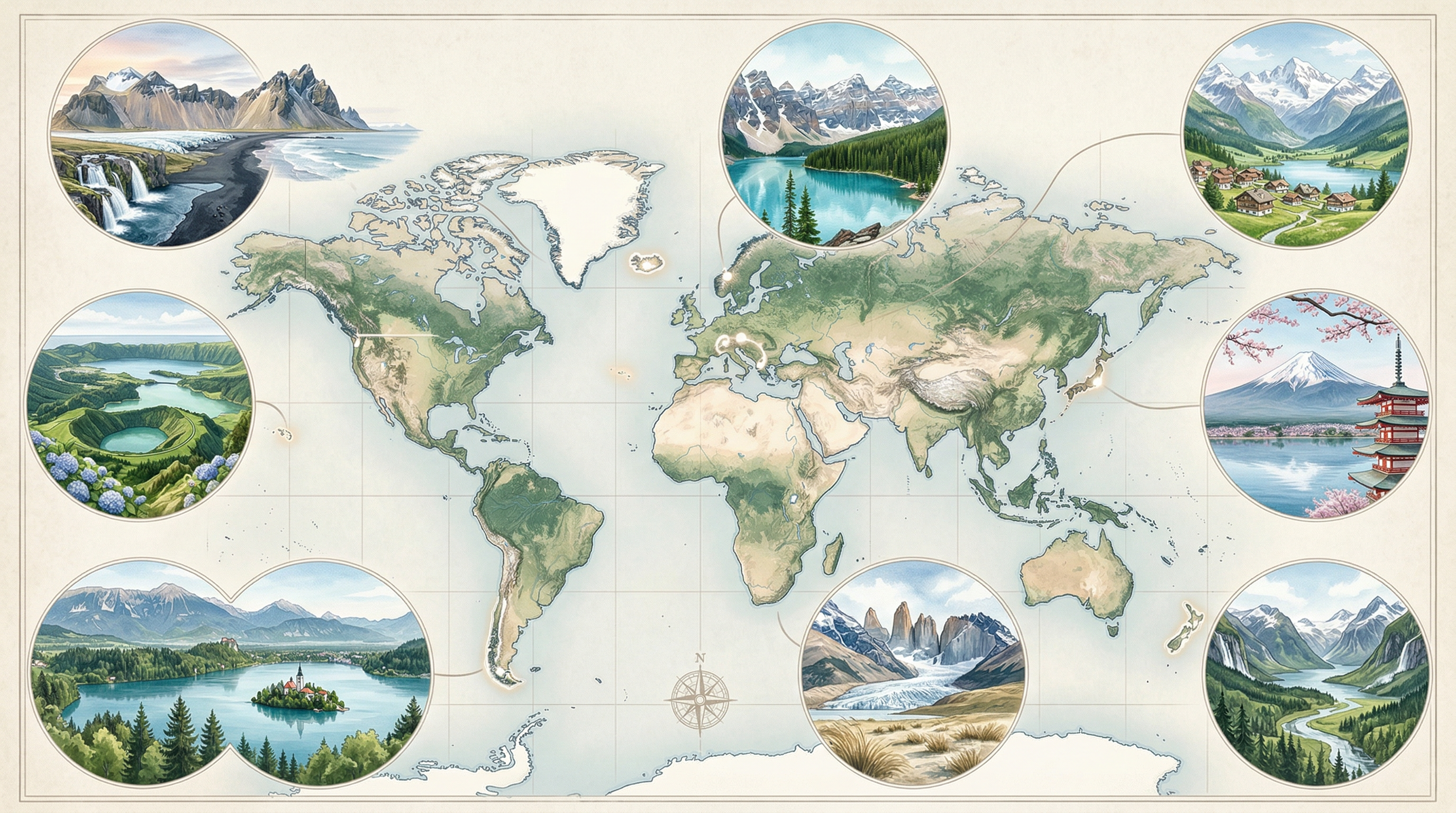
These are not ranked as medical guarantees, and that is not the point. They are strong candidates for travelers who want scenery, breathing room, and a trip structure that feels calmer than the usual crowd-heavy nature circuit.
New Zealand
Why it works: New Zealand is one of those places where the scale of the landscapes does half the work for you. Fiords, coastlines, alpine lakes, and big-sky road routes make the trip feel open instead of compressed.
Best fit: Travelers who want a nature-first itinerary with hiking, scenic drives, and a cleaner-feeling pace. It is especially strong when you want one trip to blend mountains, water, and quieter overnight bases.
Planning angle: Shoulder season often gives you the best balance between beauty and breathing room. If you are building a multi-stop route, this is one of the destinations where booking your bases early pays off fast.
Iceland
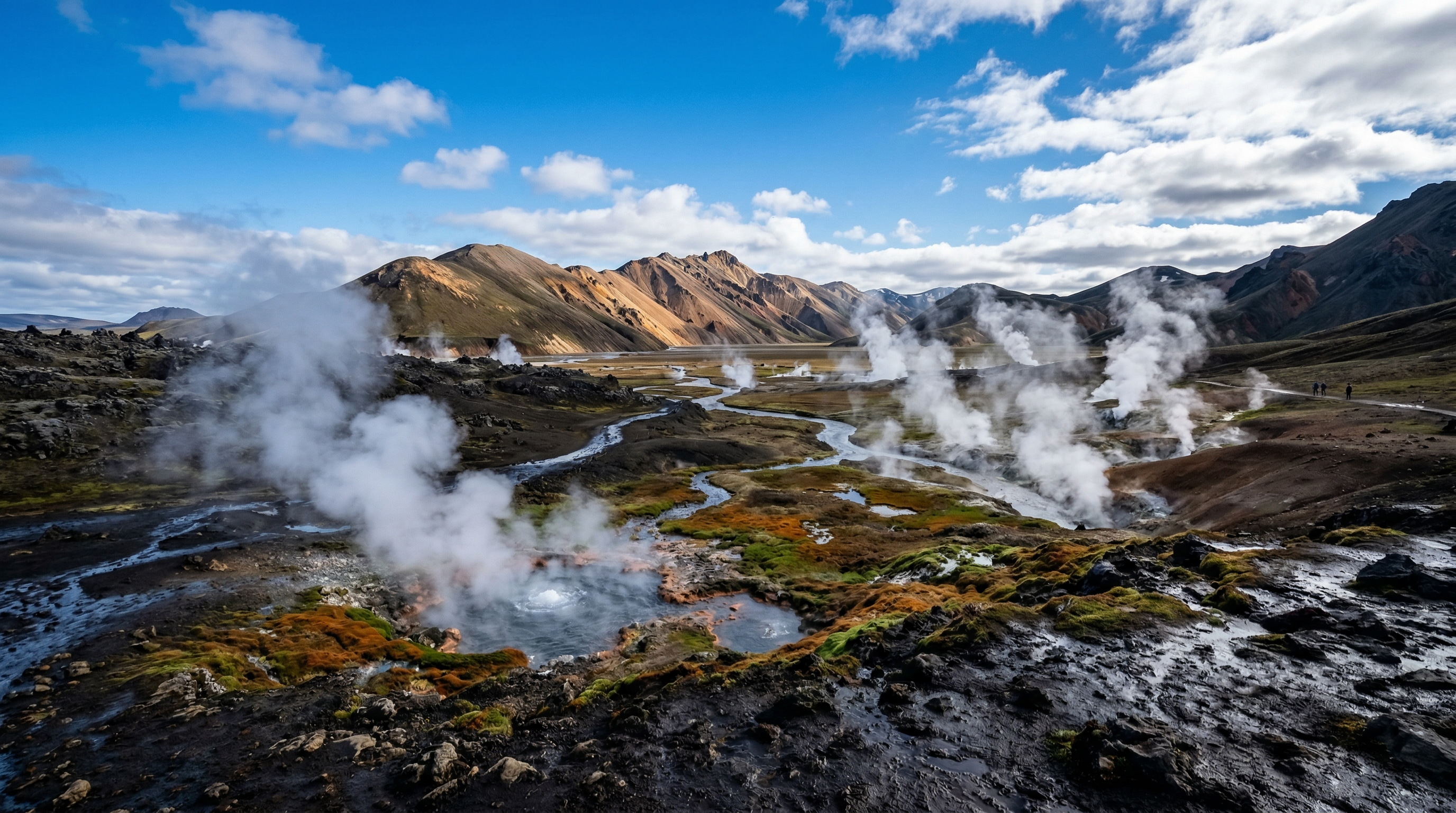
Why it works: Iceland feels visually clean from the minute you land. Volcanic ground, geothermal steam, dramatic coastlines, and sparse settlement patterns create the kind of trip that feels stripped back in a good way.
Best fit: Travelers who want stark scenery, hot springs, and road-accessible nature without having to commit to a pure wilderness expedition. It works well for couples, photographers, and anyone craving a reset without tropical heat.
Planning angle: Iceland rewards smart timing more than blind spontaneity. Summer brings long daylight, but it also brings pressure on car rentals, hotel bases, and popular route stops.
Canada
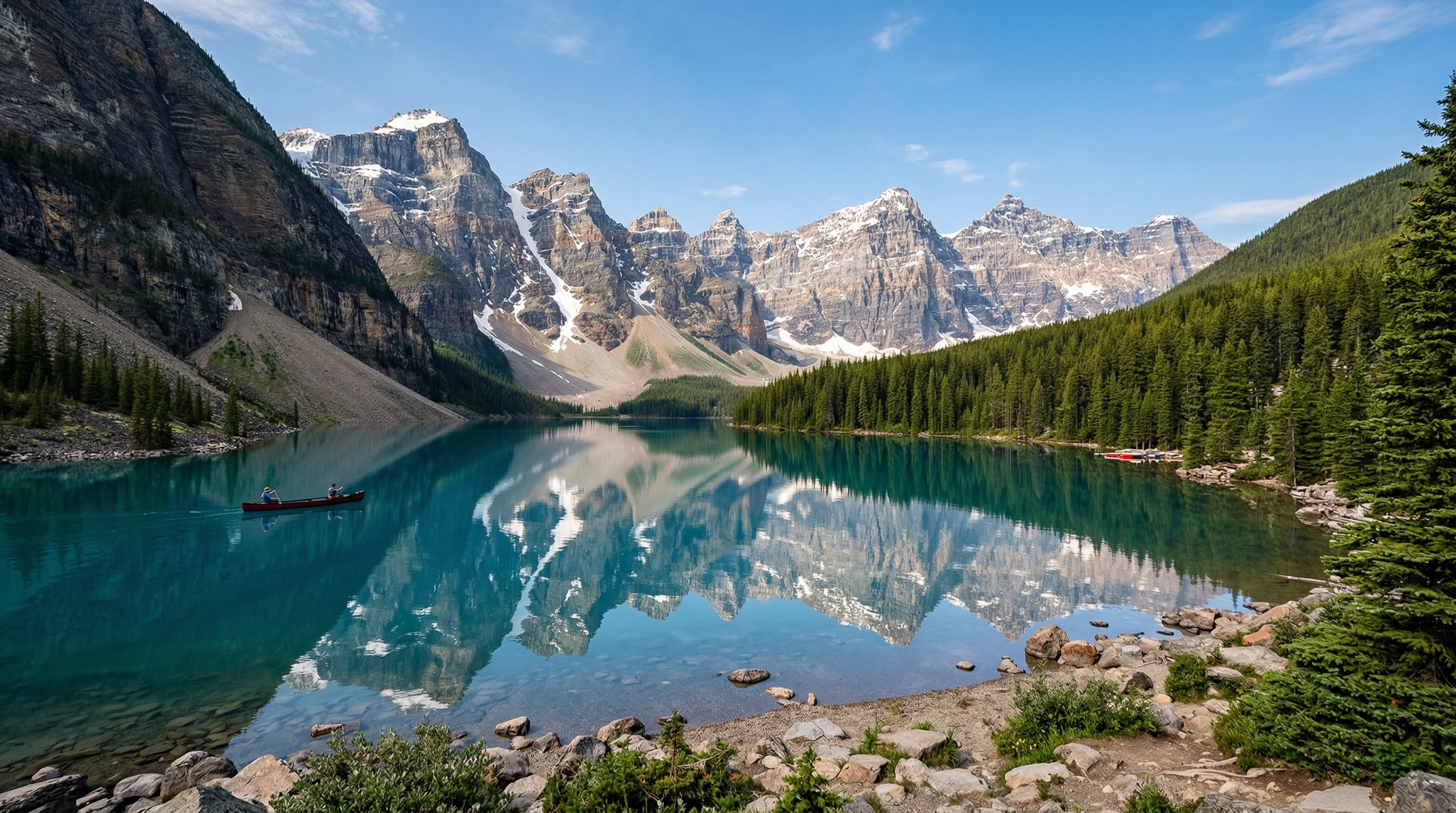
Why it works: Canada is the big-space option. Lakes, forests, mountain towns, and national park regions give you room to shape the trip around what you actually want, whether that is an easy scenic base or a more active hiking route.
Best fit: Families, road trippers, and travelers who want wilderness energy without sacrificing practical infrastructure. It is also one of the easiest destinations on this list to stretch across different budgets.
Planning angle: This is where regional choice matters. Western mountain parks, Vancouver Island, and quieter lake regions all create very different versions of “clean nature travel,” so the right base matters more than the country label.
Switzerland
Why it works: Switzerland is one of the cleanest-feeling mountain destinations for travelers who want alpine scenery without roughing it. Lakes, rail-linked valleys, and highly organized travel infrastructure make the trip feel smooth.
Best fit: Scenic rail travelers, hikers who want comfort built into the trip, and anyone willing to pay more for precision, convenience, and that polished alpine feel.
Planning angle: The obvious tradeoff is price. The upside is that when you stay in the right gateway town, the entire trip becomes easier to execute without much guesswork.
More Strong Picks for Lower-Stress Nature Travel
Japan Alps and Hokkaido
Why it works: Japan gives you a different kind of clean-feeling trip. It is not just the landscapes, it is the structure. Transit, sanitation, and the overall rhythm of travel make outdoor regions feel less chaotic than many equally popular destinations.
Best fit: Travelers who want mountain scenery, hot springs, forest walks, and a high-functioning travel system wrapped into the same itinerary.
Planning angle: This is where regional pairing matters. Hokkaido, alpine valleys, and smaller onsen towns each create a very different mood, and the best one depends on whether you want cool air, scenery, or cultural texture to lead the trip.
Slovenia
Why it works: Slovenia is one of those destinations that still feels like a smart pick rather than a noisy one. Alpine lakes, rivers, and green valleys give it the visual appeal of bigger-name European regions without quite the same pressure.
Best fit: Travelers who want Europe, but not the hottest or most crowded version of it. It is a strong option for active couples, scenic road trips, and mixed nature-city itineraries.
Planning angle: Slovenia works best when you use one or two well-chosen bases instead of trying to overbuild the trip. It rewards slower movement and good route discipline.
Patagonia (Chile / Argentina)
Why it works: Patagonia is for travelers who want the “fresh-air travel” idea turned all the way up. Big wind, big views, and big distances create the kind of nature trip that clears your head almost by force.
Best fit: Hikers, photographers, and travelers willing to trade some convenience for a more dramatic feeling of remoteness.
Planning angle: Patagonia is not the place to wing transport. Bases, transfers, and seasonal timing matter a lot more here, which means it benefits from earlier structure than many people expect.
Azores
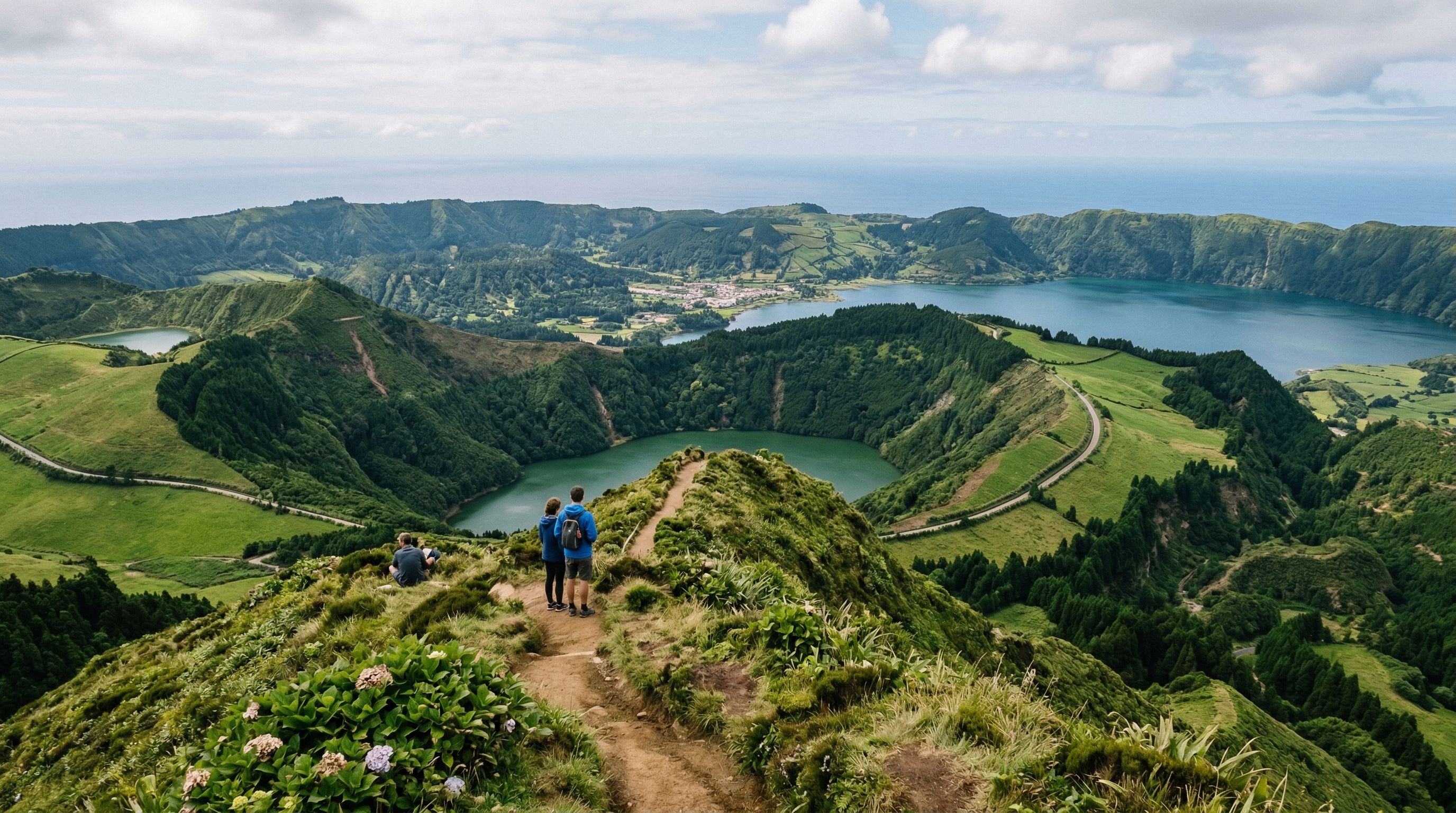
Why it works: The Azores deliver island scenery without the usual resort-heavy feel. Volcanic ridges, crater lakes, Atlantic light, and a slower rhythm make this one of the strongest clean-air picks for travelers who want dramatic scenery without aggressive tourism energy.
Best fit: Couples, scenic drivers, hikers, and anyone who wants a greener island trip that still feels accessible and calm.
Planning angle: Late spring through early summer is where this destination often feels especially balanced. You get beauty, movement, and better odds of avoiding the compressed feel that hits more mainstream island hotspots.
How to Choose the Right Destination for Your Travel Style
Not every clean-feeling destination solves the same problem. Some are better for couples who want softer logistics and scenic comfort. Others are better for hikers who want bigger landscapes and do not mind a more involved planning process.
Choose New Zealand or Canada if you want range
These are strong if you want a flexible trip that can mix scenic routes, nature stays, and different activity levels. They also make sense when not everyone in your group wants the exact same pace.
Choose Iceland or Patagonia if you want drama
These destinations are for travelers who want landscapes that feel like a reset button. They are incredible when done properly, but they punish casual planning more than softer destinations do.
Choose Switzerland, Slovenia, or the Azores if you want cleaner-feeling travel without full wilderness mode
This is the sweet spot for travelers who want scenery and calm without turning the whole trip into a logistics exercise. They feel easier to enjoy when comfort still matters.
If you are traveling in peak season, don’t wait on this step. The destination choice controls everything that comes after it, from your nightly base to your activity mix to whether the trip feels calm or crammed.
Execution Plan: How to Build a Cleaner-Feeling Nature Trip
- Start with the destination mood first. Do you want alpine calm, volcanic drama, island air, or road-trip flexibility?
- Choose the base before the activity list. A good base town fixes a lot of stress before it starts.
- Compare stays early. In the best nature regions, the right hotel or lodge disappears before the destination itself “looks busy.”
- Use experiences to shape the route. Scenic cruise, thermal stop, guided hike, or day trip. That is how you avoid building a trip around the wrong overnight location.
- Add transport only when geography demands it. Remote island, ring road, or national park corridor? Then layer transport in deliberately, not by accident.
Where to Start Booking Without Overcomplicating It
Once you know your destination type, the booking sequence becomes much easier. First secure the base. Then compare the major experiences. Then add transport only if the region genuinely needs it.
This prevents one of the most common travel mistakes on nature-heavy trips: building an itinerary backward, then realizing your best stay options were the first thing to disappear.
Want to Turn This Into an Actual Trip Instead of Another Saved Tab?
Use our Booking Tools to compare stays and trip options, or start with Curated Travel if you want a cleaner plan built around how you actually like to travel.
Compare the trip style before booking: Start with the wider Earthbound destination guides, then decide whether you want the slow sensory reset described in our forest-bathing guide or the wildlife, scenery, and access trade-offs in our national-parks planning guide. Once the destination fits, use the booking path below to compare the practical route, stays, transport, and experiences.
Frequently Asked Questions
What do you mean by the “cleanest nature destinations”?
In this guide, it means destinations that tend to feel cleaner, calmer, and easier to enjoy from a traveler perspective. That includes open landscapes, stronger travel structure, practical booking access, and a lower-friction overall trip feel.
Are any of these destinations guaranteed to be risk-free?
No. That is not the promise here. The goal is to help you choose cleaner-feeling, better-structured nature destinations and plan them in a more practical way.
Which destination is best for clean-air summer travel?
That depends on the kind of trip you want. Iceland, the Azores, Canada, New Zealand, and alpine regions like Switzerland all work well for travelers who want more breathing room and less heavy urban travel energy.
Which destinations are easiest for families or mixed travel styles?
Canada and New Zealand are usually the easiest to shape around different comfort levels and activity preferences. They give you room to mix scenic downtime, light adventure, and flexible overnight bases.
When should I book a nature destination for summer?
Earlier than most people think. Nature-focused gateway towns, lodges, and scenic base areas often tighten up before the destination looks “busy” from the outside.
Do I need tours for these destinations, or can I build the trip myself?
You can absolutely build it yourself, but comparing tours early often helps you choose the right base and avoid backward itinerary planning. That matters more in regions with distance, limited transport, or seasonal timing pressure.


Leave a Reply