
Last Updated on January 21, 2026 by Jeremy
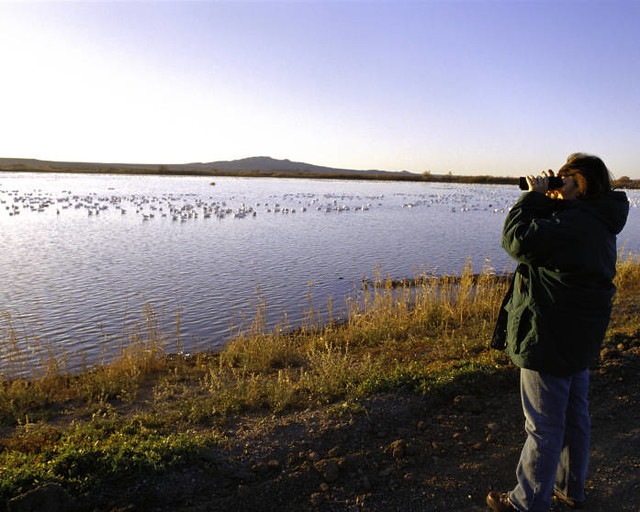
Birdwatching is one of those travel hobbies that quietly turns into something bigger. You start by spotting “a cool bird,” and suddenly you’re learning habitats, migration patterns, and realizing your notes can actually support conservation work. This guide keeps things grounded: what to record, where to report sightings, and how to bird responsibly while exploring new places.

TL;DR
- Record the essentials: date, location, habitat, count, behavior, confidence level.
- Use simple tools: Merlin Bird ID for identification, eBird for logging sightings.
- Report responsibly: don’t guess — uncertainty is better than wrong data.
- Follow birding ethics: keep distance, protect nests, limit playback.
- Travel smarter: check eBird hotspots before heading out.
Why Your Bird Sightings Matter
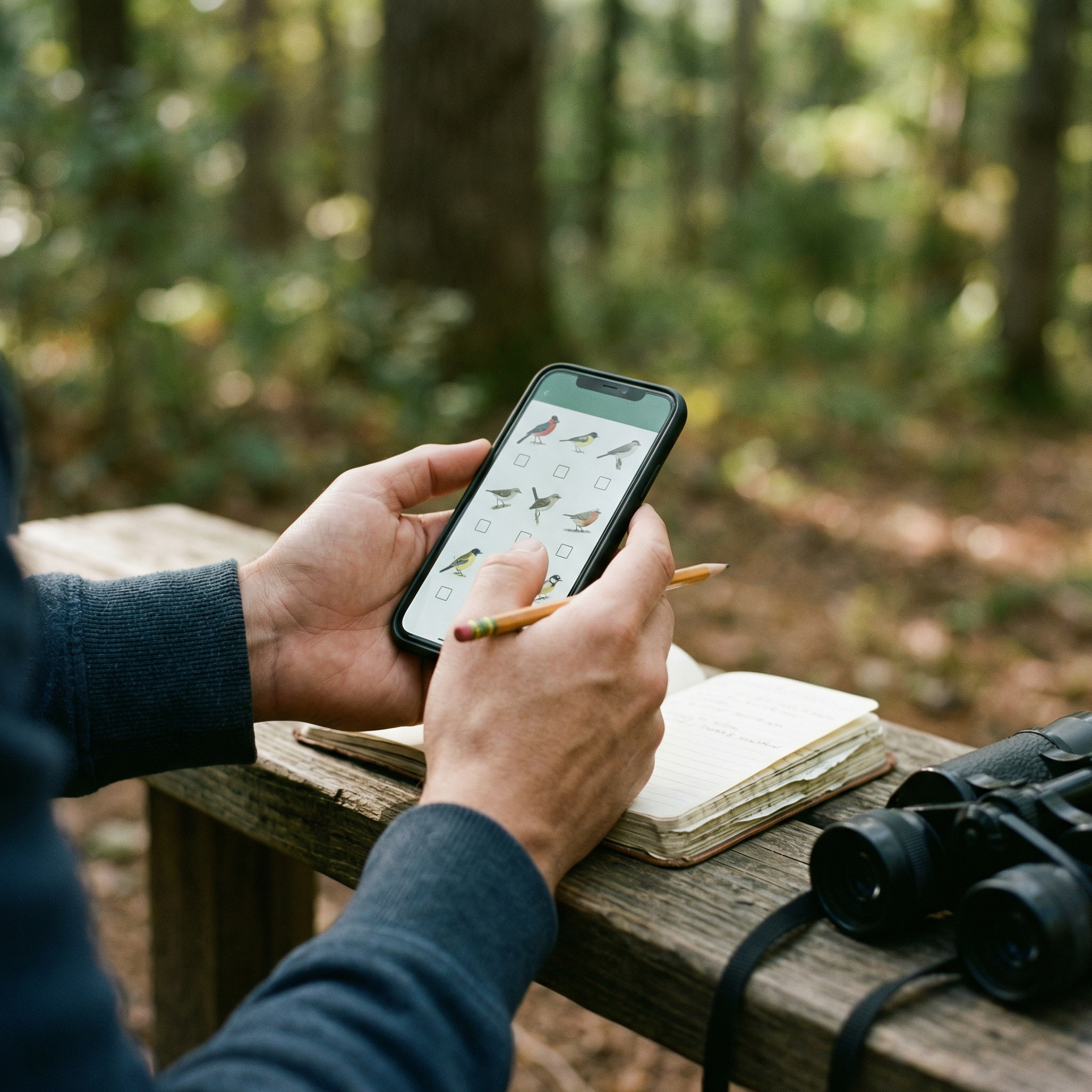
Birds react quickly to environmental change. That’s why recorded sightings are useful beyond personal checklists. Platforms like eBird allow everyday birders and travelers to submit standardized observations that scientists and conservation groups can analyze over time.
Helpful tools: eBird • Merlin Bird ID
What To Record (So Your Data Is Useful)
- Date and time
- Exact location (GPS pin when possible)
- Habitat type
- Number of birds observed
- Behavior (feeding, nesting, migrating, calling)
- Your confidence level
Travel Birding Tools That Actually Help
Merlin Bird ID
Great for travelers. Identify birds by photo, sound, or simple descriptions.
eBird
Log sightings, discover hotspots, and explore seasonal bird activity worldwide.
Birdwatching While Traveling: Pick Habitats, Not Hype
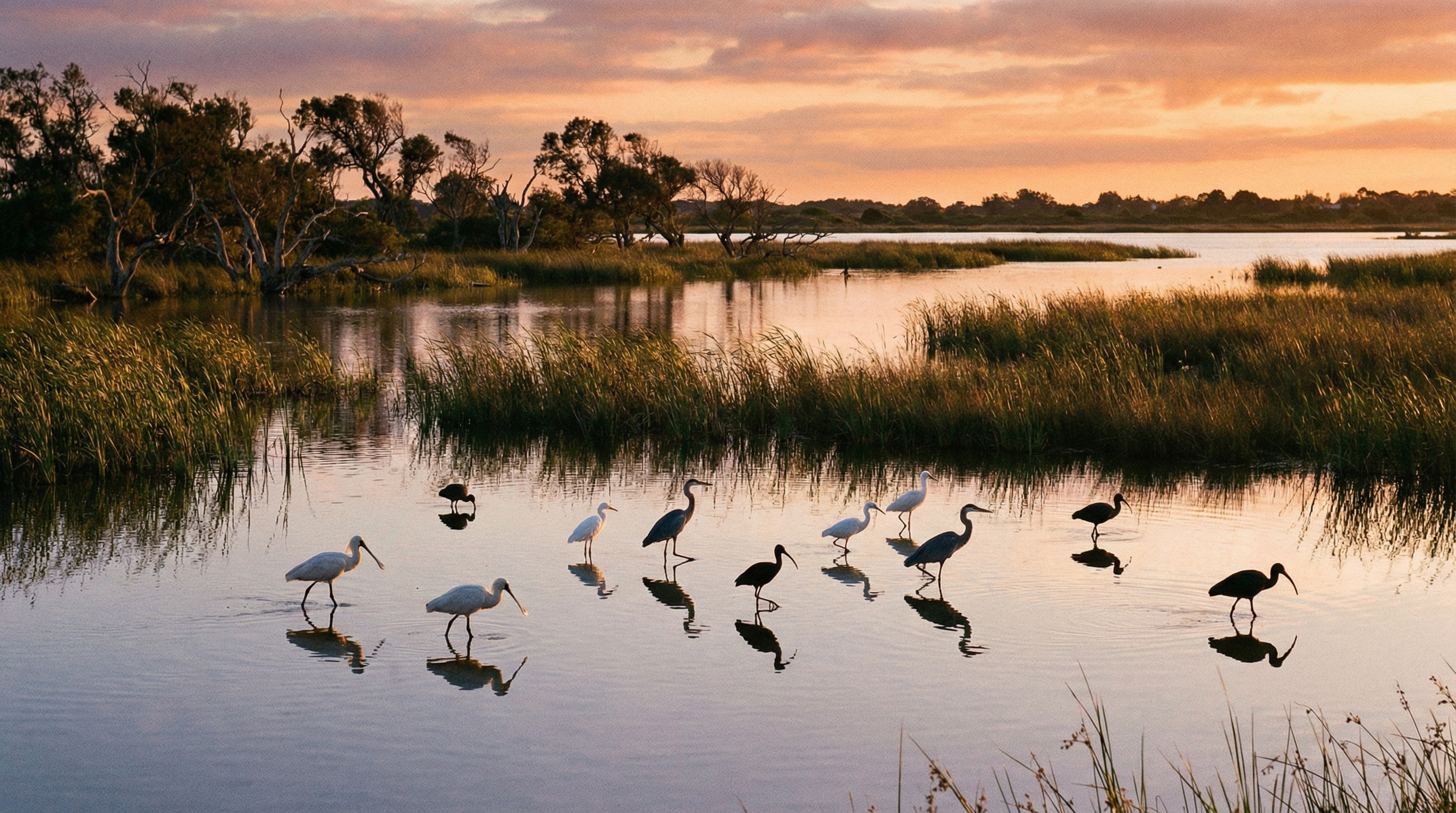
- Wetlands: shorebirds, herons, migratory species
- Forest edges: mixed flocks, parrots, hummingbirds
- Grasslands: raptors and open-country birds
- Coasts: seabirds and cliff-nesting species
Optional: Guided Birding Experience (Low Impact Travel)
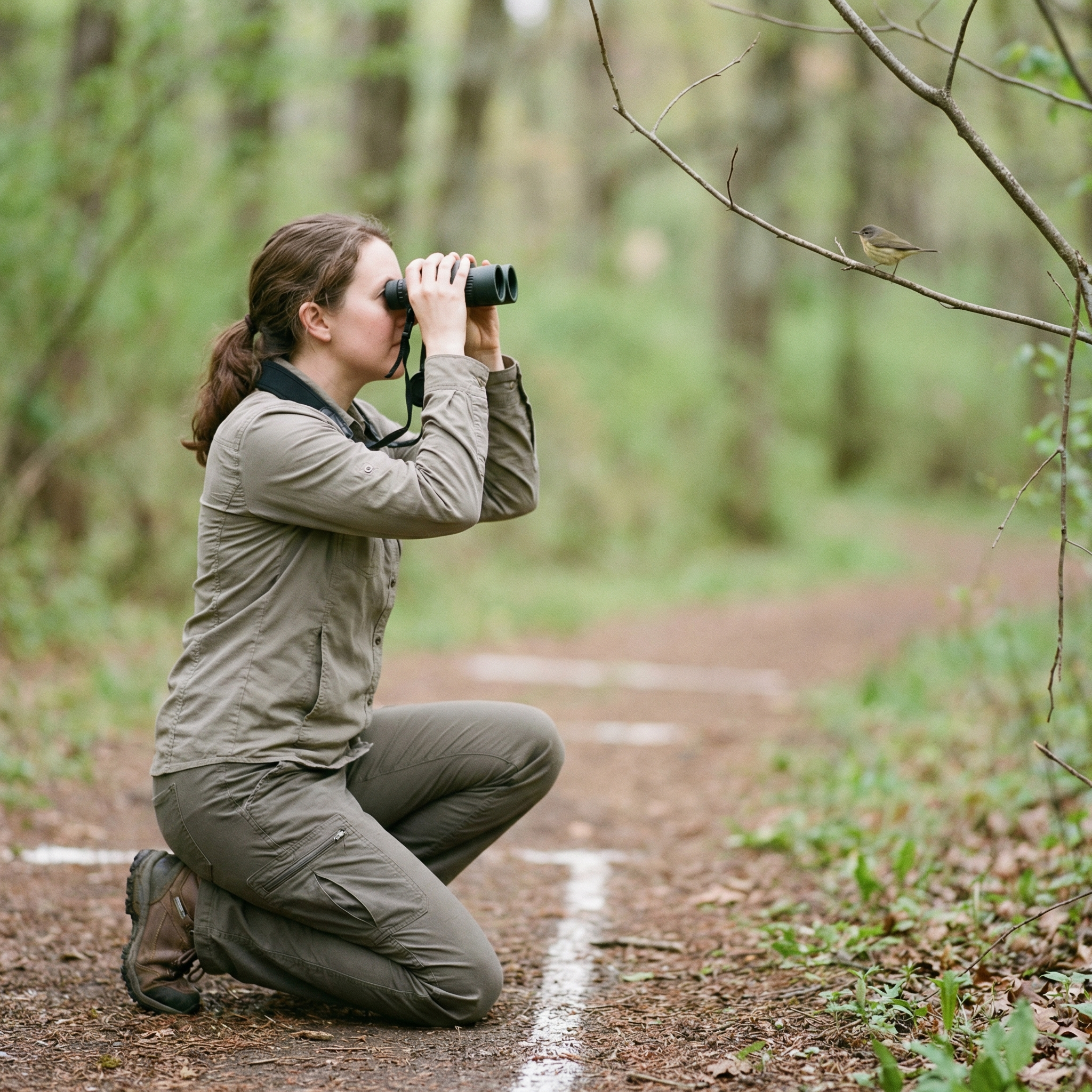
Faro: Eco-Friendly Ria Formosa Bird Watching (Solar Boat)
Explore the salt marsh channels of Ria Formosa Natural Park on a quiet solar-powered boat. This tour focuses on migratory birds, local ecosystems, and low-impact wildlife viewing.
Affiliate note: If you book through this link, Earthbound may earn a commission at no extra cost to you.
Birdwatching Ethics: Respect The Wildlife
- Keep a respectful distance
- Avoid disturbing nests and roosts
- Limit or avoid playback calls
- Follow local conservation rules
Reference standard: ABA Code of Birding Ethics
Final Takeaway
Birdwatching while traveling slows you down in the best way. You stop rushing between destinations and start noticing the living systems around you. Record what you see, report it responsibly, and let your travels leave a small positive footprint behind.
Frequently Asked Questions
What’s the best app for beginner travelers?
Merlin Bird ID is easiest for identification, paired with eBird for logging sightings.
Is eBird only for serious birders?
No. Casual travelers can submit simple checklists that still contribute to useful datasets.
Should I use playback calls?
Use extreme caution. Playback can stress birds and disrupt natural behavior.
What if I’m unsure about a species?
Mark it as unknown or use a broader group label. Avoid guessing.




Leave a Reply