Last Updated on February 20, 2026 by Jeremy
Most people want to help endangered species. They just don’t want to be tricked into supporting the exact kind of tourism that harms them.
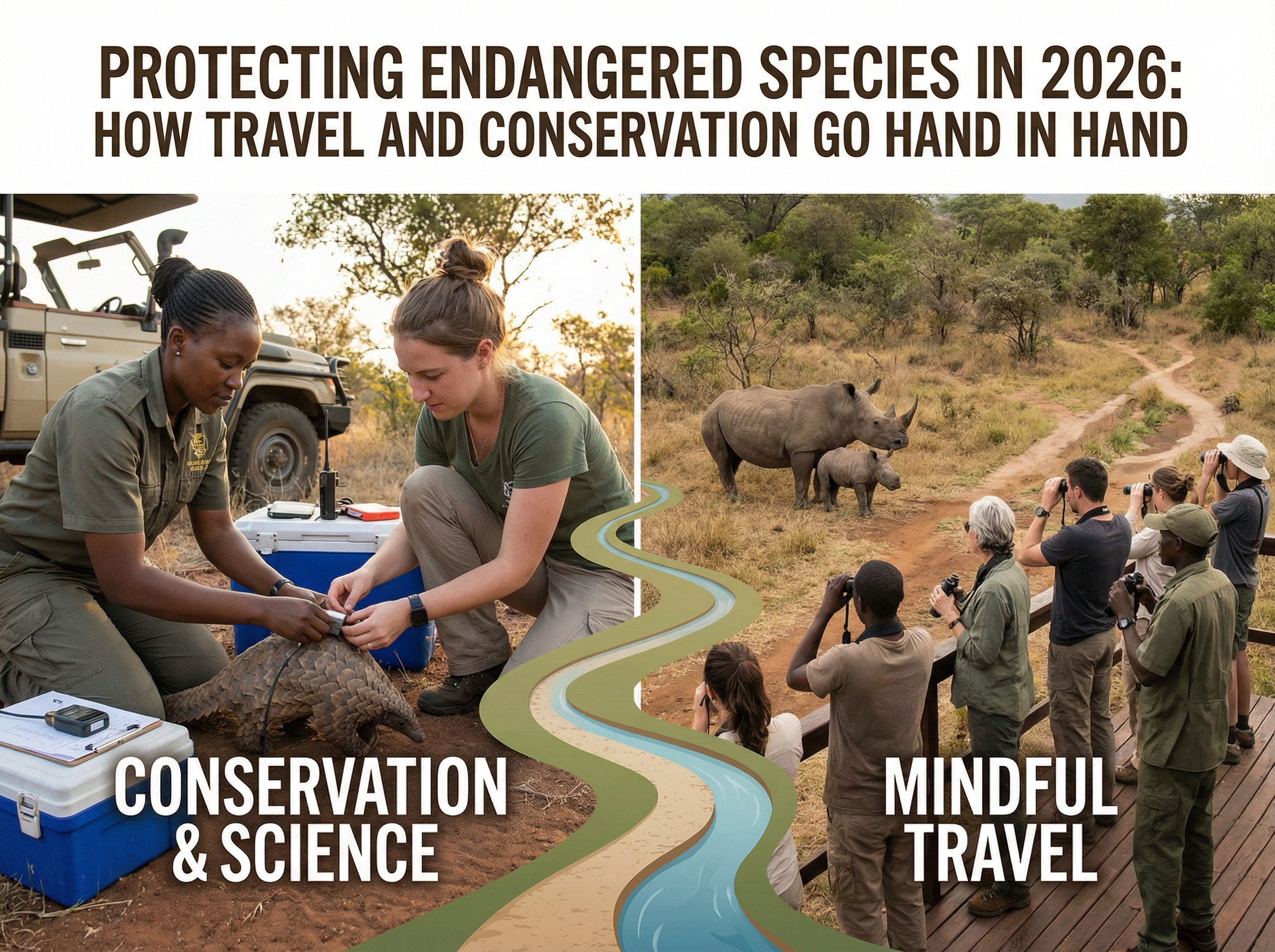
In 2026, “conservation travel” isn’t about being perfect. It’s about being deliberate. Choosing trips where your money supports habitat protection, local rangers, research, and community-led conservation instead of exploitative animal encounters and photo props.
Quick Answer: Travel can support endangered species when it’s built around ethical viewing, habitat protection, and local community benefit. If an experience depends on touching, feeding, holding, riding, or forcing animals into unnatural behavior, it’s not conservation. It’s marketing.
This guide shows where conservation is visible in real life (and how to plan it), without turning your trip into a lecture.
The Problem Travelers Face
If you’ve ever searched “endangered species tours” or “wildlife experiences,” you’ve probably seen the same mess:
- Animal encounters that look cute online, but rely on captivity, stress, or conditioning.
- Sanctuaries that are actually businesses with a conservation costume.
- “Eco” labels slapped on anything green-looking, with no proof behind them.
- Bucket-list moments that skip the part where animals need space, not selfies.
And the frustrating part is this: a lot of people are trying to do the right thing, but the internet makes it hard to tell what’s real.
Why Most Conservation Content Gets This Wrong
Most articles go one of two ways:
- They get preachy — and don’t help you plan anything.
- They get vague — and call everything “ethical” without any checks.
So here’s the Earthbound approach: practical filters first, then destinations you can actually plan around.
What Ethical Conservation Travel Looks Like in 2026
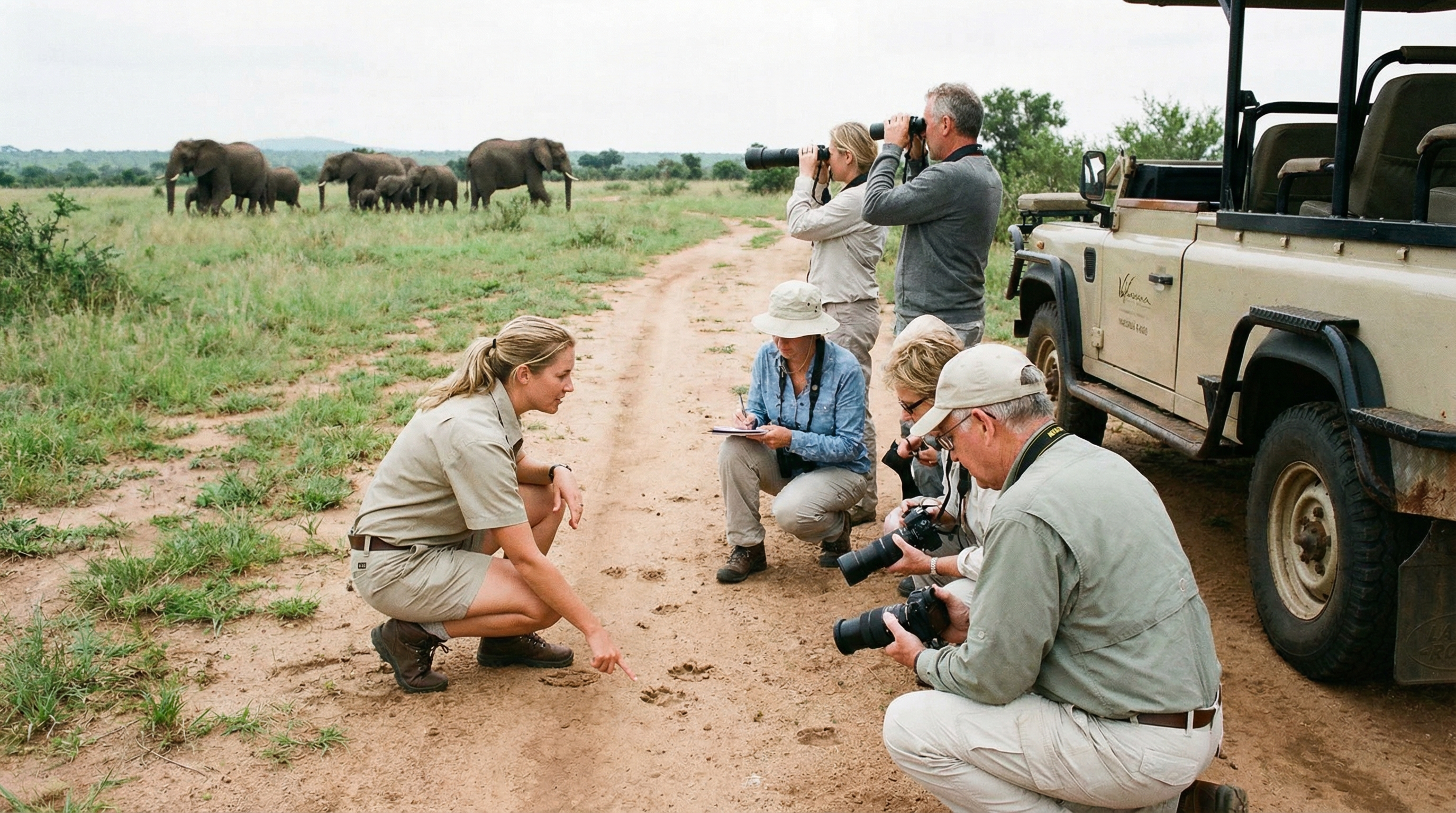
Ethical doesn’t mean “no impact.” It means the impact is measurable and doesn’t depend on animal stress.
No touchingNo feedingNo forced interactionDistance respectedHabitat protectedLocal benefit
Quick filters you can use anywhere
- Wild animals should be wild. If the experience relies on animals being unusually calm around people, question it.
- Look for conservation receipts. Park permits, ranger partnerships, community programs, research collaborations, rehabilitation transparency.
- Ask what happens if tourists aren’t there. If the operation collapses without tourists, that’s not automatically bad — but it should still prioritize animal welfare over access.
- “Sanctuary” is not a guarantee. The word is free. The standards aren’t.
Build Your Trip Around Ethical Wildlife, Not Random Scrolling
If you want help stacking a conservation-friendly trip (experiences + stays + logistics), start here. This keeps your planning clean and avoids sketchy operators.
Start with Curated TravelWhere Travelers Can Support Conservation in Real Life
Below are conservation-focused travel lanes that work across different budgets and seasons. These aren’t “go here because it’s trendy.” These are places where the conservation story is visible on the ground.
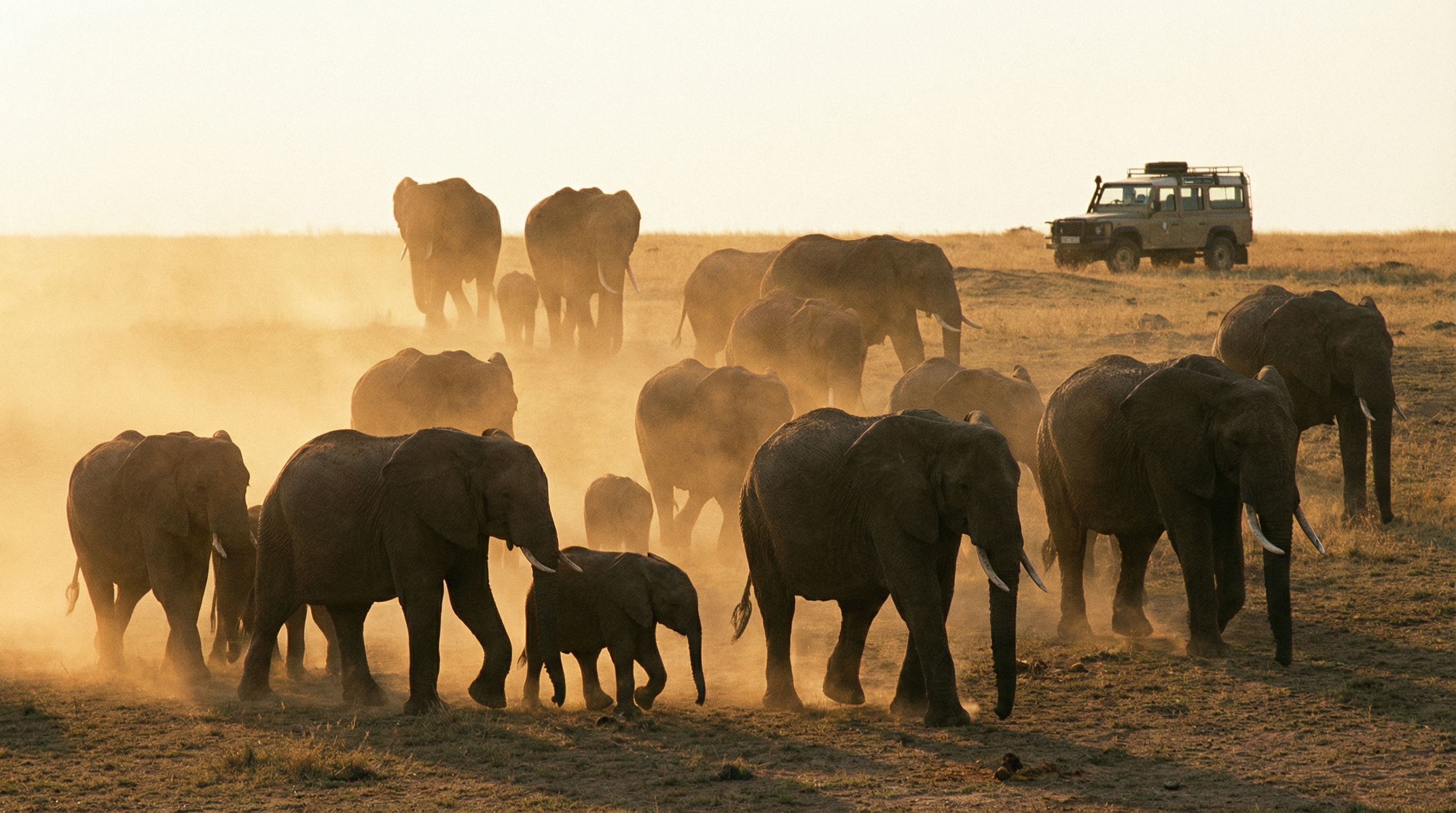
1) Elephant corridors and protected savannas
Why it matters: elephants maintain ecosystems by shaping vegetation and creating habitat access for other species.
Traveler focus: park-based viewing with regulated routes, local ranger presence, and community benefit models.
Seasonal cue: Dry season usually boosts visibility. Shoulder seasons can be quieter and more affordable.
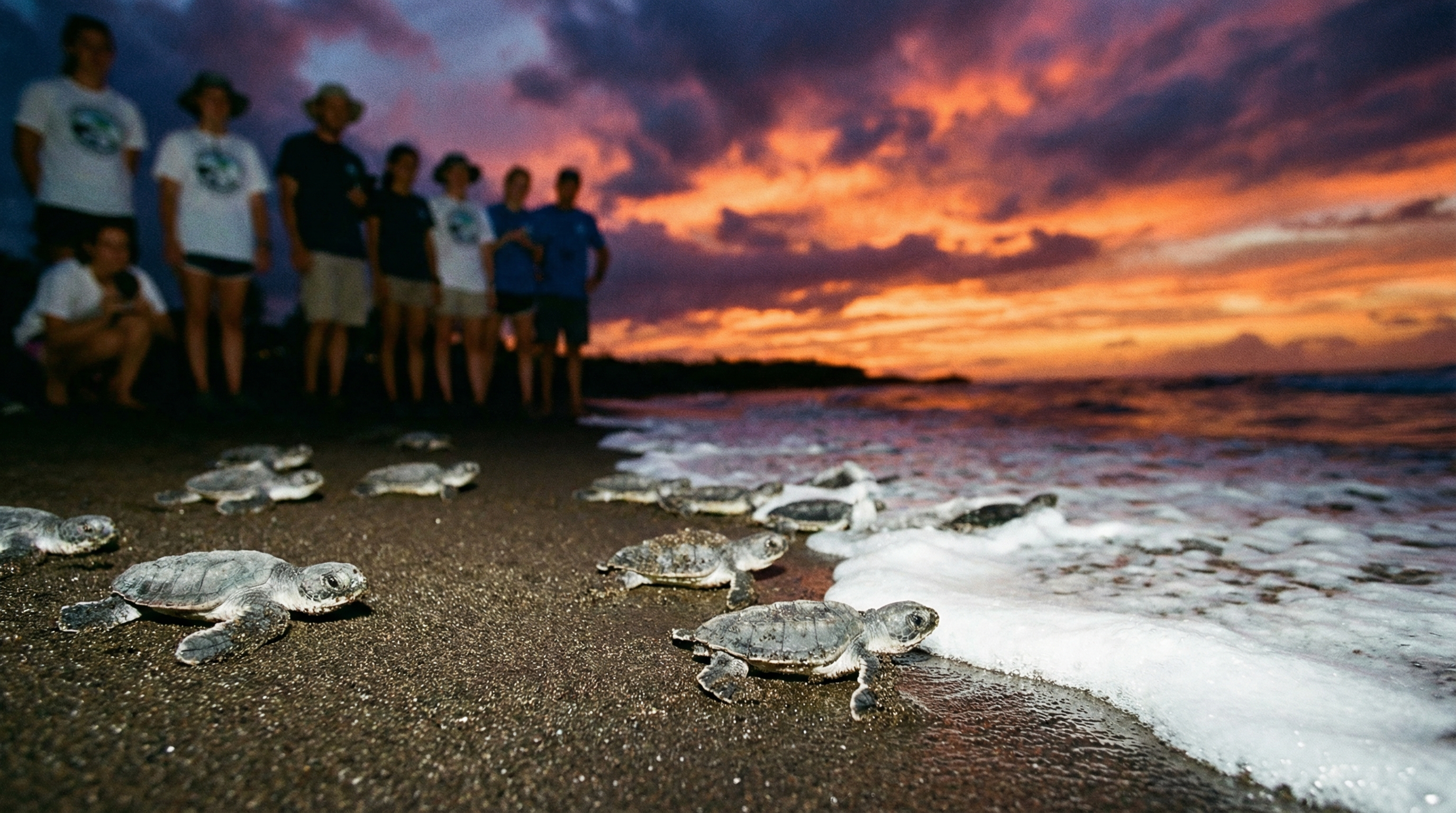
2) Sea turtle nesting beaches
Why it matters: nesting sites are fragile, and tourism can either protect them through community patrols or destroy them through chaos.
Traveler focus: guided nesting or hatchling walks with strict lighting rules, timed access, and local conservation funding.
Seasonal cue: Nesting and hatching seasons vary by coastline. Plan around local timing, not your calendar.
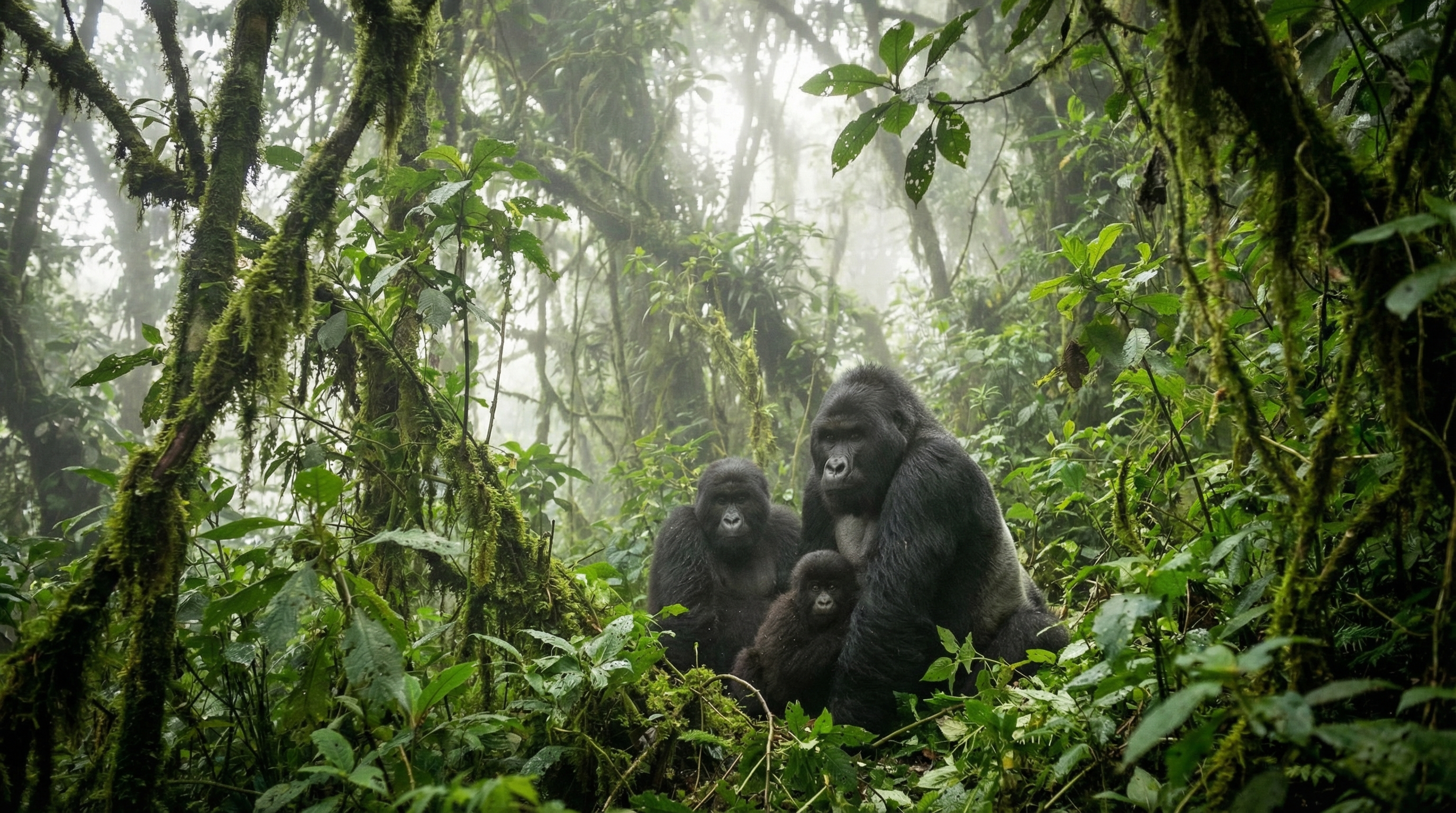
3) Primate habitat protection in rainforest zones
Why it matters: primates are sensitive to disease transmission, habitat loss, and stress from crowding.
Traveler focus: limited permits, strict distancing, guide-led viewing, and conservation fees that fund protection.
Seasonal cue: Rainy season changes trail access but can reduce crowds and increase rainforest activity.
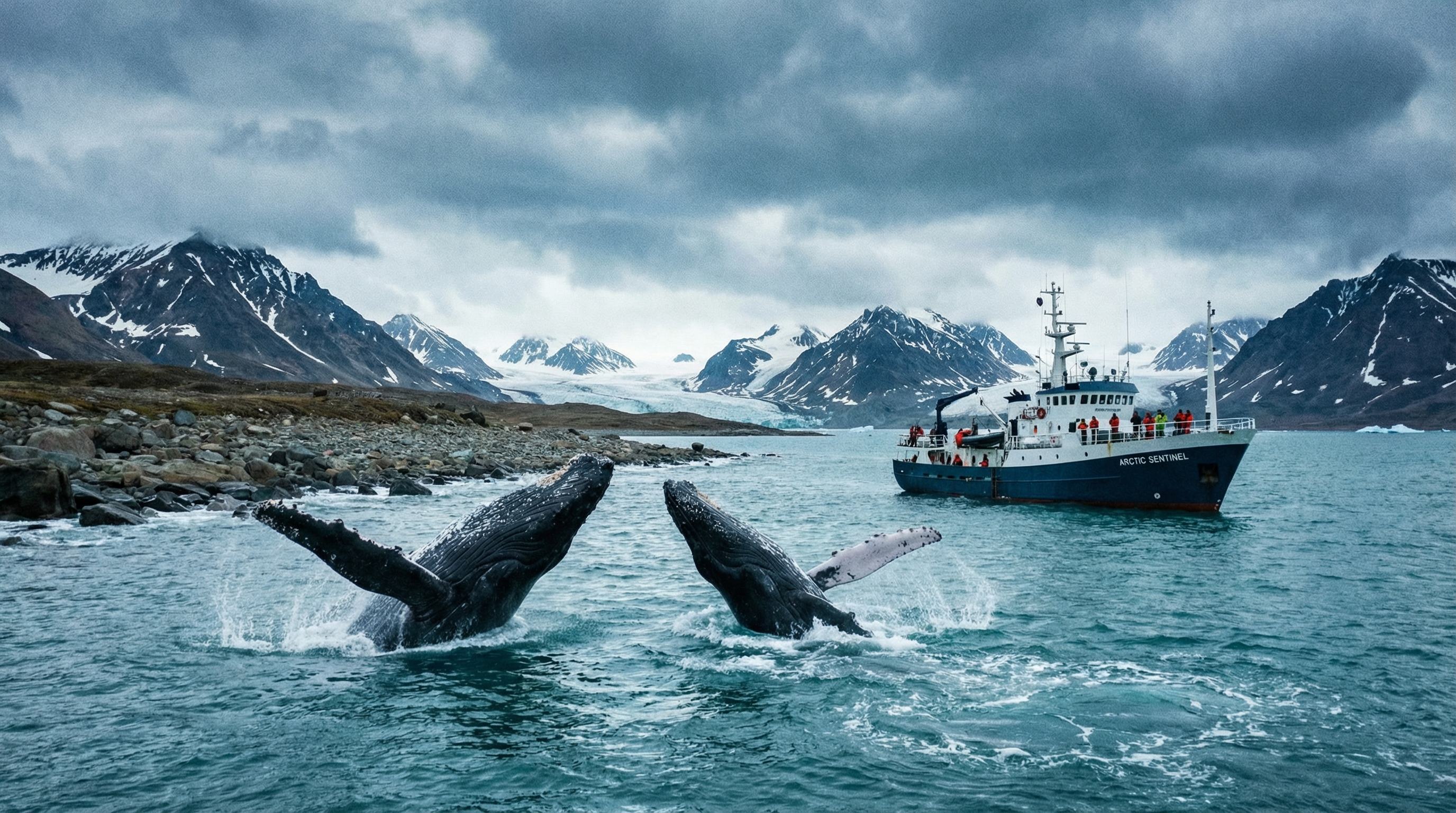
4) Whale and marine research regions
Why it matters: marine species face ship strikes, noise pollution, and declining food systems.
Traveler focus: responsible viewing distances, regulated vessels, and research-aligned operations.
Seasonal cue: Migration windows matter. Book around peak migration for best sightings.
Bookable Conservation Add-Ons
Not every conservation moment is a safari or a remote expedition. Some of the most useful conservation-friendly choices are simple: nature reserves, park entries, and protected-site access that funds maintenance and protection.
Where to Stay for Conservation-First Travel
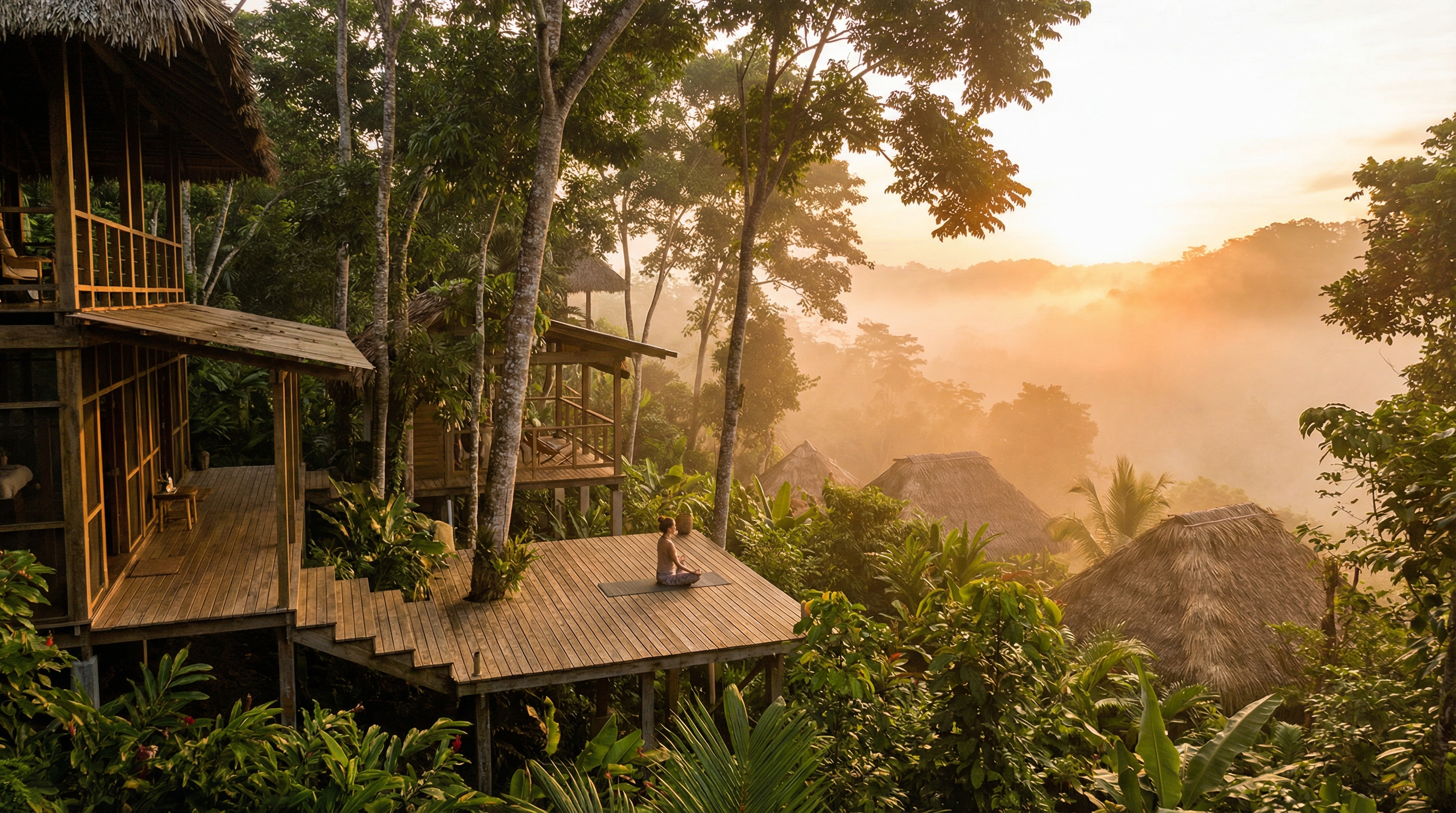
Accommodation choices can either be neutral or supportive. The best stays for conservation travel tend to be:
- Park-adjacent (reduces daily driving and pressure on habitat)
- Eco-lodges with verifiable sustainability practices
- Community-run stays where local benefit is clear
When to Go
Season matters because conservation travel is often tied to migration windows, nesting periods, and habitat access. Here’s a traveler-first way to think about it across all four seasons.
- Spring: Great for migration starts, newborn wildlife, and shoulder-season park access.
- Summer: Peak travel, longer daylight, high demand. Book earlier and prioritize regulated operators.
- Fall: Often the sweet spot. Fewer crowds, strong wildlife movement, and better pricing in many regions.
- Winter: Ideal for certain marine migrations, dry-season safari visibility in some areas, and quieter conservation zones.
Transport Layer: Only When It’s Actually Needed
Some conservation regions are easy to access. Others are remote. The rule is simple: if your destination requires off-grid access, plan transport that keeps you safe and reduces habitat damage.
- Use established park routes and official entry points.
- Avoid “shortcut” tracks that scar terrain.
- Choose local drivers when it’s safer than self-driving remote areas.
Final Thoughts
Conservation travel doesn’t have to be extreme, expensive, or performative. It just needs to be intentional.
If a trip helps protect habitat, supports local communities, and keeps wildlife wild, it belongs in the “good” category. That’s the standard.
If you want help building a conservation-friendly trip plan around specific destinations and seasons, start with Curated Travel. If you prefer to compare and assemble it yourself, use Booking Tools.
Frequently Asked Questions
How can travel actually help endangered species?
Travel can help when it funds protected areas, supports local conservation jobs, and chooses operators that follow ethical wildlife standards. The goal is supporting habitat protection and education without forcing animal interaction.
How do I know if a wildlife experience is ethical?
Avoid experiences that involve touching, feeding, riding, holding, or forced interaction. Look for regulated access, conservation partnerships, clear rules about distance, and transparent funding or community benefit.
Are “sanctuaries” always safe and ethical?
No. The term “sanctuary” isn’t regulated in many places. Look for transparency: rescue sources, rehabilitation practices, veterinary standards, and policies that prioritize animal welfare over tourist access.
What’s the best season for conservation travel?
It depends on what you want to see. Nesting and migration windows drive the best timing for many species. Spring and fall are often strong for fewer crowds, while summer and winter can be ideal for specific regions and species.
Should I book guided wildlife tours or go solo?
In many regions, guided tours improve safety and viewing quality while helping visitors follow ethical distance rules. Solo travel can work in well-managed parks, but guided trips are often the better choice for conservation-focused experiences.



Leave a Reply