Natural Soap Traditions Around the World: Where to Experience the Craft in 2026

Natural Soap Traditions Around the World: Where to Experience the Craft in 2026

Last Updated on February 20, 2026 by Jeremy

Natural soap isn’t just a product — it’s a cultural artifact. In many regions, soap-making is tied to agriculture, trade routes, seasonal harvests, and bathing rituals that have shaped communities for centuries.

Quick Answer: If you want to experience traditional natural soap-making in 2026, focus on regions where the craft is still practiced openly — Provence in France, Moroccan hammams and souks, and West African black soap cooperatives. These aren’t product shops. They’re living cultural experiences you can visit.

Some tours and stays referenced below are available through trusted travel partners. Reservations are completed directly with the provider.
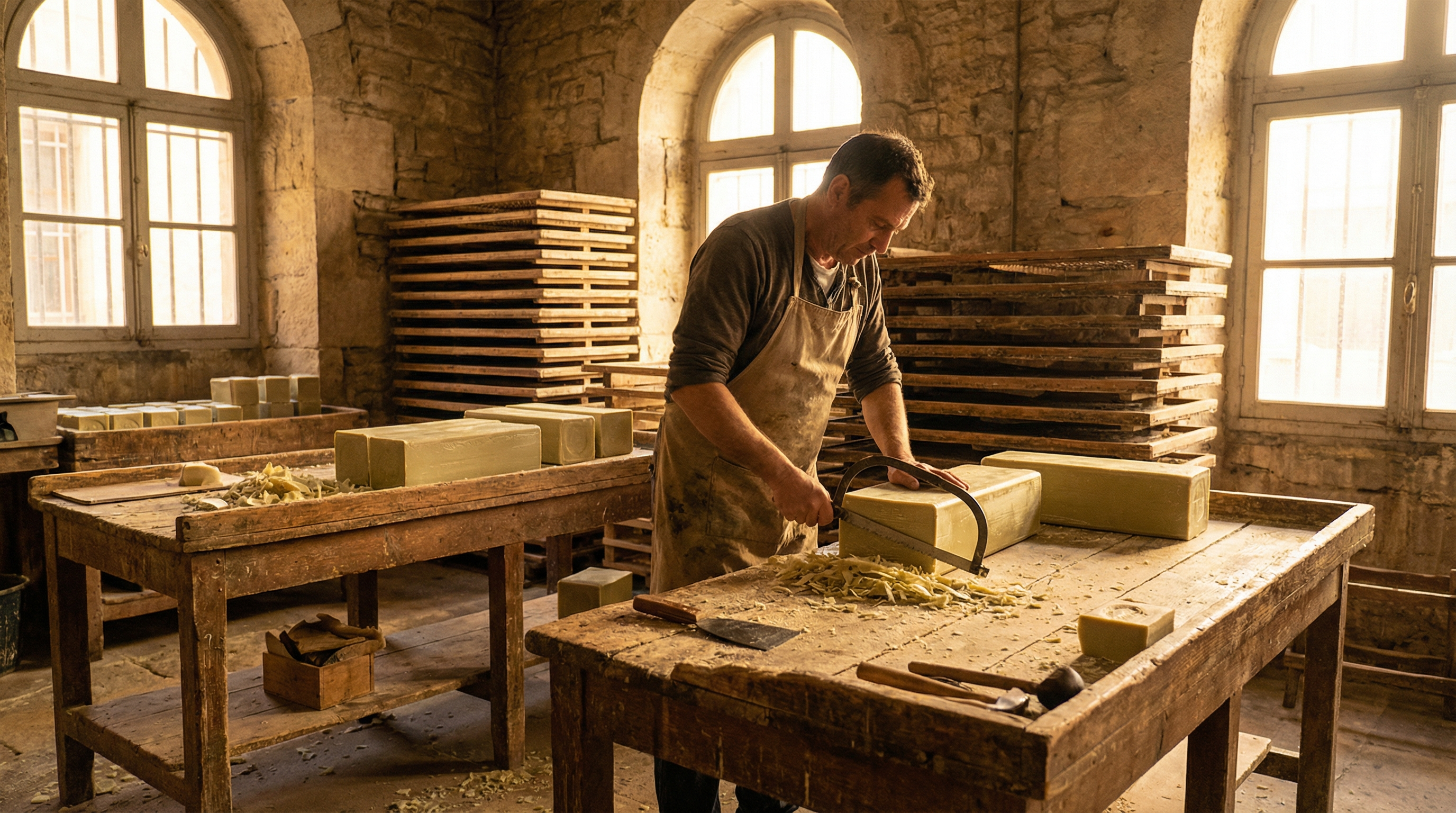
Traditional Marseille soap workshop with artisan cutting olive oil soap blocks

From Olive Oil to Ash: How Soap Traditions Formed

Soap-making traditions emerged from local resources. Mediterranean regions relied heavily on olive oil. West Africa developed plant-based ash soaps using cocoa pods and shea butter. Morocco blended olive oil with ghassoul clay and later argan oil.

These traditions weren’t cosmetic trends — they were agricultural extensions. What grew locally became what cleansed the body.

Provence, France: Savon de Marseille & Workshop Culture

In southern France, Savon de Marseille is still produced using traditional methods. Large blocks are poured, cured, cut by hand, and stamped. Visiting workshops in Marseille or Salon-de-Provence offers insight into centuries-old Mediterranean olive cultivation and soap craft.
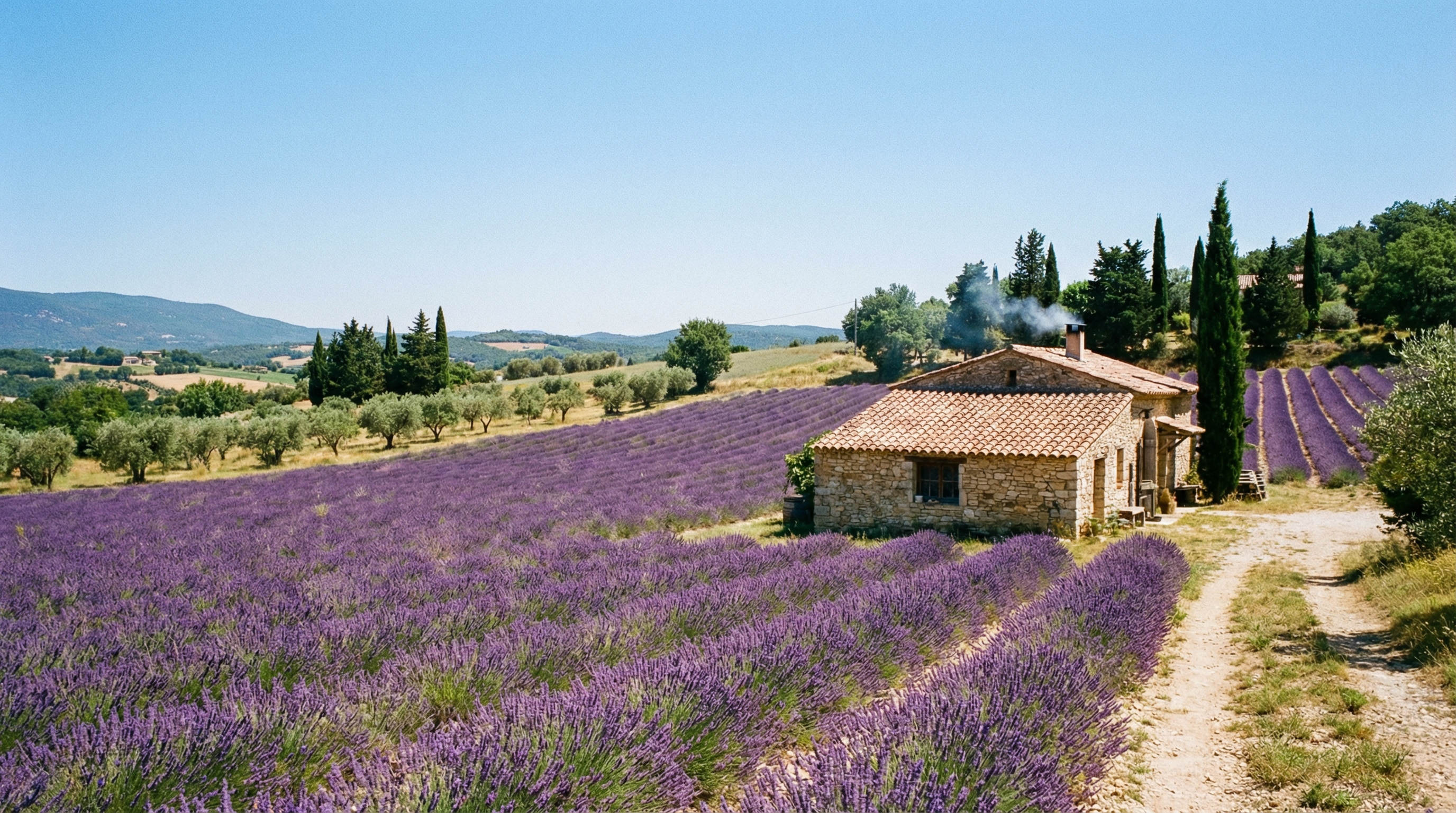
Lavender fields in Provence near soap workshop

Spring and early summer are ideal times to visit, when lavender fields bloom and artisan markets expand across the countryside.

Morocco: Hammams, Souks & Ritual Cleansing

Moroccan soap culture goes beyond production. It’s woven into the hammam ritual — a steam-based cleansing ceremony combining black soap, exfoliation, and mineral clay.
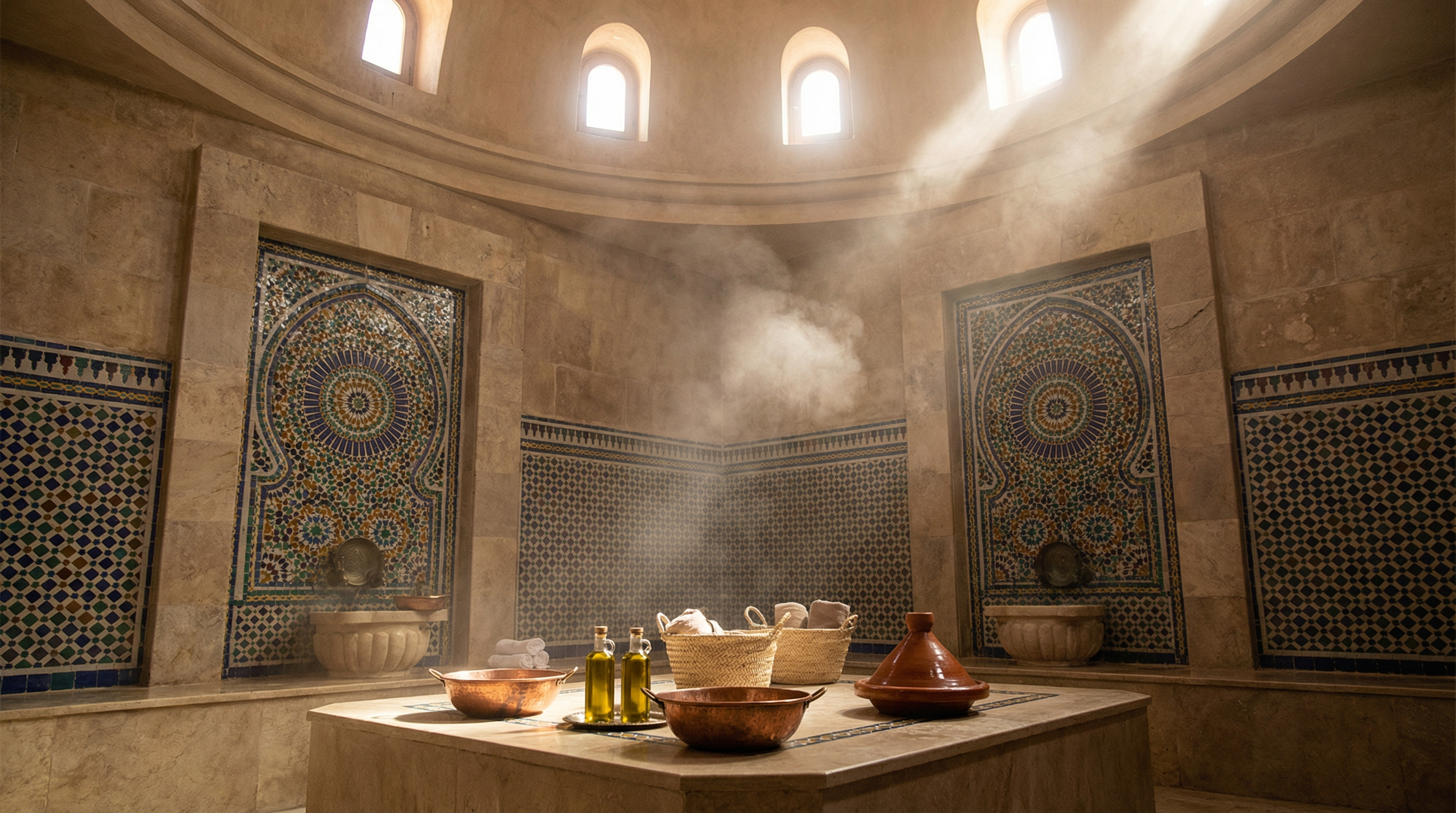
Traditional Moroccan hammam interior with steam and mosaic tile

In Marrakech and Fez, markets display hand-molded black soap infused with eucalyptus, saffron, and rosewater. The experience is sensory, communal, and deeply rooted in tradition.

Moroccan Hammam & Spa Experiences

Explore Marrakech (Self-Guided Cultural Tours)

West Africa: The Heritage of Black Soap

In Ghana and neighboring regions, African black soap is produced by cooperatives using plantain skins, cocoa pod ash, and shea butter. The process is often community-led and tied to agricultural cycles.
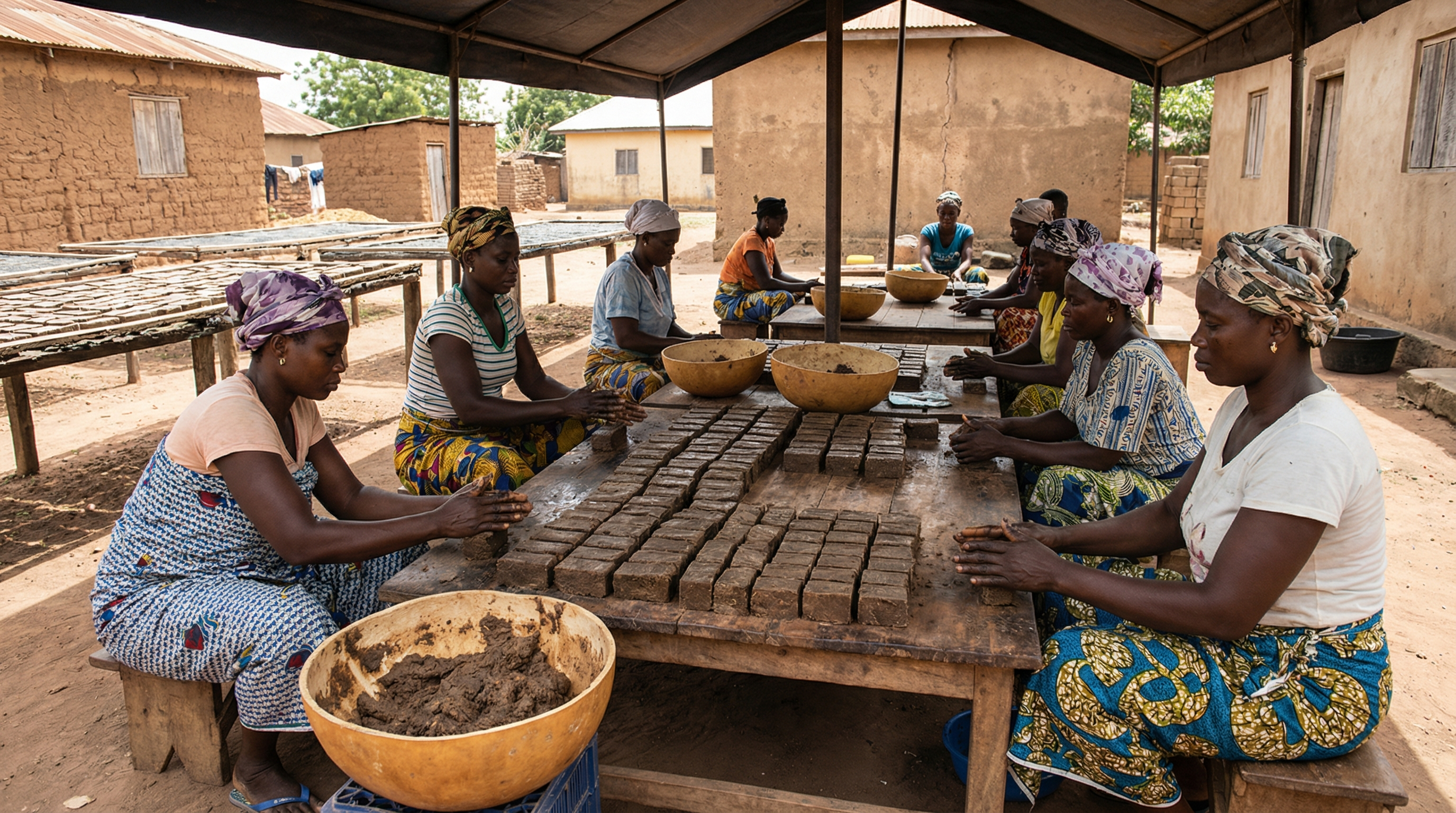
Ghanaian artisan shaping traditional black soap outdoors

Travelers visiting markets in Accra or Kumasi can observe soap shaping, drying, and local trade systems that support small-scale producers.

How to Build a Cultural Craft Itinerary

Pair one immersive workshop or hammam experience with market exploration and countryside stays. Allow time to explore agricultural surroundings — olive groves in Provence or argan cooperatives outside Marrakech.

Find Stays Near Cultural Craft Regions

Plan Your Cultural Craft Experience

Use our booking tools to compare regional workshops, hammam rituals, and heritage stays.

Use Booking Tools

Frequently Asked Questions

Can travelers visit traditional soap workshops?

Yes. Provence and parts of Morocco offer workshop visits and demonstrations tied to historic soap-making methods.

Is the Moroccan hammam experience cultural or spa-focused?

It is both. Traditional hammams are cultural cleansing rituals, while modern spa versions combine heritage with comfort-focused services.

When is the best season to visit soap-making regions?

Spring and early summer are ideal for Provence. Morocco is comfortable in spring and fall. West African visits depend on dry-season travel windows.

Are these experiences sustainable?

Many traditional soap practices rely on local agricultural inputs and small-scale production, making them naturally aligned with craft sustainability.

Categories:

Tags:

4 responses to “Natural Soap Traditions Around the World: Where to Experience the Craft in 2026”

  1. Vladimir S. Avatar
    Vladimir S.

    When I switched to handmade soap, my skin improved significantly—fewer breakouts and no more dryness. It’s amazing how much of a difference natural ingredients can make compared to mass-produced commercial soaps.

    One tip for beginners, if I may: start with small batches. This minimizes waste and makes it easier to experiment with ingredients and techniques. If you’re hesitant about using lye, online calculators can ensure safe and effective ratios.

    I also appreciate the sustainability angle in this article. I’ve started reusing soap scraps to create new bars or liquid soap, and I package my creations in kraft paper and twine for eco-friendly gifting. It’s a rewarding process that feels good for both the skin and the planet!

    1. Jeremy Avatar
      Jeremy

      Excellent advice, Vladimir! It’s great to hear how switching to natural soap made such a positive impact on your skin. And your sustainability efforts? That’s next-level! Reusing soap scraps and opting for eco-friendly packaging is such a great way to keep the process as natural as the ingredients themselves.

      Experimenting with small batches is definitely the way to go, especially when working with unique global ingredients—olive oil from Greece, shea butter from West Africa, or ghassoul clay from Morocco all bring their own skincare benefits. Do you have a favorite soap-making tradition from around the world that has inspired you?

      Thanks again for sharing your insights!

  2. Mark Avatar
    Mark

    Hi Jeremy,

    I have to admit, the only soap-making I’ve ever heard about was on The Beverly Hillbillies! Granny stirring lye soap in a kettle over the cement pond is my only reference—until now. Your article really opened my eyes to how much tradition and craftsmanship goes into natural soap-making around the world.

    Quick question—when making soap, how much do you typically make in one session? Are we talking a dozen bars or an entire stockpile?

    I also went through a phase where my usual soap started drying out my skin—Irish Spring, of all things! After some trial and error, I settled on Dove Men + Care, which helped, but when I look at the ingredient list, it’s a chemical jungle. I’m seriously considering making my own now. What natural ingredients would you suggest to keep skin hydrated without all the synthetic stuff?

    Thanks!

    1. Jeremy Avatar
      Jeremy

      Hey Mark,

      That Beverly Hillbillies reference made me laugh—Granny’s lye soap is a classic! Soap-making has definitely come a long way since those days, and today’s natural methods focus more on skin-loving ingredients than just getting the laundry done.

      To answer your question, batch sizes really depend on how much you want to make. For personal use, I’d say a small batch (12-18 bars) is a good starting point, but if you’re getting serious, you could easily make 5-6 dozen at a time. It all comes down to your molds and how much soap you go through!

      As for a natural alternative to Irish Spring (or any commercial deodorant soap that dries out skin), I’d recommend a blend of:

      Olive Oil – Moisturizing and gentle on the skin
      Shea Butter – Deep hydration and a creamy lather
      Coconut Oil – Adds lather but should be balanced to avoid dryness
      Castor Oil – Helps with lather and keeps skin soft
      Essential Oils – Something soothing like lavender or sandalwood for scent
      If you’re interested, I can recommend a beginner-friendly recipe that’s simple but packed with skin benefits. Making your own soap is a game-changer—it’s like creating a custom skincare routine from scratch, but with global inspiration.

      Let me know if you decide to give it a try!

Leave a Reply

Your email address will not be published. Required fields are marked *