
Last Updated on February 20, 2026 by Jeremy
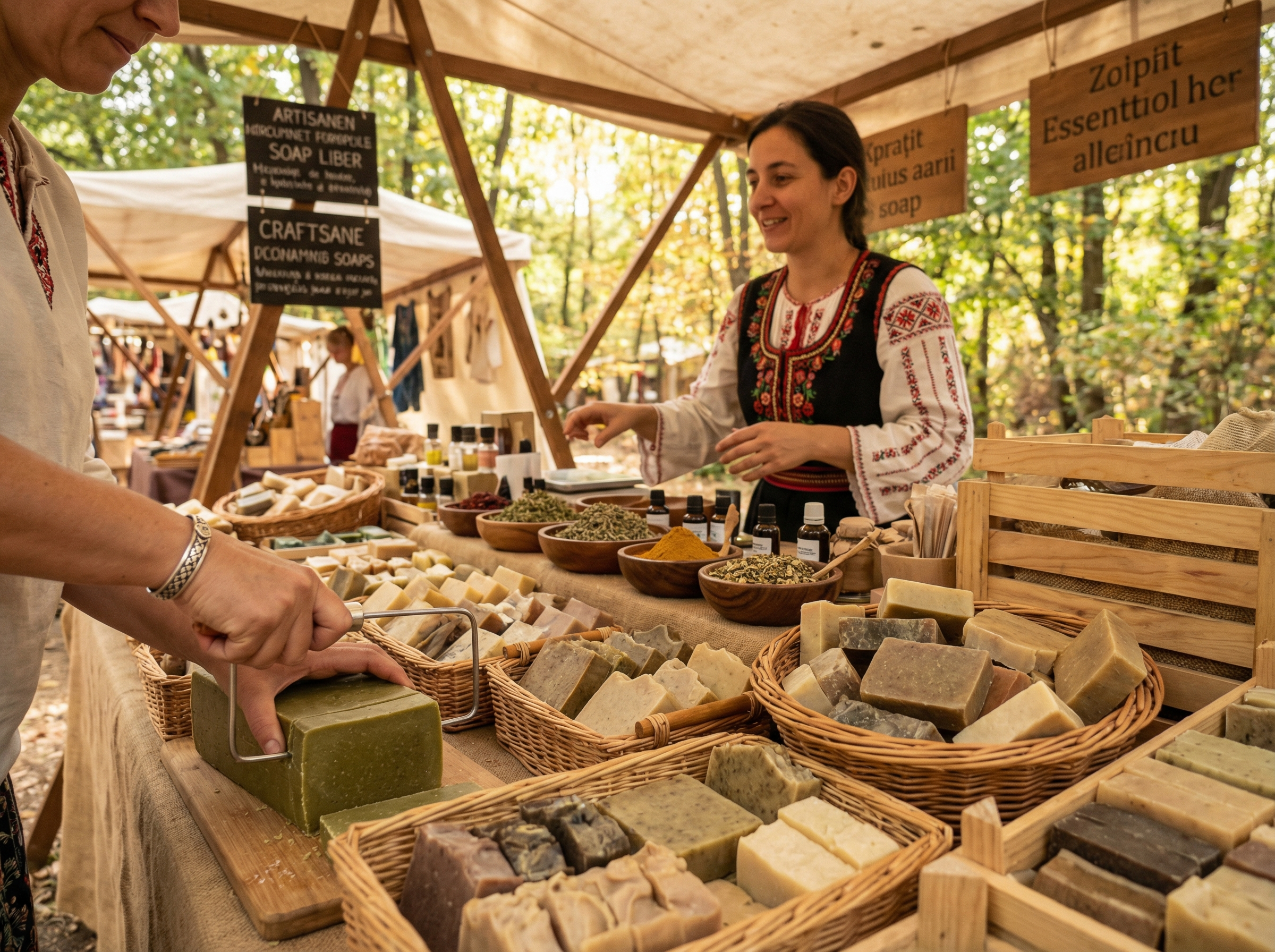
Natural soap isn’t just a product — it’s a cultural artifact. In many regions, soap-making is tied to agriculture, trade routes, seasonal harvests, and bathing rituals that have shaped communities for centuries.
Some tours and stays referenced below are available through trusted travel partners. Reservations are completed directly with the provider.
From Olive Oil to Ash: How Soap Traditions Formed
Soap-making traditions emerged from local resources. Mediterranean regions relied heavily on olive oil. West Africa developed plant-based ash soaps using cocoa pods and shea butter. Morocco blended olive oil with ghassoul clay and later argan oil.
These traditions weren’t cosmetic trends — they were agricultural extensions. What grew locally became what cleansed the body.
Provence, France: Savon de Marseille & Workshop Culture
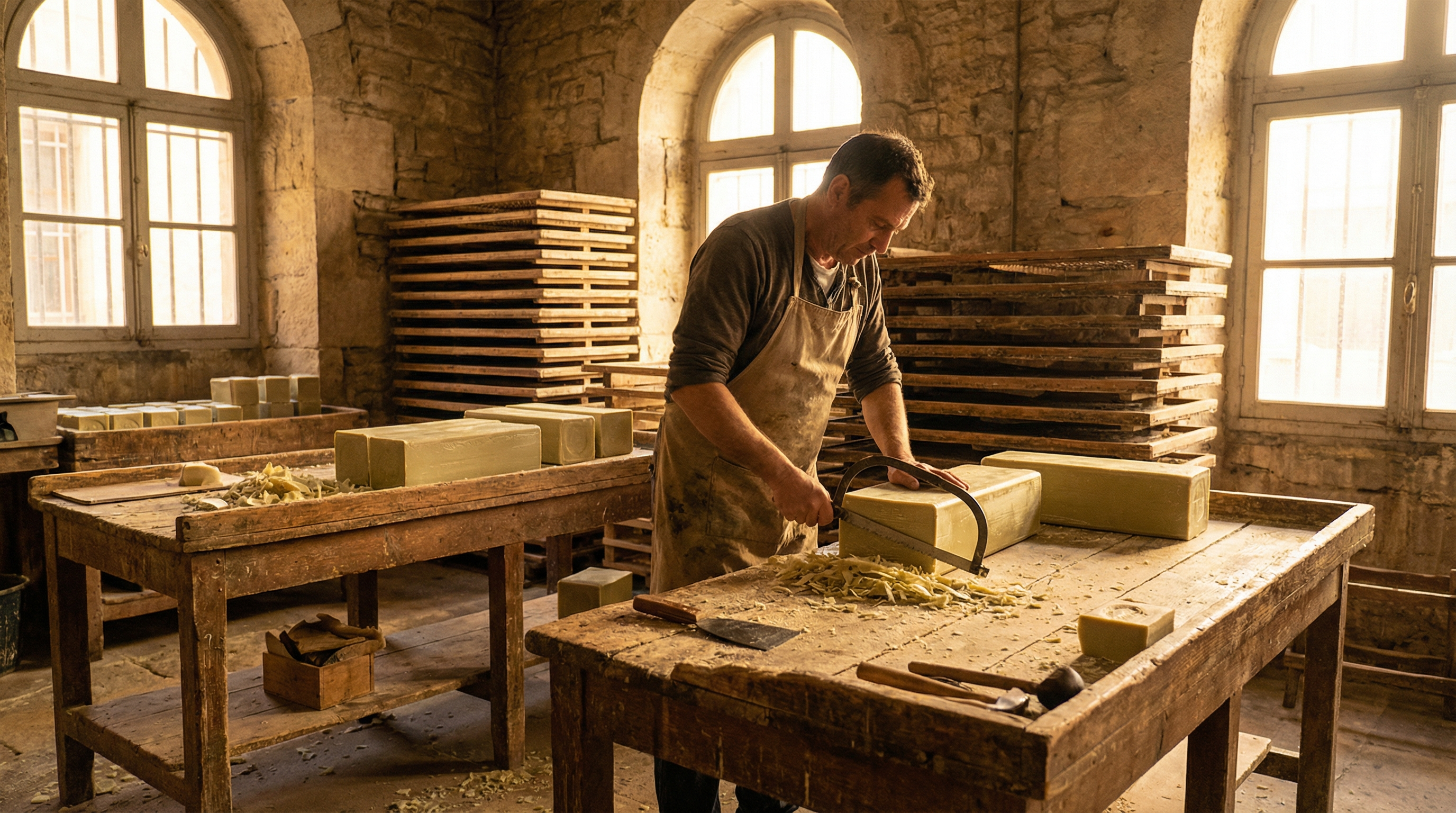
In southern France, Savon de Marseille is still produced using traditional methods. Large blocks are poured, cured, cut by hand, and stamped. Visiting workshops in Marseille or Salon-de-Provence offers insight into centuries-old Mediterranean olive cultivation and soap craft.
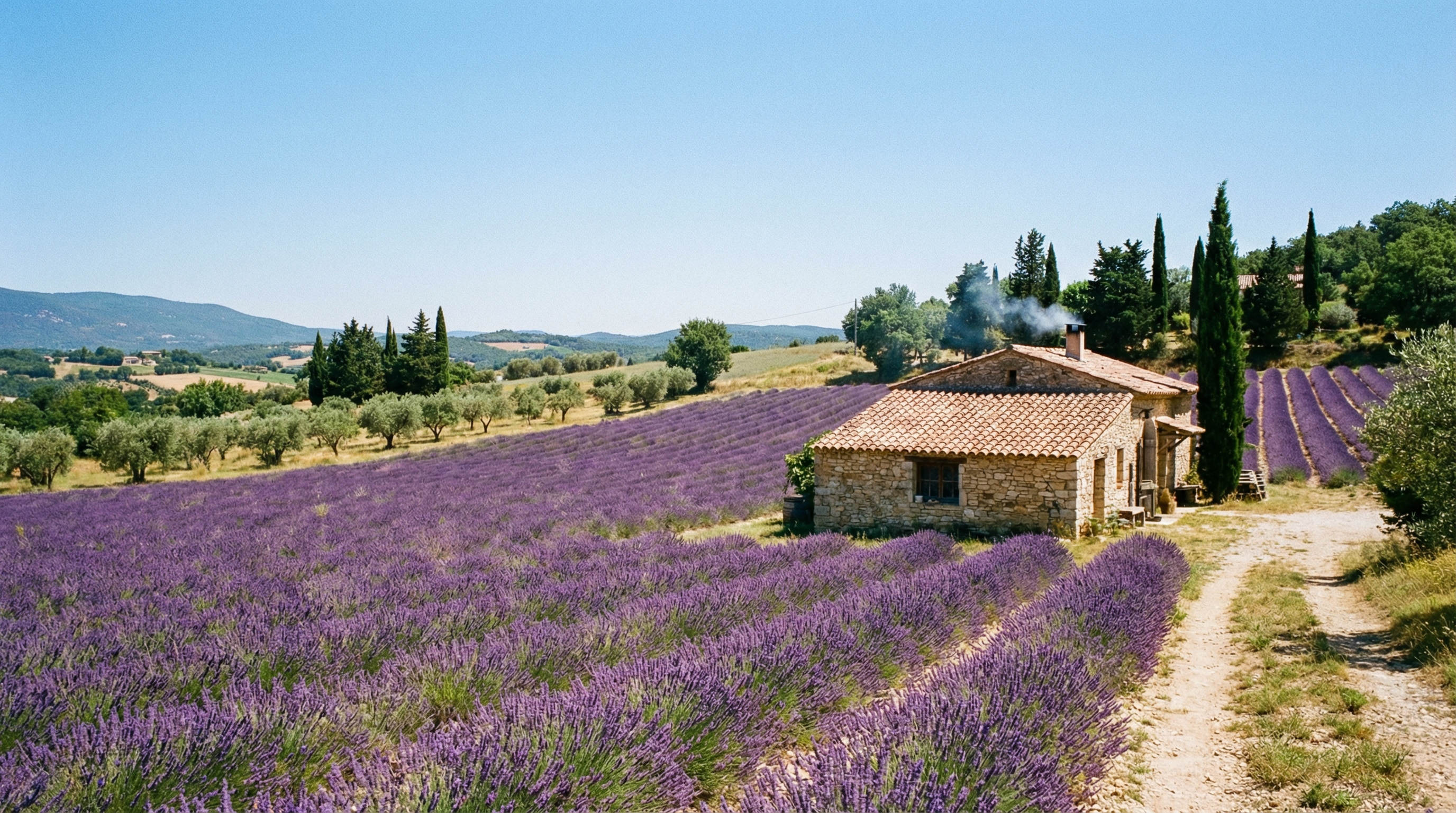
Spring and early summer are ideal times to visit, when lavender fields bloom and artisan markets expand across the countryside.
Morocco: Hammams, Souks & Ritual Cleansing
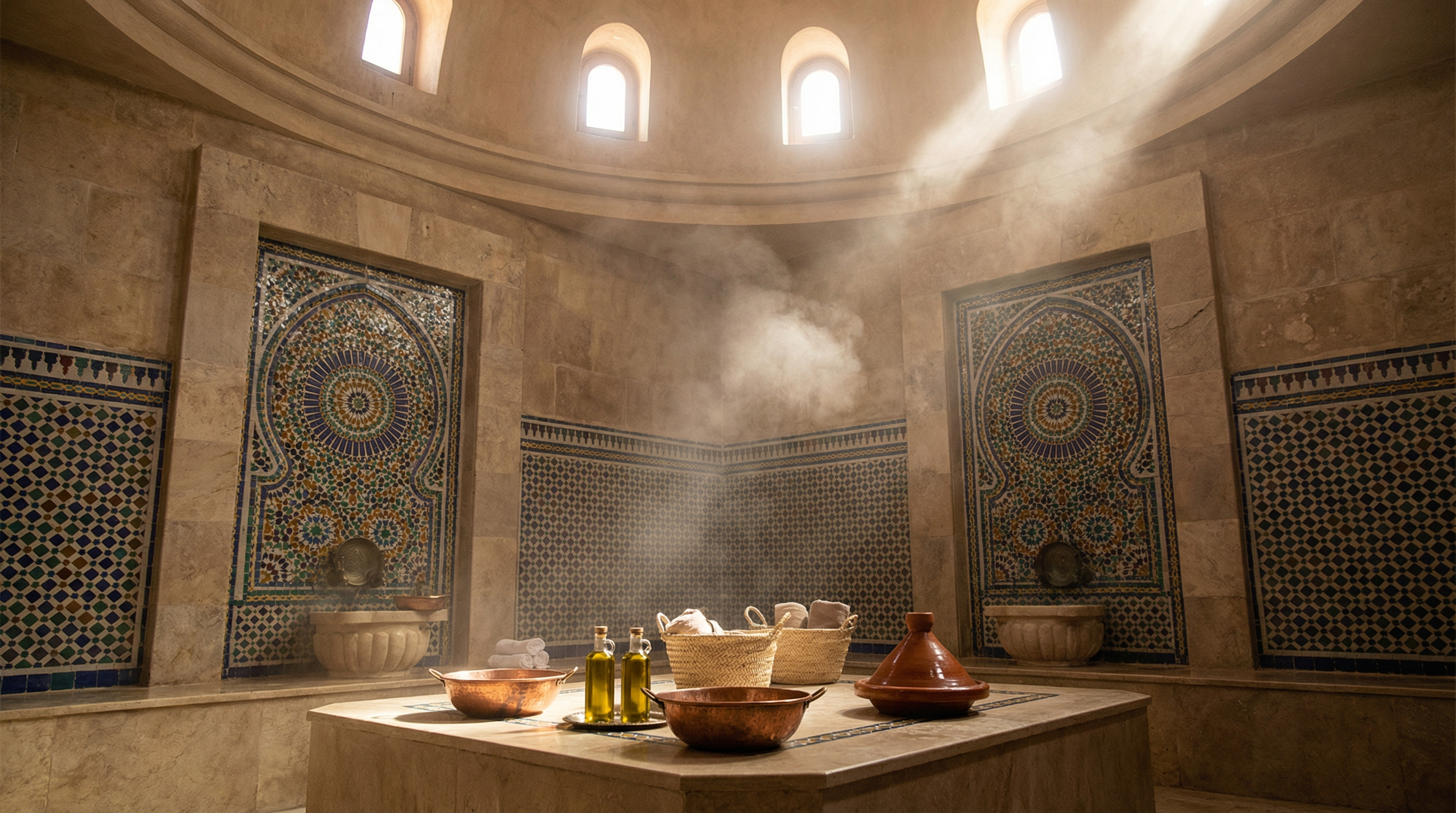
Moroccan soap culture goes beyond production. It’s woven into the hammam ritual — a steam-based cleansing ceremony combining black soap, exfoliation, and mineral clay.
In Marrakech and Fez, markets display hand-molded black soap infused with eucalyptus, saffron, and rosewater. The experience is sensory, communal, and deeply rooted in tradition.
West Africa: The Heritage of Black Soap
In Ghana and neighboring regions, African black soap is produced by cooperatives using plantain skins, cocoa pod ash, and shea butter. The process is often community-led and tied to agricultural cycles.
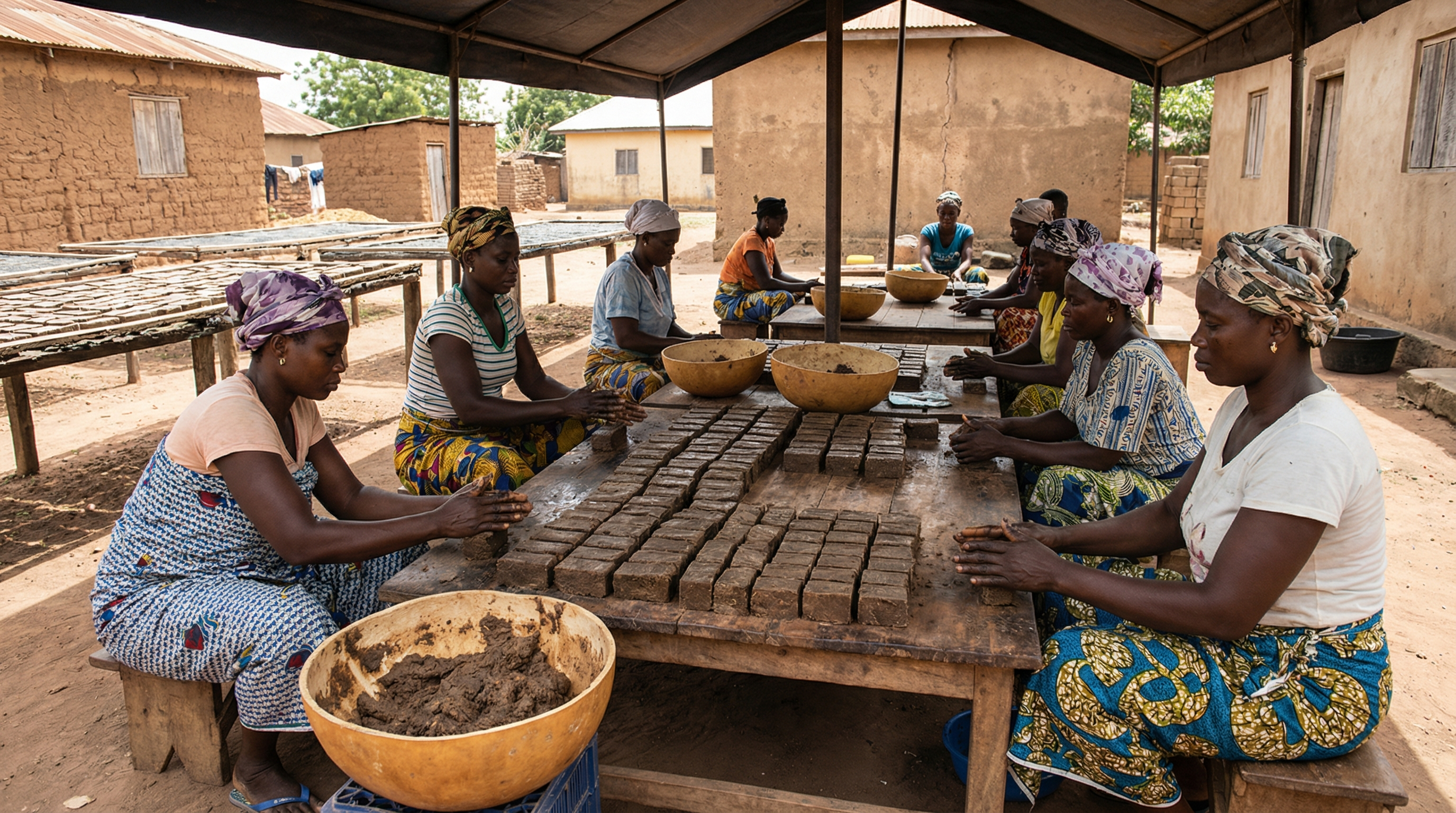
Travelers visiting markets in Accra or Kumasi can observe soap shaping, drying, and local trade systems that support small-scale producers.
How to Build a Cultural Craft Itinerary
Pair one immersive workshop or hammam experience with market exploration and countryside stays. Allow time to explore agricultural surroundings — olive groves in Provence or argan cooperatives outside Marrakech.
Plan Your Cultural Craft Experience
Use our booking tools to compare regional workshops, hammam rituals, and heritage stays.
Use Booking ToolsFrequently Asked Questions
Can travelers visit traditional soap workshops?
Yes. Provence and parts of Morocco offer workshop visits and demonstrations tied to historic soap-making methods.
Is the Moroccan hammam experience cultural or spa-focused?
It is both. Traditional hammams are cultural cleansing rituals, while modern spa versions combine heritage with comfort-focused services.
When is the best season to visit soap-making regions?
Spring and early summer are ideal for Provence. Morocco is comfortable in spring and fall. West African visits depend on dry-season travel windows.
Are these experiences sustainable?
Many traditional soap practices rely on local agricultural inputs and small-scale production, making them naturally aligned with craft sustainability.



Leave a Reply