

Last Updated on January 15, 2026 by Jeremy
Earthbound Tours • Family Travel • January and February Peak Season
Peak season can be a blast or a budget-eating, line-waiting circus. This guide keeps the fun and drops the chaos. You will get global destination picks, planning tips that actually work, and a deeper Costa Rica safety section for families.
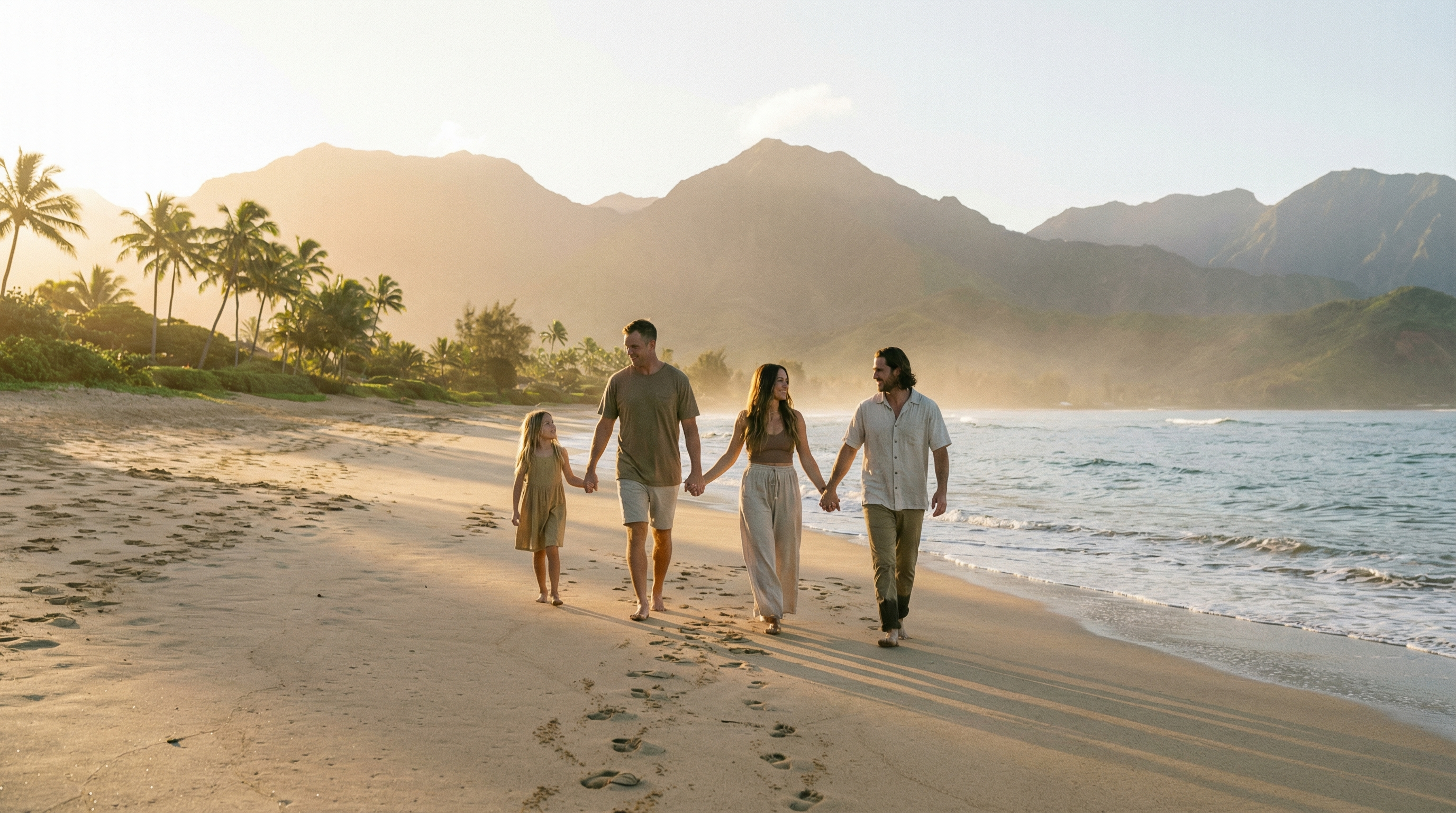
Where Do Families Travel Most in January and February?
January and February travel is driven by three forces: winter weather, school calendars, and the simple human need for sunshine. Most family trips fall into these buckets:
1) Mexico (the winter family heavyweight)
Mexico stays near the top because it is warm, easy to reach for North Americans, and built for family travel with tons of lodging options and day tours.
2) The Caribbean (sun and sand, usually at peak prices)
The Caribbean is classic peak season travel. It can be perfect for families who want straightforward beach time, but it rewards early booking.
3) Costa Rica (nature-first, family-friendly, meaningful)
Costa Rica shines in January and February because it is dry season in many regions, wildlife is easy to spot, and families can mix beaches, rainforest, and culture without needing five separate trips.
4) Florida (warm domestic trips with theme parks)
Florida stays popular for families that want warm weather without border logistics. It is also built for short trips and flexible schedules.
5) Southeast Asia (long-haul value for adventurous families)
Thailand, Bali, and parts of Vietnam become winter favorites for families who want culture, food, and strong value once flights are booked.

Peak Season Travel Tips for Families (That Actually Reduce Stress)
This is the part that saves vacations. These are the habits that keep families out of the worst lines, the worst prices, and the worst timing.
- Book the “must-do” experiences first. Tours, park tickets, and special activities sell out faster than flights in many destinations.
- Travel mid-week when possible. Tuesday to Thursday flights and check-ins are often smoother than weekend waves.
- Choose a “base camp” area. One home base with short day trips beats packing up every 48 hours with kids.
- Plan for one big activity per day. Stack too much and everyone melts down by lunchtime, including adults.
- Use early mornings for the popular stuff. Wildlife tours, theme parks, and national parks all reward early starts.
- Build a weather buffer. Even in dry season, microclimates exist. Have a backup plan that still feels like a win.
- Keep the itinerary kid-realistic. If it needs a two-hour drive for a 30-minute stop, it better be a legendary stop.
Want the easy button for planning?
Use our Booking Tools to compare trusted platforms, then browse our Tours for family-friendly experiences that fit peak season travel.
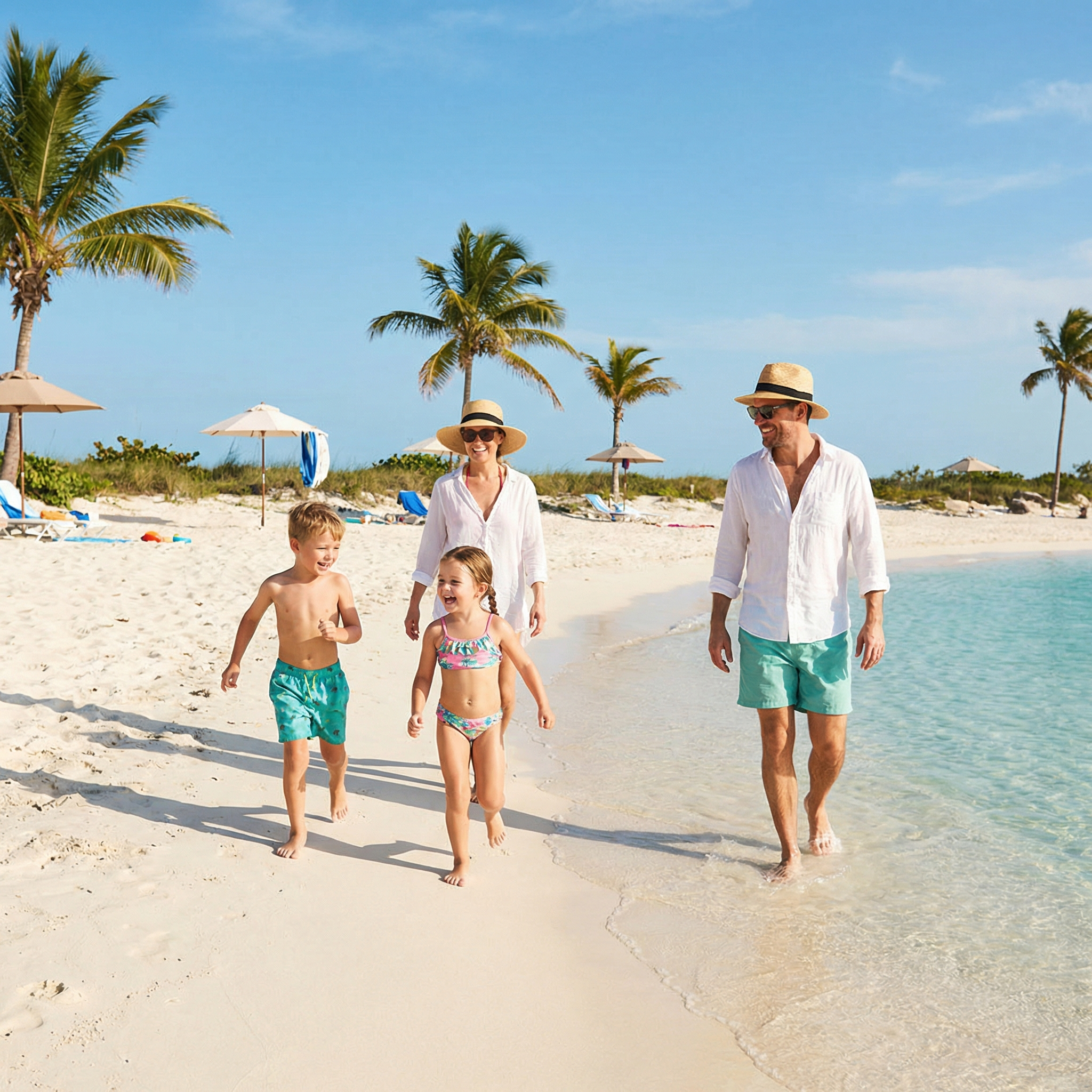
Is Costa Rica Safe for Family Travel?
This is one of the most searched questions for a reason. Parents want to know the reality, not a glossy brochure answer. Here is the grounded version:
What “safe” looks like in real life
- Petty theft happens in tourist zones just like it does in most popular destinations. Lock things up and do not leave valuables visible in cars.
- Road safety matters more than crime for many families. Night driving, mountain roads, and heavy rain can be more stressful than people expect.
- Choose reputable tours and transportation. This is where curated experiences beat random decisions made at the last minute.
- Water and sun safety are the quiet issues. Hydration, reef-safe sunscreen, hats, and breaks in the shade keep kids happy.
If you want a Costa Rica-specific experience list that stays budget-friendly (and very family doable), use this: 7 Bucketlist Experiences You Can Afford In Costa Rica .
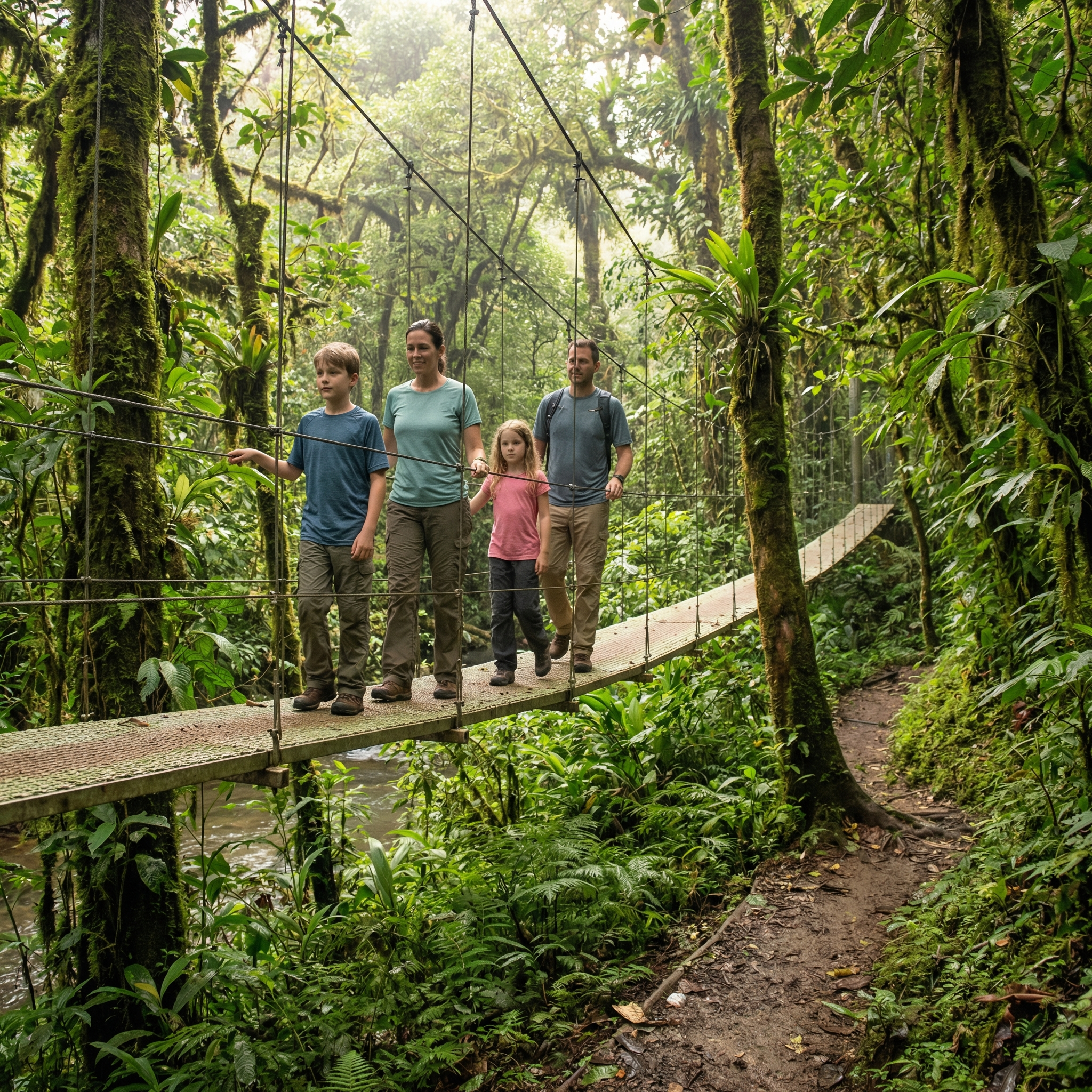
Best Family-Friendly Things to Do in Costa Rica in January
January is prime time for family adventure. The trick is to pick activities that fit your kids’ ages and your family pace. Here are high-confidence options:
- Rainforest walks and hanging bridges for wildlife spotting with minimal “are we there yet?” energy.
- Gentle river float tours that prioritize nature and comfort over adrenaline.
- Beach days with a purpose like beginner surf lessons or snorkeling in calm coves.
- Hot springs in Arenal for a family reset day that still feels special.
Earthbound note: Peak season is when curated tours matter most. The best guides and time slots get booked first. If you want the easiest planning workflow, start at our Tours page.
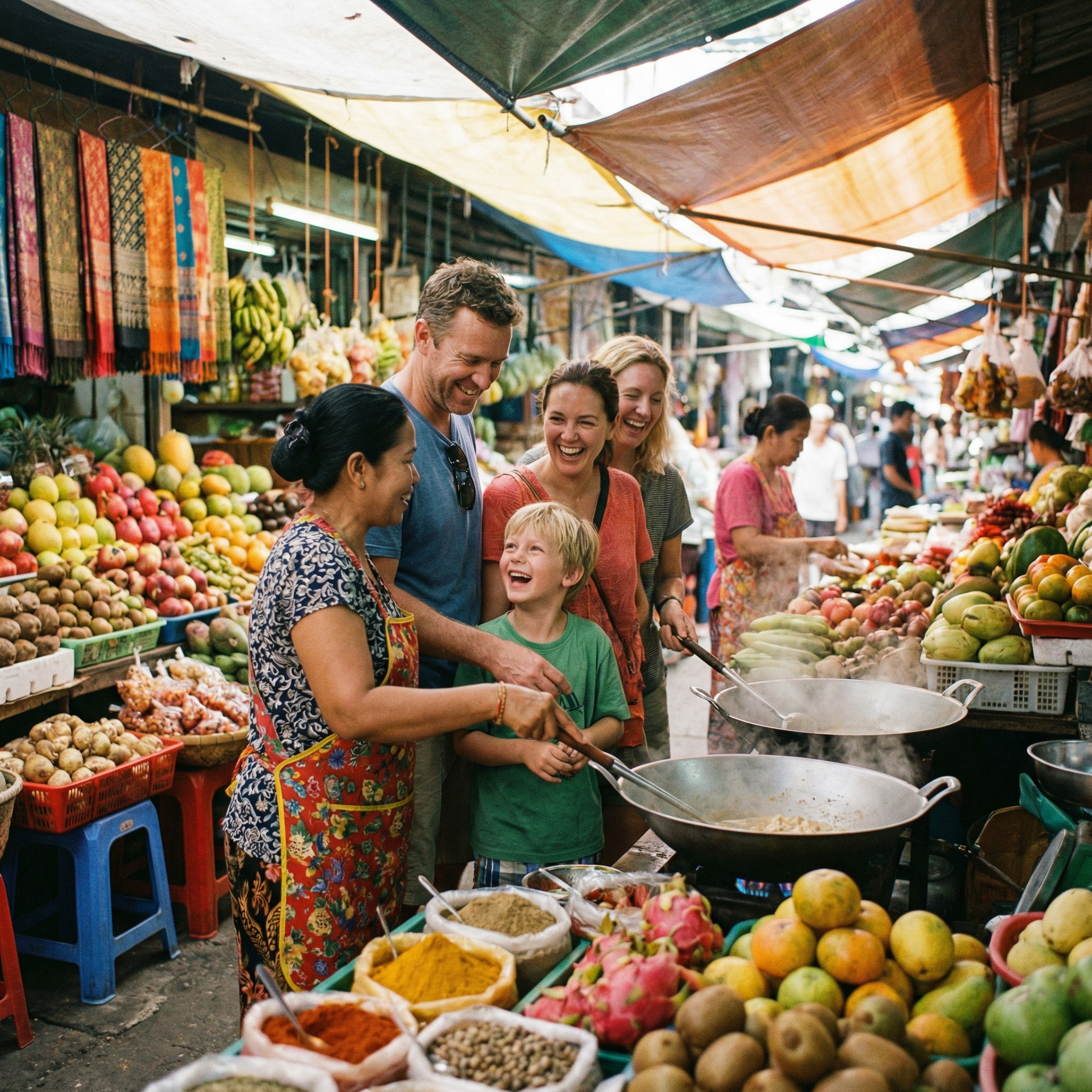
Meaningful Travel: Cultural Experiences Families Actually Enjoy
If you want your trip to feel like more than a resort loop, add one or two cultural anchors. Not the rushed “quick stop” version. The kind where your kids can ask questions and actually participate.
- Local markets where kids can try fruit they have never seen before and learn what real travel tastes like.
- Cooking classes that work for families. Short, hands-on, and food you actually want to eat.
- Chocolate or coffee experiences that show the story behind what ends up in your kitchen at home.
- Small-town festivals if the timing works. These are often the most “we actually lived here for a day” memories.

How to Plan Peak Season Travel With Kids (Simple Framework)
If you only take one thing from this article, make it this: peak season rewards clarity. Here is a planning framework that keeps families sane.
- Pick the trip goal. Beach recovery, nature adventure, culture, theme parks, or a mix.
- Choose one base region. Reduce moves. Increase enjoyment.
- Lock the top 2 experiences. Those are your “vacation wins.” Everything else is flexible.
- Build in rest. Rest is not wasted time. It is how families avoid burnout.
- Book transportation logically. Fewer long drives, fewer surprises, better moods.
Recommended Next Step
If you are deciding between destinations and you want something that blends nature, culture, and family-friendly adventure, Costa Rica is a strong January and February pick. If you want a broader “easy-mode” winter trip, Mexico and the Caribbean often win on convenience.
Either way, peak season gets a lot easier when you stop trying to do everything and start doing the right few things well.
Learn more about who we are here: About Earthbound Tours.
FAQ: Peak Season Family Travel (January and February)
What is peak season travel for families?
Peak season is the busiest travel window, usually driven by school breaks and ideal weather. In January and February, peak season often means warm-weather destinations have higher prices and more demand.
Where do families travel most in January and February?
Mexico, the Caribbean, Costa Rica, Florida, and popular Southeast Asia destinations like Thailand and Bali are common picks, especially for families chasing warmth and reliable activities.
Is Costa Rica safe for family travel?
Many families consider Costa Rica a safe and welcoming destination when they use normal travel common sense. Focus on reputable tours, be mindful with valuables, and plan transportation in a way that avoids stressful night driving.
How early should families book peak season travel?
For January and February, booking as early as possible is smart, especially for popular hotels, flights, and “must-do” tours. The best time slots and family-friendly inventory are usually the first to go.
How can families avoid crowds during peak season?
Travel mid-week, start popular activities early, use one base location, and prioritize experiences that require reservations. This approach avoids the worst bottlenecks without sacrificing fun.
Build your family trip with curated options
Start here: Earthbound Tours. Then compare platforms on Booking Tools and browse Tours.
Recommended Costa Rica family tour:
La Fortuna: Arenal Volcano, Hanging Bridges & Waterfall Tour
This is a high-confidence family day trip that stacks three “vacation wins” into one: rainforest bridges, a waterfall stop, and Arenal scenery.
It is a smart peak season choice because it is structured, guided, and easy to book ahead.
Affiliate note: Earthbound Tours may earn a commission when you book through recommended partners, at no extra cost to you. We only recommend platforms and experiences we believe genuinely help families plan better trips.



Leave a Reply