
Last Updated on July 4, 2026 by Jeremy
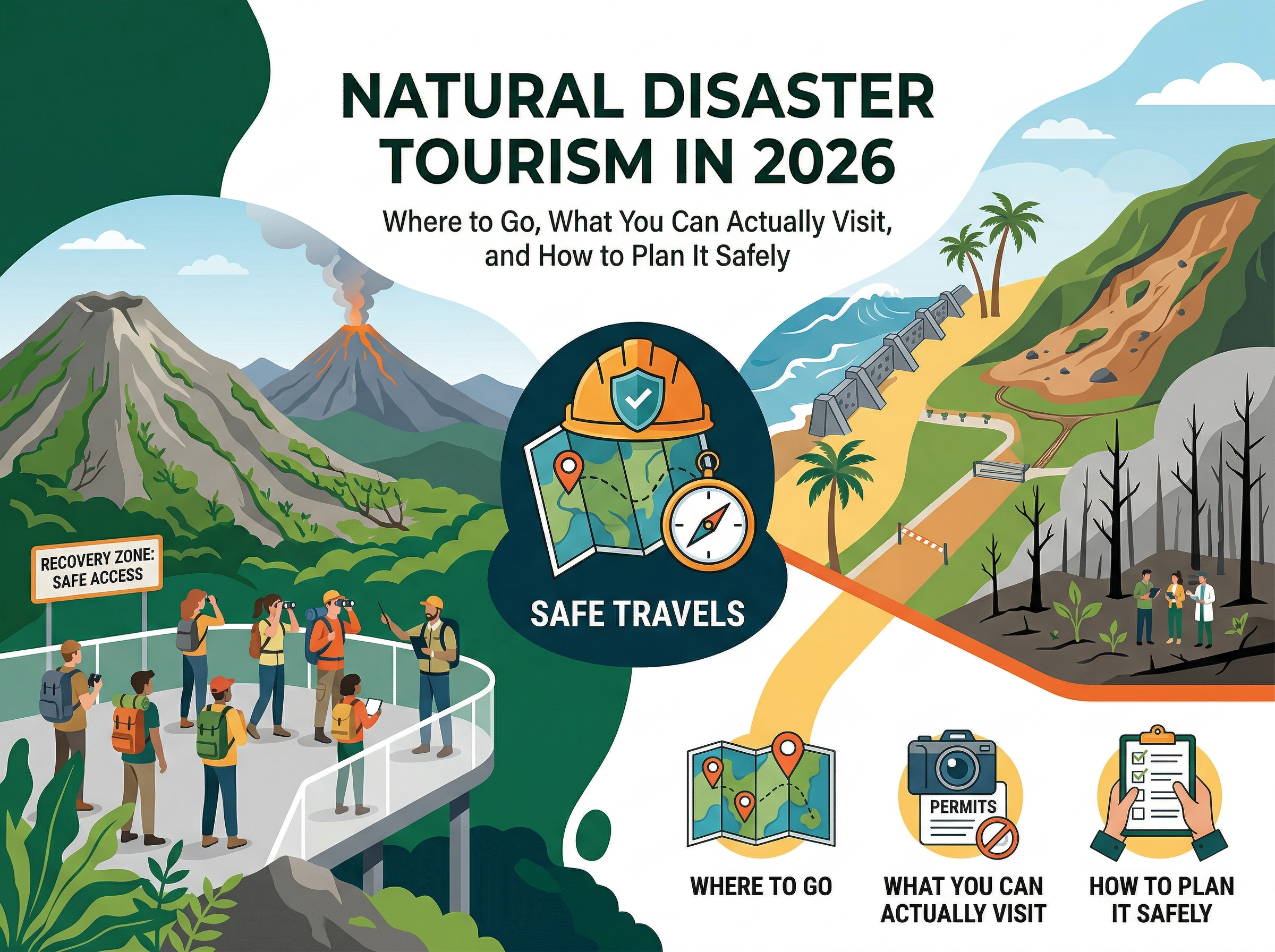
Natural disaster tourism sits in a weird spot. People are drawn to volcanoes, flood-scarred districts, burn zones, and quake-shaped landscapes, but most articles either drift into doom-and-gloom storytelling or go completely vague on the part that actually matters: what can you visit, when should you go, and how do you do it without planning like a raccoon in a parking lot.
The real challenge is rarely curiosity. It is logistics. Some sites are seasonal, some are partially accessible, some are best visited through guided interpretation rather than wandering around pretending you’re in a documentary. If you want a trip like this to feel memorable instead of messy, you need a plan that balances safety, timing, and bookable options.
Quick Answer: Yes, natural disaster destinations can make incredible trips in 2026, but the best ones are the places you can actually access safely through structured viewpoints, guided hikes, museums, local interpretation, and nearby overnight bases.
The smartest approach is to build around one anchor experience, then add stays and transport that match the region rather than trying to “wing it” across unstable or remote areas.
Why this kind of travel is growing
Not everyone wants another interchangeable beach photo and a resort buffet review pretending to be life-changing. A growing chunk of travelers want places with visible story. They want landscapes that show what happened, what changed, and what came back.
That is why disaster-related destinations can be so compelling. They combine geology, ecology, recovery, local history, and real-world perspective in one trip. Done right, this is not about chasing danger. It is about visiting places where the earth, or the water, or the fire, clearly left its mark, and where people have had to adapt around it.
What most disaster tourism articles get wrong
They usually stop at “here are some fascinating places.” Cool. Very useful. Truly groundbreaking stuff. Then they leave out the practical questions:
- Can you actually visit the site right now?
- Do you need a guided tour, a trail plan, or just a museum ticket?
- What nearby town makes the best base?
- Is this a same-day experience or an overnight trip?
- What season gives you the least friction?
That is the gap this version fixes. Instead of treating every natural disaster destination like some abstract bucket-list concept, this guide focuses on real trip execution.
The best types of natural disaster destinations to plan around
1. Volcanic landscapes you can experience visually and physically
These are often the strongest fit for travelers because they combine scenery, hiking, interpretation, geology, and photography. Iceland is the obvious heavyweight here, but it is not the only one. What matters is whether the region has safe viewing areas, guided access, and nearby infrastructure.
2. Flood and storm recovery destinations with cultural context
These work best in cities where the disaster is part of the historical story, not just a damaged area on a map. New Orleans is one of the clearest examples because you can pair neighborhood context, museum experiences, food, and accommodations into one trip that still feels human rather than exploitative.
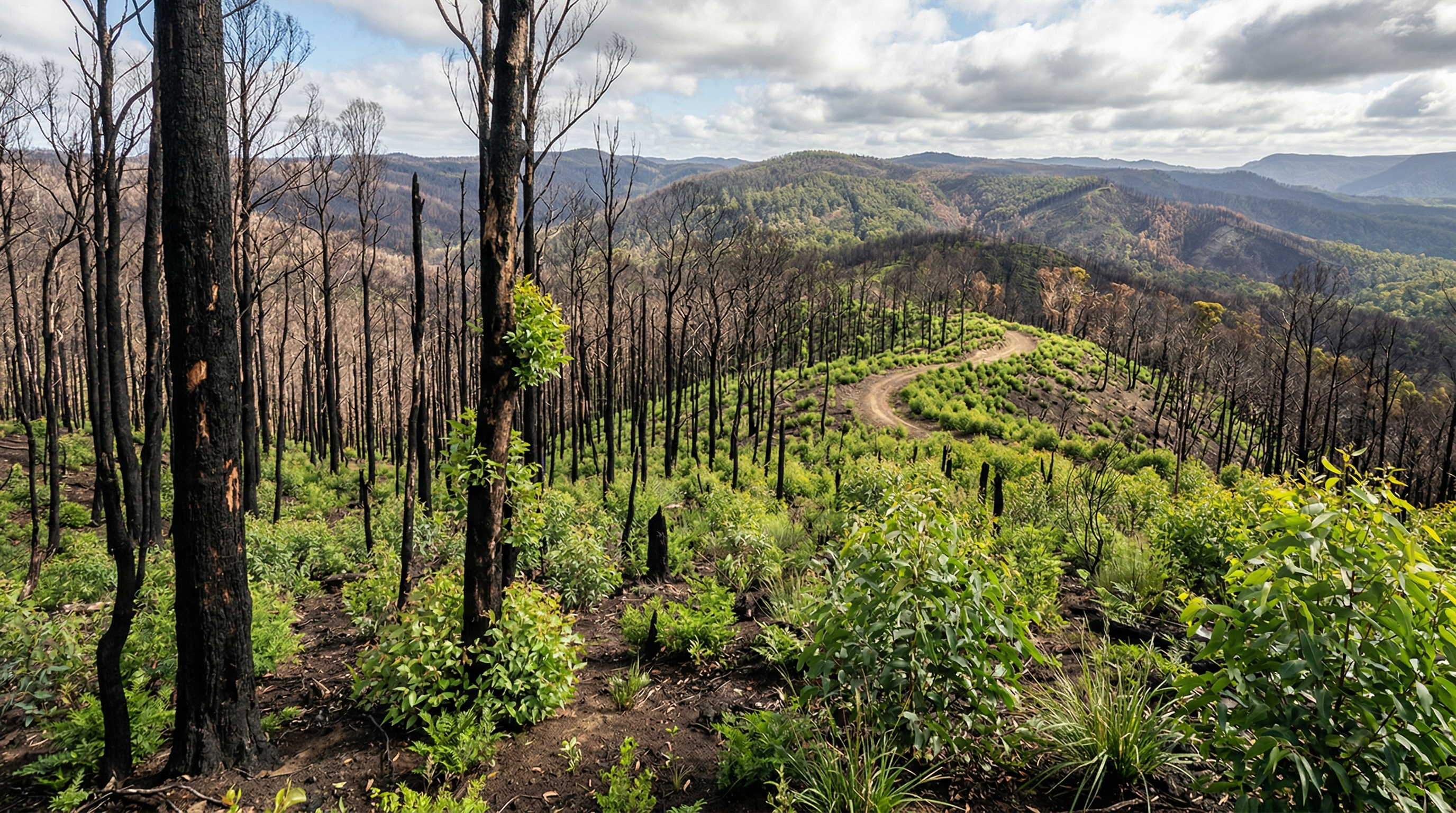
3. Wildfire recovery zones that show ecological resilience
These are less about “attractions” and more about understanding the landscape. They can be powerful, but they need interpretation, park access, and realistic expectations. This is where a trip becomes less about spectacle and more about perspective.
Best natural disaster tourism destinations to plan around in 2026
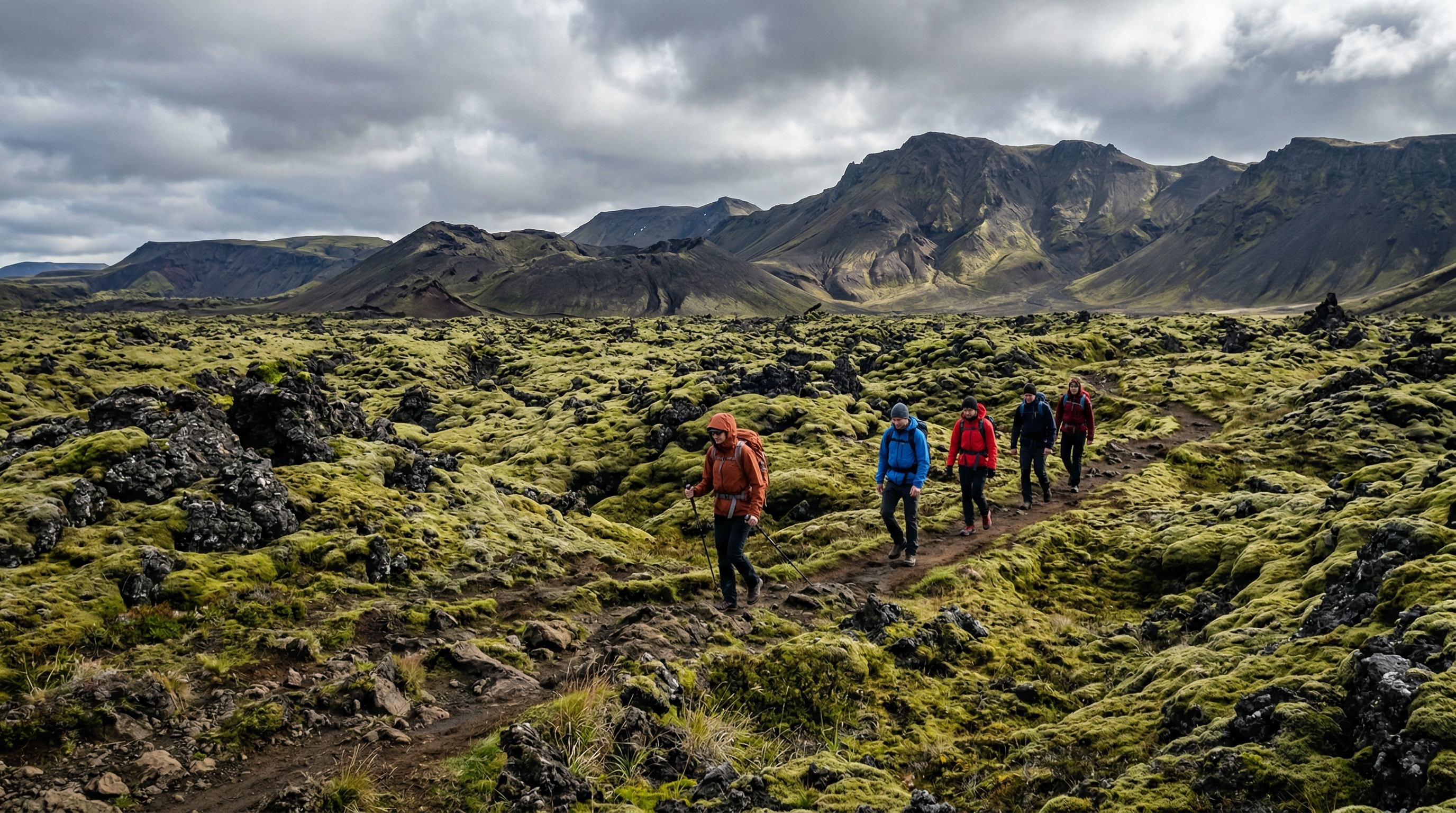
Reykjavík + Reykjanes Peninsula, Iceland
If you want the strongest combination of bookability, scenery, modern access, and active geological interest, this is probably the cleanest fit. You can base yourself in Reykjavík, add a guided volcano-area hike or geology-focused day trip, and still keep your overall trip flexible.
The big advantage here is that you are not building a whole vacation around one rough-access location. You can pair Reykjanes with Reykjavík city time, the Blue Lagoon area, the Golden Circle, food experiences, and airport convenience. That makes it one of the easiest ways to turn disaster-themed curiosity into a full, bookable trip.
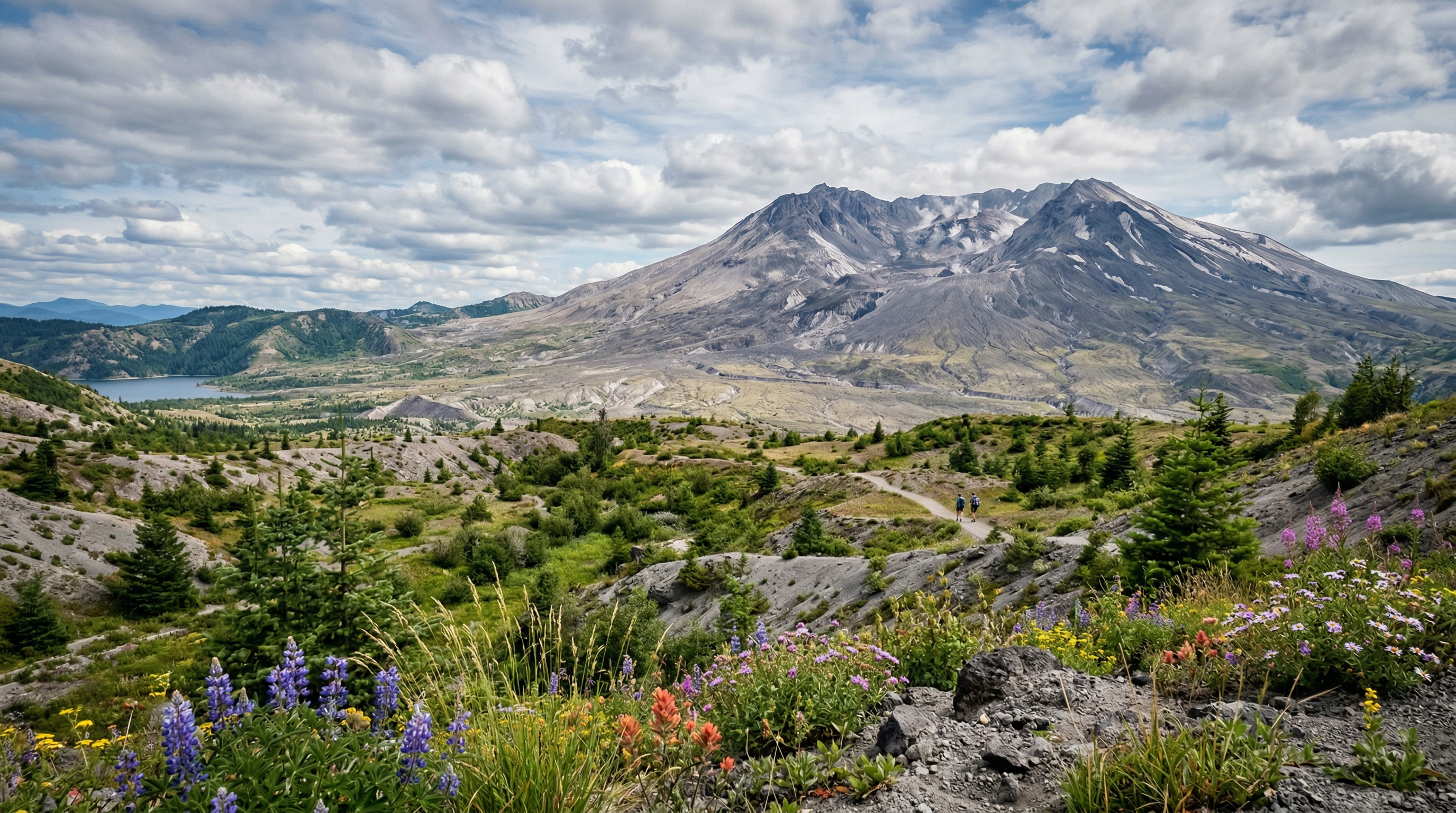
Mount St. Helens region, Washington, USA
This is still one of the most iconic volcanic landscapes in North America, but it works best in 2026 as a regional interpretation trip rather than a “drive right to the famous viewpoint and call it a day” plan. The smarter play is to stay flexible, use open visitor areas and learning centers, and treat the experience as a monument-and-landscape trip rather than a single-stop box check.
That sounds less dramatic than the old-school Johnston Ridge fantasy version, but honestly, it is also the more realistic traveler move. This is a place where conditions matter, routes matter, and overconfidence tends to age badly.
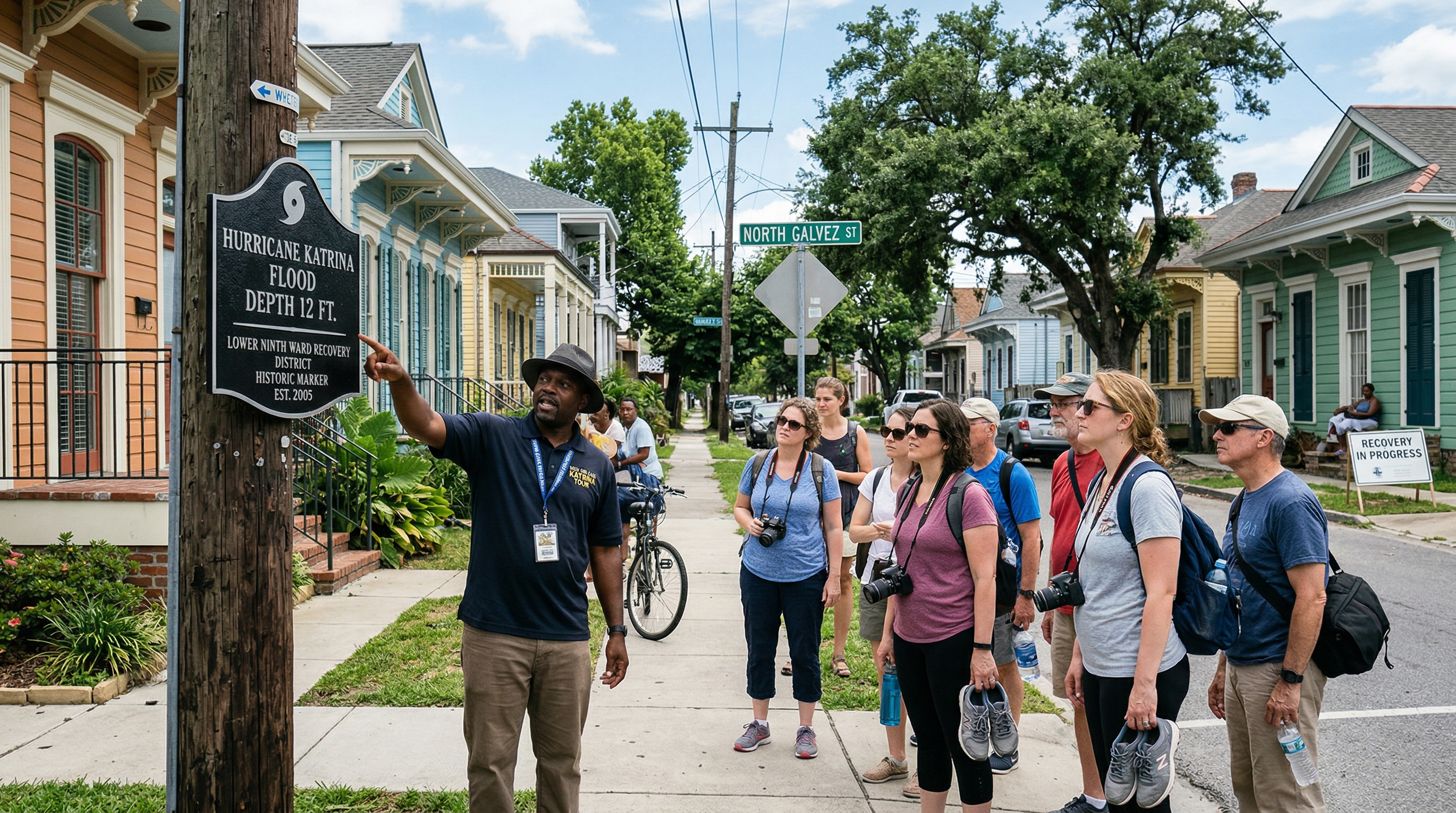
New Orleans, Louisiana, USA
This one is different. You are not going for raw earth-process drama the same way you would in Iceland or Mount St. Helens. You are going for human context, historical memory, flood impact, and recovery stories. That makes New Orleans one of the most layered destinations in this whole topic.
The best approach is not trying to reduce Hurricane Katrina to one stop. Base yourself in the city, explore the Lower Ninth Ward and related interpretation respectfully, and pair that with guided neighborhood context, museums, food, and broader city culture. It becomes a stronger trip because the disaster story sits inside a living city rather than apart from it.
Australia’s wildfire recovery regions
This type of trip is best for travelers who already care about conservation, ecology, or landscape recovery. It is not usually the easiest “plug and play” booking angle compared to Iceland or New Orleans, but it can be deeply worthwhile when paired with national parks, guided nature experiences, and local conservation context.
If you go this route, think less in terms of “disaster attraction” and more in terms of recovery landscapes worth understanding. The tone matters. So does the planning.
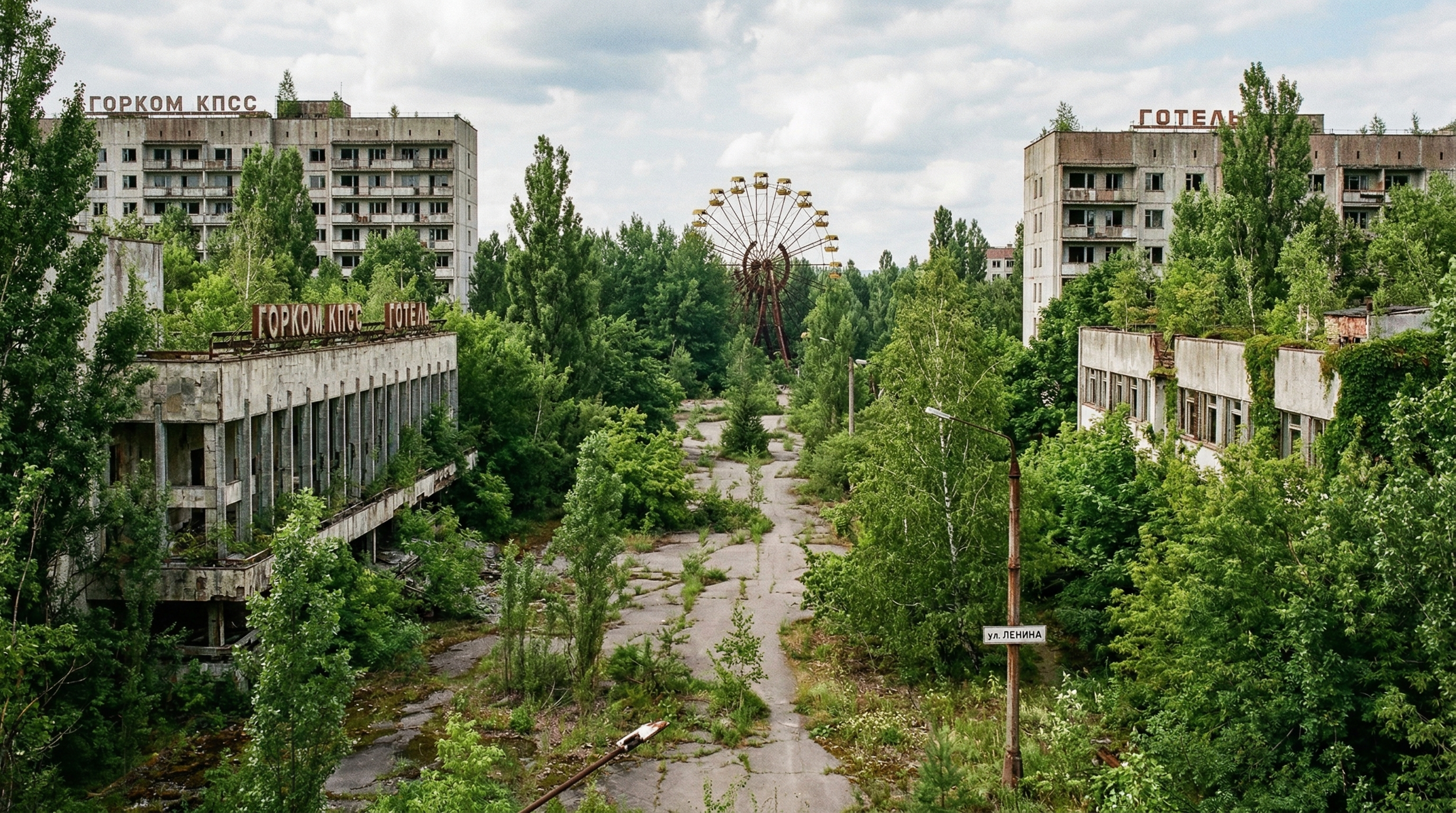
Chernobyl, Ukraine
Chernobyl still holds huge cultural and historical interest, but for most travelers in 2026 it belongs in the research and reflection category, not the practical booking category. It remains one of the most well-known disaster-related places on earth, but it is not a destination I would build this page around for active trip execution.
In other words, it is worth mentioning for context, but not as the lead recommendation if your goal is to plan something realistic right now.
How to choose the right disaster destination for your travel style
| Travel style | Best fit | Why it works |
|---|---|---|
| Easy international planning | Reykjavík + Reykjanes | Strong tourism infrastructure, guided options, city base, memorable visuals |
| Road trip add-on | Mount St. Helens region | Great for Pacific Northwest travelers who can adapt to route conditions |
| History + city culture | New Orleans | Disaster context fits naturally into a broader urban trip |
| Ecology and recovery focus | Australia bushfire regions | Best for travelers who want landscape meaning over tourist convenience |
This is where people save themselves a lot of grief. You do not need the “most dramatic” place. You need the place that matches the way you actually travel. If you hate uncertainty, Iceland with a booked day tour is a much better fit than trying to freestyle remote-access volcano country and acting shocked when that turns into nonsense.
When to go without making the trip harder than it needs to be
For volcanic destinations, shoulder seasons are often the sweet spot. You still want decent trail conditions and visibility, but without peak-summer crowd stacking where possible. In places like Iceland, weather can turn the whole vibe from “epic geology day” to “why am I being slapped by sideways wind while questioning my choices.”
For flood-history or urban recovery destinations, aim for the city’s most comfortable travel windows rather than obsessing over anniversary dates. The best trip usually comes from better weather, easier walking conditions, and more flexible pricing, not from forcing a symbolic date onto the itinerary.
For wildfire recovery regions, timing matters even more because seasonal closures, heat, smoke, and fire risk can all affect what is sensible. These trips reward caution, not bravado.
How to book this kind of trip without overcomplicating it
The cleanest booking structure is simple:
- Step 1: Choose one anchor destination
- Step 2: Book one primary experience or interpretation stop
- Step 3: Choose a stay that minimizes transport friction
- Step 4: Add transfer, rental car, or local mobility only if the destination actually requires it
This is why Reykjavík works so well. You can book the experience first, then fill in stays and transport around it. New Orleans also works nicely because the accommodation grid is wide enough to keep the trip comfortable while you explore the history more intentionally.
Respect matters more than thrill-seeking
This should probably be obvious, but apparently the internet still needs regular reminders. The best disaster travel is not performative. It is not about collecting misery-themed selfies or acting like every scarred landscape exists purely for your content calendar.
Some of these destinations are geological wonders. Some are community memory. Some are both. That means your tone, your pacing, and your choices matter. Book with local context in mind. Follow closures. Respect restricted areas. Listen to guides. And do not treat human loss like scenic seasoning.
The smartest execution plan for most travelers
If you want the easiest high-impact version of this topic, make it a Reykjavík-based volcano trip. If you want layered urban history and recovery context, choose New Orleans. If you are already traveling through the Pacific Northwest and want a meaningful detour, add Mount St. Helens with flexible expectations.
That right there is the practical version. Not the dramatic version. The practical version tends to be the one that actually gets booked, enjoyed, and remembered for the right reasons.
Plan a disaster landscape trip that is actually worth taking
Start with one anchor experience, lock in your stay, and build the rest around real access and realistic timing. That usually beats overplanning a fantasy itinerary that falls apart the minute closures, weather, or logistics enter the chat.
Frequently asked questions
Is disaster tourism safe?
It can be, but only when you stick to destinations with clear access rules, updated local guidance, and established visitor infrastructure. The problem is rarely the idea of visiting. The problem is assuming that yesterday’s trail, road, or access point is automatically today’s plan.
What is the best natural disaster destination for first-time travelers?
For most people, Reykjavík paired with a Reykjanes volcano-area tour is the easiest entry point. It gives you dramatic landscape, a city base, guided structure, and enough surrounding infrastructure that the trip still feels smooth.
Can you visit Mount St. Helens in 2026?
Yes, but the smart expectation is a regional monument visit shaped by current access conditions rather than a guaranteed reach-every-viewpoint day. Check official conditions before finalizing the exact route.
Is New Orleans a good fit for disaster-related travel?
Yes, especially if you are interested in recovery, cultural history, and flood impact rather than geology alone. It works best when paired with broader city experiences so the trip feels grounded and respectful.
Should I book tours first or accommodation first?
For this type of travel, book the anchor experience first if access windows are limited or weather-sensitive. Then choose the stay that makes that experience easiest to reach.
What should I avoid when planning a natural disaster trip?
Avoid building around outdated access assumptions, ignoring local closures, underestimating weather, and choosing a remote site just because it sounds more hardcore. The best trip is usually the one that is easiest to execute well.
Leave a Reply