
Last Updated on August 26, 2026 by Jeremy
The wilderness has a way of humbling even the seasoned folks. A clear sky can flip into a thunderstorm, a well-worn trail can disappear under snowfall, and a “simple” hike can become an overnight lesson in priorities.
Real survival isn’t about battling nature. It’s about understanding it, working with it, and staying calm when plans fall apart. Whether you’re deep in the Canadian Rockies, dealing with Arizona heat, or moving through Costa Rica jungle terrain, these core skills build the kind of confidence that makes the outdoors feel bigger, not scarier.
This isn’t a gear list. It’s a travel-ready skill set. Seven pillars that cover most real-world situations without turning your backpack into a hardware store.
1) Fire & Heat Management
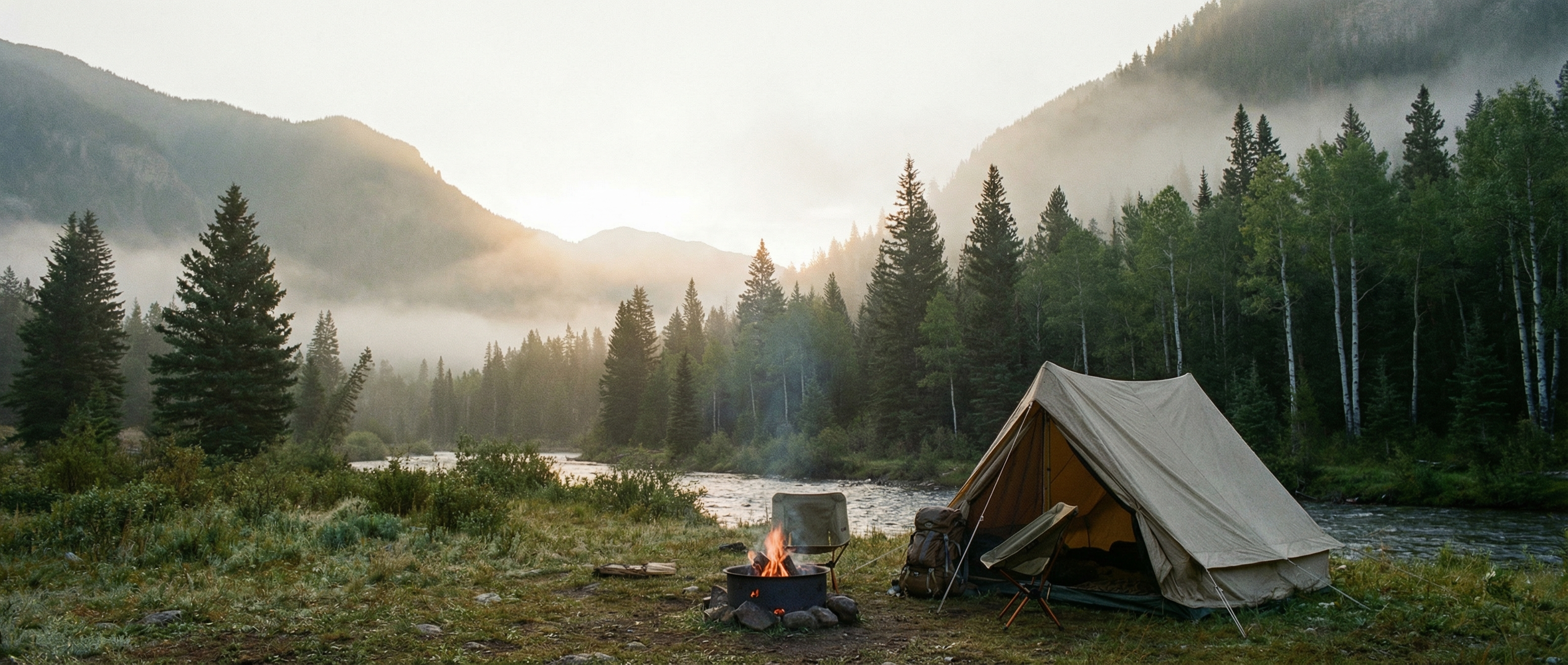
Fire is warmth, morale, and a way to stabilize a bad situation fast. It’s also a reality check: wet wood, wind, and poor prep will expose you quickly. The goal isn’t a bonfire. It’s controlled heat, at the right time, with the least fuss.
Where it teaches you fast
British Columbia’s rainforest coast (wet fuel), the Yukon (cold = no margin), Arizona high desert (limited fuel, fast heat loss at night).
Earthbound shortcut
If you’ve ever tried to light a fire after a full day of rain, you’ll appreciate this: How to Start a Campfire in Wet Conditions .
2) Shelter & Weather Protection
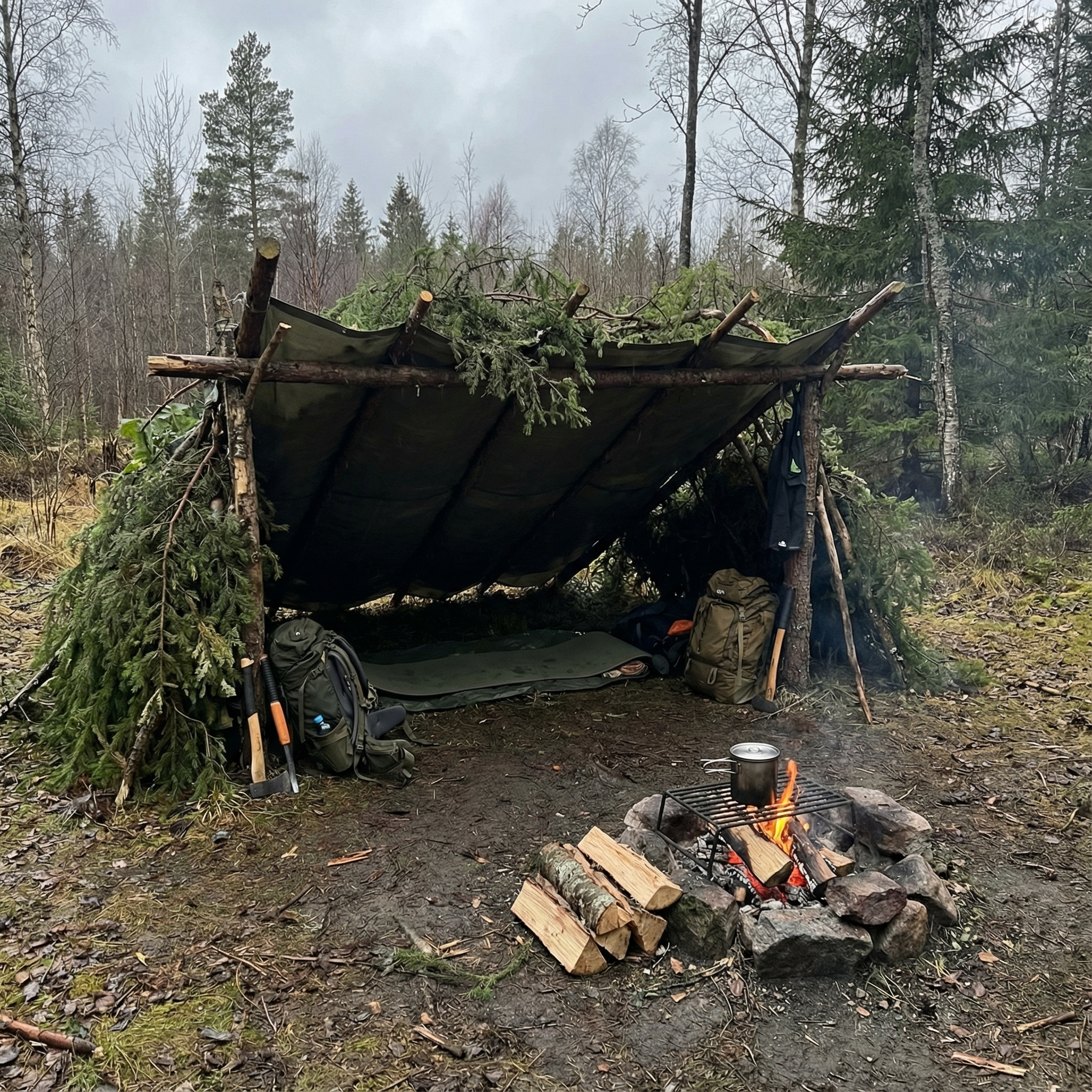
Shelter is about staying dry, blocking wind, and keeping your body temperature stable. People imagine “building a cabin.” Reality is usually: “make something that works right now with what you’ve got.”
- Rockies: cold nights and sudden weather swings make insulation and wind protection matter.
- Costa Rica rainforests: humidity and rain teach you fast why airflow and water management are everything.
- Montana backcountry: unpredictable conditions reward simple, repeatable shelter setups.
Shelter and knots go together
A good shelter plan can still fail if your rope work is sloppy. If you want the travel-friendly knot set (no overkill), use this internal guide: Why knots are a travel skill most people don’t realize they’re missing .
3) Water Awareness & Procurement
Water is the quiet limiter. You can push without food. You can’t push without hydration. The skill here isn’t “find water once.” It’s knowing how your environment behaves, where water hides, and when it becomes a problem.
Cold regions
Glacial streams look clean, but you still treat them as untrusted until proven otherwise.
Hot / dry regions
Heat management becomes water management. Shade, pacing, and route planning matter as much as the source.
4) Navigation Without Tech
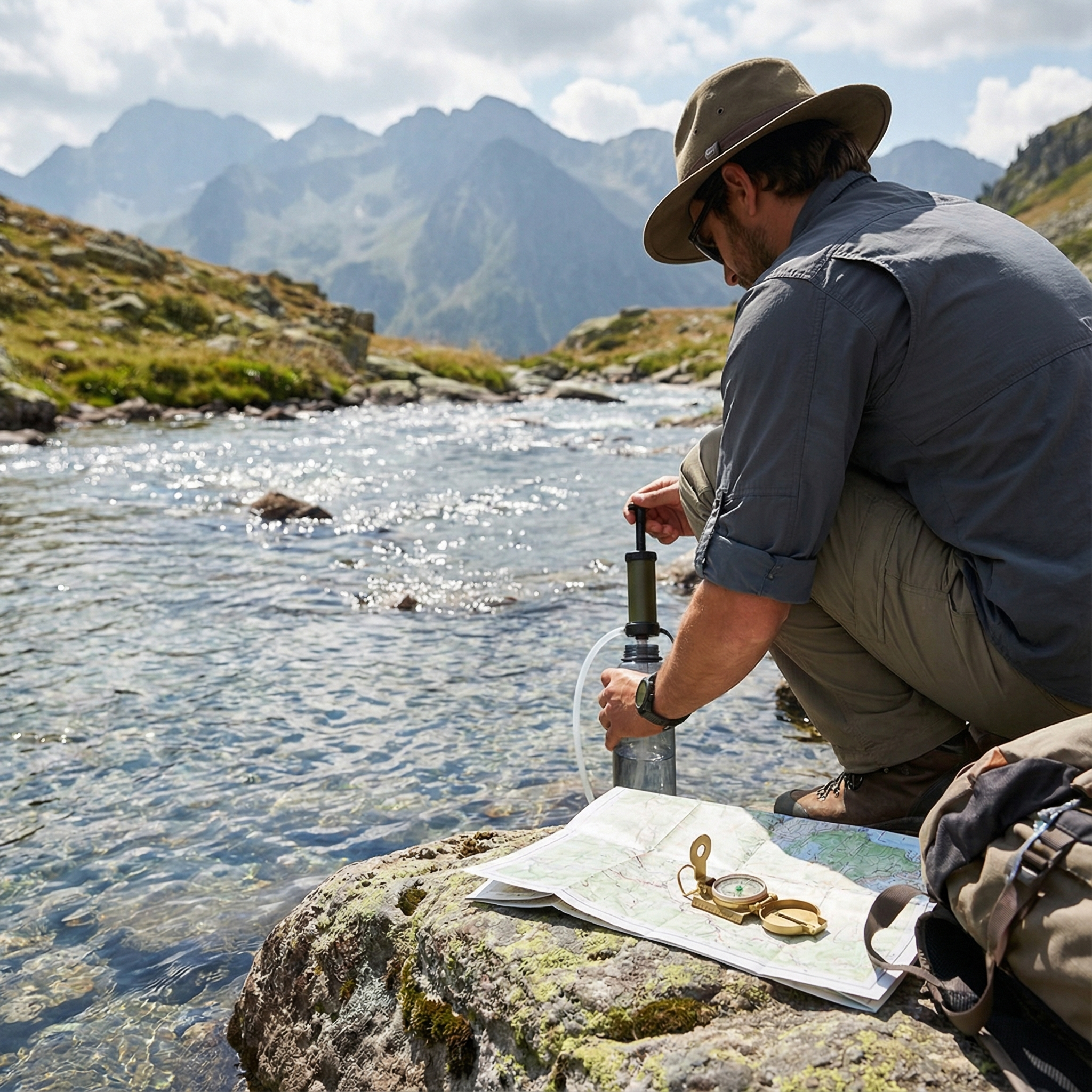
GPS is helpful… until it isn’t. Batteries die, coverage fades, and sometimes the terrain just laughs at your signal. Basic navigation keeps small mistakes from turning into long nights.
- Montana backcountry: forests and valleys hide landmarks and reward map discipline.
- Utah canyonlands: open terrain can still be disorienting when everything looks “kind of the same.”
- Boreal forest: dense canopy can interfere with tech and forces you to think in bearings and features.
Travel note
If you like trips where the route itself is part of the story, this pairs nicely: Ancient Trails Travel Guide: walking the path of explorers .
5) First Aid & Self-Care
In town, a cut is a nuisance. In the backcountry, it can become the reason you turn around. First aid outdoors is mostly about the basics: staying clean, reducing risk, treating early, and making smart decisions when help is far away.
Red Cross resource worth bookmarking
The Canadian Red Cross has a practical wilderness-focused first aid overview (injuries, heat and cold risks, wound care, and more): Essential first aid tips for your next wilderness trip .
6) Wildlife Awareness & Risk Reduction
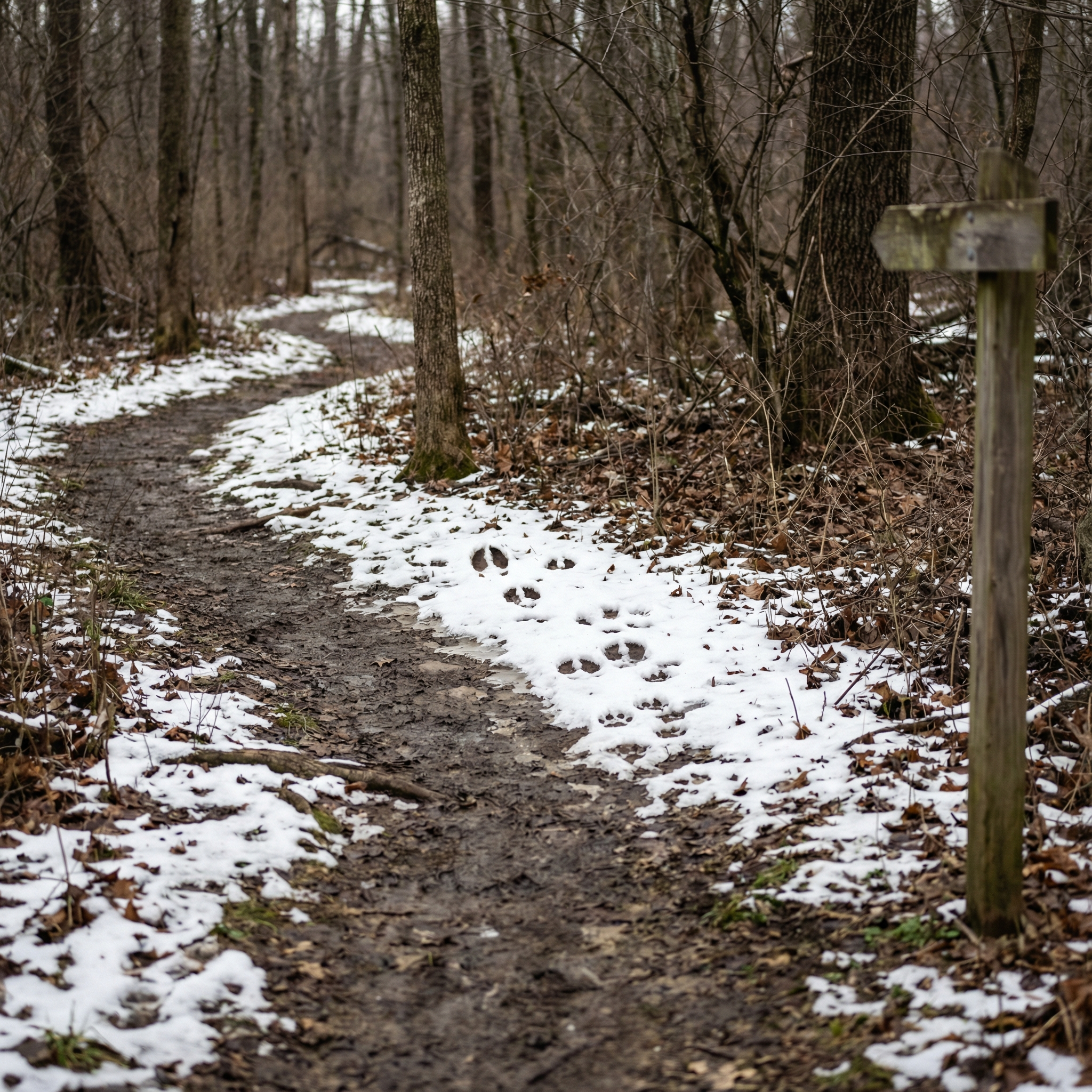
Wildlife awareness isn’t fear. It’s respect and pattern recognition. Most problems happen when people accidentally stumble into the wrong place at the wrong time, or ignore the signals that were there the whole time.
Where it teaches you fast
Yellowstone (big wildlife presence), Australia’s outback (venomous risks), bear country across Canada (food discipline matters).
Earthbound shortcut
If you want to build real “pattern recognition,” start here: Animal Tracking Guide: identify common tracks on your adventures .
7) Mental Resilience & Decision-Making
This one doesn’t get enough respect. A calm brain beats a fancy tool set. When you’re cold, wet, or turned around, your job is to slow down: assess, prioritize, and make the next move with intention instead of panic.
- Check the basics first: temperature, hydration, shelter, and orientation.
- Reduce the problem: stop moving when you’re uncertain, then re-check your plan.
- Think in hours, not minutes: survival decisions get better when you zoom out.
Survival Is More Than Skills
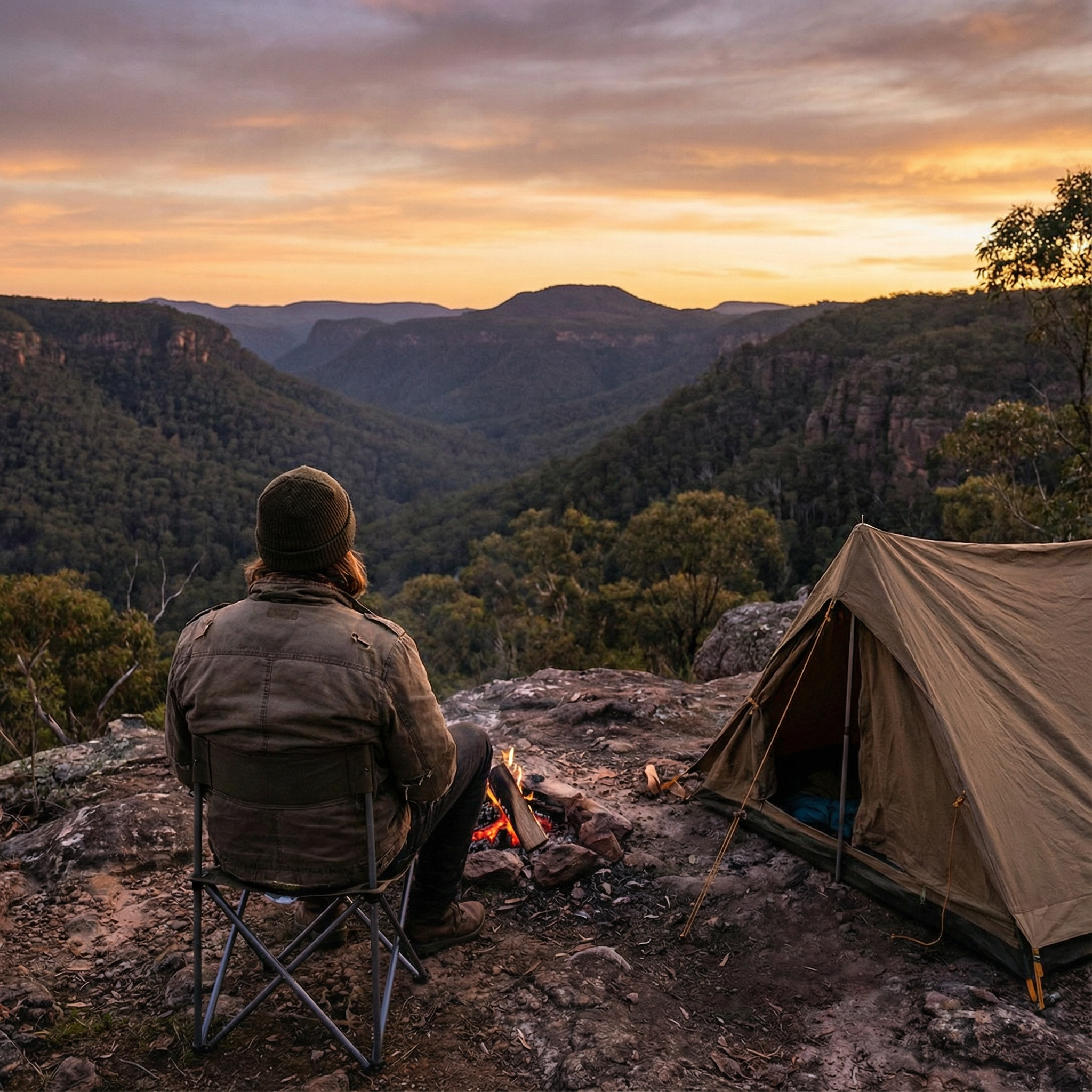
Survival isn’t brute force. It’s adaptability, decision-making, and respect for the land. When you build these skills, the outdoors stops feeling like a gamble and starts feeling like a place you actually belong.
Quick question for readers
If you could train one skill in the wild for a weekend, which one would you choose: fire, navigation, or first aid?
Turn preparation into a safer trip plan
Use the Camping & Outdoor Travel Guide to match the setting and support level to your crew, then compare the practical preparation in our beginner-friendly backwoods camping guide. The knot section above also connects to our hands-on travel knot guide.
A written guide does not replace qualified instruction, local rules, emergency planning, or a professional guide. For unfamiliar terrain or skills-led experiences, start with guided outdoor tours and experiences.


Leave a Reply