
Last Updated on February 19, 2026 by Jeremy
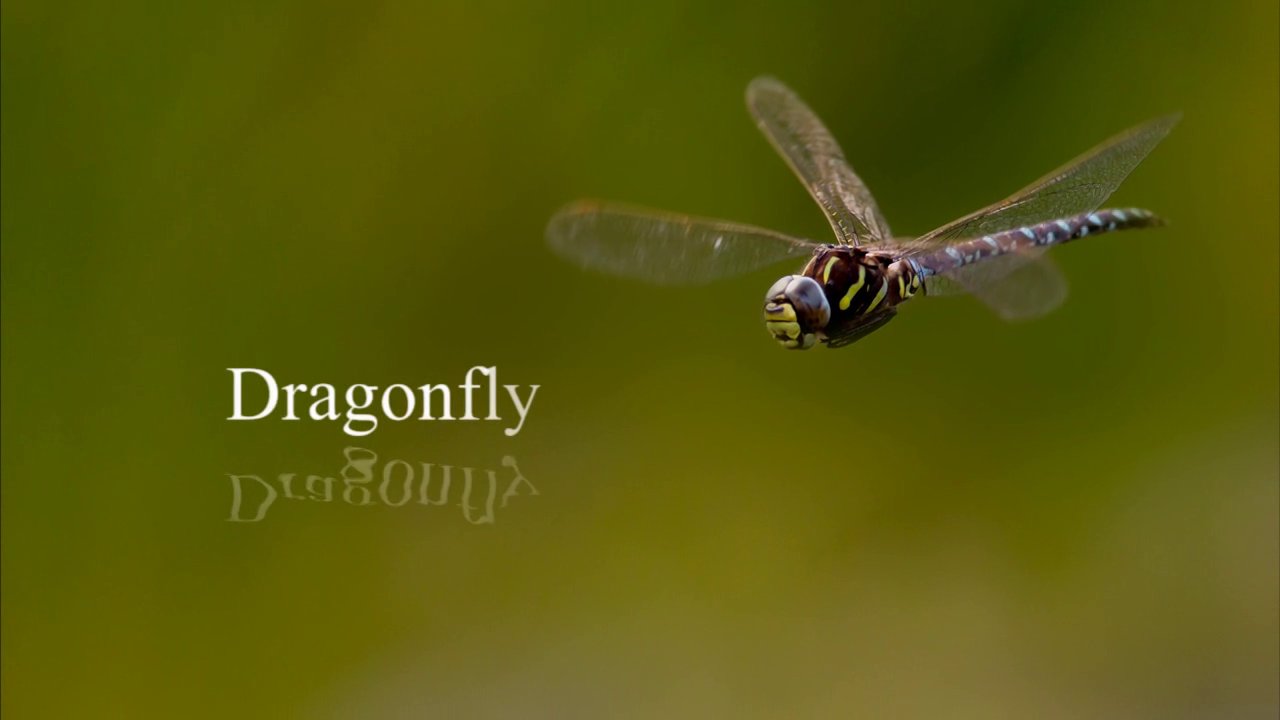
Dragonflies are not random insects hovering near water. They are precision predators, climate indicators, and one of the most reliable signs that a wetland ecosystem is functioning correctly. If you know where to look — and more importantly, when — they turn an ordinary landscape into a living aerial display.
In 2026, with climate shifts influencing wetland cycles and migration timing, dragonfly viewing is becoming more seasonal and strategic. This guide breaks down not just where to see them, but how to plan around timing, habitat type, and regional weather patterns.
Understanding Dragonfly Habitat Before You Travel
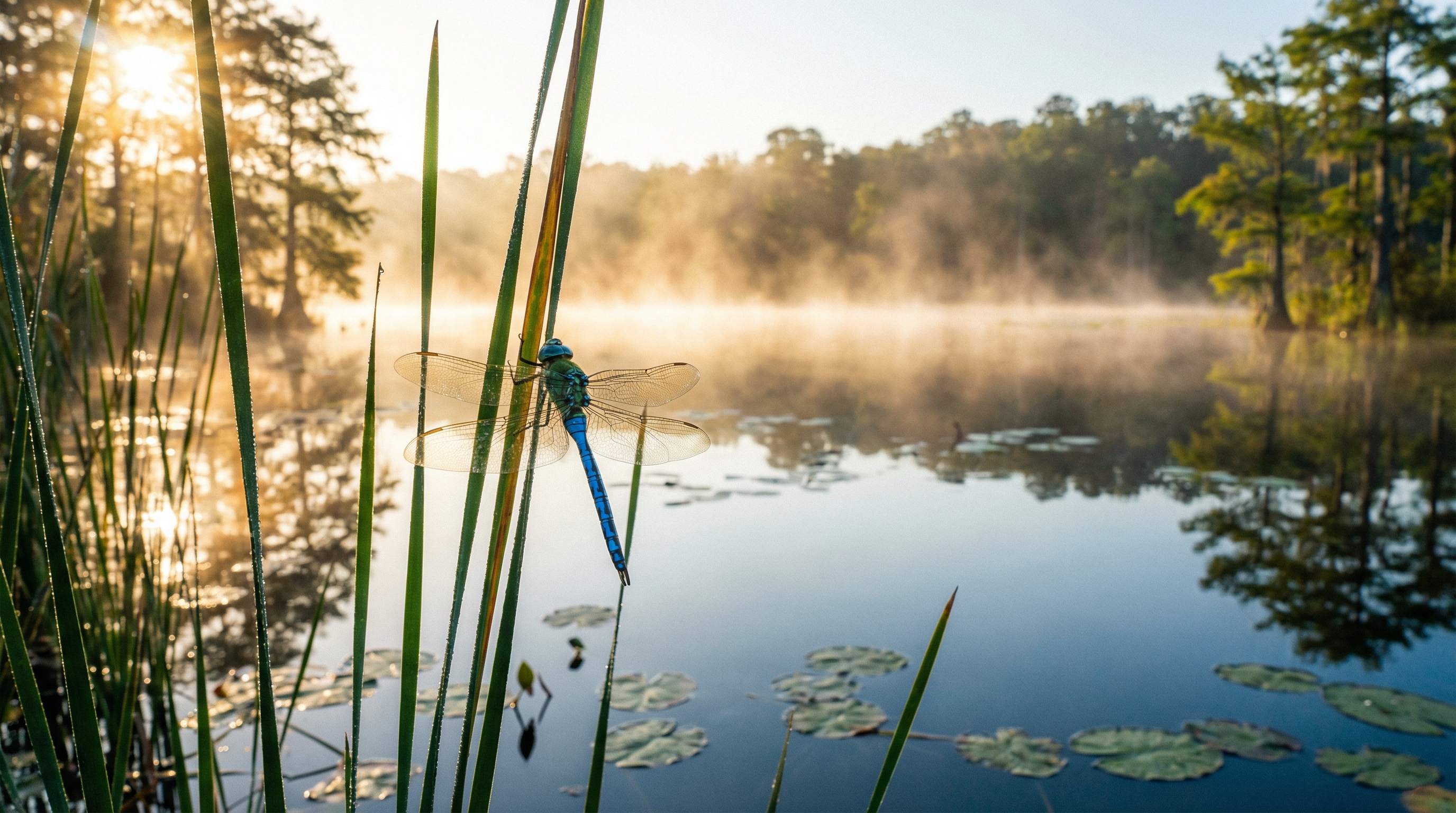
Dragonflies rely on freshwater during their larval stage. That means your best viewing locations share one thing: slow-moving or still water.
- River deltas
- Floodplains
- Coastal marshes
- Tropical canals
- Rice paddies and irrigation wetlands
Fast alpine streams are beautiful, but dragonfly density is typically lower. Shallow edges with reeds, aquatic plants, and insect abundance are prime zones.
If you arrive at a destination and don’t see emergent vegetation along the waterline, you’re probably not in peak dragonfly habitat.
Regional Breakdown: Best Places to See Dragonflies in 2026
Central America – Tortuguero, Costa Rica
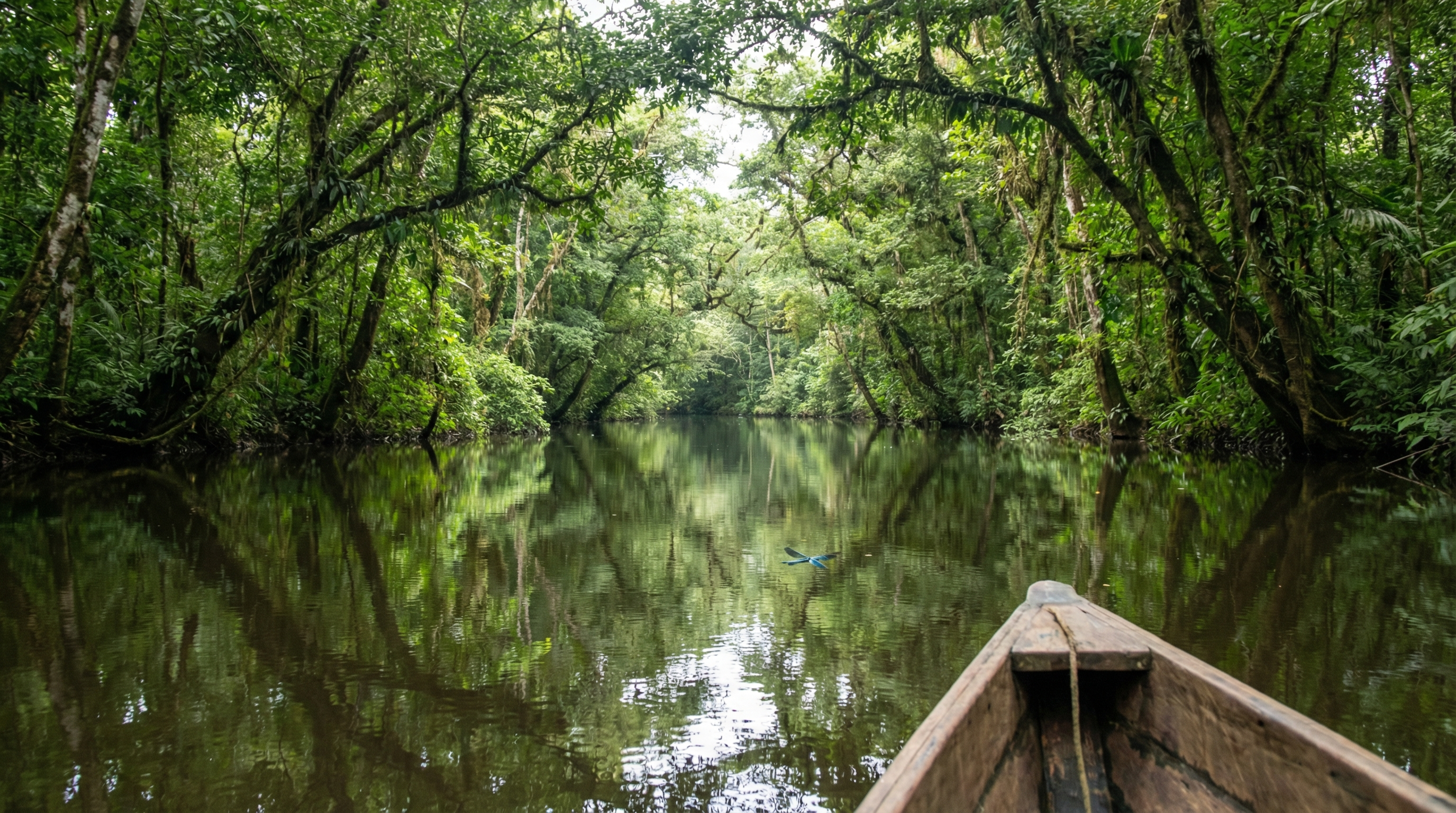
The canal network of Tortuguero provides ideal still-water breeding grounds. Green season (May–November) increases insect density and dragonfly activity. Morning boat tours between 6:00–9:00 AM offer the best light and movement patterns.
North America – Everglades, Florida
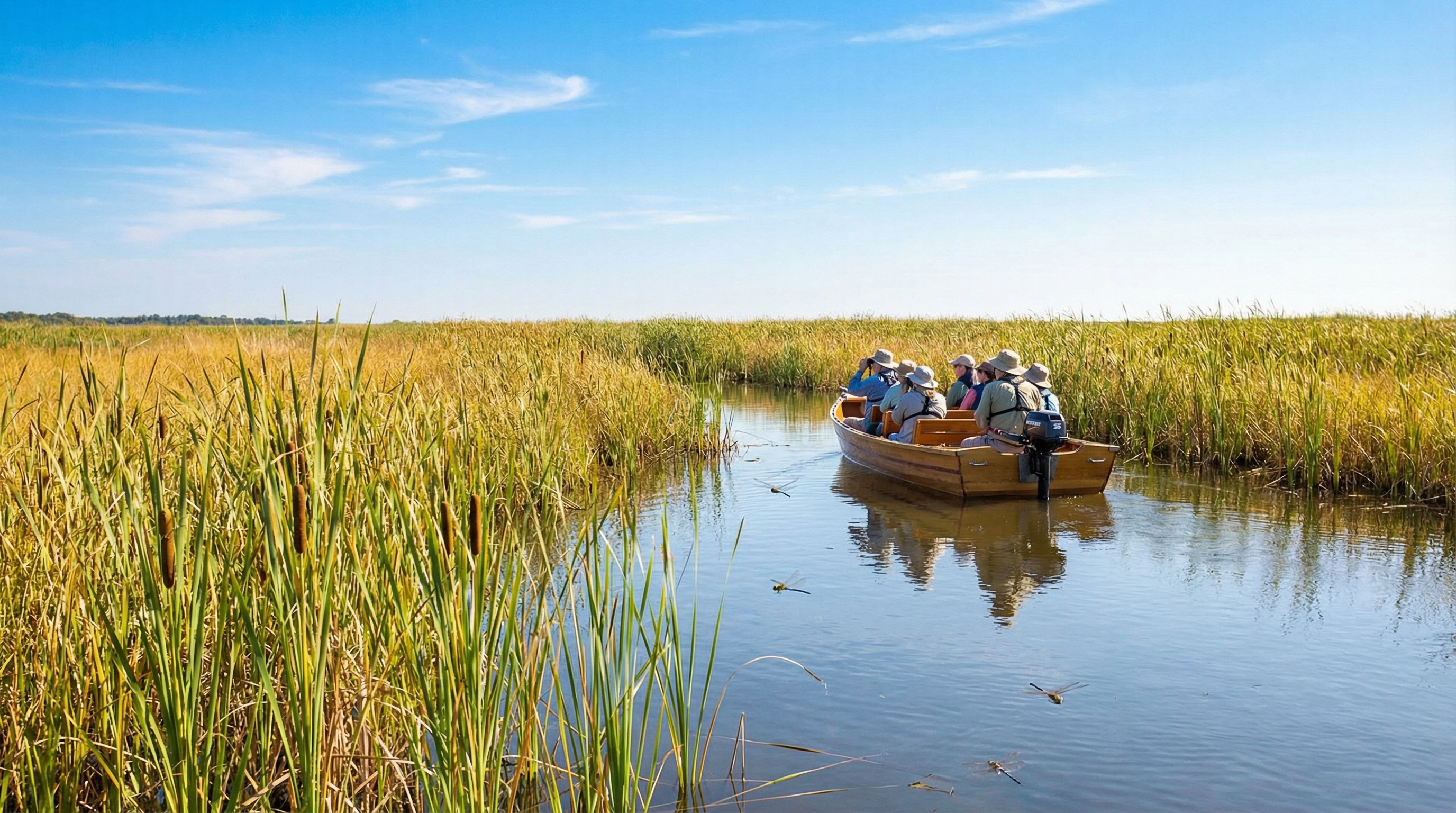
Spring (March–May) balances warm temperatures and lower storm frequency. Boardwalk trails allow ground-level observation, while shallow-water eco-tours expand habitat access. Late afternoon wind shifts often increase aerial feeding bursts.
South America – Pantanal, Brazil
Wet season (November–March) creates floodplain expansion, dramatically increasing insect biomass. Staying in river-adjacent lodges allows dawn and dusk access — critical for witnessing territorial behavior.
East Asia – Hokkaido, Japan
Late summer brings high dragonfly visibility over wetlands and agricultural paddies. Cooler evening air reduces flight speed, improving photography conditions.
Dragonfly Migration Strategy (Seasonal Timing Logic)
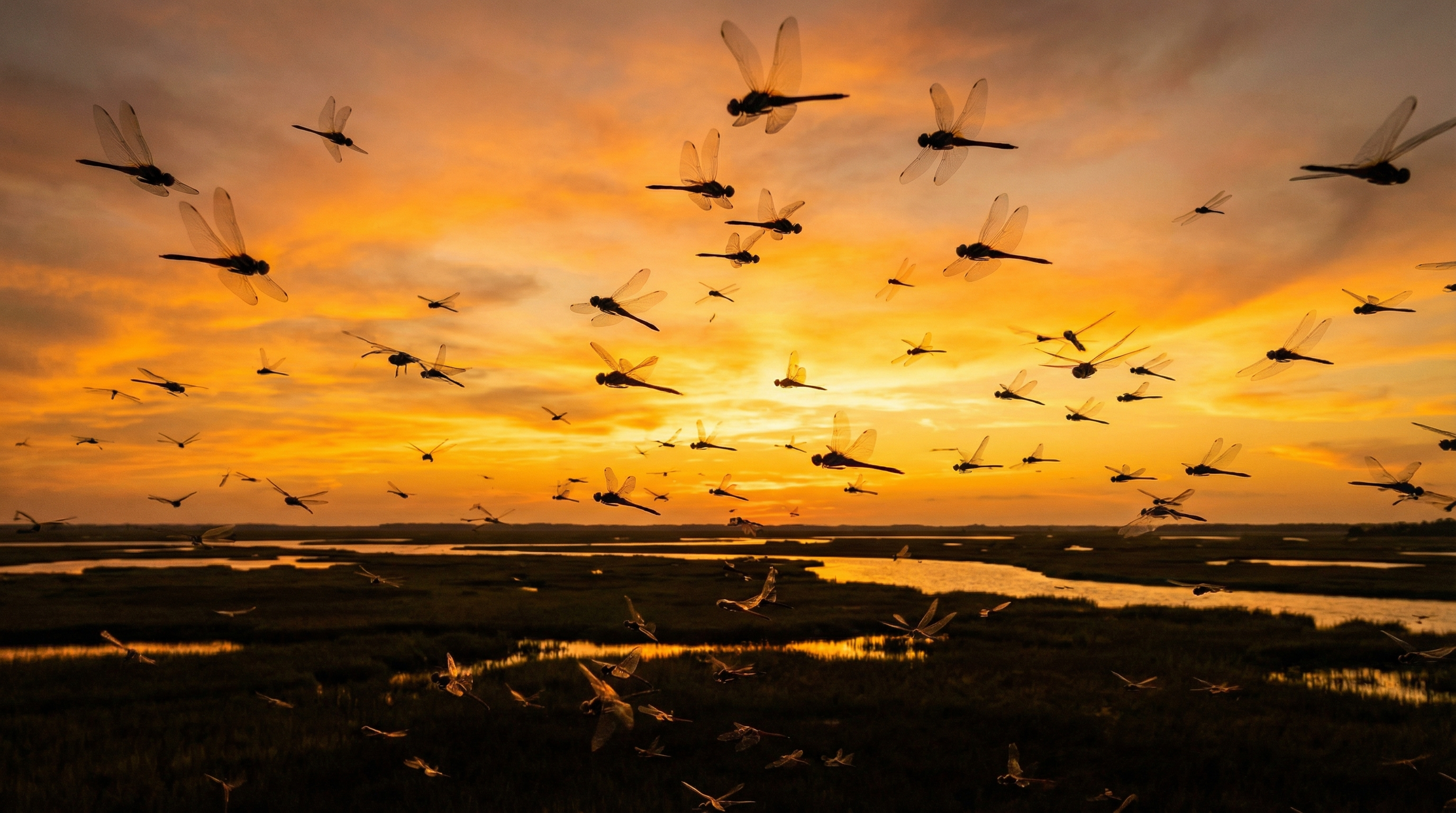
Migration events depend heavily on wind systems and temperature drops. In 2026, early climate modeling suggests:
- Earlier autumn migration windows in the Gulf Coast (late September)
- Stronger monsoon-linked movement in Western India
- Coastal African arrival windows shifting slightly earlier due to wind changes
Monitoring 10-day weather forecasts before booking increases your chances significantly. Calm mornings following light rain often trigger mass aerial movement.
Photography & Field Strategy
- Time of day: Sunrise and early morning offer lower wind and softer light.
- Wind factor: Dragonflies hover more steadily in low wind conditions.
- Background: Open water backgrounds create clean silhouettes.
- Lens choice: Moderate telephoto (200–400mm) for migration shots.
- Behavior cue: Perched dragonflies warm in sunlight before active hunting begins.
Even if photography isn’t your goal, understanding these patterns helps you know when activity peaks.
Book Wetland & Wildlife Tours
Guided eco-tours expand your access to deeper wetland corridors and remote migration channels.
Where to Stay for Early Access
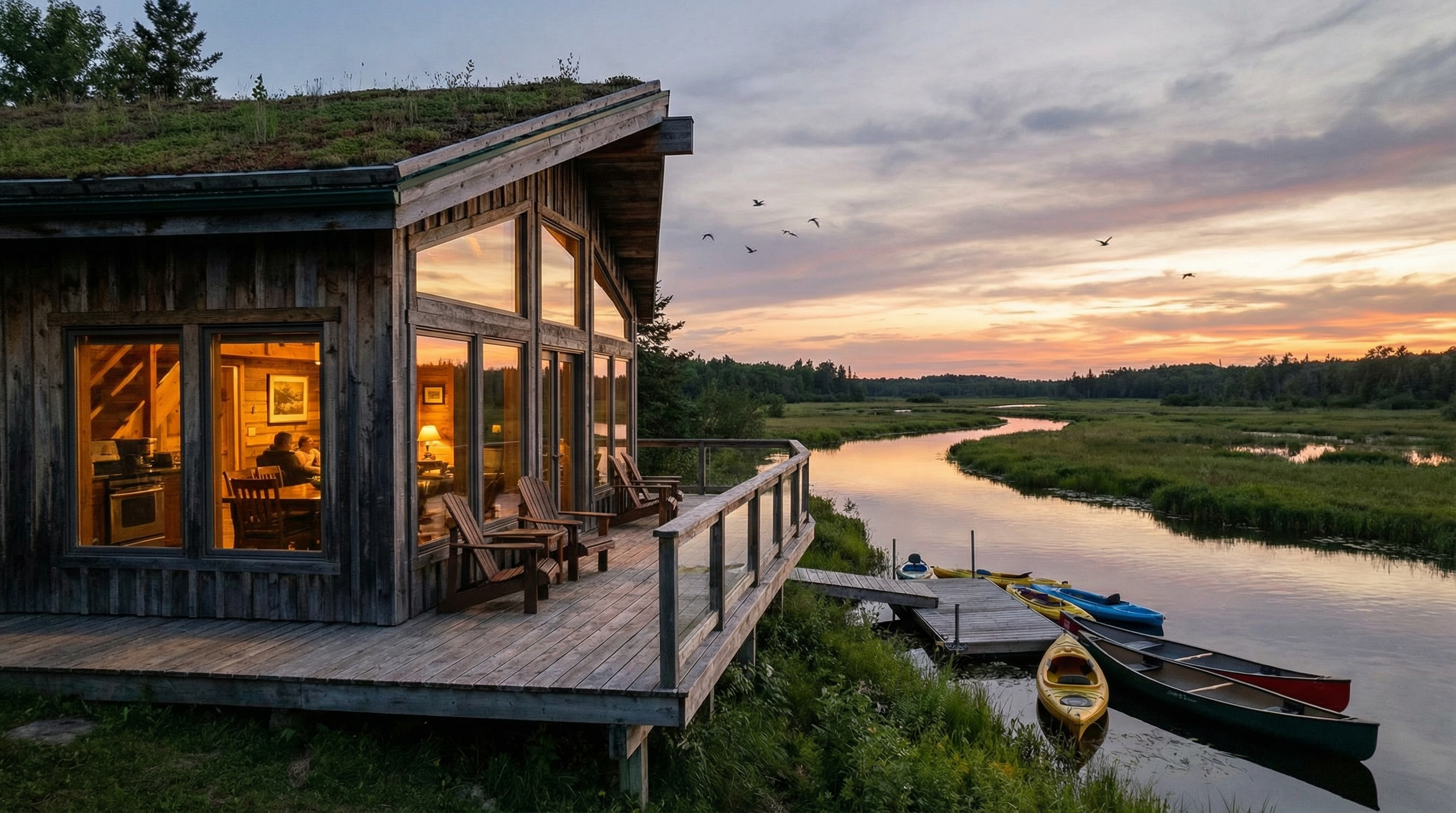
Wildlife timing favors proximity. Lodges adjacent to wetlands allow dawn access without transit delay. Being on-site before sunrise significantly increases sighting density.
Plan Around Habitat & Timing
Dragonfly viewing improves dramatically when you match season, water conditions, and early access. Build your itinerary around wetlands — not just destinations.
Frequently Asked Questions
What months are best globally?
Late spring to early autumn in temperate climates, and rainy seasons in tropical regions.
Are dragonflies affected by climate change?
Yes. Changes in rainfall and temperature shift breeding and migration timing.
Can beginners spot them easily?
Yes, particularly in calm wetlands with visible vegetation edges.
Do I need a guide?
Not always, but guides increase habitat access and improve timing strategy.



Leave a Reply