

Last Updated on July 4, 2026 by Jeremy
Cave travel has a strange pull to it. Most adventure trips send you upward into mountains, outward onto oceans, or across big open landscapes. Cave exploration goes the other way. Down. Inward. Into places that feel ancient, quiet, and just a little bit like the planet is keeping secrets.
That is also why people hesitate. Caves sound incredible, but they also raise very fair questions. Is it safe? Do you need special gear? Can beginners do it? Which caves are tourist-friendly, and which ones are the kind of expedition where you should maybe stop pretending your running shoes count as technical equipment?
The good news is that cave travel is not one single category. You can take a gentle boat ride under glowworms in New Zealand, join a guided ice cave trip in Iceland, walk through lit limestone caverns in Europe, or dream about expedition-level caves in Vietnam. The key is choosing the right cave experience for your comfort level, season, budget, and actual appetite for adventure.
Quick Answer: The best cave tours for most travelers are guided, structured experiences like Iceland’s Vatnajökull ice caves, New Zealand’s Waitomo Glowworm Caves, and scenic limestone cave systems in Europe. More extreme caves, like Son Doong in Vietnam, are expedition-level trips that require advance planning, high fitness, and official guided access.
First-time cave travelers should start with guided tourist caves or beginner-friendly adventure caves, not solo exploration. Caves are beautiful, but they are not the place to freestyle like a heroic fool with one phone flashlight.
What cave exploration means for travelers
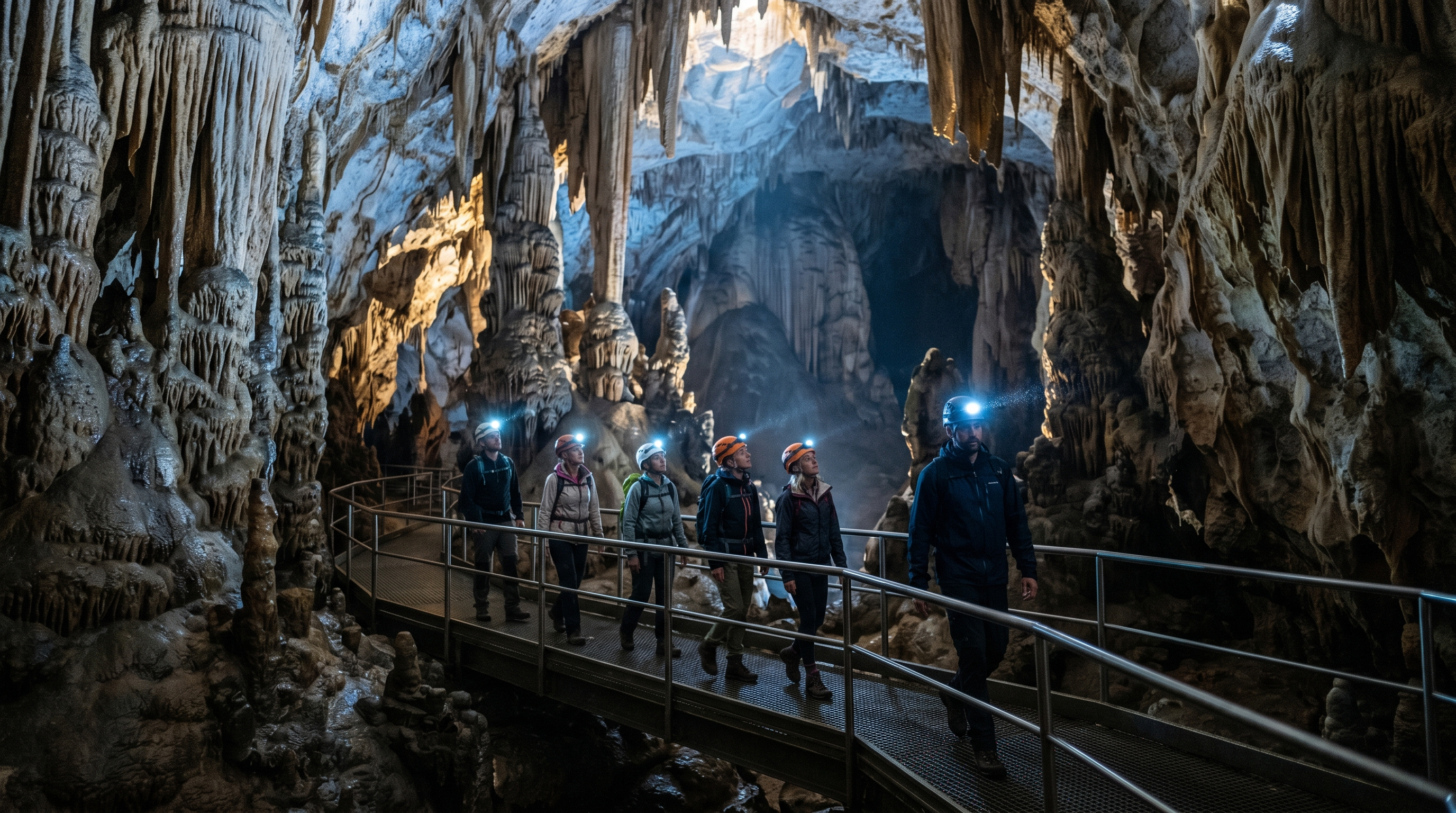
For travelers, cave exploration does not always mean crawling through narrow passages, rappelling into darkness, or starring in your own low-budget panic documentary. Most cave travel is far more structured than that. Many of the world’s best cave experiences are guided tours with walkways, boats, helmets, lighting, interpretive stops, and clear visitor rules.
At the same time, caves are not ordinary attractions. Underground environments can be wet, slippery, cold, fragile, dark, and disorienting. Some are seasonal. Some require guides. Some are protected for ecological or cultural reasons. Others are simply too dangerous or restricted for casual visitors.
That is why the best way to think about cave exploration is not “easy vs extreme.” It is better to think in levels.
Easy tourist caves
Best for families, nervous first-timers, photographers, and travelers who want beauty without technical effort.
Guided adventure caves
Best for travelers who want helmets, headlamps, ice, uneven terrain, or a more active underground experience.
Expedition caves
Best for fit, committed travelers who understand that logistics, permits, guides, and preparation are non-negotiable.
Best cave tours and cave destinations at a glance
| Cave destination | Best for | Difficulty | Booking style |
|---|---|---|---|
| Vatnajökull Ice Caves, Iceland | Blue ice, glacier scenery, winter adventure | Moderate guided adventure | Guided tour required |
| Waitomo Glowworm Caves, New Zealand | Beginner-friendly magic and boat tour scenery | Easy | Guided tour |
| Son Doong, Vietnam | Extreme bucket-list expedition | Difficult | Official expedition only |
| European limestone caves | Walkways, formations, underground lakes | Easy to moderate | Tickets or guided tours |
| Crystal caves and restricted caves | Research, inspiration, natural wonder | Often not tourist-accessible | Usually not bookable |
1. Vatnajökull Ice Caves, Iceland
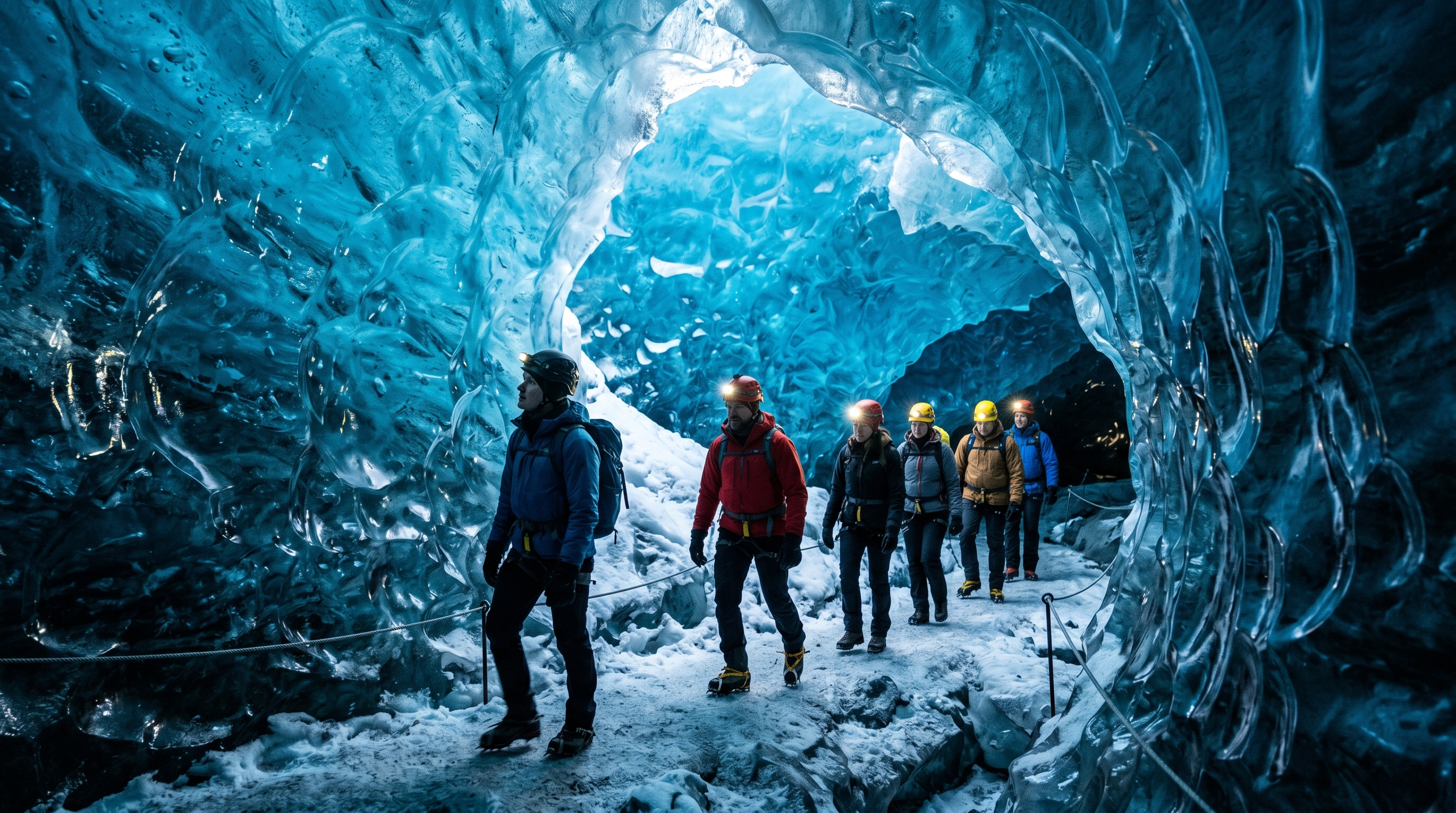
Iceland’s ice caves are some of the most visually dramatic cave experiences in the world. The glowing blue walls, frozen textures, and shifting glacier formations feel completely different from a normal limestone cave. This is not just “a cave.” It is a cave inside a moving, changing glacier system.
That is also why this is not a DIY activity. Ice caves change. Conditions change. Weather changes. Access routes change. Even if the photos make it look calm and almost magical, the reality is that glacier environments require trained guides, proper equipment, and current safety judgment.
For travelers, the appeal is obvious. You get a winter adventure that combines Iceland’s glacier landscapes with a highly memorable underground experience. It is ideal for people who want something more active than a standard viewpoint stop but not necessarily a multi-day expedition.
Planning note: Treat Iceland ice caves as guided adventure tours, not casual sightseeing stops. If the weather or ice conditions do not cooperate, tour operators may adjust plans. That is not inconvenience. That is good judgment.
Best booking suggestion: Book the cave tour first, then build your Iceland route around the meeting point, winter driving conditions, and nearby stays. Do not assume you can squeeze this into a packed Reykjavík-only itinerary without checking distance and logistics.
2. Waitomo Glowworm Caves, New Zealand
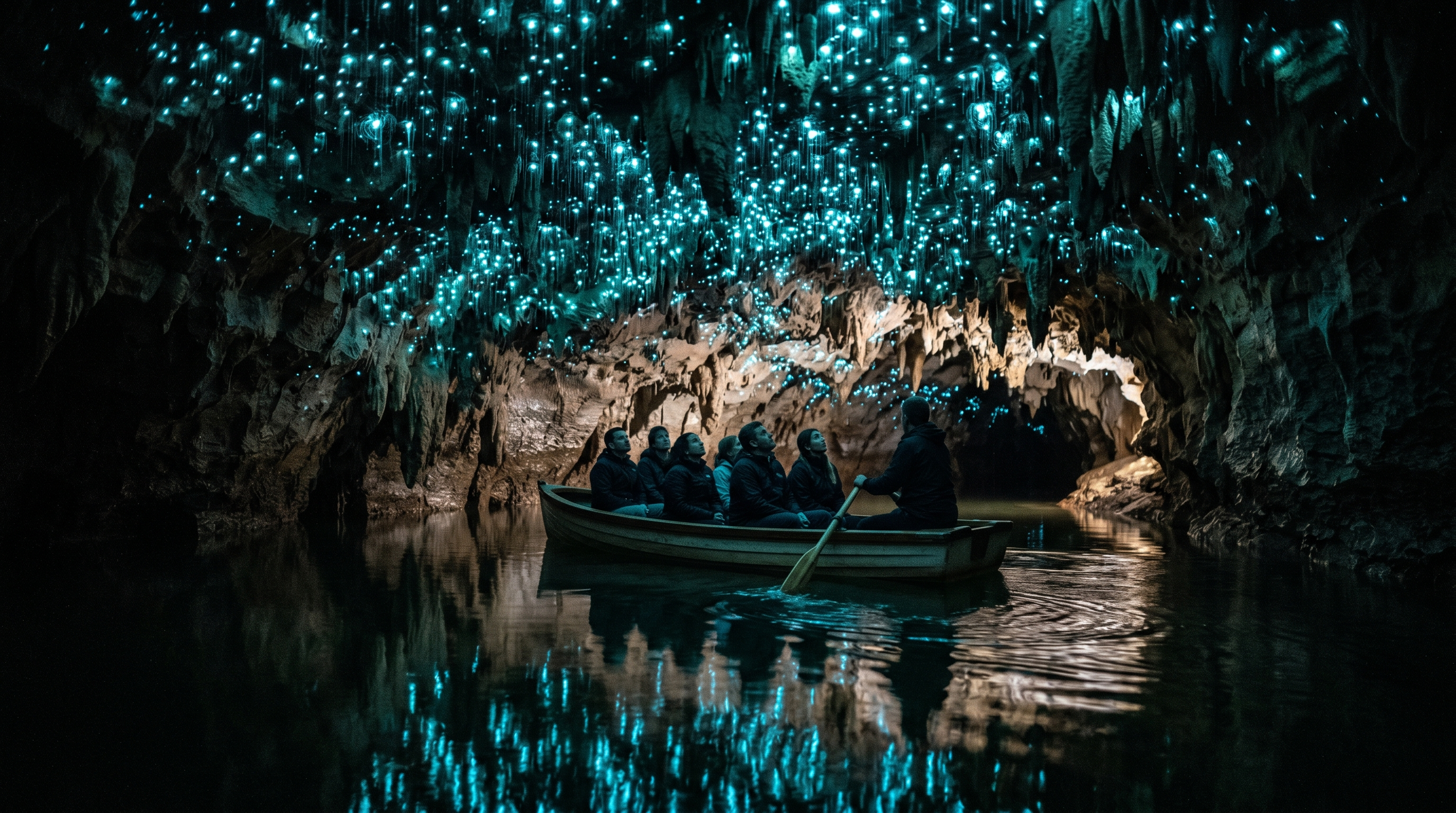
Waitomo is the cave experience for people who want the underground “wow” factor without needing to be rugged about it. The glowworms turn the cave ceiling into something that feels like a night sky tucked beneath the earth, and the boat ride makes it accessible for travelers who may not want a physically demanding cave adventure.
This is one of the best beginner-friendly cave tours in the world because it combines natural wonder, cultural history, guided structure, and a relatively gentle experience. You are not squeezing through crawlspaces or pretending your knees are younger than they are. You are being guided through a famous natural attraction with a strong sense of place.
That makes Waitomo a smart fit for New Zealand itineraries, especially if you are already moving between Auckland, Rotorua, or the central North Island. It can work as a day trip, road-trip stop, or part of a broader nature-focused route.
Best booking suggestion: Lock in the glowworm tour time first, then plan nearby transport and stays. This is one of the easiest cave experiences to add into a broader New Zealand trip without turning the whole vacation into a cave mission.
3. Son Doong Cave, Vietnam
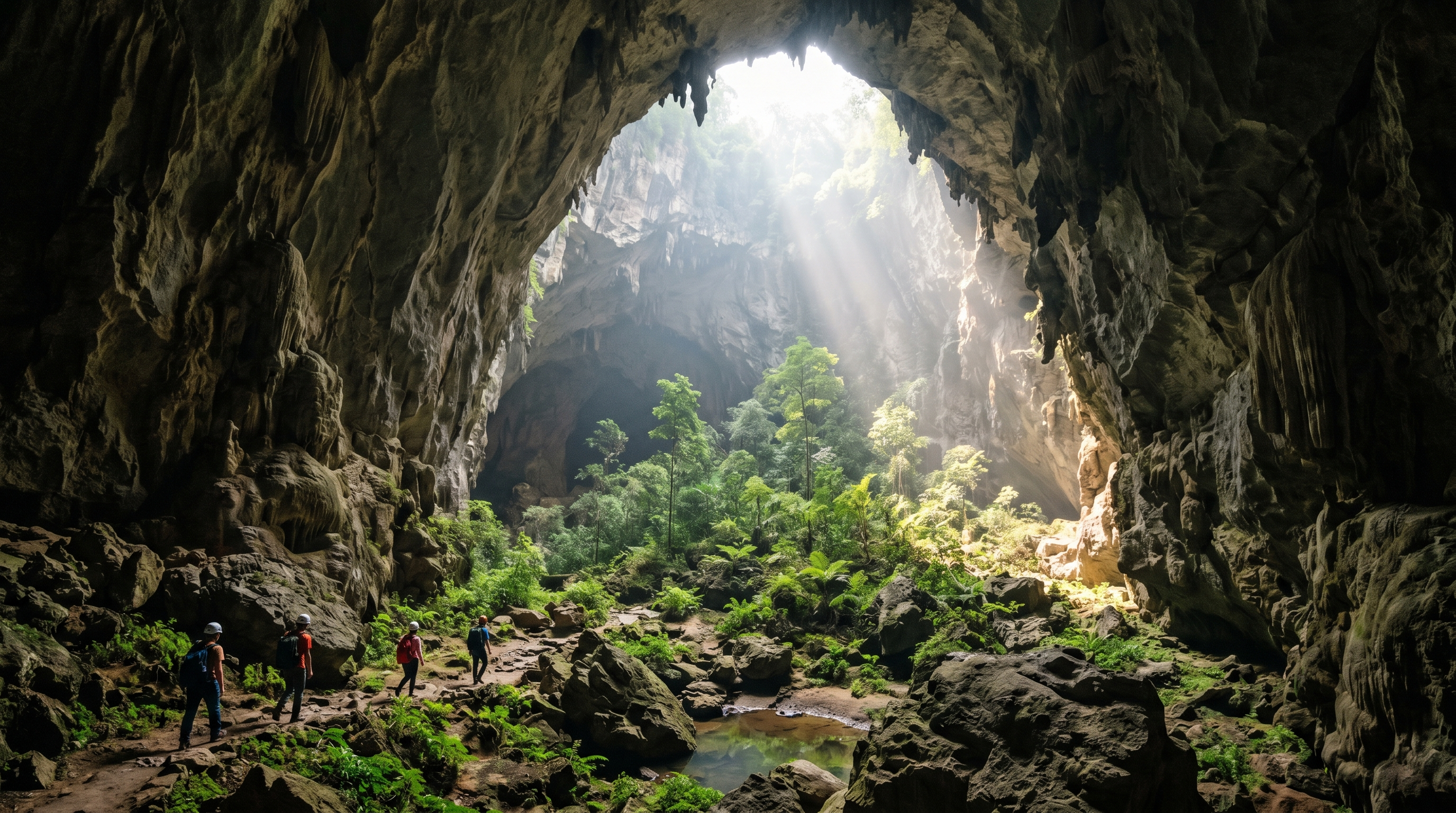
Son Doong is the cave that makes most other caves feel like warm-up acts. It is often described as the world’s largest cave by volume, with massive chambers, jungle-like interiors, underground rivers, and scale that looks almost fake until you realize the people in the photos are just tiny dots.
This is not a casual tourist cave. Son Doong is an expedition. That means official guided access, serious preparation, physical fitness, limited availability, and a price tag that reflects the level of operation involved. You do not casually drop by Son Doong because you had an open afternoon and a granola bar.
For the right traveler, though, it is one of the most extraordinary underground experiences on earth. It belongs in this guide because it shows the far end of the cave travel spectrum. Waitomo is the accessible dream. Vatnajökull is guided adventure. Son Doong is the serious expedition.
Important: Do not treat Son Doong as a DIY destination. If this cave is on your life list, research official expedition operators, availability, physical requirements, and booking windows long before building the rest of your Vietnam trip.
Best booking suggestion: Treat Son Doong as the entire anchor of a trip, not a side activity. If you cannot secure expedition access, consider other guided caves in the Phong Nha region that may be more realistic for your timing and budget.
4. Tourist-Friendly Limestone Caves in Europe
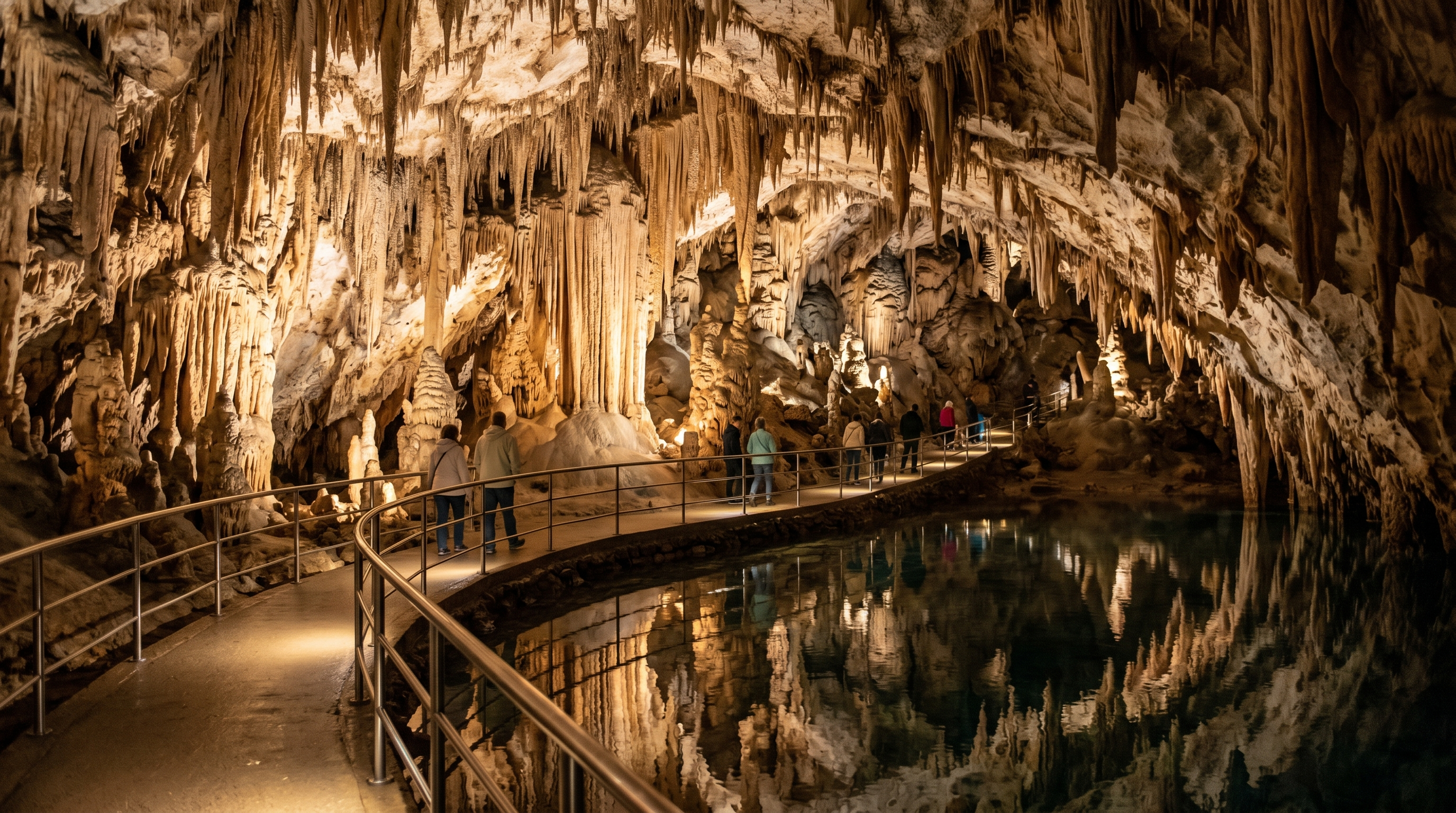
Europe has some of the best cave experiences for travelers who want beauty, structure, and accessibility. Think underground lakes, stalactites, stalagmites, illuminated chambers, and guided walking routes that let you experience cave scenery without needing expedition skills.
This category includes places like Cuevas del Drach in Spain, Postojna Cave in Slovenia, Škocjan Caves, and other cave systems that are set up for visitors. These are strong options for travelers who want cave exploration to fit inside a broader Europe trip instead of becoming the whole reason for going.
The key is choosing caves that match your route. If you are already in Spain, Slovenia, Italy, or nearby regions, a cave visit can add a completely different texture to the trip. It gives you a break from city streets and beaches while still staying inside a comfortable travel structure.
Best booking suggestion: For Europe cave trips, check whether the cave is best booked as a standalone ticket, a guided day tour, or part of a broader regional itinerary. Do not assume every cave has the same photography rules, accessibility, or entry system.
What about crystal caves and restricted caves?
Some caves are famous because they look almost impossible. Mexico’s Cave of the Crystals is the obvious example, with enormous selenite formations that look like something designed by a sci-fi art department. But famous does not always mean visitable.
Many fragile, dangerous, or scientifically important cave systems are restricted, closed, or only accessible for research. That does not make them less interesting. It just means they belong in the inspiration-and-learning category, not the “book this for next Tuesday” category.
Traveler reality check: A cave can be world-famous and still not be a practical travel destination. For Earthbound-style trip planning, focus on caves with safe visitor access, guided tours, or established tourism infrastructure.
How to choose the right cave experience
The right cave experience depends on your comfort level more than your curiosity. Almost everyone is curious about caves. Not everyone wants slippery steps, helmets, cold air, tight passages, or total darkness. That is not weakness. That is useful self-awareness.
| If you want… | Choose… | Why |
|---|---|---|
| Something safe, beautiful, and beginner-friendly | Waitomo Glowworm Caves | Guided structure, boat ride, strong visual payoff, low physical intensity. |
| A colder, more active adventure | Vatnajökull Ice Caves | Glacier scenery, guided access, and a more adventurous feel. |
| A serious expedition | Son Doong or similar Vietnam expeditions | Best for fit, committed travelers with time, budget, and advance planning. |
| An easy add-on to a Europe trip | Tourist-friendly limestone caves | Great for scenic formations, underground lakes, and controlled visitor access. |
| Science, geology, and inspiration | Restricted or research caves | Better for reading, documentaries, museums, or nearby visitor centers. |
Cave safety: what first-timers need to know
Cave safety is not about being dramatic. It is about respecting the environment. Caves can be dark, wet, slippery, cold, fragile, and confusing. They also often protect delicate ecosystems, cultural artifacts, or geological formations that can be damaged by careless visitors.
The easiest rule is this: if you are not trained, do not explore wild caves alone. Join a guided tour, follow local rules, stay on marked routes, and do not treat your phone flashlight like it is a professional cave lighting system. It is not. It is a tiny rectangle with confidence issues.
Use guides
Guides understand routes, conditions, fragile areas, emergency procedures, and the stories behind the cave.
Wear proper footwear
Many caves have wet floors, steps, uneven surfaces, or cold conditions. Fashion loses underground.
Respect restrictions
Closures, photo rules, and no-touch areas are there for safety and preservation, not to ruin your fun.
How much do cave tours cost?
Cave tour pricing varies wildly because the experiences are so different. A short guided cave visit or boat tour may be fairly affordable, while a glacier cave tour or expedition cave experience can cost significantly more because it requires specialized guides, equipment, transportation, and safety management.
| Experience type | Typical cost feel | What affects the price |
|---|---|---|
| Tourist cave ticket or short guided tour | Lower | Entry ticket, guide, short duration, easy access. |
| Glowworm cave boat tour | Lower to moderate | Timed entry, guide, boat section, visitor infrastructure. |
| Ice cave or glacier cave tour | Moderate to higher | Specialized guides, winter conditions, safety equipment, transport. |
| Expedition cave tour | High | Permits, guides, porters, meals, camping, safety support, limited availability. |
Booking stack: what to lock in first
With cave travel, the tour usually comes first. That is especially true for ice caves, glowworm caves, and expedition caves. Once the cave experience is locked in, you can build the rest of the trip around the location, transport needs, and overnight stays.
Choose the cave experience first, then build the trip around it
Cave travel works best when the main underground experience anchors the plan. Pick the cave, confirm the tour style, then arrange nearby stays, transport, and extra travel days around that instead of trying to squeeze a fragile or seasonal cave into a rushed itinerary.
Frequently asked questions
Are cave tours safe for beginners?
Many cave tours are safe for beginners when they are guided, clearly marked, and designed for visitors. Waitomo Glowworm Caves and many tourist-friendly limestone caves are good beginner options. Wild cave exploration should not be attempted without training and proper guidance.
What is the best cave tour for first-time travelers?
Waitomo Glowworm Caves is one of the best first-time cave experiences because it is guided, visually memorable, and less physically demanding than glacier or expedition cave tours.
Do I need special gear for a cave tour?
For tourist caves, you usually need comfortable footwear and layered clothing. For ice caves, adventure caves, or expedition caves, the operator typically provides required safety gear such as helmets, crampons, or lights. Always check the tour details before booking.
Can I explore caves without a guide?
For established tourist caves, self-guided or guided visitor routes may be available depending on the destination. For wild caves, ice caves, glacier caves, and expedition caves, you should use trained guides and official access routes.
What is the best season for cave tours?
It depends on the cave. Ice caves are usually seasonal and tied to winter conditions, while glowworm caves and limestone show caves may operate year-round. Expedition caves may have specific operating seasons based on weather, safety, and permits.
Are ice caves dangerous?
Ice caves can be dangerous because glacier conditions change. That is why guided tours, current local safety judgment, and proper equipment matter. Travelers should never attempt glacier ice cave exploration independently.
What is the difference between a tourist cave and an adventure cave?
A tourist cave usually has built-in visitor infrastructure such as paths, lights, railings, or boat tours. An adventure cave may involve helmets, headlamps, uneven terrain, cold conditions, climbing, glacier travel, or more physical effort.


Leave a Reply