Last Updated on January 21, 2026 by Jeremy
Foraging has been part of my life long before I ever called it “foraging.” Growing up in Saskatchewan, Saskatoon berries filled ice cream pails and eventually pies. Later, working as park operators in British Columbia, huckleberries became a familiar reward after long days outdoors. What those experiences taught me is simple: foraging isn’t about free food. It’s about learning landscapes, respecting ecosystems, and slowing travel down enough to actually notice what grows around you.
TL;DR
- Start with safer families: blueberries/huckleberries (Vaccinium) and raspberries/blackberries (Rubus).
- Never rely on color alone: many toxic berries look harmless.
- Follow ethical rules: take little, leave plenty, avoid protected areas.
- Use ID tools: iNaturalist and PlantNet help confirm species.
- Travel mindset: forage to learn the land, not to strip it.
What Foraging Teaches You About Place
When you forage, you stop seeing land as scenery and start reading it like a map. Soil type, moisture, elevation, sunlight, and seasonal timing all determine what grows where. Travelers who forage begin to recognize patterns: berries near forest edges, alpine varieties in cooler climates, coastal shrubs shaped by salt air. It becomes a quiet education in ecology that no guidebook really teaches.
Ethical Foraging: Sustainability Comes First
- Know local rules: many parks prohibit harvesting to protect ecosystems.
- Take only what you need: wildlife depends on berries too.
- Avoid damaging plants: gentle picking protects future growth.
- Stay away from polluted areas: roadsides and sprayed fields can contaminate fruit.
- Leave no trace: the goal is to leave the patch healthier than you found it.
Identifying Edible vs Dangerous Berries
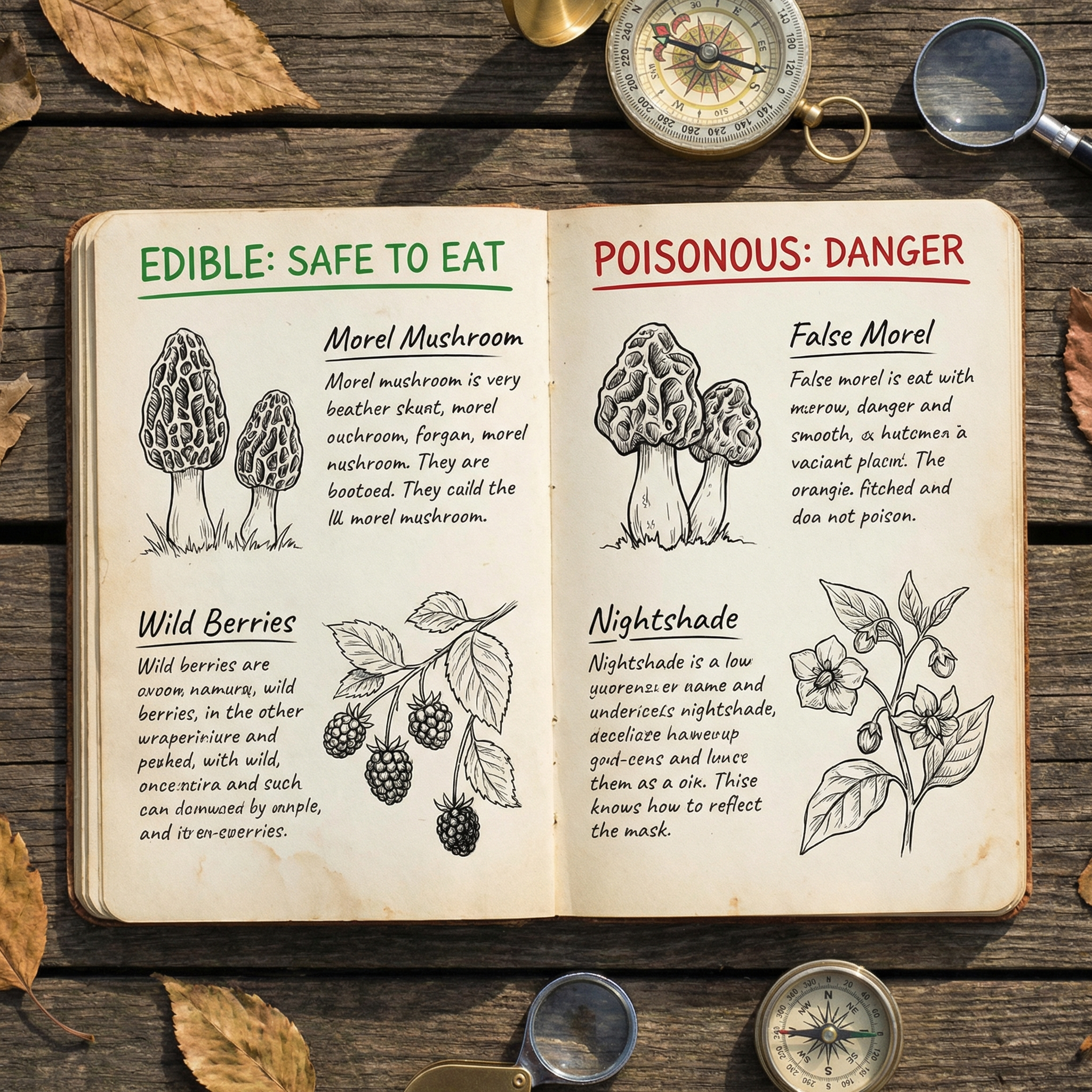
Beginner-friendly edible groups
- Vaccinium family: blueberries, huckleberries, bilberries.
- Rubus family: raspberries, blackberries, salmonberries.
These families share consistent structures that make them easier to learn safely.
Common dangerous lookalikes
- Baneberries: glossy red or white with black “eye.”
- Nightshade species: green turning dark when ripe.
- Doll’s Eyes: white berries with black center.
If you are not 100% confident, don’t eat it. Guessing is never worth the risk.
Tools That Help Travelers Identify Safely
- iNaturalist: community-based photo identification platform.
- PlantNet: plant ID tool using leaf, flower, and fruit images.
- Offline field guides: useful when traveling without reliable signal.
Use multiple references whenever possible. One app should never be your only source.
Harvesting & Storage Basics
- Pick gently: twist berries free instead of pulling branches.
- Skip unripe fruit: most berries do not ripen after picking.
- Spread harvesting areas: avoid stripping single plants.
- Short-term storage: breathable container in the fridge.
- Long-term: freeze berries individually before bagging.
Foraging While Traveling: Think Habitats, Not Countries
- Boreal forests: blueberries, lingonberries, cloudberries.
- Temperate forests: blackberries, raspberries, elderberries.
- Alpine zones: hardy low-growing berry species.
- Coastal regions: salt-tolerant shrubs and wild berries.
Understanding habitat patterns makes foraging transferable across regions without memorizing endless species lists.
Optional Guided Experience: Learn From Local Experts
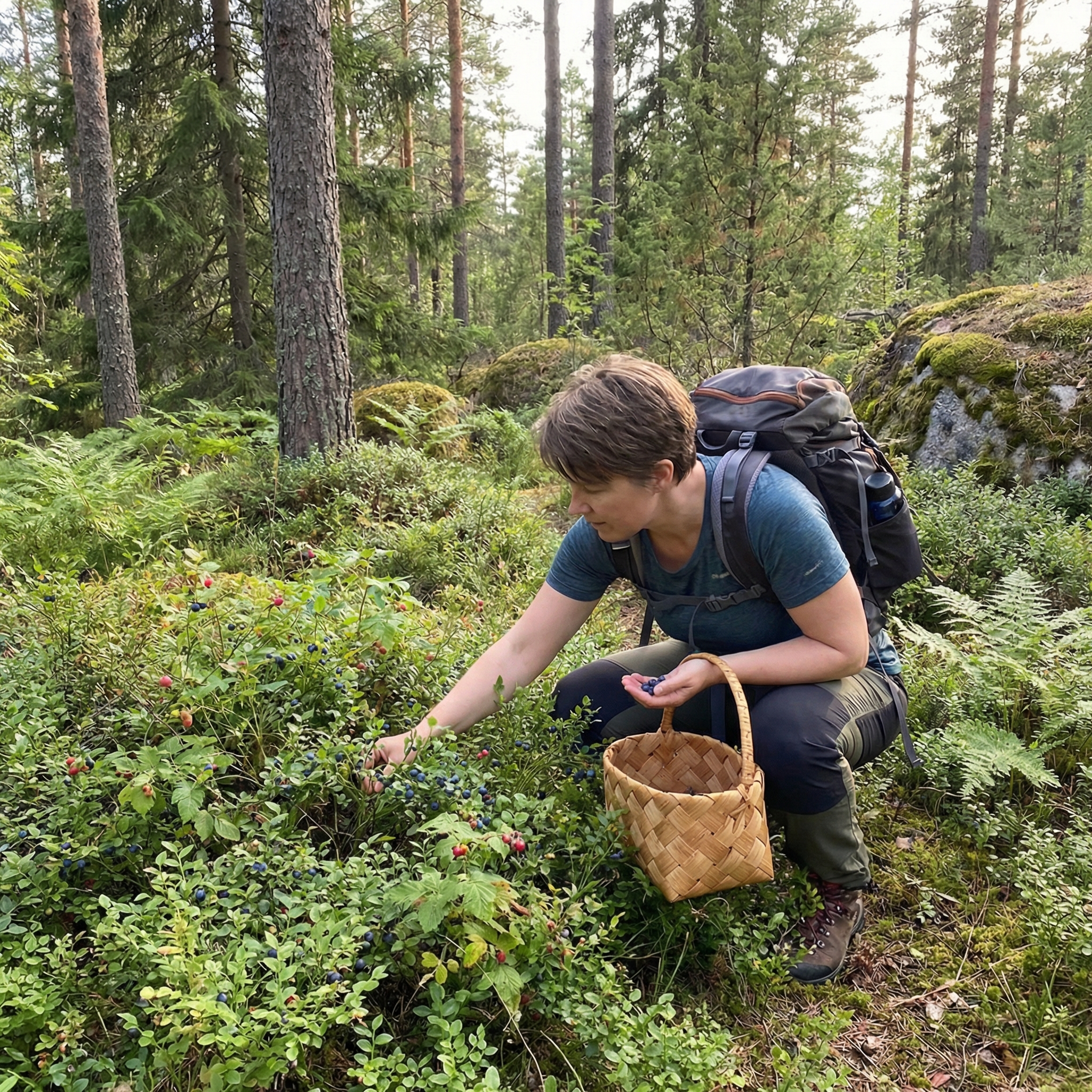
Rovaniemi: Arctic Berry & Mushroom Foraging Tour
Explore Lapland’s forests with local guides who teach seasonal berry identification, harvesting techniques, and ecosystem awareness. This is a great example of low-impact, educational foraging tourism done properly.
Affiliate note: If you book through this link, Earthbound may earn a commission at no extra cost to you.
Final Takeaway
Foraging isn’t about maximizing harvest. It’s about building awareness of ecosystems, honoring local food traditions, and learning to move through landscapes with respect. Whether you’re gathering a handful of berries on a forest trail or joining a guided foraging walk abroad, the mindset stays the same: take little, learn much, and leave the land better than you found it.
Frequently Asked Questions
Is it legal to forage while traveling?
It depends on local regulations. Many national and provincial parks restrict harvesting. Always check local rules before picking.
What berries are safest for beginners?
Blueberries, huckleberries, raspberries, and blackberries are generally easier to identify when using multiple references.
What if I’m unsure about a berry?
Do not eat it. Use ID apps, field guides, or ask local experts before consuming wild plants.
Should I forage in protected areas?
No. Protected areas exist to preserve ecosystems. Stick to permitted public lands or private land with permission.



Leave a Reply