

Last Updated on July 4, 2026 by Jeremy
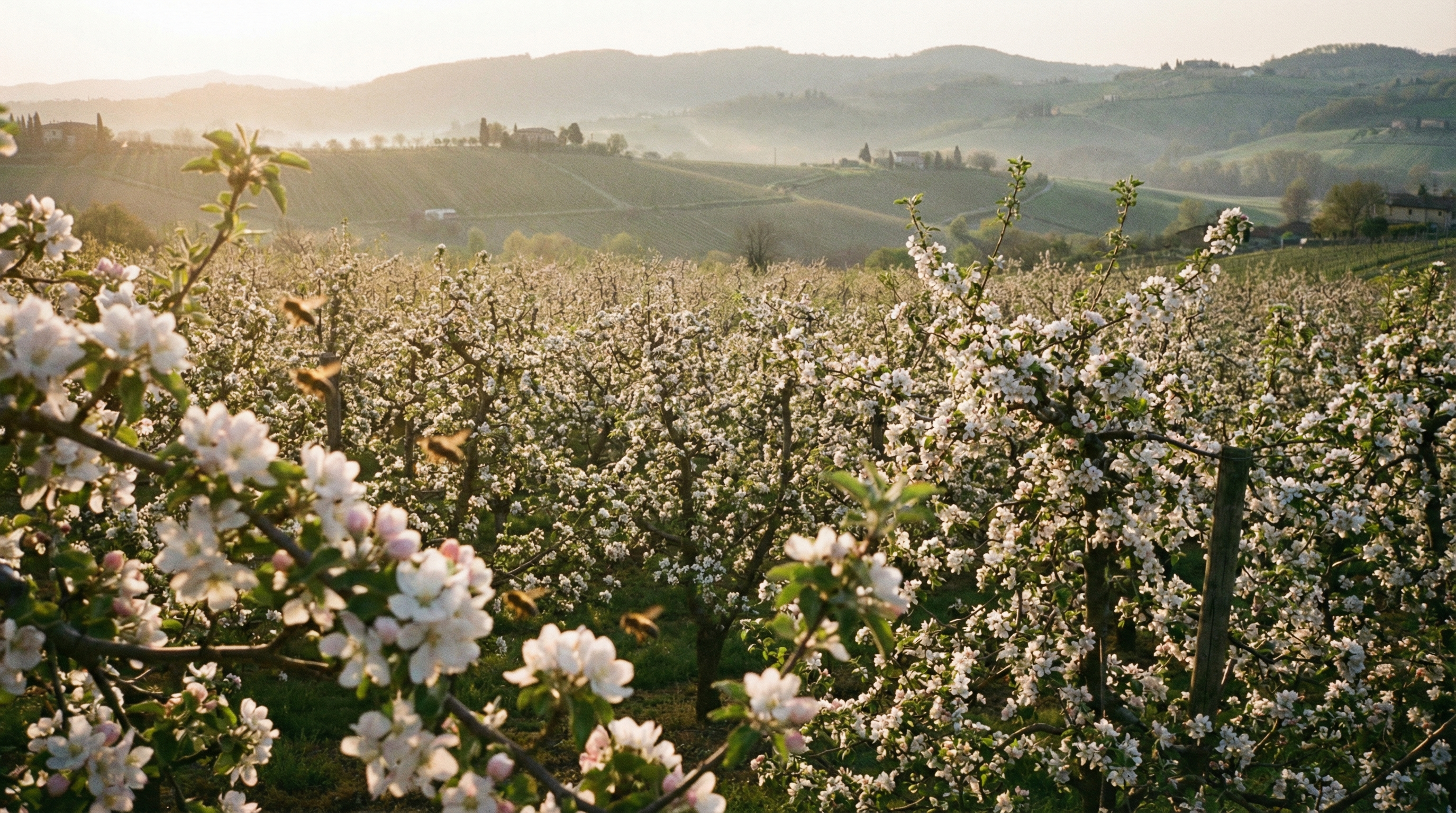
If you’ve ever walked through an orchard during bloom, you already know the sound. It’s not loud. It’s more like a steady hum that tells you the place is working. Most people look at trees and see scenery. Once you understand pollination, you start seeing a system.
This matters for travel because pollination season is one of the easiest “hidden” nature events to plan around. It’s predictable, it’s seasonal, and in the right places you can book hands-on experiences that make it real.
The Problem Travelers Don’t Realize They Have
Most travel content talks beaches, landmarks, food, and nightlife. All fair. But seasonal travel gets easier when you ask one simple question: what’s happening in nature right now?
People miss bloom season by a few weeks, then wonder why the countryside looks “fine” instead of unforgettable. Or they pass through rural regions and never realize there are bookable honey farms and orchard experiences sitting right there.
Why Most Travel Guides Miss Pollination Season
Pollination isn’t background. In a lot of regions it’s the difference between a strong harvest and a weak one, between a thriving orchard and a struggling one. It’s also a clean travel filter.
- Spring: blossoms, orchard events, honey farm tours ramping up
- Early summer: farm stays, markets, active hives, warm-weather excursions
- Late summer: harvest-focused experiences (great, different vibe)
If the same topics keep showing up in trend tools year after year, it’s usually because people keep booking them. Pollination travel is one of those “quiet repeat winners.”
So… Do Bees Pollinate Trees?
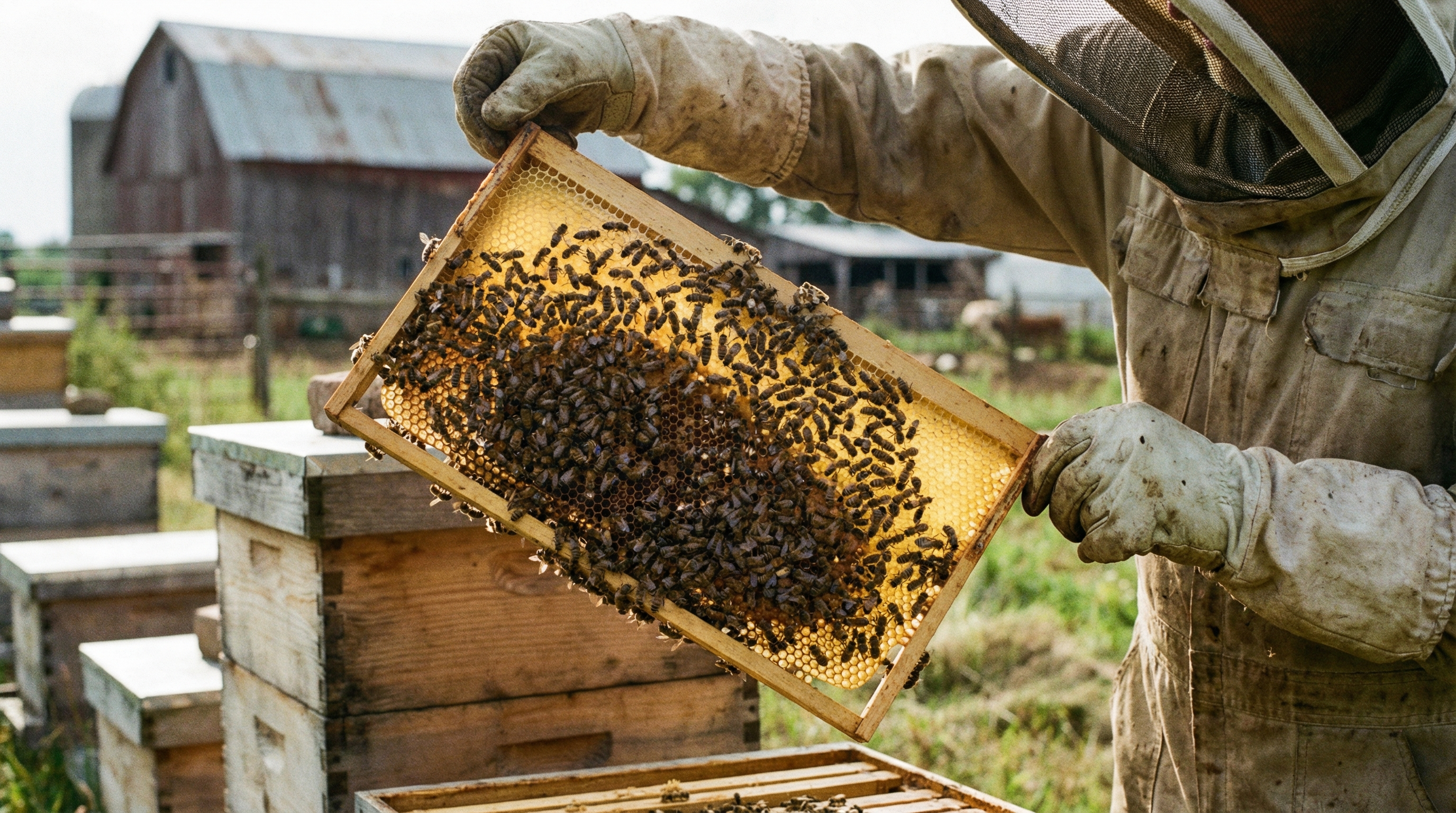
Yes, and it’s not a small detail. Bees move pollen between blossoms on many flowering trees, which supports fruit set and seed production. Easiest way to remember it: if a tree blossoms like it’s trying to show off, bees are usually part of the plan.
Trees that commonly benefit from bee activity
- Apples, pears, cherries, peaches, plums
- Almonds (one of the biggest managed pollination events)
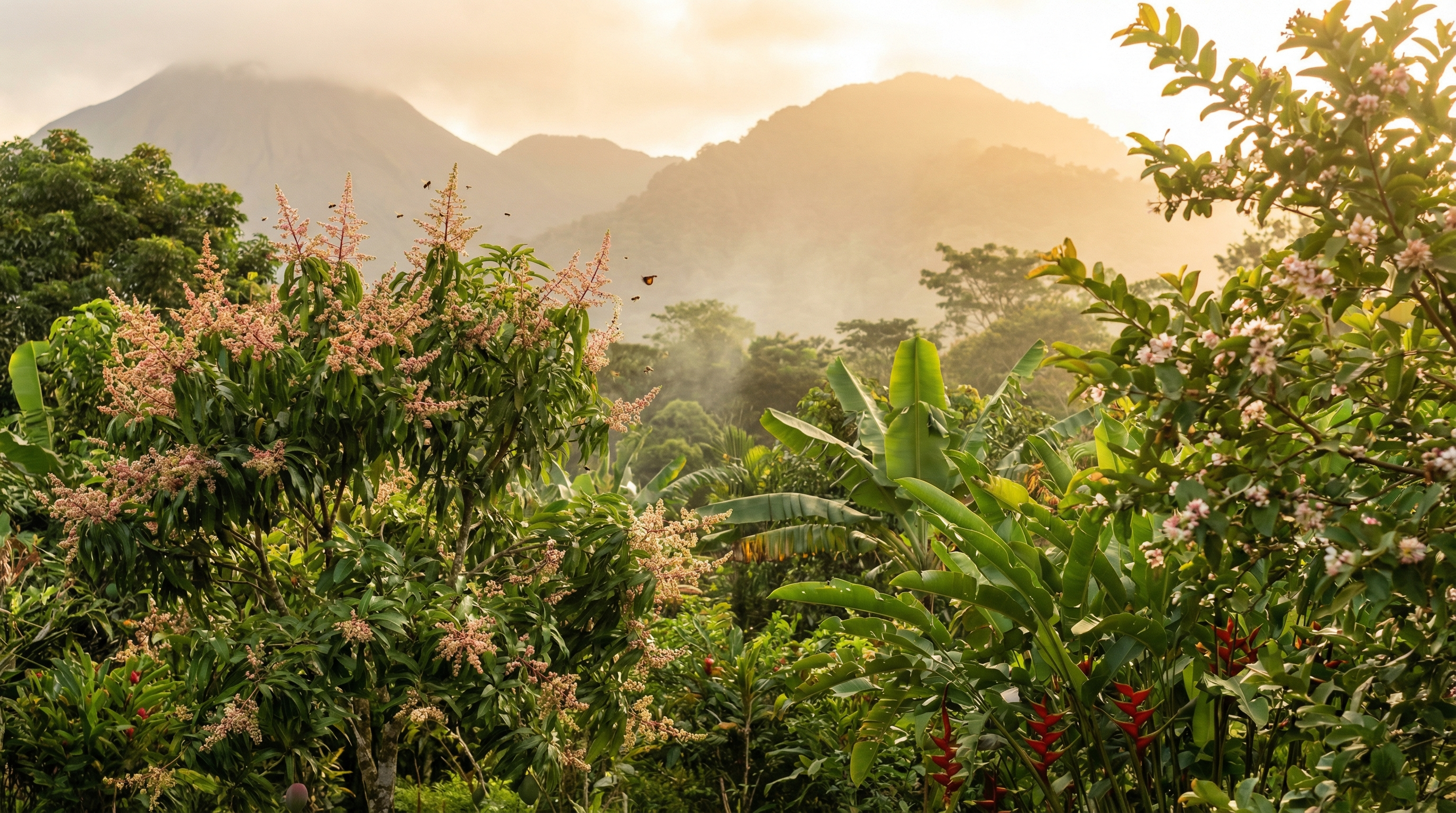
- Many mango, avocado, and tropical fruit regions (varies by ecology)
- Early-season flowering trees (like willow) that feed pollinators
Trees that usually don’t rely on bees
Some trees are wind-pollinated. That’s why you’ll see heavy pollen release in conifer regions. Bees aren’t “absent,” but they aren’t the main courier service.
- Pines, firs, spruces
- Poplar and aspen
- Other wind-driven varieties depending on region
Want to plan this like a real trip?
Use Booking Tools to pick the right platforms for tours, stays, and transfers. If you’d rather have it curated for you, start with Curated Travel.
See Pollination in Action
Reading about pollination is fine. Standing next to an active hive while a beekeeper pulls a frame is different. These experiences tend to be small-group, hands-on, and surprisingly memorable.
What you’ll usually do on a honey farm tour
- Watch a trained beekeeper open and inspect a hive
- Learn how colonies are managed through the seasons
- See how nectar becomes honey and wax inside the comb
- Try protective gear (controlled settings)
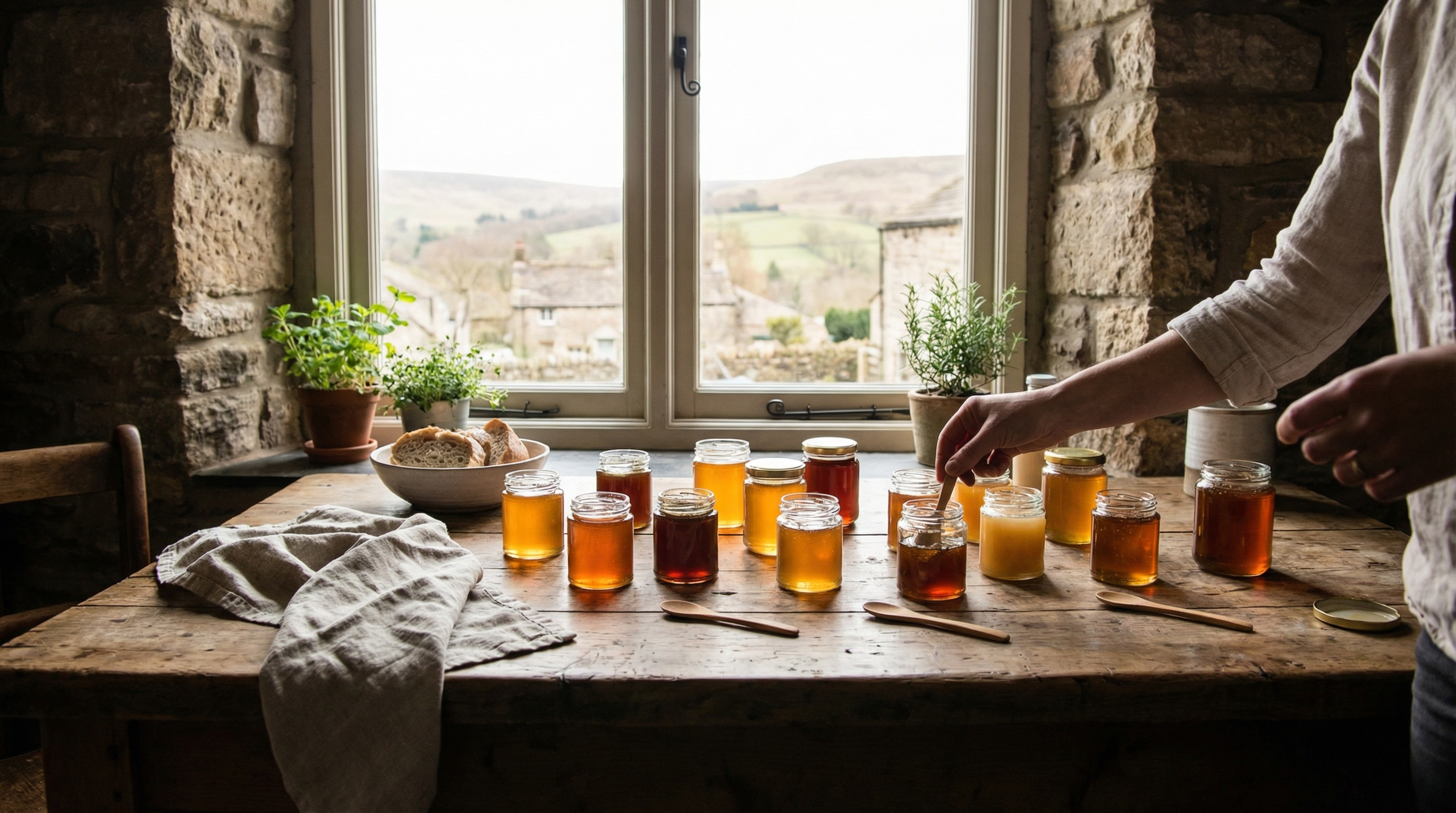
- Taste honey varieties and learn what local flora changes flavor
If you have allergies or concerns, contact the operator before booking. Reputable tours will tell you straight.
Book a beekeeping or honey farm experience
Use the experiences below to find beekeeping and honey focused tours in destinations around the world. Many of these listings support small operators and regional farms.
Stay Rural for One Night and It Changes the Whole Trip
The easiest way to make pollination travel feel real is simple: stay rural for a night or two. Farm stays, orchard regions, eco-lodges, and countryside guesthouses put you close to where this is actually happening.
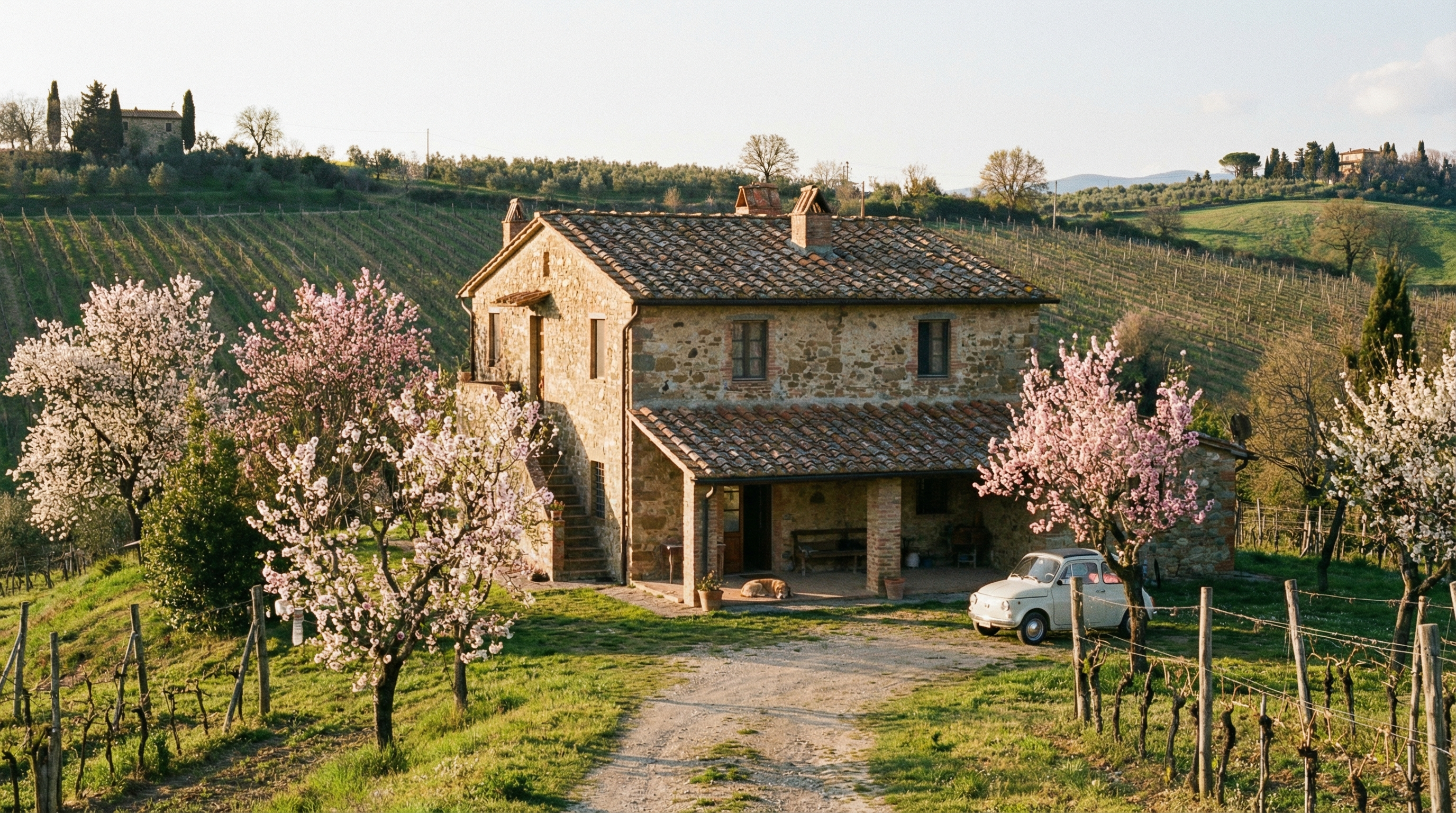
If you’re building this trip yourself, you can start accommodation research here: Expedia rural stays. Then pair it with a local transfer if you’re going off the beaten path: GetTransfer.
When to Travel for Pollination Experiences
Pollination travel works because it’s seasonal. You don’t need to overthink it. Aim for spring bloom windows, or early summer if you want easier rural logistics and longer days.
- Spring: best for blossoms and “see it happening” moments
- Early summer: best for mixing hives + hikes + markets + countryside day trips
You’re not just booking one piece and hoping it pays off. The goal is to build a stack: experiences + stay + transport, with fewer missed opportunities.
Want us to curate this for you?
If you want a fully planned escape instead of stitching it together, start at Curated Travel and we’ll point you in the right direction.
Final Thoughts
Bees aren’t just hovering around flowers for decoration. They’re part of what keeps orchards productive and ecosystems stitched together. When you travel with that lens, landscapes stop being wallpaper and start being stories.
Simplest next move: book a honey farm experience, stay rural for a night, and plan it around spring bloom. That’s how you turn a “nice trip” into one you remember.
Frequently Asked Questions
Do bees really pollinate trees or just flowers?
Bees pollinate both. Many flowering trees rely on bees to move pollen between blossoms, supporting fruit set and seed production.
Which trees depend most on bee pollination?
Many fruit trees benefit heavily, including apples, pears, cherries, peaches, and plums. Some crops (like almonds) rely strongly on managed pollination.
Do pine trees need bees?
No. Most conifers (pines, firs, spruces) are wind-pollinated, meaning pollen travels on air currents rather than on insects.
Where can travelers see pollination up close?
Honey farms, beekeeping workshops, orchard tours, and rural farm stays are some of the best ways to see it. Spring and early summer are typically the best seasons.
Are beekeeping tours safe for beginners?
Reputable operators provide protective gear, clear instructions, and experienced guides. If you have allergies or concerns, contact the operator before booking.


Leave a Reply