

Last Updated on August 1, 2026 by Jeremy
Fall foliage trips are unusually unforgiving. You can book the right destination, choose a beautiful hotel, arrive during the “normal” peak week—and still discover that warm weather delayed the colour or one windy storm stripped the trees early.
That does not make autumn travel a bad gamble. It means the smartest 2026 trips are built around flexible routes, elevation changes and experiences that remain worthwhile even when the leaves refuse to follow the brochure.
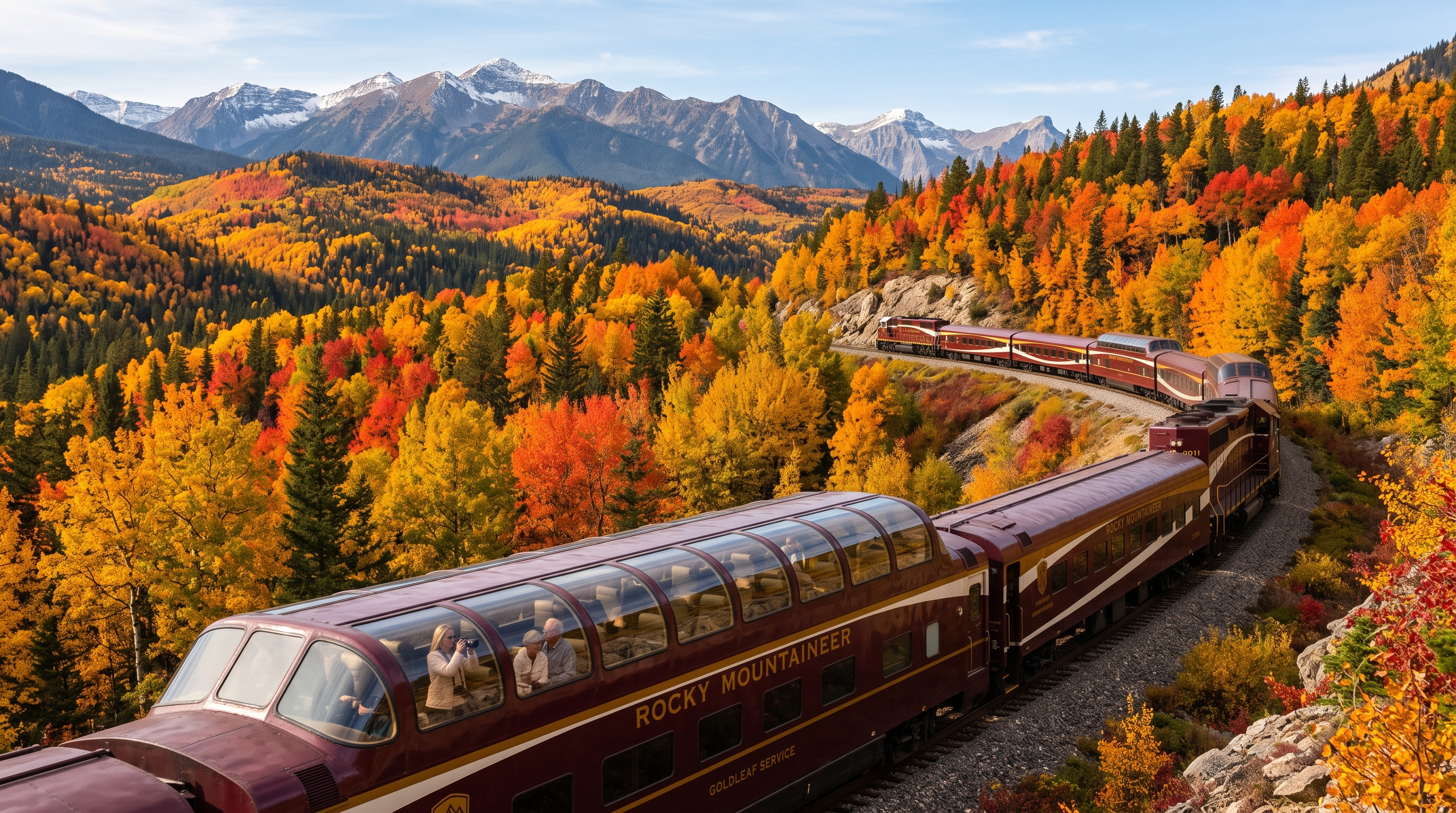
Quick Answer: The Best Fall Foliage Trips in 2026
- New England: Best classic guided-tour and scenic-drive infrastructure, usually late September through mid-October depending on elevation.
- Canada: Excellent road, rail and city-plus-nature combinations in Ontario, Québec and the Rockies.
- Japan: The longest regional progression, from Hokkaido’s mountains in September toward Tokyo and Kyoto in November or December.
- Europe: Strong for alpine rail, wine regions, lakes and shoulder-season city combinations.
Why a Tour Can Beat Chasing Colour Alone
A guided tour does not control the trees. What it can do is remove the constant hotel changes, unfamiliar roads, parking problems and sold-out attraction tickets that make a time-sensitive trip harder.
Independent travel gives you more freedom to react to live colour reports. Guided travel gives you a tested route and fewer logistics. Scenic trains place the journey itself at the centre. The right format depends on how much uncertainty you enjoy managing.
| Trip style | Best advantage | Main tradeoff | Best for |
|---|---|---|---|
| Guided multi-day tour | Hotels, transport and key stops are coordinated. | The route cannot chase every last-minute colour shift. | First-time visitors, solo travelers and people who dislike driving. |
| Self-drive road trip | Maximum flexibility for weather and live foliage reports. | Parking, rental terms, traffic and navigation are yours. | Photographers, couples and confident road trippers. |
| Scenic rail trip | You watch the landscape instead of the road. | Popular departures can sell out before peak conditions are known. | Families, rail lovers and relaxed travelers. |
| One-base getaway | Less packing and easier date flexibility. | Your colour range is geographically smaller. | Weekend trips and travelers who value slower pacing. |
1. New England: The Classic Fall Foliage Tour
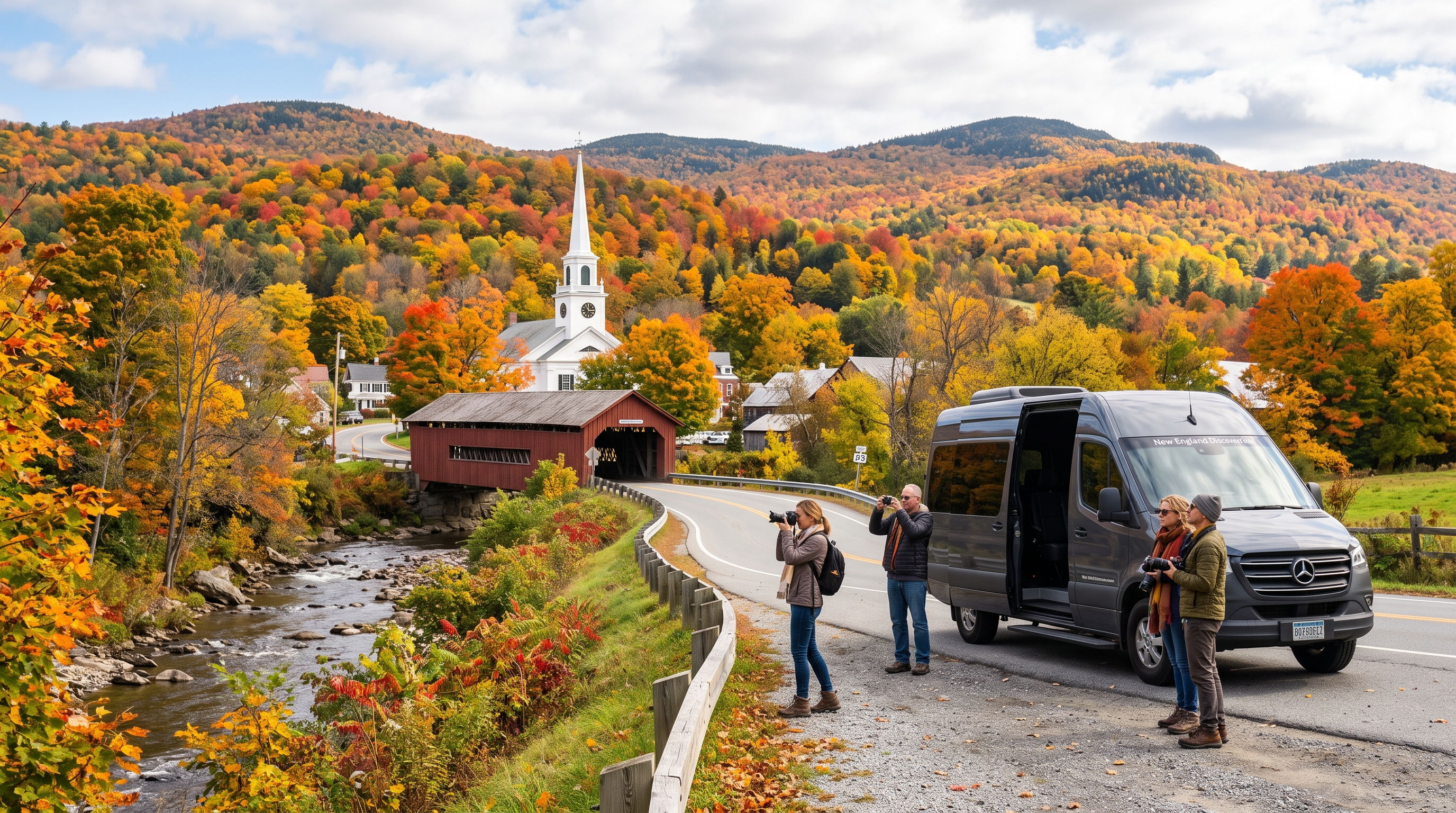
Vermont, New Hampshire and Maine remain the obvious starting point because the region has built an entire travel rhythm around autumn. Stowe, the White Mountains, the Kancamagus Highway, covered bridges, cider mills, Acadia and historic inns can support the trip even if one specific viewpoint is early or late.
Published 2026 tour calendars already include departures from late September through October, and some dates are unavailable. Granite State Railway’s 2026 fall trains are scheduled on select dates from September 19 through October 18.
Boston → White Mountains → Stowe → Coastal Maine
Fly into Boston, move north with elevation, cross into Vermont, then finish near Maine’s coast. An open-jaw flight can reduce backtracking if the final city has practical connections.
Planning edge: Pick a tour with mountains and valleys. Elevation changes create more than one possible colour window.
2. Canada: Ontario, Québec and the Rockies
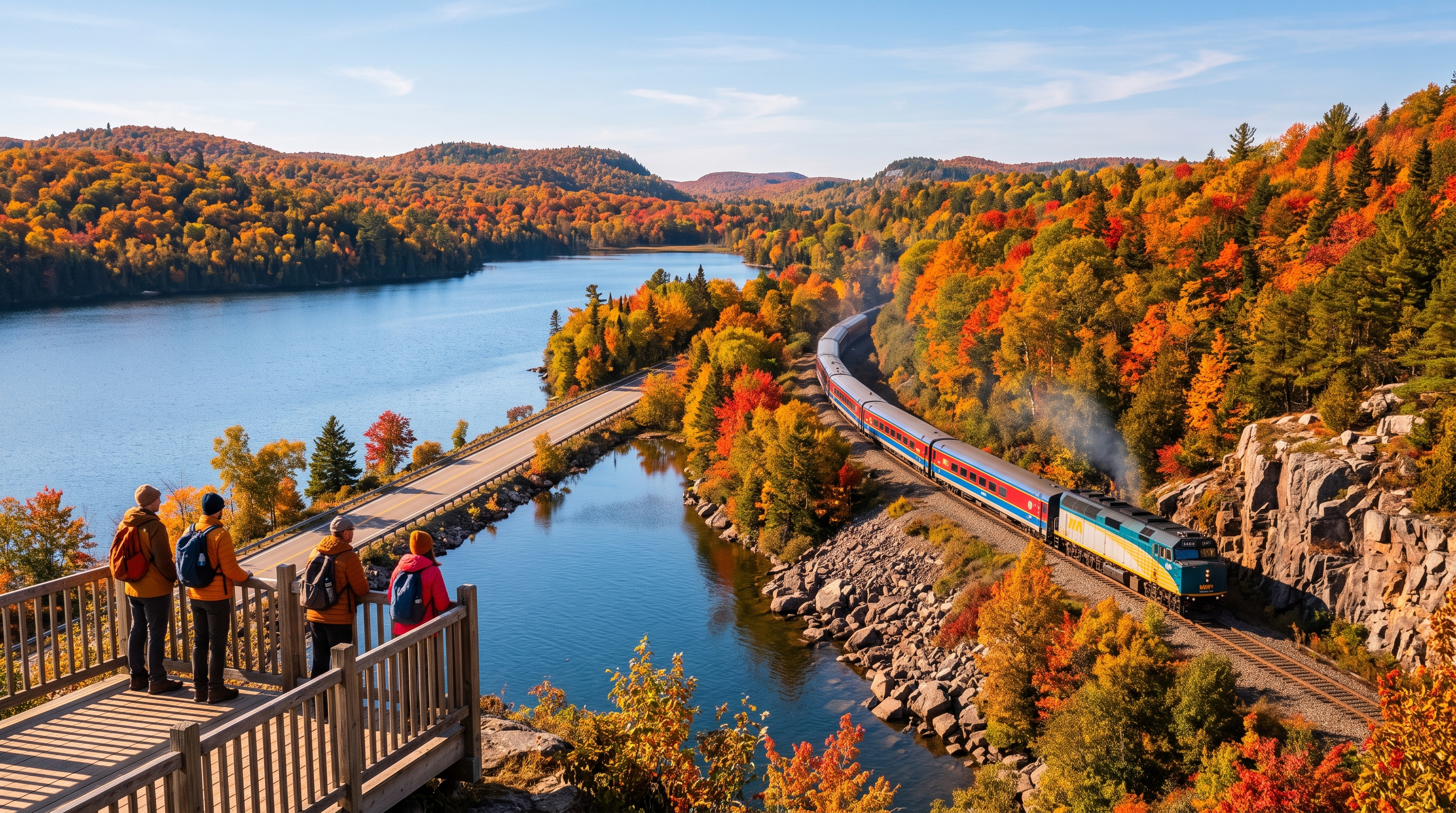
Canadian fall travel can combine cities, lakes, forests and rail more naturally than many visitors expect. Québec City adds historic streets and food. Montréal provides a strong flight base. Ontario offers Algonquin, Muskoka and the Canadian Shield. Alberta’s larch season creates a shorter golden mountain window.
Montréal, Québec City and Charlevoix
Good for culture, food, scenic roads and travelers who want more than forest viewpoints.
Toronto, Muskoka and Algonquin
Works as a road trip or guided escape with lake scenery and broad hardwood colour.
Banff and the Larch Valleys
Golden larches, mountain weather and a shorter season that requires backup plans.
City-to-City Without the Rental Car
Use intercity rail for the urban spine, then add a guided day trip for rural colour.
3. Japan: Follow the Colour South
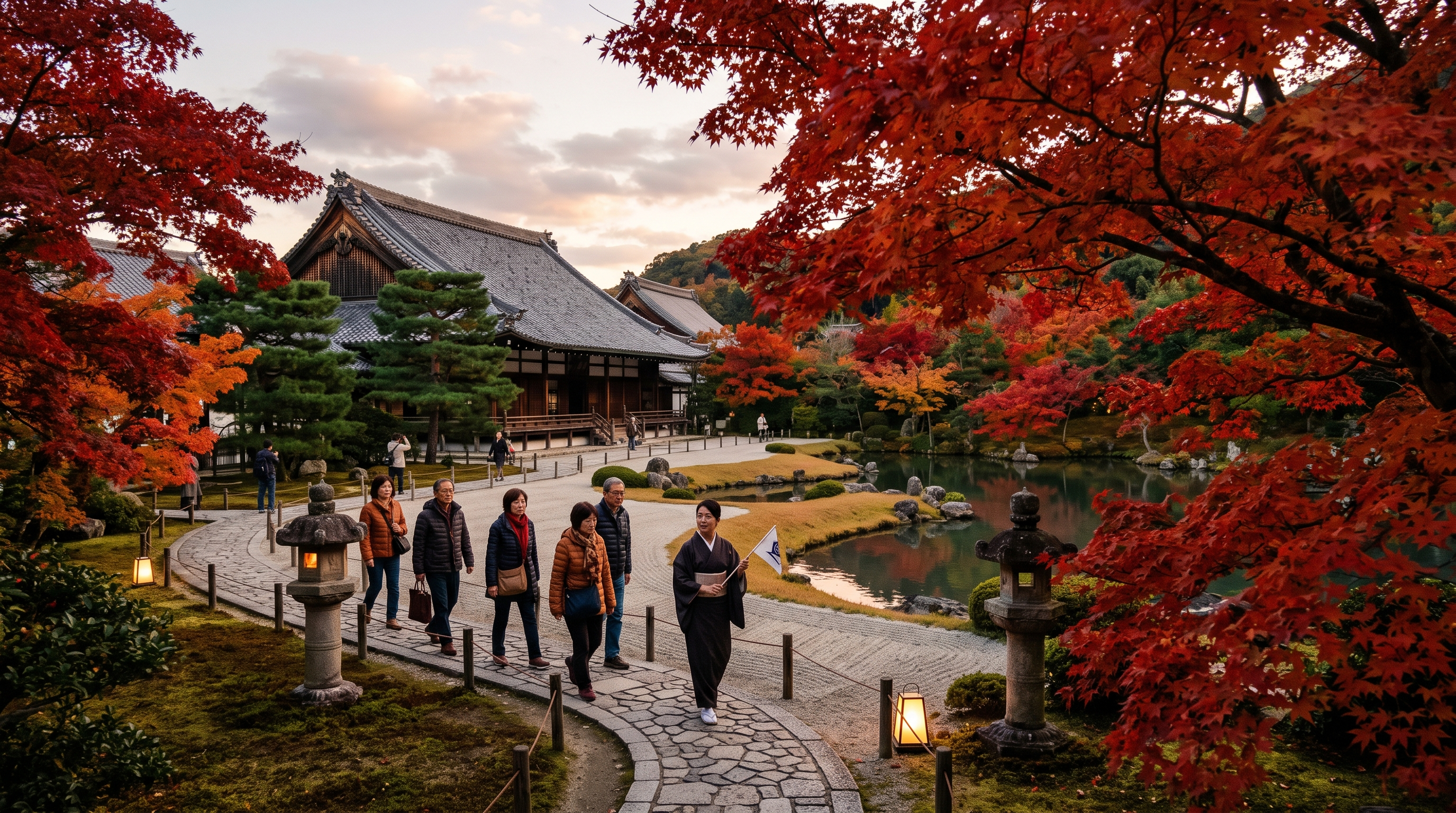
Japan’s autumn-leaf season is not one week. Colour generally begins in high-elevation Hokkaido and moves south and downhill over several months. That makes Japan powerful for travelers with flexible dates—but dangerous for anyone treating an early estimate as a confirmed 2026 forecast.
As of August 1, the widely watched official 2026 forecast had not yet been released. Recent warm autumns have also pushed some city peaks later than older guidebooks suggest. Use typical windows for early planning, then check updated Japanese forecasts before locking non-refundable local travel.
- September to early October: high-elevation Hokkaido.
- October: Tohoku, Nikko and alpine areas.
- November into early December: Tokyo, Kyoto, Nara and lower-elevation destinations, depending on the year.
4. Europe: Alpine Rail, Lakes and Wine Country
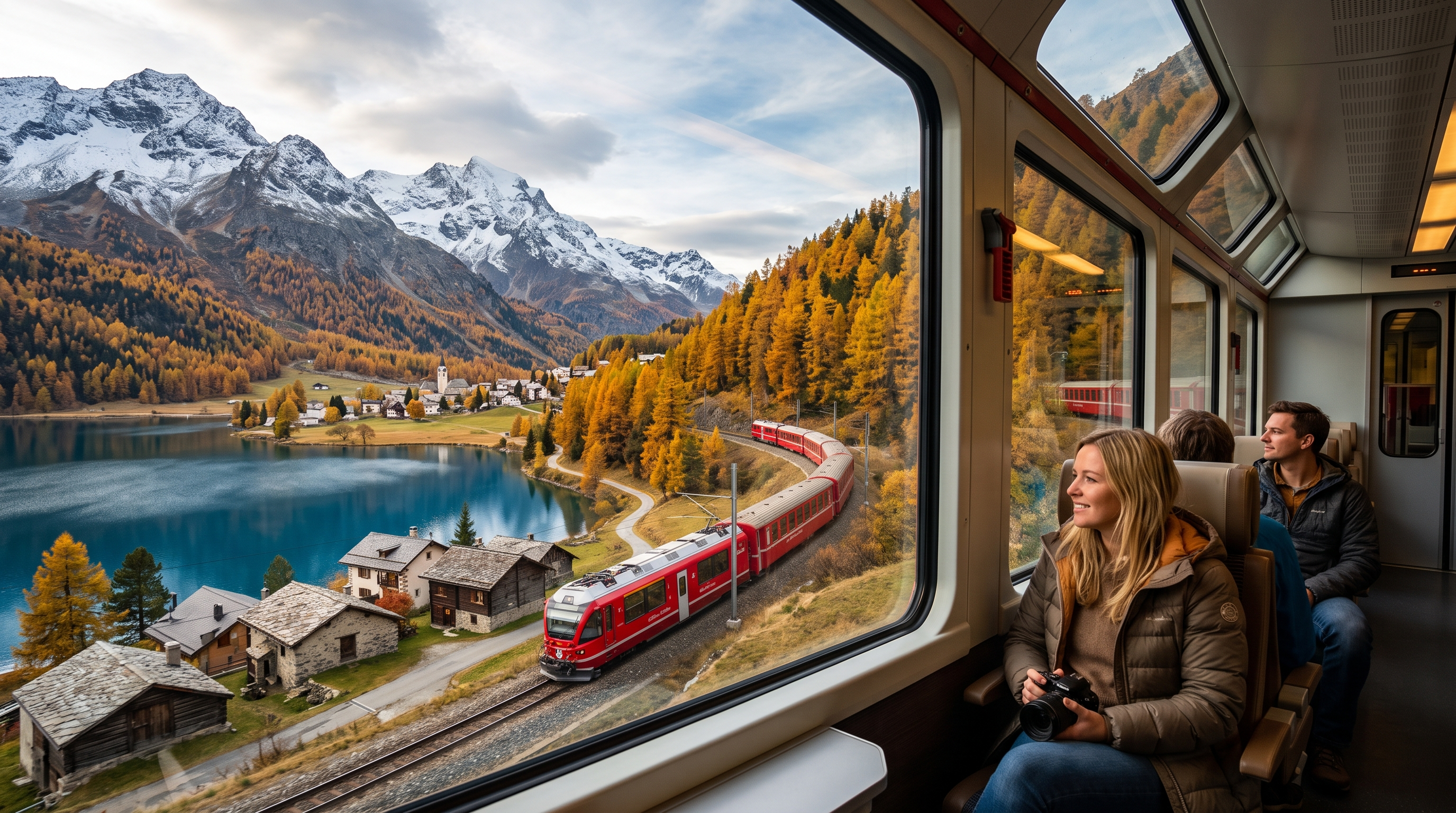
Europe’s best autumn trips are not always sold as “foliage tours.” They may appear as alpine rail journeys, harvest-season food tours, wine routes, lake itineraries or shoulder-season city packages.
Consider Switzerland’s scenic rail corridors, Austria’s lake districts, Germany’s Rhine and Moselle valleys, Slovenia’s Lake Bled region, or Central European cities paired with countryside day trips.
The tradeoff is weather. Mountain rail and cable-car schedules can change as summer operations end and winter preparation begins. Verify every seasonal lift, boat and attraction instead of assuming a summer itinerary works in October.
How to Plan Around Peak Colour Without Guessing

- Choose the experience first. The trip should still work if colour is imperfect.
- Use a date range, not one peak day. Colour varies by elevation, tree type, rain, wind and temperature.
- Book refundable lodging early. Good bases fill before accurate forecasts exist.
- Build elevation into the route. Higher areas usually turn before nearby valleys.
- Check live sources one to two weeks out. Tourism offices, park reports, webcams and recent local images beat an old calendar.
- Protect one flexible day. Use it for the best current colour or for bad-weather recovery.
What Does a Fall Foliage Tour Cost?
Published 2026 examples range widely. A long motorcoach tour can begin around the low-$3,000s per person, while premium eight-day New England programs can exceed $5,000 before flights. A short scenic train ride is much less, but it does not include a full vacation’s lodging, meals or transportation.
Compare what is actually included:
- Number and quality of hotel nights
- Airport transfers and baggage handling
- Meals and gratuities
- Rail class or coach standard
- Attraction admissions
- Single supplements
- Cancellation protection
Build Your 2026 Fall Trip
Compare the structured-tour route first, then price the same dates independently. The cheaper headline is not always the cheaper complete trip.
Frequently Asked Questions
When is peak fall foliage in New England in 2026?
Typical colour moves from northern and higher-elevation areas in late September toward southern and lower areas through October. Exact 2026 timing depends on weather, so use live state and local reports close to departure.
Are fall foliage tours worth it?
They can be worthwhile when you value handled transportation, hotels and access. Self-driving is better for travelers who prioritize last-minute flexibility.
What is the best scenic fall train?
The best choice depends on destination and trip length. New Hampshire offers dedicated 2026 foliage trains, while Canada, Japan and the Alps support longer rail-based autumn itineraries.
When should I book a fall foliage trip?
Reserve refundable accommodations and popular trains early. Wait for updated forecasts before making optional, non-refundable day-by-day commitments when possible.
Where can I see fall colour later in the year?
Japan’s major cities and lower-elevation destinations often turn later than New England, sometimes from November into December.
Leave a Reply