

Last Updated on December 14, 2025 by Jeremy
Food is usually the part of travel that actually sticks. Not the “look, I stood in front of the thing” photos. The meals. The unplanned ones. The market stall you walked past twice and finally gave in to. The dish you can’t pronounce, but you remember exactly how it tasted.
This page is built for two realities: the season where you can travel freely, and the season where you can’t. Either way, you can still explore the world through food. You just need to be honest about what counts as an experience, and what’s simply a substitute.
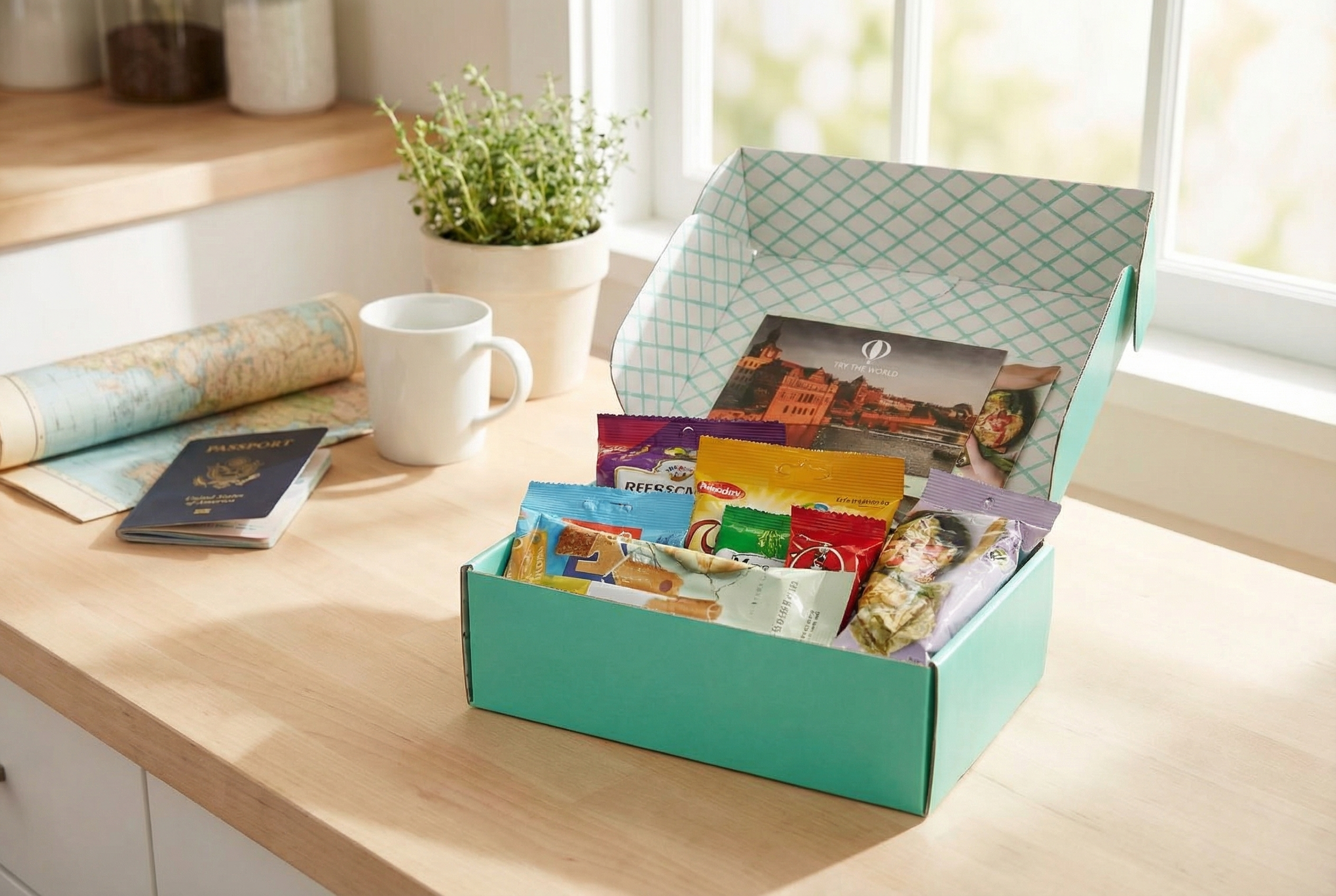
And yes, this guide includes a Try The World snack box taste test. Not as a gimmick, and not as a replacement for travel, but as a real option for people who want global flavors delivered to their door.
Why Food Is the Fastest Way to Understand a Place
You can visit a country and still leave with a surface-level understanding of it. Food doesn’t allow that. Food forces you into the real version of a place: ingredients shaped by climate, recipes shaped by history, and eating habits shaped by everyday life.
A landmark tells you what a country wants to show you. A meal tells you what people actually live on. What they grow. What they can afford. What they celebrate. What they comfort themselves with when things are tough.
That’s why “food travel” isn’t some trendy niche. It’s a shortcut to culture that works whether you’re on a budget or not. You don’t need luxury accommodations to eat well. You need proximity to real people.
Note: This page is based on real testing (the Try The World box), real travel reasoning, and a practical framework. No hype. No pretending a subscription box is the same as a market in Oaxaca or a night stall in Bangkok.
The Travel Path: How to Eat Like a Local Without Guessing
Tourist restaurants are not the enemy. Sometimes they’re convenient. Sometimes they’re even good. But they tend to flatten cultures. They make everything safer, more generic, and easier to sell to everybody. Which is great if your goal is “nobody complains,” and terrible if your goal is “I want to understand this place.”
If you want food that actually means something, you need three things: markets, local habits, and conversation. That’s the difference between eating in a country and eating something that simply happens to be located there.
Step 1: Start with markets, not menus
Markets teach you what’s local and what’s seasonal in about ten minutes. You see what people buy, what’s cheap, what’s prized, and what’s normal. Even if you don’t eat a single thing there, you’re walking through a live cultural map.
Step 2: Trust short menus and busy places
A short menu usually means focus. A busy place usually means consistency. If the menu is twelve pages long and has glossy photos, you’re probably about to pay extra for something designed to offend nobody.
Step 3: Hosted food experiences (where the real stories are)
This is the step most travelers skip, and it’s also where the best memories come from. When you eat with locals or take a small cooking experience, you get context: why the dish exists, how it’s made at home, what ingredients are “normal” there, and what people actually cook when they’re not performing for tourists.
This is exactly why EatWith fits Earthbound’s “trust-first” approach. It’s a practical way to find hosted meals and cooking experiences with locals without blindly guessing.
3 Destinations Where Food Carries the Trip
This is not a “best countries on earth” list. It’s a food-first list. These are places where food culture is strong enough that the meals can carry the entire trip, even if you did nothing else (not recommended, but you get the point).
Japan
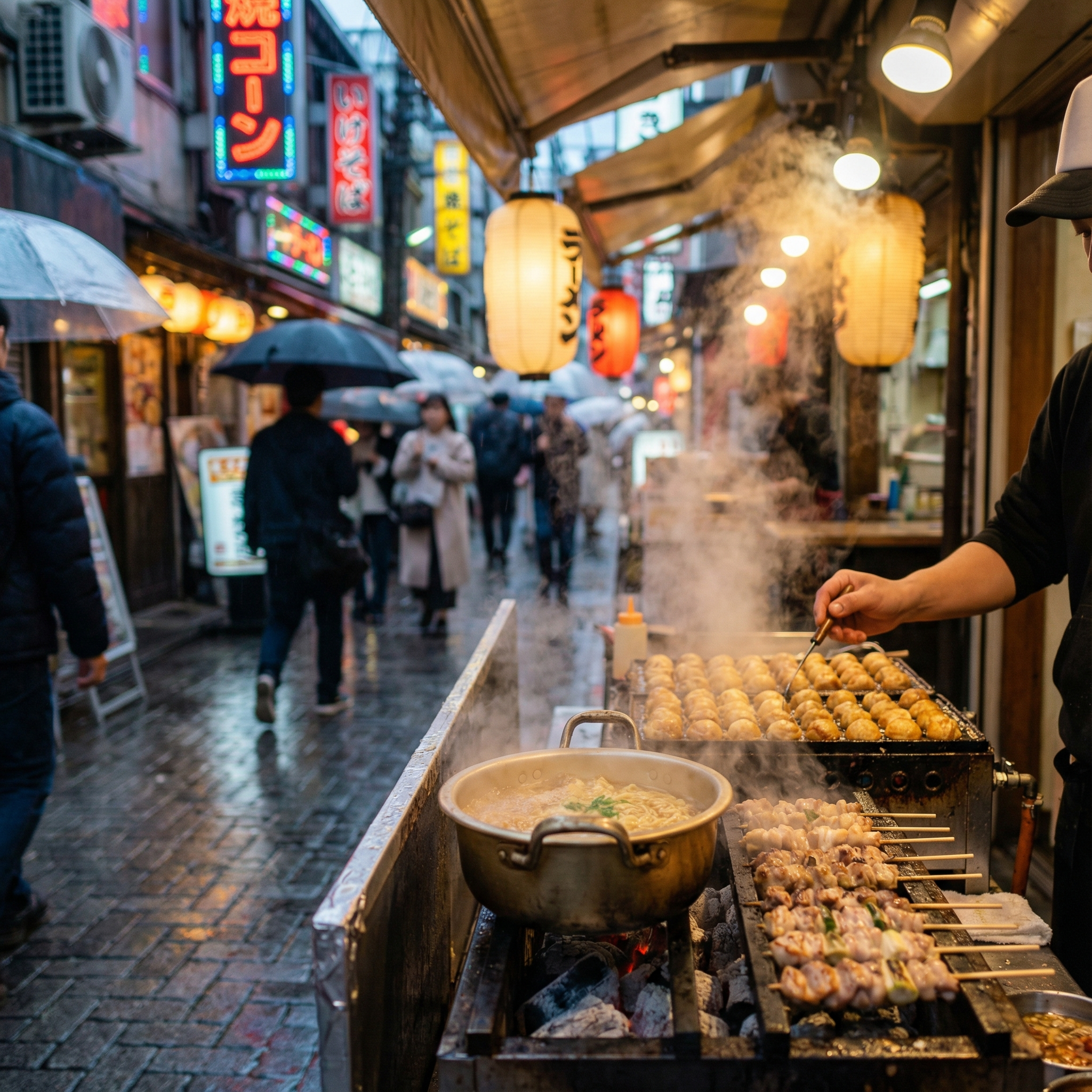
Japan has a talent for making “everyday food” feel intentional. Ramen counters, market stalls, bakeries, snack aisles, convenience stores. Even the grab-and-go stuff can be surprisingly dialed-in. If you’re the kind of person who tries a random snack just to see what another country considers normal, Japan is basically a playground.
Travel approach: start with markets, then do one hosted experience so you leave with context, not just photos.
Mexico
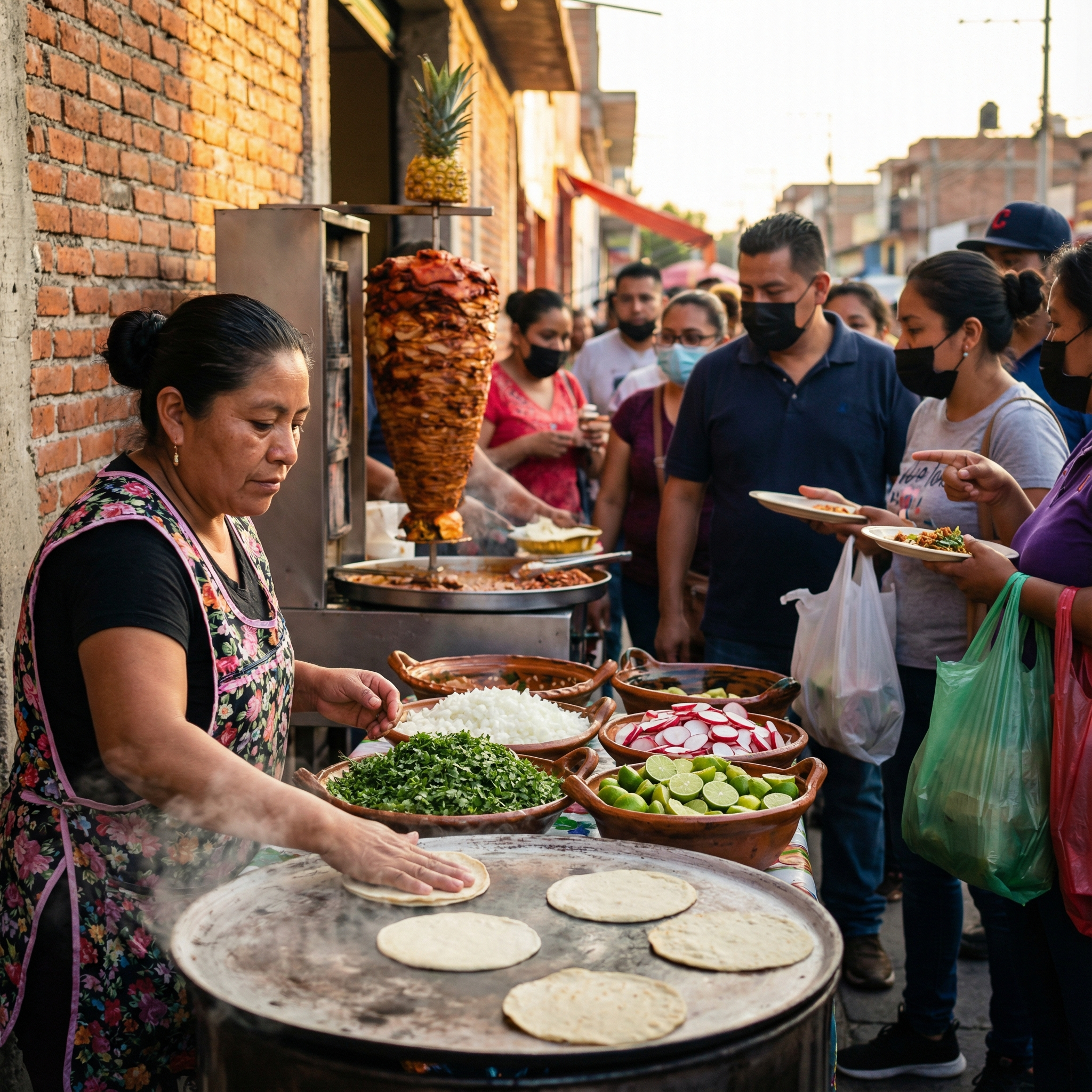
Mexico’s food is regional and personal. The “same” dish changes as you move through the country. Markets tell the truth faster than any brochure, and the best meals are often the ones you didn’t plan. Something you found because it smelled too good to ignore.
Travel approach: one market day, one street-food-focused day, and one hosted meal/cooking experience to understand why flavors are the way they are.
Thailand

Thailand is where bold flavor meets balance and speed. Some of the best meals happen on plastic stools with zero ceremony. Night markets alone can justify the flight. If your goal is “wow factor per dollar,” Thailand is hard to beat.
Travel approach: night markets, a local guide experience, and at least one cooking-style experience so you understand how the flavors are built.
The Home Path: Tasting the World Without Flying
Now for the part most people live in at some point: travel isn’t happening right now. Budget, timing, responsibilities, life, weather, whatever. Curiosity doesn’t shut off just because flights are annoying.
At-home exploration works best when you frame it honestly. You’re not “basically traveling.” You’re sampling. You’re learning flavor profiles. You’re discovering what you like. You’re gathering ideas for future trips.
This is where snack boxes can actually make sense. They remove decision fatigue. They bring variety. They create conversation. And yes, sometimes they deliver something that makes you say, “Who approved this?” That’s part of the fun if you’re the right person for it.
The key is balance: if you discover something you love, take it one step further. Find the origin, the story, the real version. That’s where Earthbound’s travel-first approach still wins.
Try The World: Where It Fits, Who It’s For, and Why It’s Not “Just a Box”
Try The World deserves a proper spotlight here, because this page was sparked by their offer and the experience is legitimately relevant to people who love global food. If you enjoy international snacks, surprise items, and discovering products you wouldn’t normally buy, this kind of box can be a fun way to explore.
The key is understanding what it is and what it isn’t. It’s not a replacement for eating in the country. It is a sampler that can introduce you to flavors and brands you wouldn’t stumble into locally. And if you’re the kind of person who enjoys discovery (including the occasional miss), it’s a pretty solid format.
In our case, the “experience” got even more real because I was in Costa Rica when the box arrived, so it shipped to my parents’ house in Canada. That meant the taste test reactions weren’t staged or polished. They were honest family reactions, which is exactly what this type of product needs.
What the box did well
It delivered variety and conversation. There’s something underrated about opening a box and not knowing what’s in it, especially when everyone has a different reaction. Some items were clear favorites (like the Pepero options), some were “interesting,” and a couple were the kind of thing you try once and respect from a distance.
What to be realistic about
Value depends on the person. If your brain wants predictable snacks you already know you like, you’ll probably call it pricey. If your brain likes discovery and novelty, it’ll feel more justified. Taste is subjective, and some snacks are very region-specific. That’s not a flaw. That’s literally the point.
- Love trying new snacks and flavors
- Enjoy surprise and variety
- Want global food exploration without planning
- Like shared “taste test” experiences
- Only want premium items every time
- Hate the idea of “misses”
- Prefer to choose every item yourself
- Expect it to feel like actual travel
Quick note on the standout drink (MIZU LAB)
The MIZU LAB electrolyte mix was described as “rather delicious,” not too sweet, and it came across more like a tropical citrus/mango vibe in taste. The packet clearly shows lychee and mangosteen. That’s normal with blended flavors, and it’s exactly why real reactions are more useful than marketing copy.
Video: The Costa Rica → Canada Twist (Full Unboxing + Real Reactions)
This is the part that makes the whole thing more believable. I didn’t stage a perfect unboxing. I wasn’t even in the same country as the box. It arrived at my parents’ house in Canada while I was in Costa Rica. So the reactions you see are exactly what you’d hear from real people trying unfamiliar snacks: a few clear winners, a few “meh,” and the odd moment where someone wants to add vodka to something that absolutely does not require it.
If you want the full product showcase, visuals, and reactions, the video is the centerpiece. This article is the framework: why food matters, how to do it properly while traveling, and where Try The World fits when travel isn’t possible.
Practical Helpers for Food Trips (Not Fun, But Useful)
This is the unglamorous part that saves trips. Food travel often means moving around: markets in different neighborhoods, day trips out of the tourist core, and timing-sensitive reservations. When travel goes sideways, these are the kinds of tools that can keep the trip from turning into a dumpster fire.
AirHelp
If a delay or cancellation blows up your itinerary, AirHelp can help with eligibility and claims in many cases. Not exciting, but useful when the airline decides your schedule is optional.
Localrent.com
Getting out of the tourist core is often the difference between “fine food” and “holy hell, this is good.” Localrent can be a practical option for car rentals in certain destinations where you want freedom to move.
Bottom Line
If you can travel, do it properly: markets, local tables, hosted meals, and conversations. That’s where food becomes culture instead of content.
If you can’t travel right now, don’t shut off curiosity. Use at-home options like Try The World as a sampler that keeps you exploring, and use what you discover to shape future trips. The win is not pretending you traveled. The win is staying curious until you can.



Leave a Reply