Last Updated on March 14, 2026 by Jeremy
“Nature travel” sounds simple until you try to book it. Then it turns into a strange mess of mountain routes, safari logistics, eco-lodges, wildlife timing, park access, and a whole lot of destinations that all look incredible but do not deliver the same kind of trip at all.
This guide is built for that problem. Instead of dumping a random pile of beautiful places into one article and calling it eco-adventure, this page helps you compare the kinds of nature trips you can actually book in 2026, based on what kind of experience you want once you get there.
Quick Answer: The best eco-adventure trips are the ones that match your travel style. The Canadian Rockies are strong for alpine scenery and accessible outdoor experiences, Kenya works for wildlife-led travel, Costa Rica fits rainforest and soft-adventure seekers, the Galápagos suit expedition-minded travelers, the Scottish Highlands reward rugged road-trip energy, and Nepal is the better fit for people who want the mountains to challenge them a little.
This is not a generic “nature is beautiful” roundup. It is a planner-first guide to choosing the kind of eco-adventure you will actually enjoy and book properly.
Why Nature Travel Is Harder to Book Than It Looks
Most travelers are not stuck because they lack options. They are stuck because “nature trip” can mean almost anything. A scenic mountain base, a wildlife-heavy safari, a rainforest lodge stay, an island expedition, or a multi-day trek all sit under the same big outdoorsy umbrella, but they are completely different trips once the details start showing up.
That is usually where the booking process goes sideways. People choose the prettiest destination first, then realize later the timing is wrong, the logistics are more intense than expected, or the experience they really wanted was a different category altogether.
Wildlife timing mattersBase location mattersEco-lodges are not all alikeSome trips are soft, some are hardScenery alone is not enough
Why Most “Nature-Lover” Travel Guides Fall Flat
A lot of these articles are just scenic overload with no decision logic. You get ten great-looking destinations, a vague list of activities, and not much help figuring out what kind of traveler each place is actually for. That is not a guide. That is a travel mood board pretending it did cardio.
The better move is to compare eco-adventure types properly. Do you want wildlife, mountains, rainforest, island ecology, scenic road-trip wilderness, or a true trekking challenge? Once that is clear, the destination list gets much easier and the booking path stops feeling like a random shot in the dark.
What Actually Makes an Eco-Adventure Worth Booking
- The destination should solve a real travel goal. Wildlife trip, mountain trip, rainforest trip, island expedition, or hiking challenge. Start there.
- The experience should fit your energy. Some eco-adventures are scenic and flexible. Others need effort, timing, and a little more resilience.
- The base matters as much as the scenery. The right lodge, town, or park gateway can make the trip feel effortless instead of awkward.
- The destination should still be good outside the headline photo. The best eco-adventure trips have enough depth to reward the whole stay, not just the one famous viewpoint or animal encounter.
The Best Eco-Adventures You Can Actually Book
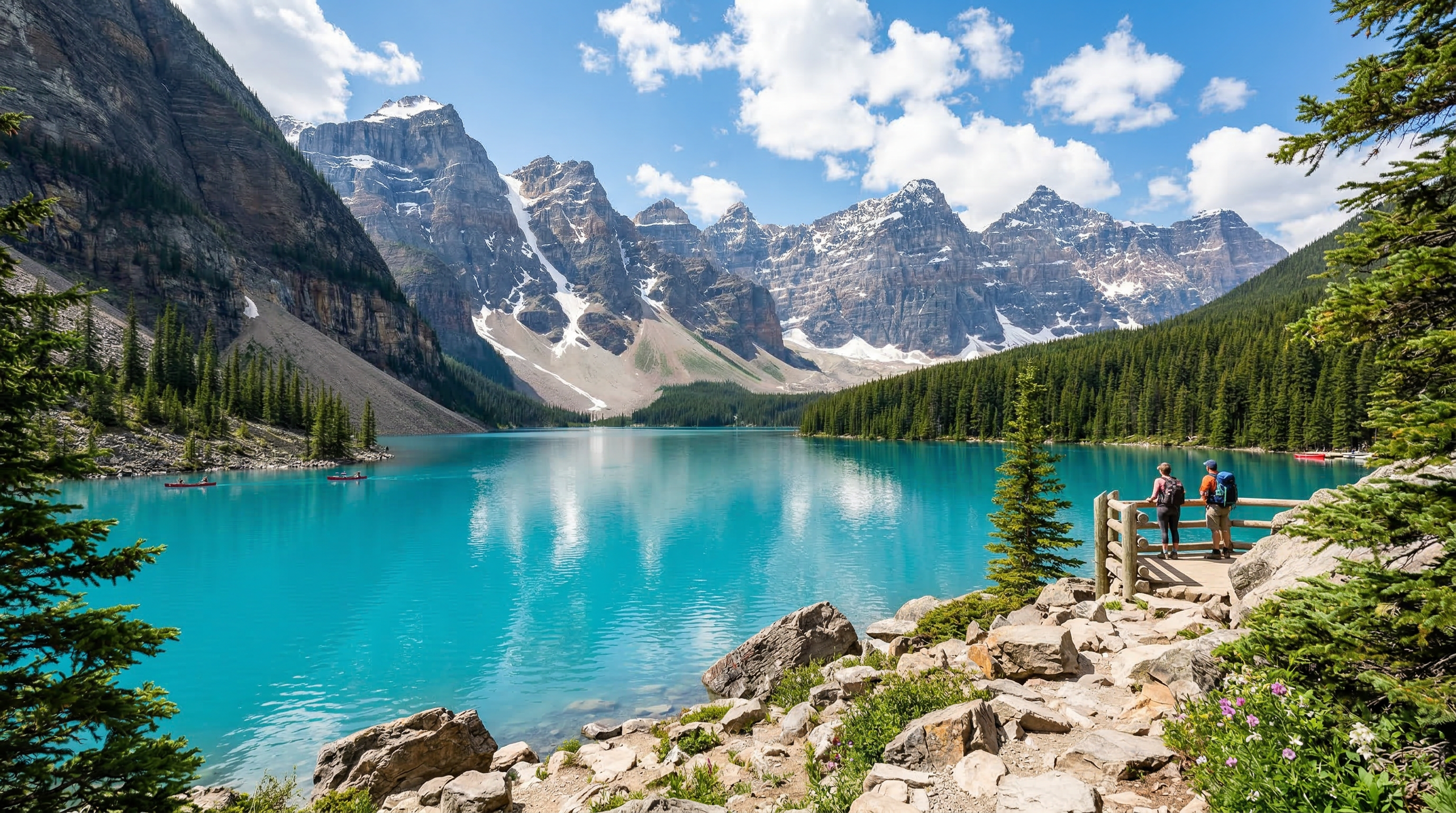
Why it works: The Rockies are one of the cleanest answers to the question, “What nature trip actually delivers?” Lakes, mountain towns, trails, gondolas, scenic drives, canoe routes, and wildlife all stack together in a way that makes the region easy to shape around different travel styles.
Best for: Travelers who want dramatic mountain scenery without the entire trip needing to feel extreme. This is one of the best all-around eco-adventure regions for people who want a lot of payoff with relatively clean planning logic.
Planning angle: This works best when you treat the stay and the route as part of the experience. Banff, Jasper, Lake Louise, and nearby regions create different versions of the trip, so your base matters more than people think.
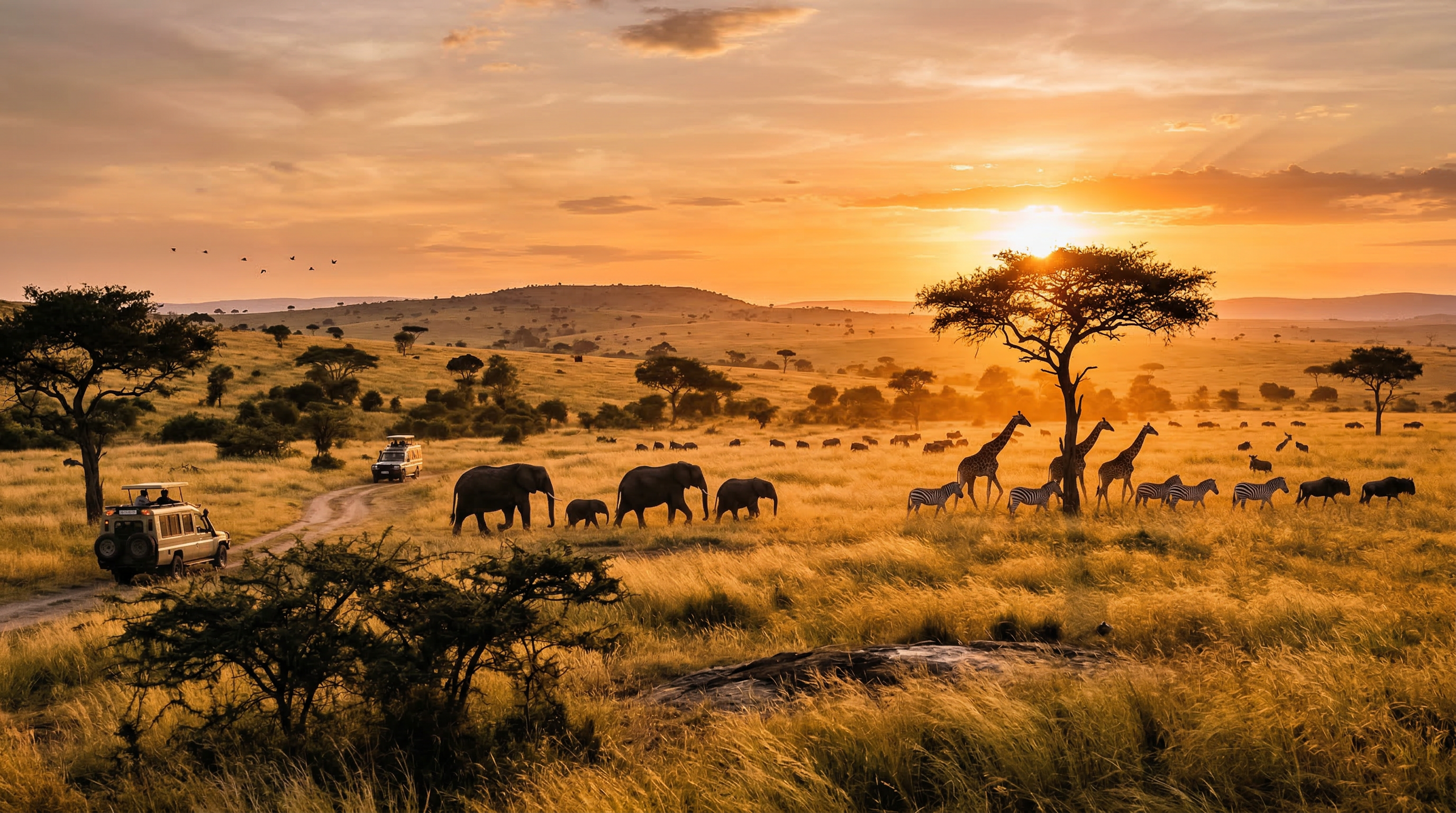
Why it works: Kenya is the eco-adventure choice for travelers who want the trip to revolve around wildlife and wide-open landscapes. The experience feels immersive in a very different way from mountains or rainforests because the whole point is being inside a living ecosystem where the animals are the main event.
Best for: Travelers who want nature travel with a stronger sense of drama, timing, and guided structure. This is the “I want to remember specific moments for the rest of my life” category.
Planning angle: The cleaner move is to think in terms of safari style and timing window first, then compare camps, lodges, and supporting experiences after. Wildlife-led trips work best when they are built around the real rhythm of the region.
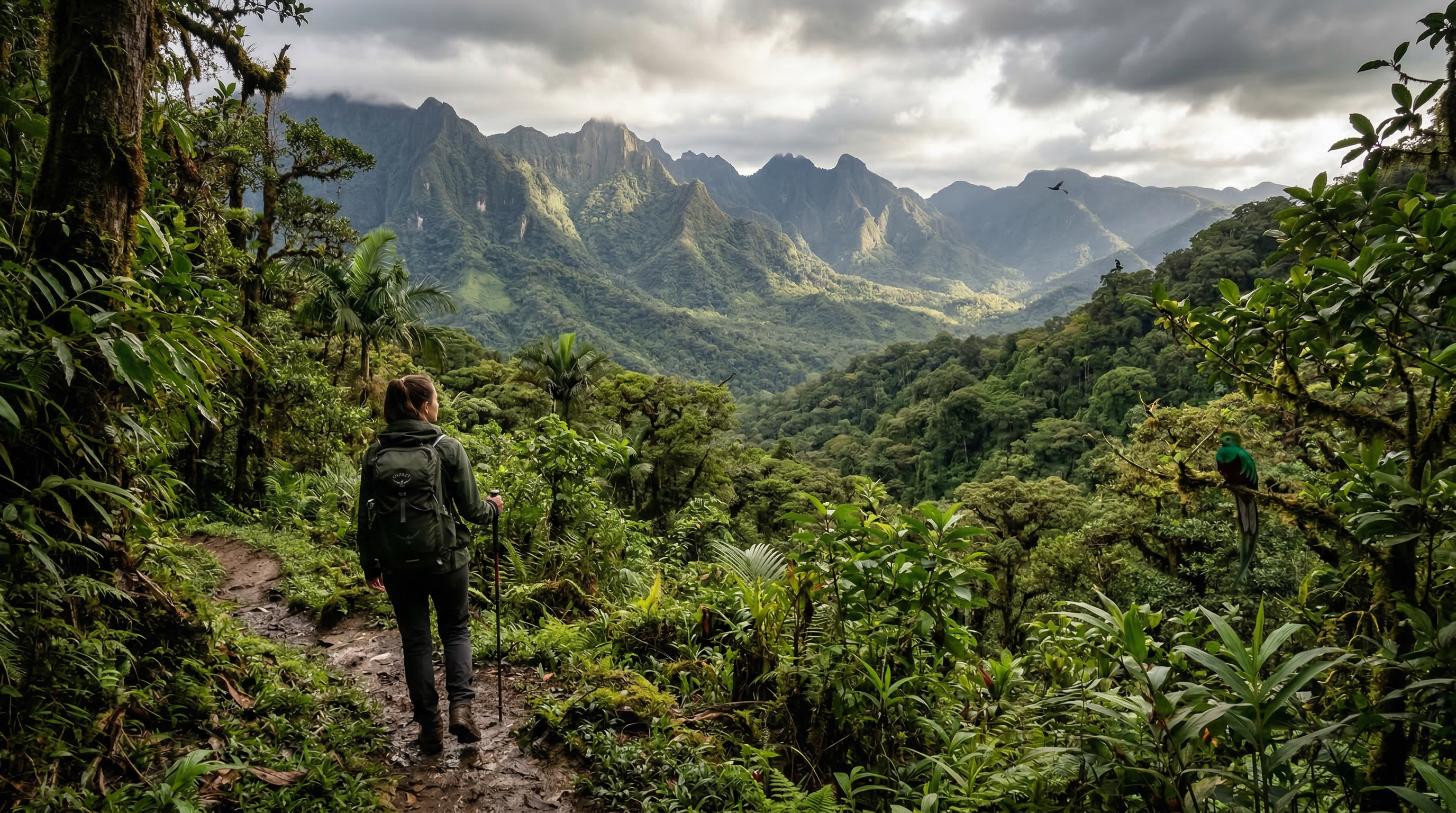
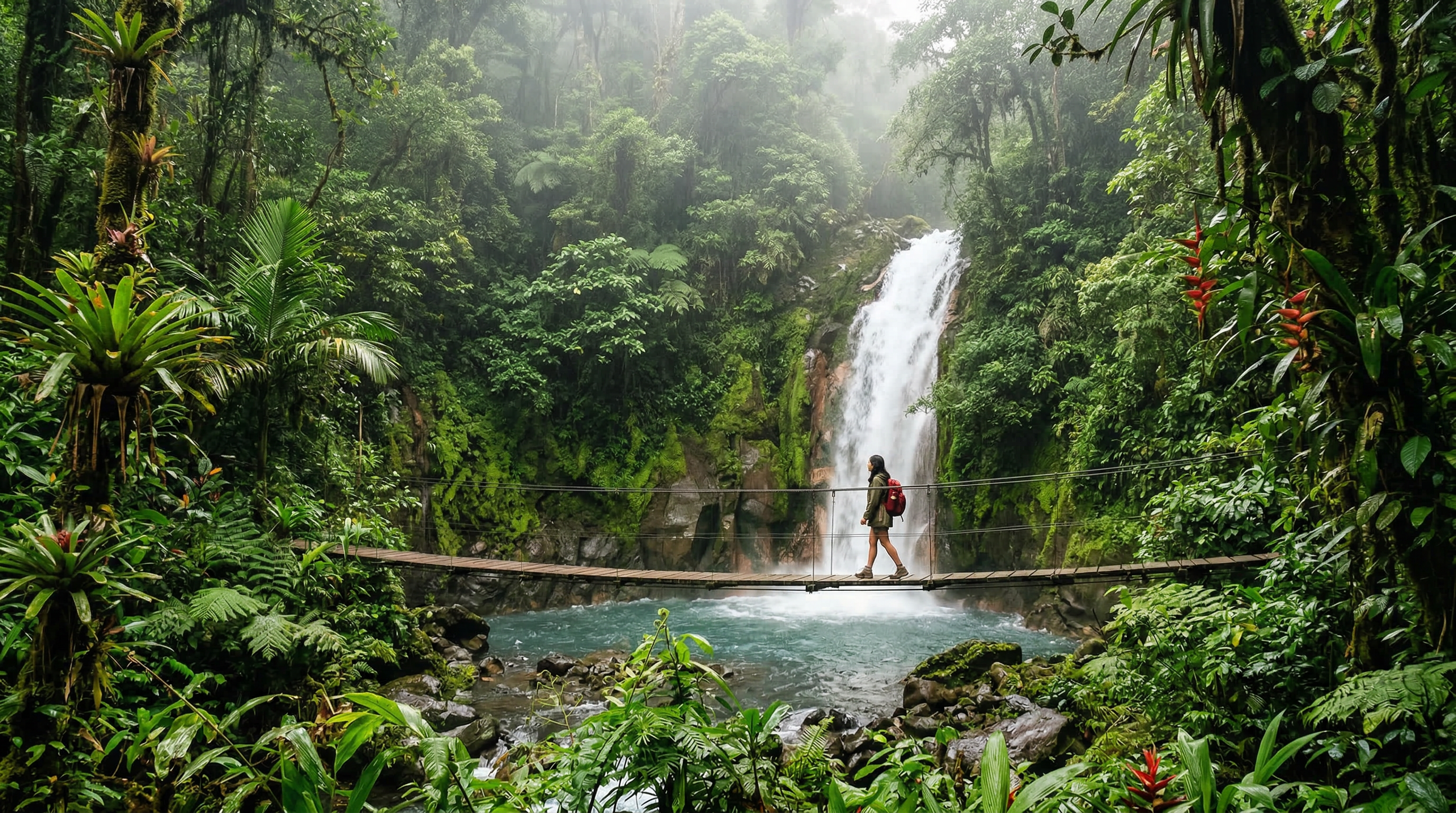
Why it works: Costa Rica is one of the best examples of eco-adventure that does not require you to choose between comfort and real nature. Rainforests, waterfalls, wildlife, hanging bridges, volcanic areas, and eco-lodges all work together in a way that makes the country feel easy to enter but still rewarding to explore.
Best for: Travelers who want biodiversity, guided nature experiences, and a stronger chance of coming home with actual stories instead of just “nice views.” It is also one of the easier eco-adventure picks for mixed-energy groups.
Planning angle: Costa Rica gets better when you choose the region by experience type. Arenal, Monteverde, Manuel Antonio, and other areas each create a different version of the trip, so pick the ecosystem before you pick the hotel.
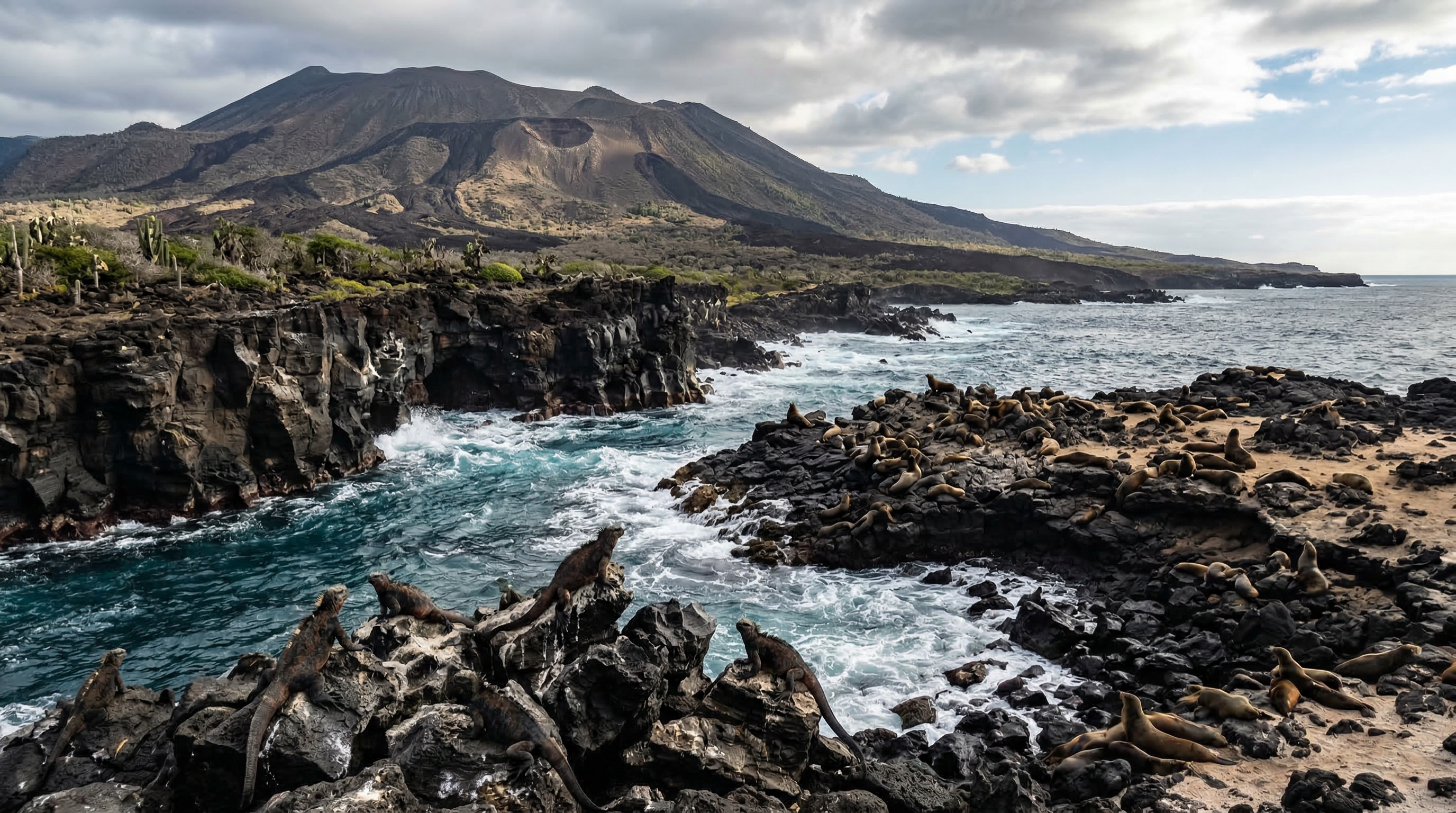
Why it works: The Galápagos feel different because the experience is not just about scenery. It is about observing a place where wildlife, geology, and isolation all shape the trip. That gives it a stronger expedition feel than many nature destinations, even when the daily pace is not especially hard.
Best for: Travelers who want nature travel to feel immersive, unusual, and a little more purposeful than a standard resort-or-tour rhythm.
Planning angle: This is one of the best examples of a destination where the trip structure matters. Island-hopping, guided access, lodging style, and route planning all shape how strong the experience feels overall.
Why it works: The Highlands are less about one headline experience and more about the mood of the whole route. Mountains, lochs, moorland, coastline, winding roads, and old structures all work together to create an eco-adventure that feels slower, wilder, and more reflective than a lot of louder destinations.
Best for: Travelers who want scenic immersion without having to constantly chase one tightly scheduled activity after another. This is a strong fit for people who like drives, walks, weather, and atmosphere doing a lot of the work.
Planning angle: The Highlands are best built as a route, not just a single base. That does not mean the trip has to be complicated, but it does mean the road logic matters a lot more than generic hotel-booking habits.
Why it works: Nepal is the category for travelers who want the mountains to be part of the effort, not just the backdrop. Lodges, trails, elevation, village rhythm, and long-view scenery all create a much more physical eco-adventure than the other picks on this page.
Best for: Travelers who want the destination to push back a little. Not in a miserable way, but in the “this is a real journey, not just a scenic add-on” kind of way.
Planning angle: Nepal rewards a cleaner approach than people sometimes bring to it. Choose the trek style and difficulty first, then build the rest of the trip around that reality rather than around the most dramatic photo you saw online.
How to Choose the Right Eco-Adventure for Your Travel Style
Not every nature trip scratches the same itch. Some are built around scenery, some around wildlife, some around movement, and some around the feeling of being somewhere that still operates on nature’s terms rather than your own schedule.
Choose the Canadian Rockies or Scottish Highlands if you want scenic immersion
These are strong for travelers who want the landscape itself to carry the trip, with enough flexibility to shape the days around energy, weather, and whatever feels right.
Choose Kenya or the Galápagos if you want wildlife to lead the experience
These work best for travelers who want guided structure and memorable ecological moments that feel bigger than just sightseeing.
Choose Costa Rica if you want the easiest balance of comfort and eco-adventure
This is one of the most forgiving ways into nature-heavy travel without sacrificing biodiversity or experience quality.
Choose Nepal if you want the trip to challenge you a little
This is the better fit when the adventure is supposed to feel earned and the route itself is part of the point.
Execution Plan: How to Book a Real Eco-Adventure Without Making It Weirdly Hard
- Start with the experience type first. Mountains, wildlife, rainforest, islands, road-trip wilderness, or trekking challenge. That narrows everything down fast.
- Book the right base before overbuilding the activity list. Good eco-adventure trips usually get easier when the stay is aligned with what you actually want to do.
- Use tours where they improve access or context. Not every nature trip needs a guide, but many do benefit from one if wildlife, route timing, or protected access are involved.
- Add transport only when the geography demands it. Scenic drives, safari corridors, island transfers, and trek logistics are where transport stops being optional and starts becoming part of the trip architecture.
- Leave some breathing room. Nature travel works better when every day is not crammed like you are speed-running the outdoors for points.
If you are planning for peak season, do not wait on this step. The most useful bases, guided experiences, and eco-style stays often tighten up long before the destination looks overloaded from the outside.
Where to Start Booking Without Overcomplicating It
The cleanest sequence is simple. Decide what kind of eco-adventure you actually want. Match it to the destination that does that best. Book the right base. Then layer in experiences, route logic, and transport only where they genuinely improve the trip.
That order matters because nature travel gets messy when people book backward. They choose a destination because it looks dramatic, then spend the rest of the planning process trying to force the wrong kind of experience out of it. That is a quick way to turn “dream trip” into “well, the views were nice at least.”
Want to Turn a Nature Trip Idea Into an Actual Eco-Adventure?
Use our Booking Tools to compare stays and experiences, or start with Curated Travel if you want the destination, style, and logistics lined up properly from the beginning.
Frequently Asked Questions
What counts as an eco-adventure trip?
An eco-adventure trip usually combines meaningful nature experiences with a destination where the landscape, wildlife, or environment is central to the trip rather than just the backdrop.
What is the best eco-adventure destination for first-timers?
Costa Rica and the Canadian Rockies are two of the strongest first-time options because they balance strong scenery, accessible activities, and relatively clean planning without making the trip feel watered down.
Which eco-adventure is best for wildlife lovers?
Kenya and the Galápagos are both strong choices for wildlife-led travel, with Kenya leaning more safari and migration energy, and the Galápagos leaning more island ecology and unusual species encounters.
Which destination is best for hiking and trekking?
Nepal is the better fit if you want trekking to be the main challenge, while the Canadian Rockies work better for scenic hiking with more flexibility around comfort and route intensity.
Do eco-adventure trips always require guided tours?
No, but many benefit from guided structure when wildlife, protected access, remote routes, or more complex logistics are part of the trip.
How early should I book an eco-adventure trip?
Earlier than most people think, especially if the trip depends on fixed dates, seasonal wildlife timing, popular mountain bases, or higher-demand eco-style stays.

Leave a Reply