
Last Updated on February 27, 2026 by Jeremy
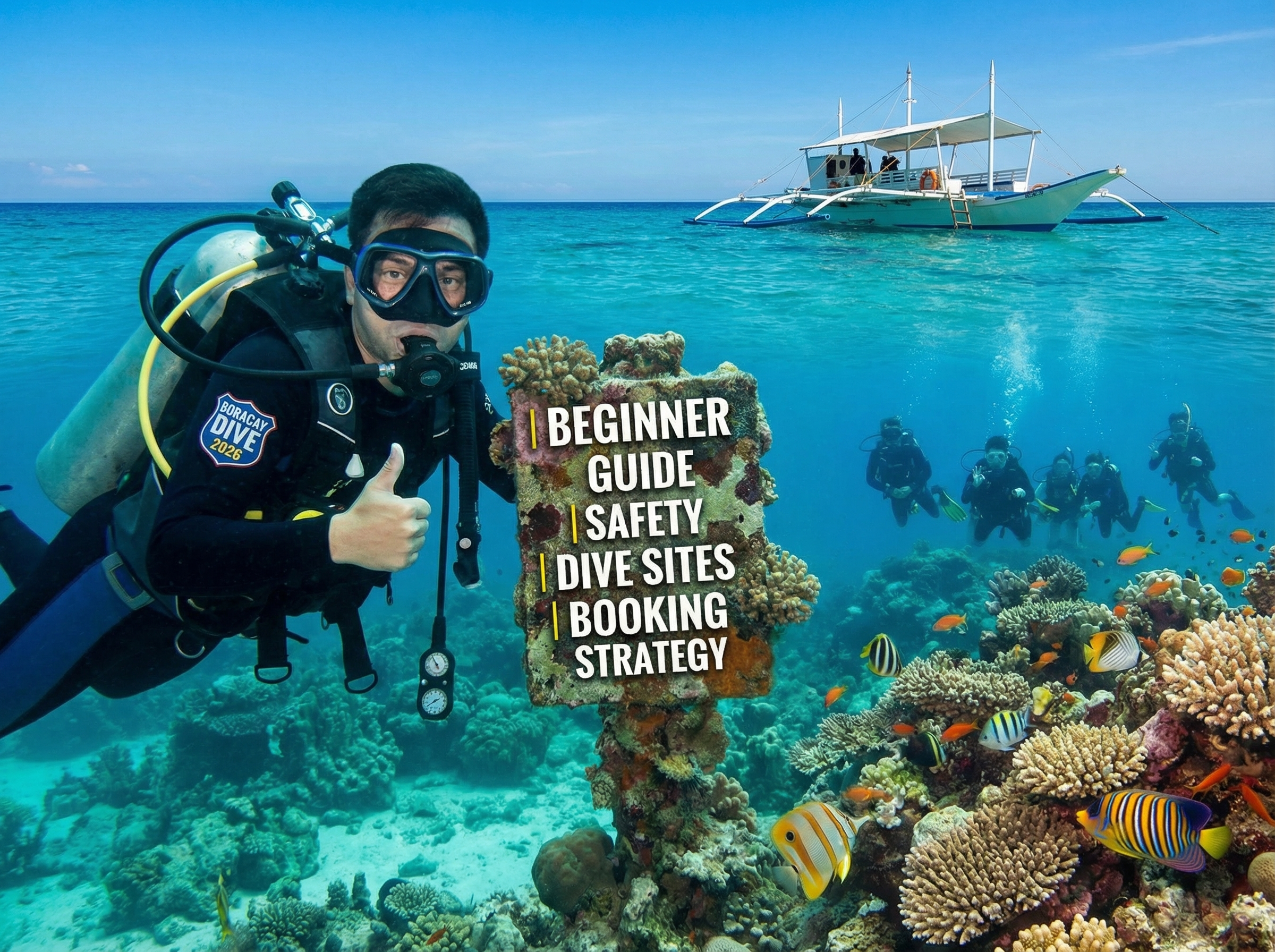
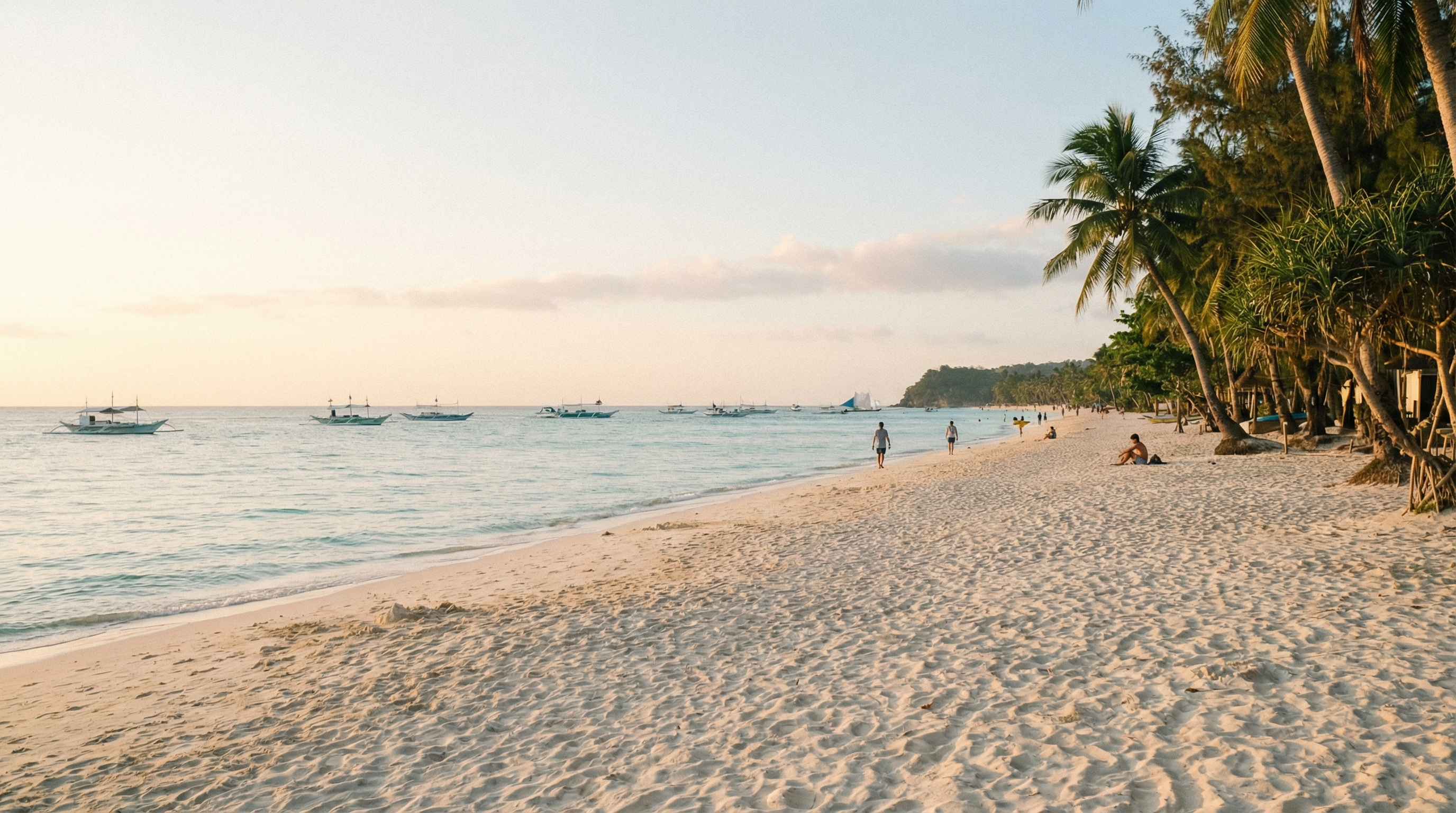
Scuba diving in Boracay has a way of surprising people. You arrive for White Beach, you look at the water, and suddenly the best part of the trip isn’t on the sand — it’s a few meters below it.
The catch is that most first-timers plan it backwards. They book the cheapest option, squeeze it into a bad day, or forget the “no-fly” buffer before heading home. This guide is built to keep your 2026 trip clean: better timing, smarter site choices, and booking blocks that actually help.
Quick Answer: Boracay is a strong beginner-friendly dive destination in 2026 because access is easy, boat rides are short, and calm-season conditions are often excellent. If you’re new, prioritize a Discover Scuba / Intro Dive with a small group. If you’re certified, look for 2–3 dive packages that include Crocodile Island and (if conditions fit) Yapak.
Best planning window: typically February–May for calmer seas and clearer visibility. Build a 18–24 hour no-fly buffer after your last dive.
This guide includes booking links to trusted travel partners for tours, stays, and transportation. If you book through these tools, Earthbound may earn a commission at no extra cost to you. Reservations are completed directly with the provider.
The Traveler Problem
People search scuba diving for beginners Boracay, scuba diving lessons Boracay, or scuba diving tours in Boracay and get a wall of options with very little clarity.
What travelers actually need is simple: when it’s best, where to base, which sites fit your skill level, and how to avoid a wasted dive day.
Beginner comfortSeason timingNo-fly bufferBase locationGroup sizeInclusions
Why Most Boracay Dive Guides Don’t Help
Most articles either talk to certified divers only, or they oversimplify everything into “just book a tour.” Neither approach works if you want a smooth trip.
Boracay is seasonal. Visibility and surface conditions change through the year. If you plan diving like an afterthought, you can end up doing it on the worst day of your stay.
What Works in 2026: Timing + Strategy
1) Choose your dive type first
Beginners: Discover Scuba / Intro Dive. Certified divers: 2–3 dive packages. This one decision determines the rest.
2) Plan around the calm window
February–May is typically the cleanest stretch for calmer seas. If you’re traveling in peak season, check availability early so your schedule stays flexible.
3) Base where mornings feel easy
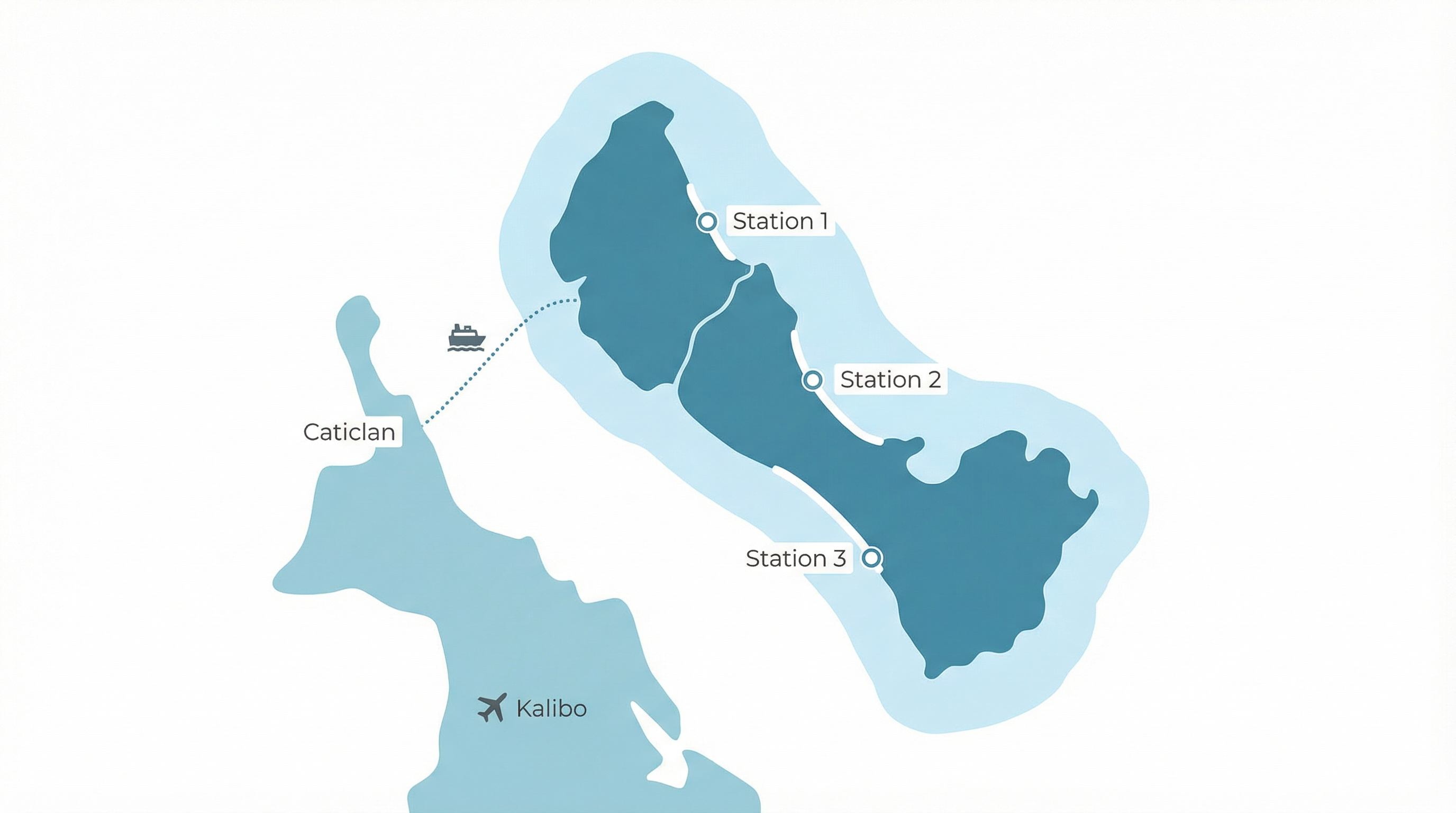
Station 1 or Station 2 keeps pickups and meet-ups simple. Diving goes better when you’re not rushing.
4) Book in the right order
Lock your stay (base), then your dive day, then transport. It’s the easiest way to avoid trip friction.
If your trip is between late winter and late spring, this is the point where it’s worth checking what’s actually available.
Top Dive Sites Around Boracay
Boracay’s advantage is how quickly you can get to real dive water. That matters if you’re balancing beach time, tours, and a normal vacation pace.
Crocodile Island
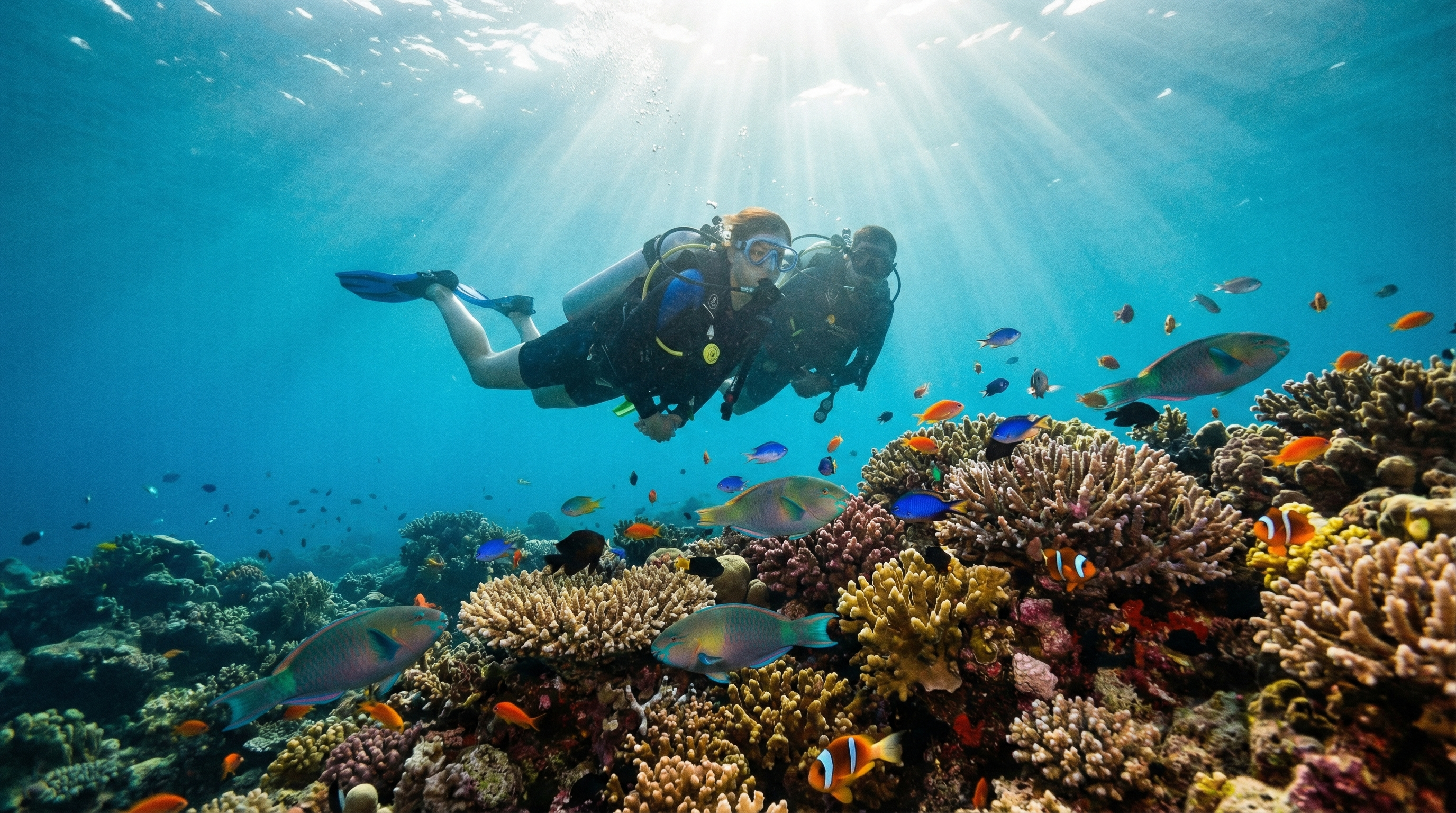
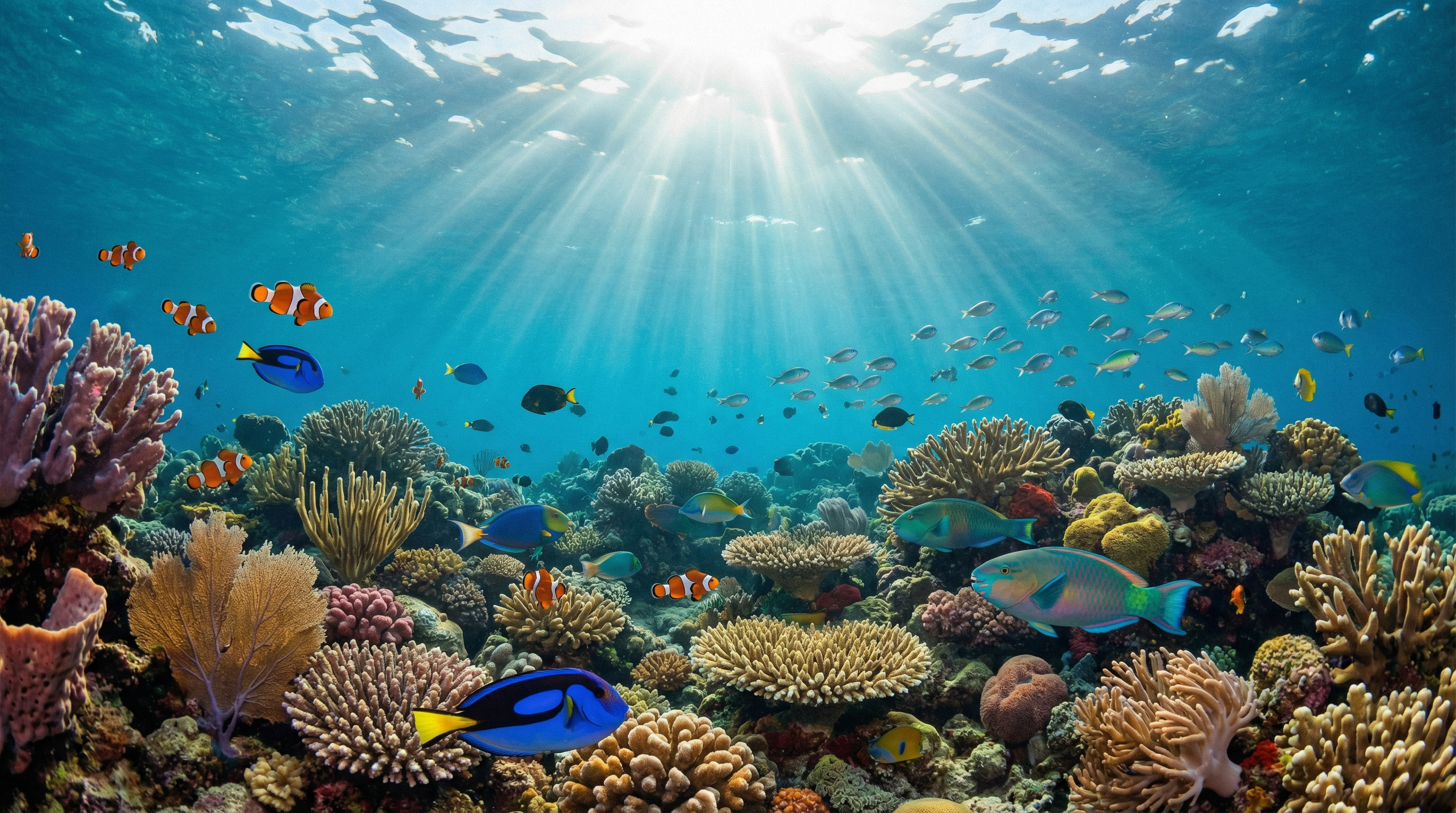
Why it works: Reef structure, marine life, and approachable depths. It’s often the best first “wow” dive.
- Best for: beginners, refreshers, relaxed underwater photos.
- Tip: If you’re nervous, choose a smaller group and tell the instructor up front.
Yapak (Shark Wall)
Why it works: Deeper profiles and stronger currents. It can be incredible — but it’s not a “prove it” dive for day one.
- Best for: confident certified divers.
- Tip: Ask about conditions the morning of. This site is more dependent on currents than most.
Wreck + nearby reef systems
Why it works: Structure attracts life. It’s a good variety option if you’re doing multiple dives.
- Best for: certified divers who want something other than pure reef.
Safety and Comfort: The Things That Actually Protect Your Trip
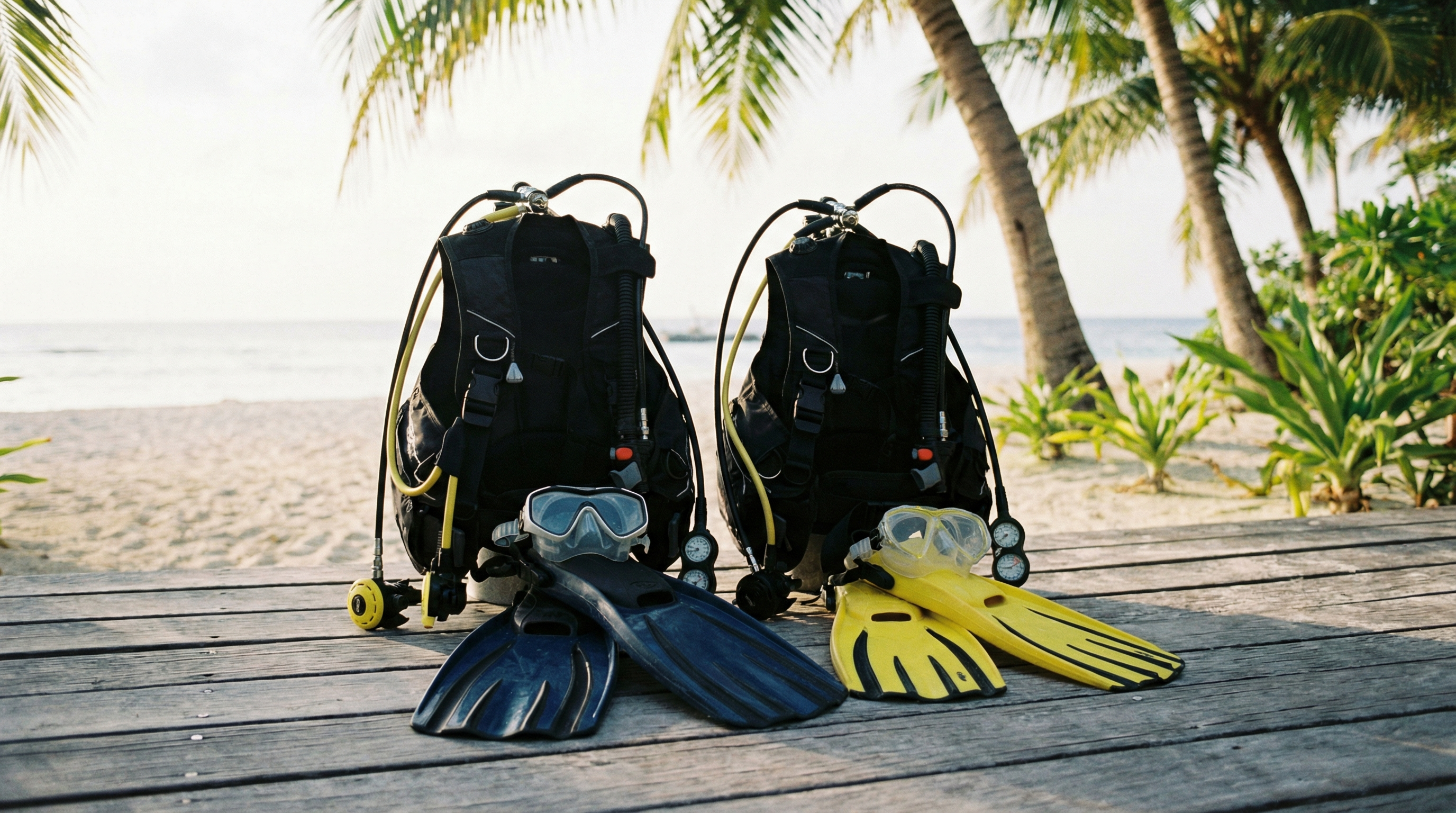
- Don’t dive on arrival day. Sleep first. Diving feels different when you’re tired.
- Keep your last day dive-free before flying. Aim for a 18–24 hour buffer minimum.
- Confirm what’s included. Some packages exclude photos, gear, or fees.
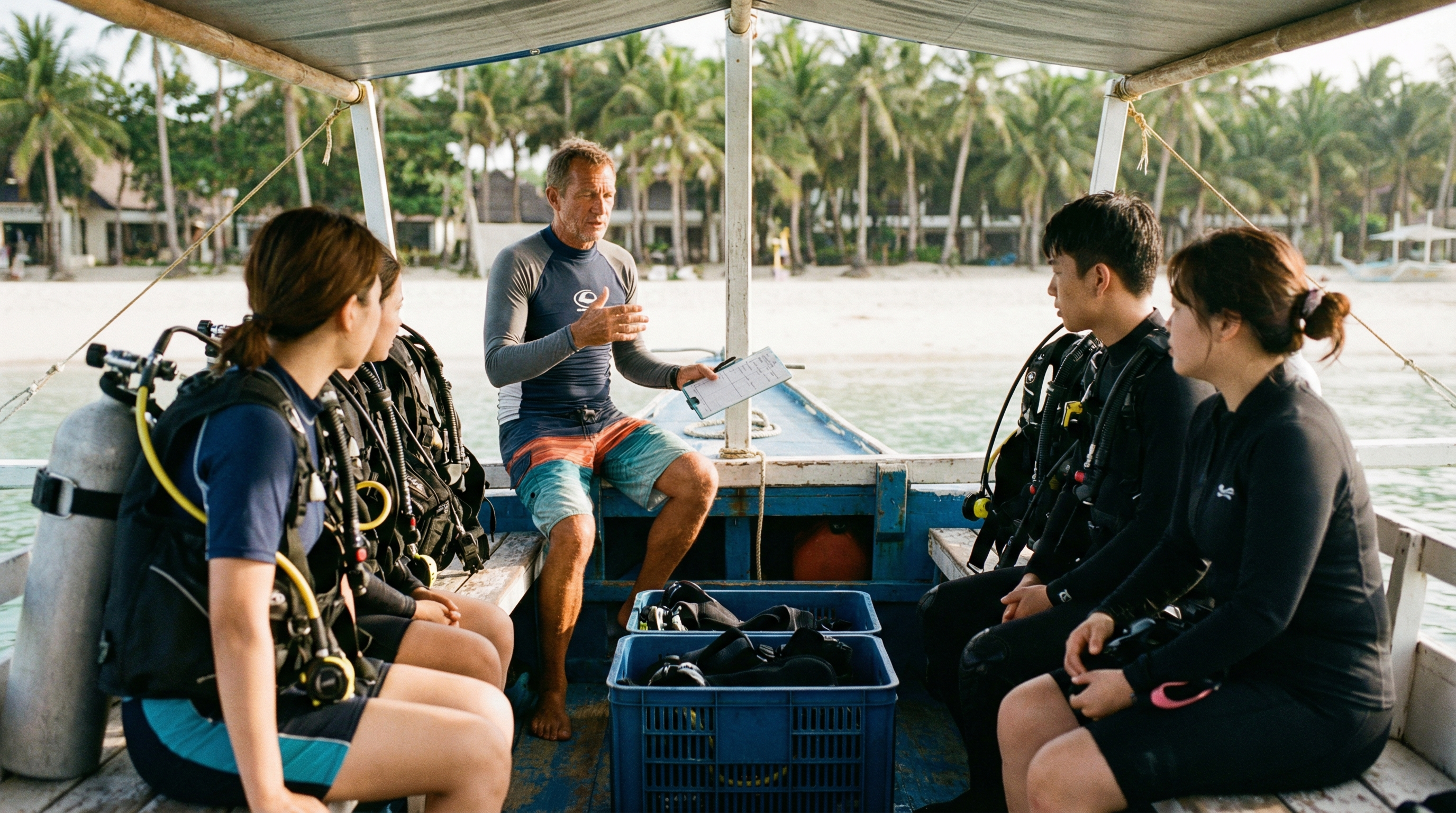
- Be honest about your comfort level. Good operators adjust pace and depth.
If you’re brand new, look for wording like Discover Scuba or Beginner / Intro Dive. If you see “advanced” or “deep wall,” that’s a different lane.
Where to Stay (So Dive Days Feel Easy)
Diving is better when your base supports early mornings and easy meet-ups. If you stay too far from launch points, your mornings turn into a scramble.
Station 1: quieter, calmer pacing. Station 2: most central for food, shops, and logistics. Either can work — the goal is reducing friction.
If you’re traveling in peak season, it helps to compare stays early so your base supports the best dive times.
Getting to Boracay: Caticlan vs Kalibo
Most travelers arrive via Caticlan (closest) or Kalibo (often cheaper but longer). This matters because your travel day affects your first dive day more than people expect.
- Caticlan: shortest transfer, easiest if you’re time tight.
- Kalibo: can be cheaper, but adds ground transfer time before the ferry.
Execution Checklist (Quick, Real, and Useful)
Before you book: choose beginner vs certified, confirm inclusions, pick a base (Station 1/2).
Before you dive: arrive early, do the briefing properly, ask questions without rushing.
Before you fly: keep the 18–24 hour no-fly buffer after your last dive.
Want This Trip Planned Cleanly Around Your Dates?
If you want help mapping stays + experiences + logistics into a simple plan, start here. If you prefer to build it yourself, compare options first.
Start with Curated TravelFrequently Asked Questions
Is Boracay good for beginner scuba divers?
Yes. Boracay is widely considered beginner-friendly, especially during calmer season windows. The best experience comes from booking an intro dive with a small group and a clear briefing.
When is the best time to scuba dive in Boracay?
Typically February through May offers calmer seas and clearer visibility. Other months can still work, but conditions can be more variable and site selection matters more.
Do I need certification to dive in Boracay?
No. Discover Scuba / Intro Dive experiences are designed for beginners. Certification is required for more advanced sites and independent dives.
How long should I wait to fly after scuba diving?
Aim for an 18–24 hour buffer after your final dive before flying. If you’re doing multiple dives or deeper profiles, build extra breathing room into your schedule.
What should I look for when booking a Boracay scuba tour?
Focus on group size, instructor ratio, what’s included (gear, photos, fees), and whether the operator clearly supports beginners if it’s your first time.

Leave a Reply