
Last Updated on August 26, 2026 by Jeremy
Introduction
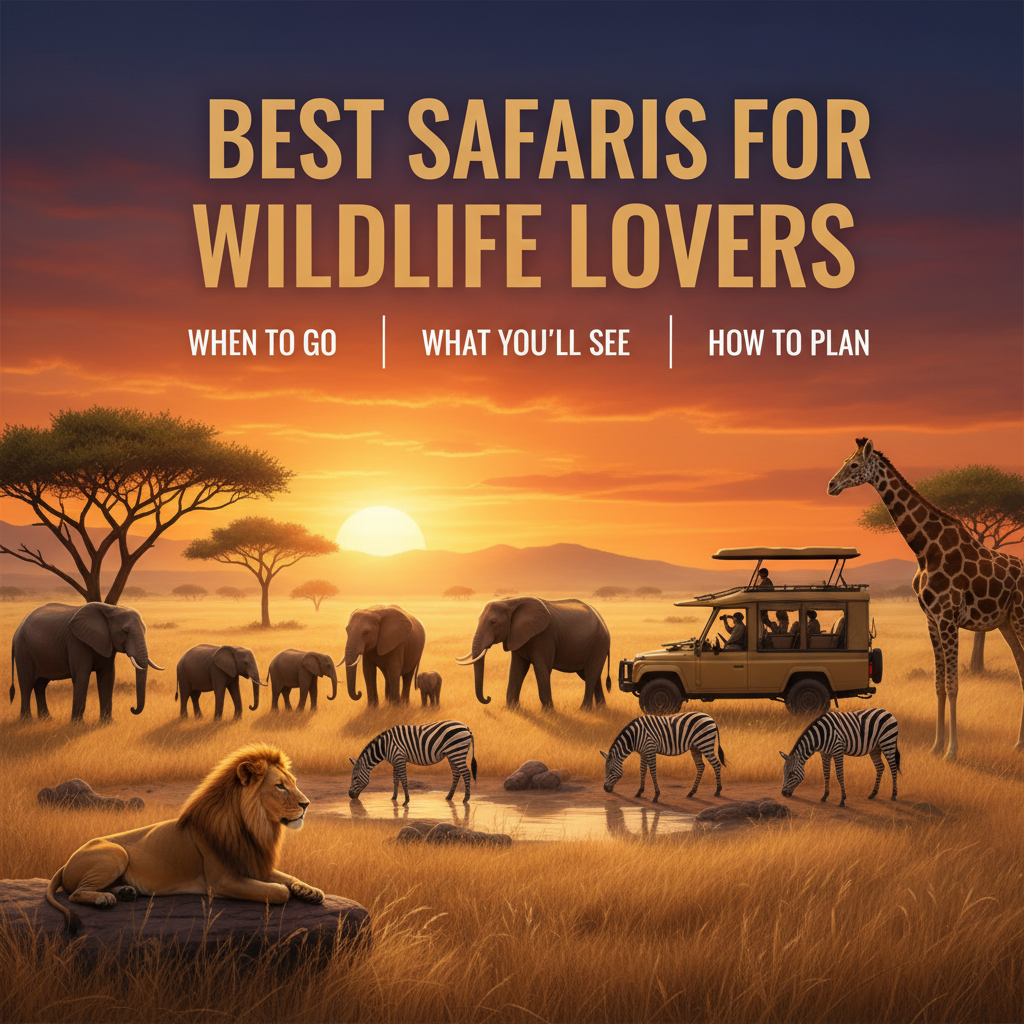
A safari is one of the most immersive ways to experience wildlife. Whether you’re drawn to lion-filled savannas, rainforest wetlands, or rugged North American valleys, some places offer conditions where wildlife sightings are more natural, frequent, and ethical. The goal isn’t chasing animals — it’s entering their ecosystem with respect and awareness.
Below are five destinations known for reliable sightings, responsible operators, and unforgettable landscapes, followed by a simple plan-your-safari checklist.
Top Safari Destinations for Wildlife Lovers
1) Serengeti National Park, Tanzania
Best for: migration, big-cat sightings, classic bucket-list safaris
Why it’s special:
The Serengeti is globally known for the Great Migration, a wildlife event involving millions of wildebeest, zebras, and gazelles crossing predator-filled grasslands.
Best season:
July–October for the migration; December–March for calving season.
Likely wildlife:
Lions, cheetahs, hyenas, elephants, African buffalo, and migrating herds.
Trip notes:
Guided tours are strongly recommended, especially if timing your visit with the migration.
Suggested booking options:
• Viator (guided safari packages)
• Expedia (lodges + flights)

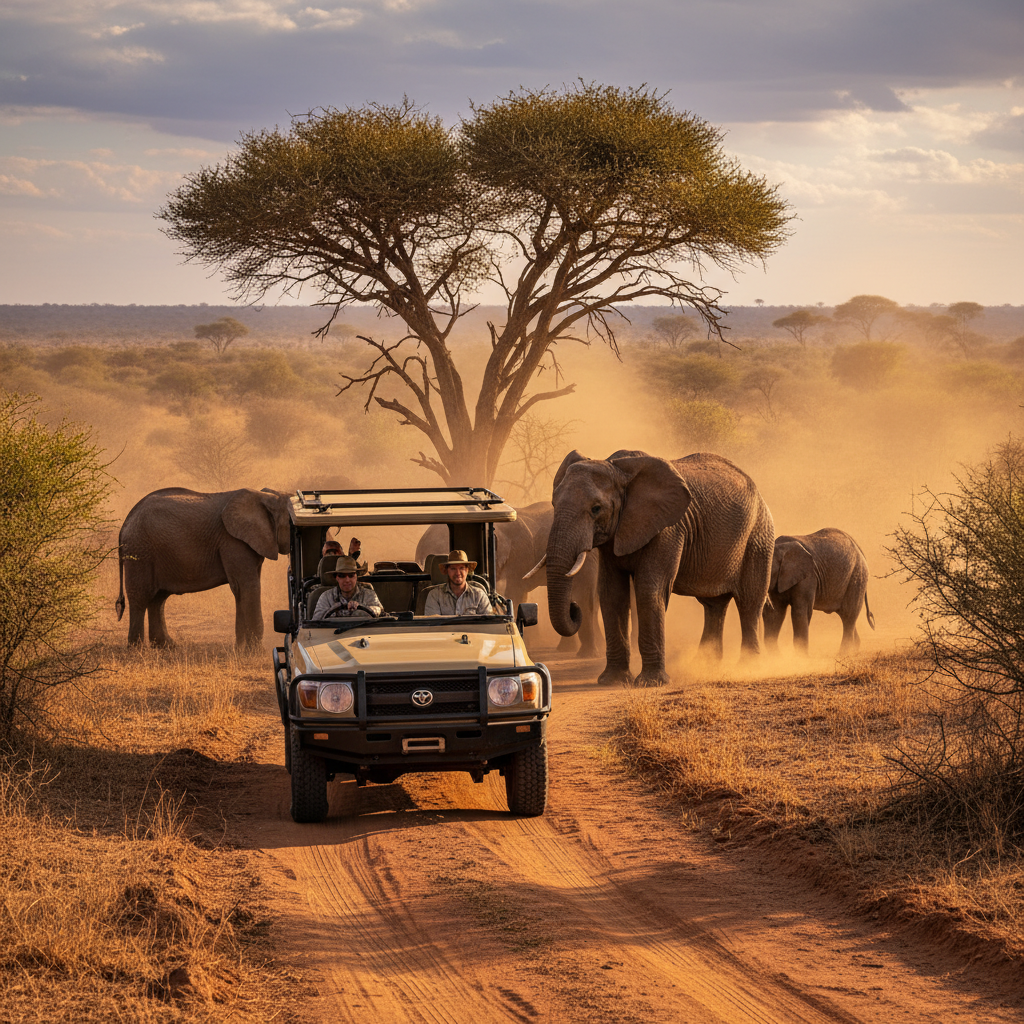
2) Kruger National Park, South Africa
Best for: a mix of guided + self-drive options
Why it’s special:
Kruger offers one of Africa’s most accessible safari experiences with excellent roads, day & night drives, and a choice of stays ranging from basic to luxury.
Best season:
May–September (dry season increases visibility).
Likely wildlife:
Big Five sightings: lions, leopards, elephants, rhinos, buffalo.
Trip notes:
Self-drive is possible, but first-timers often benefit from guided routes.
Suggested booking options:
• Tripadvisor/Booking.com stays (lodges & camps)
• Klook guided day tours
3) Pantanal Wetlands, Brazil
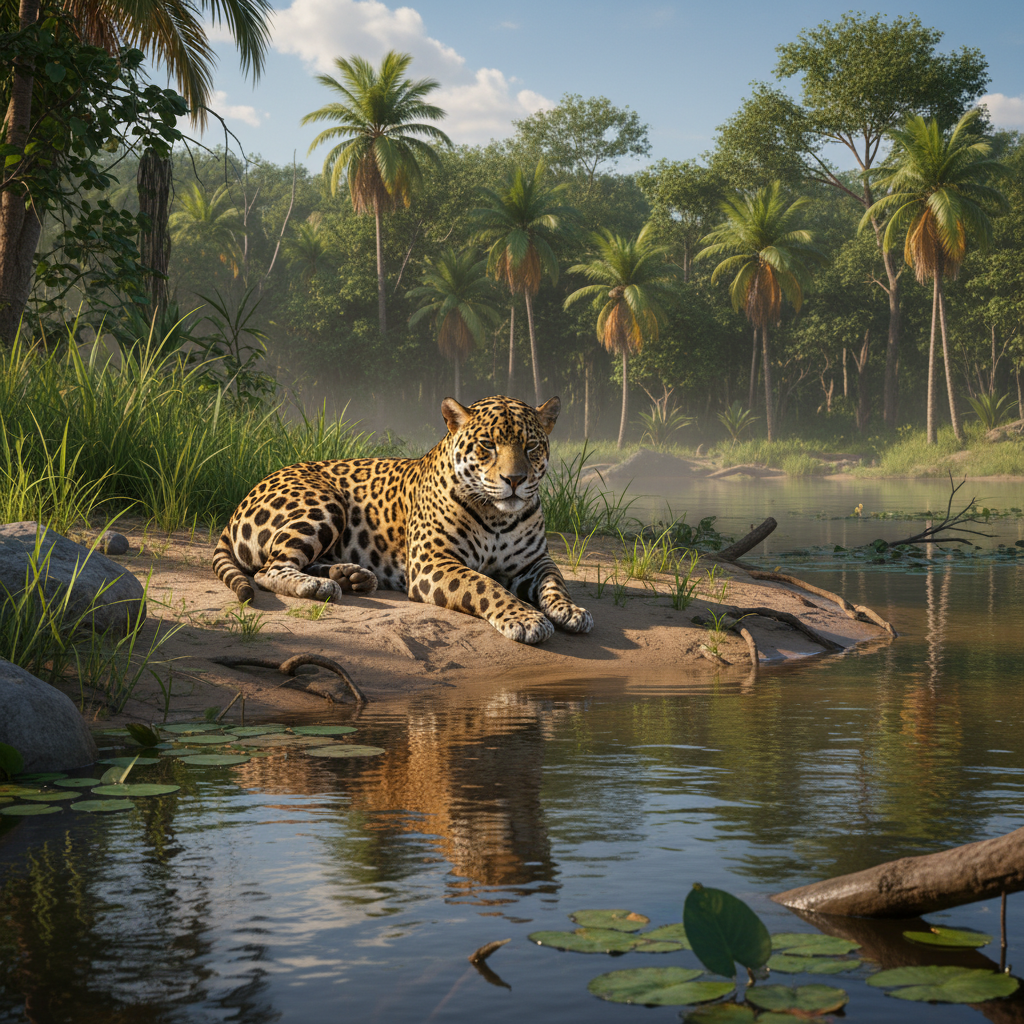
Best for: jaguar sightings and photography
Why it’s special:
Unlike dense rainforest where wildlife hides easily, the Pantanal’s open wetlands allow clear viewing opportunities, especially from waterways.
Best season:
July–October.
Likely wildlife:
Jaguars, capybaras, giant otters, caimans, macaws, anacondas.
Trip notes:
Choose a photography-minded or wildlife-focused operator — itineraries vary.
Suggested booking options:
• GetYourGuide Pantanal expeditions
• Trip.com for flights
4) Yellowstone National Park, USA
Best for: North American wildlife without long-haul travel
Why it’s special:
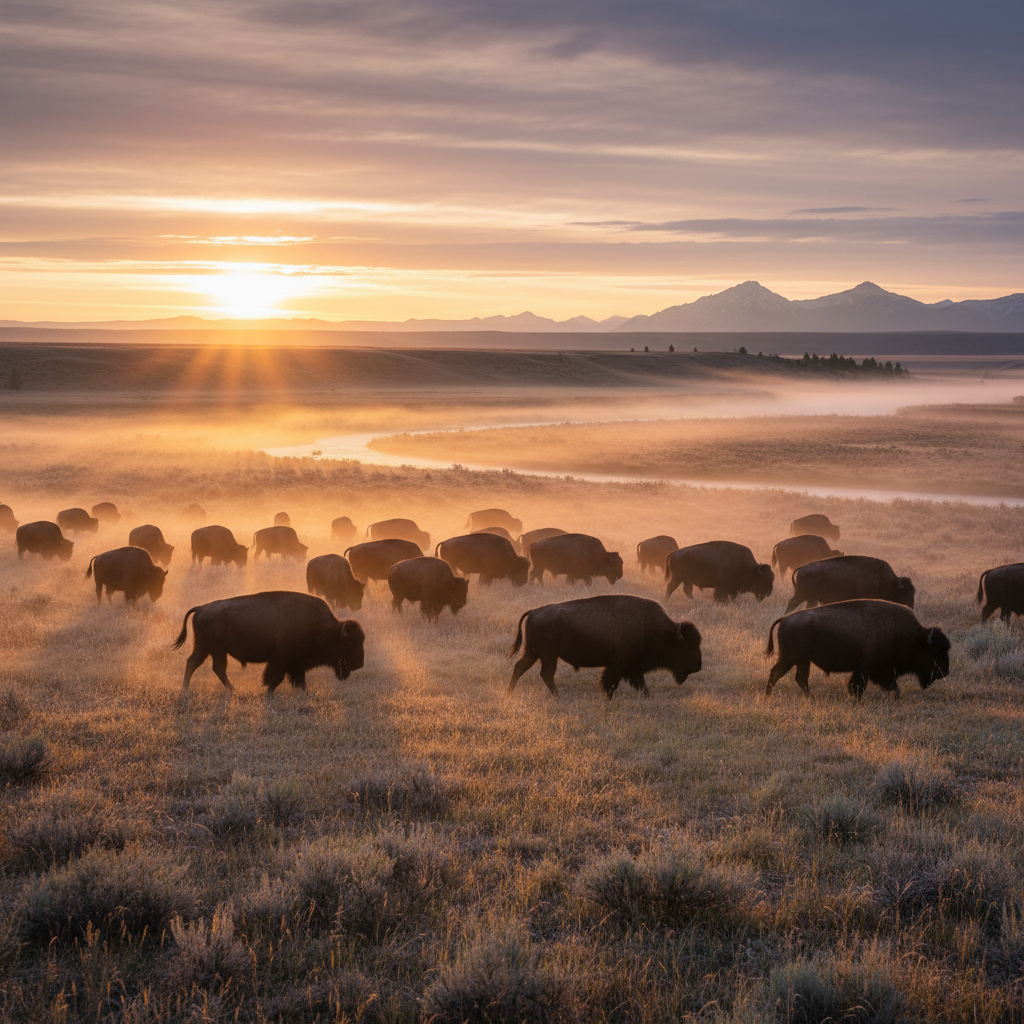
This is one of the best wolf-watching locations in the world, especially in the Lamar Valley, paired with geothermal landscapes unlike anywhere else.
Best season:
Winter for wolves; summer for bear sightings and scenic access.
Likely wildlife:
Bison, wolves, grizzly bears, bighorn sheep, elk.
Trip notes:
Wildlife guides significantly improve viewing success — binoculars recommended.
Suggested booking options:
• Viator wildlife tours
• Expedia cabins + lodges
5) Chobe National Park, Botswana
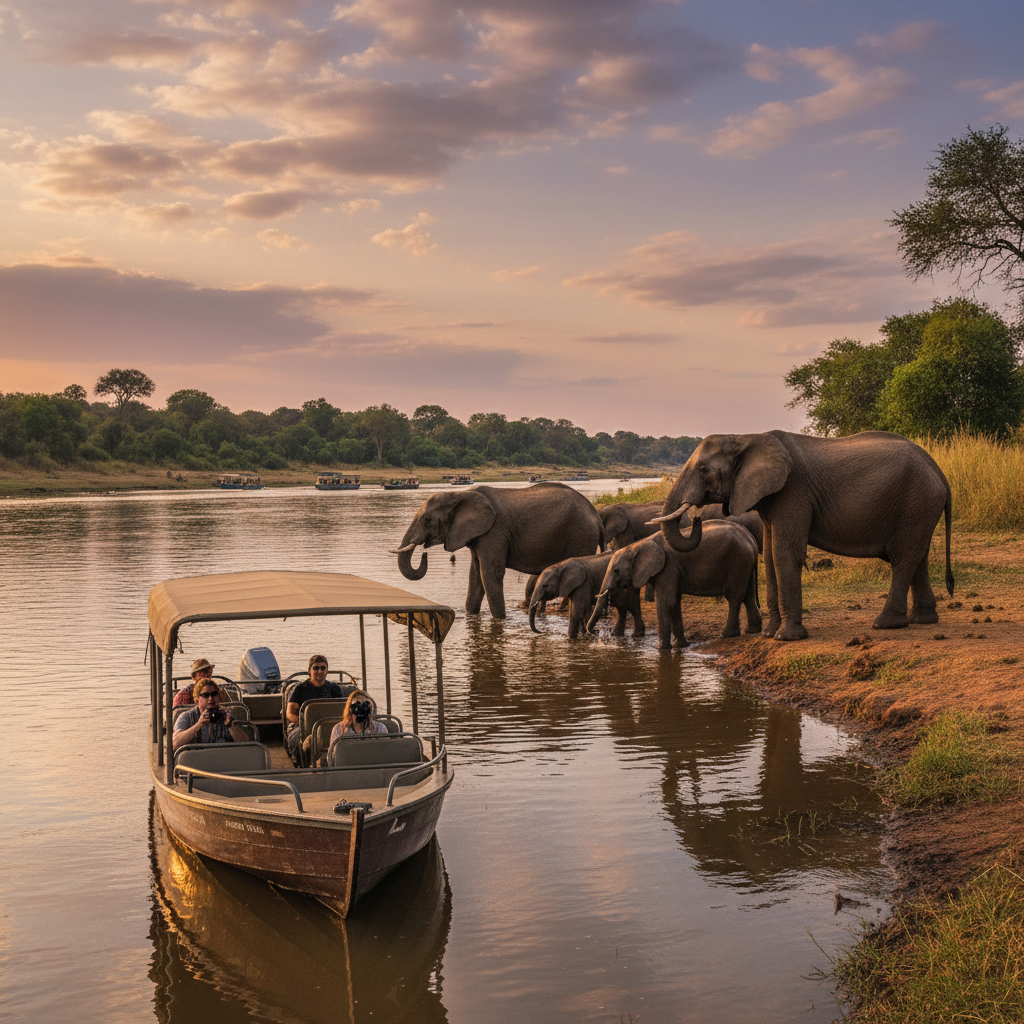
Best for: elephant encounters & river-based safaris
Why it’s special:
Chobe holds one of the largest elephant populations in Africa and offers river safaris where wildlife can be observed quietly from boats.
Best season:
May–October.
Likely wildlife:
Elephants, hippos, crocodiles, lions, antelope species.
Trip notes:
Combine with Okavango Delta for a multi-region safari circuit.
Suggested booking options:
• TravelUp for multicity routing
• Booking.com for riverside lodges
Safari Planning Guide
1) Decide your primary wildlife goal
Options include Big Five, predators, birding, photography, water-based safaris, or migration events.
2) Choose your season before destination
Your target species should dictate timing — not the other way around.
3) Select your style
• Guided lodge-based
• Mobile tented expedition
• Self-drive with base camp
4) Consider insurance and medical prep
Remote travel can require evacuation coverage.
5) Pack neutral, functional clothing
Avoid neon or bright white; bring binoculars, memory cards, and layers.
FAQs
What is the safest wildlife safari destination for first-timers?
Kruger National Park or the Serengeti with guided operators.
Is a guided safari better than a self-drive?
Guided safaris improve sighting success and safety, especially for predators.
How long should a safari trip be?
Seven to ten days provides time for multiple regions and varied sightings.
What is the best camera setup for safari?
A camera with 200–600mm zoom and extra batteries/memory.
Are kids recommended on safari trips?
Yes, but choose family-focused lodges and shorter drive segments.
Final Thoughts: Choosing the Safari That Fits Your Travel Style
A memorable safari isn’t defined by the number of species you spot — it’s defined by how intentionally you plan, how present you are, and how respectfully you move through the environment. Every location offers something different, from predator-heavy savannas to quiet riverbanks and frozen winter valleys. When you match your expectations to the right destination, season, and guide, the experience becomes more than wildlife viewing — it becomes a connection to the land, the culture, and the reality of wild ecosystems that continue to exist because people choose to protect them.
If a safari is on your travel list, take the time to choose ethical operators, support conservation-minded lodges, and learn about the wildlife before you arrive. The best safaris leave you with more awareness than photographs.
Choose the safari around the wildlife experience
Use our Wildlife Sanctuary Destinations guide to compare reserves and regions, then review our broader wildlife-watching safety guide and nocturnal wildlife guide.
Never leave marked routes, approach or feed wildlife, or substitute an article for ranger instructions and operator-specific safety rules. For first-time safaris, predator regions, or unfamiliar reserves, compare guided wildlife tours and safari experiences.


Leave a Reply