
Last Updated on February 20, 2026 by Jeremy
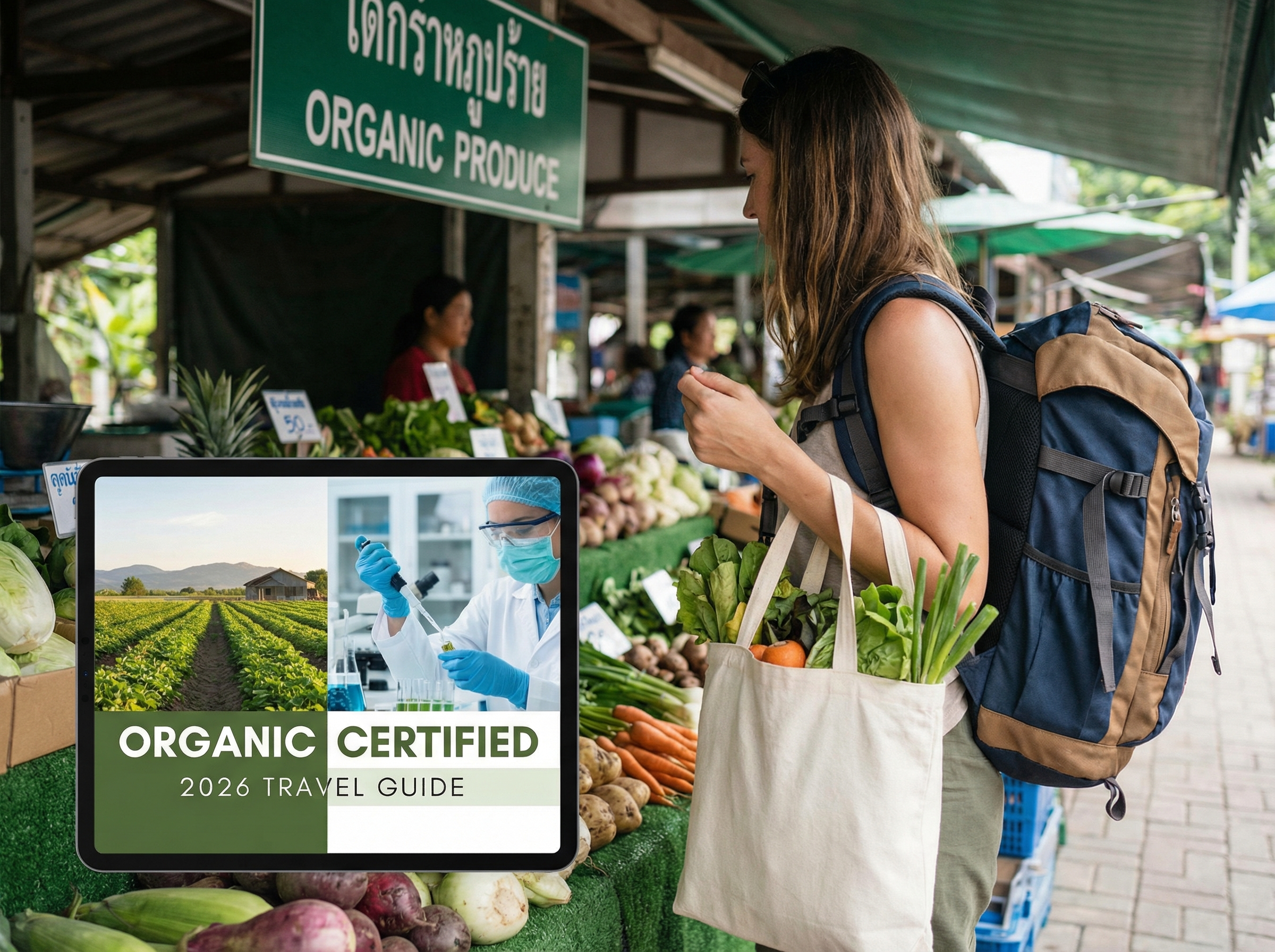
“Organic” is often assumed to mean completely chemical-free. It doesn’t. And that misunderstanding changes how people shop, eat, and increasingly — how they travel.
Where applicable, we link to reputable booking platforms for tours and stays. Reservations are completed directly with the provider.
What Organic Actually Means Around the World
Organic certification is not globally identical. The EU emphasizes biodiversity and ecological soil management. Japan integrates traditional fermentation techniques. Costa Rica blends agroforestry into coffee cultivation. Peru’s cacao regions rely heavily on small-scale regenerative practices.
Instead of debating definitions, travel allows you to see how sustainability is applied in real environments — vineyards, coffee hillsides, rice terraces, cacao forests.
Why This Matters for Travelers in 2026
Agri-tourism is growing because people want transparency. They want to understand how wine is grown, how coffee cherries are processed, how cacao is fermented, and how biodiversity is protected.
Harvest timing, rainfall cycles, and soil management methods all shape the experience. Visiting in the right season makes the difference between a tasting and a true agricultural immersion.
Organic Farm Experiences You Can Book
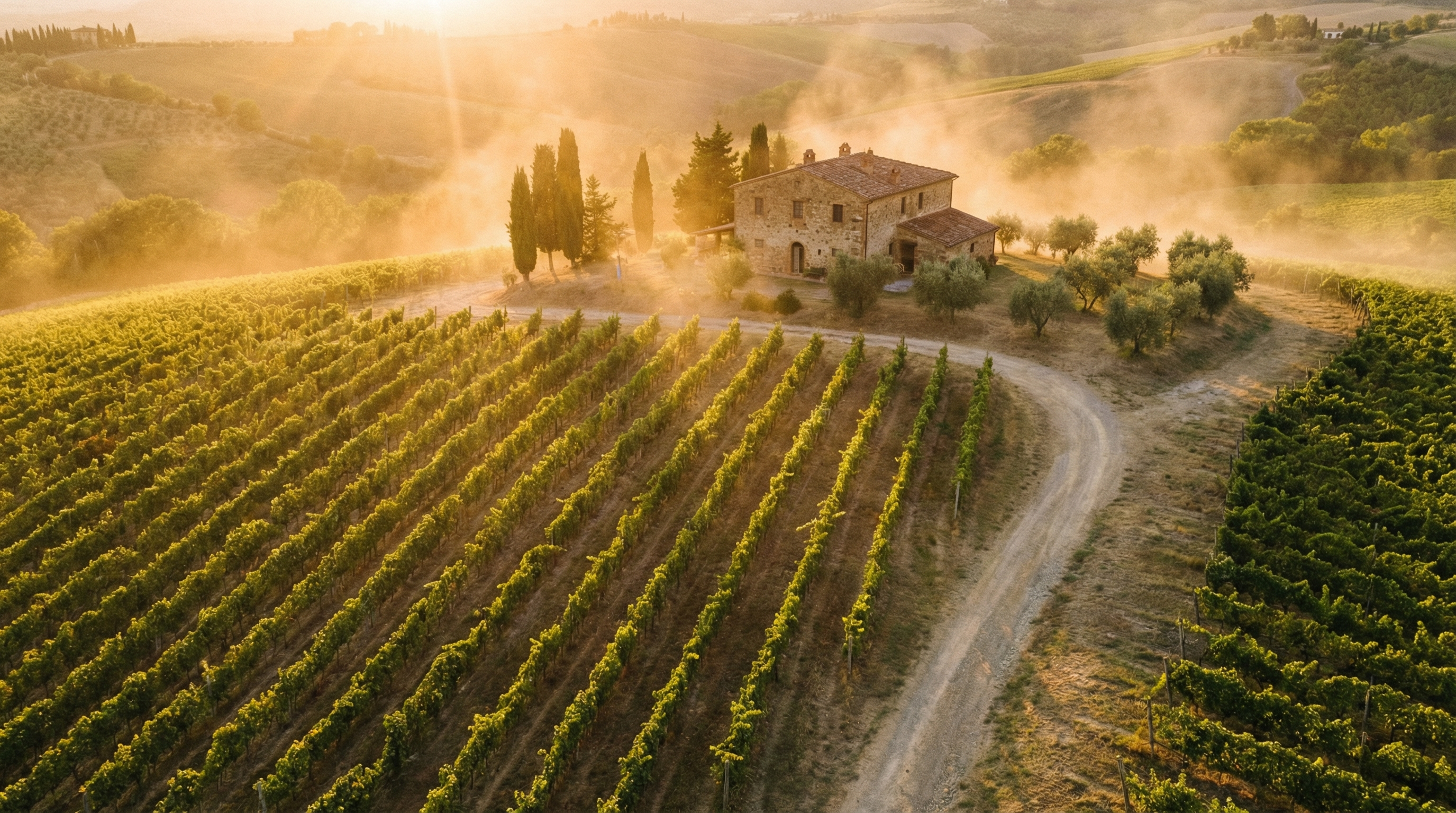
Tuscany, Italy (Best: April–June & September–October)
Organic vineyards and olive farms operate under strict EU organic standards. Spring offers vineyard growth and fewer crowds. Fall brings harvest energy and pressing season.
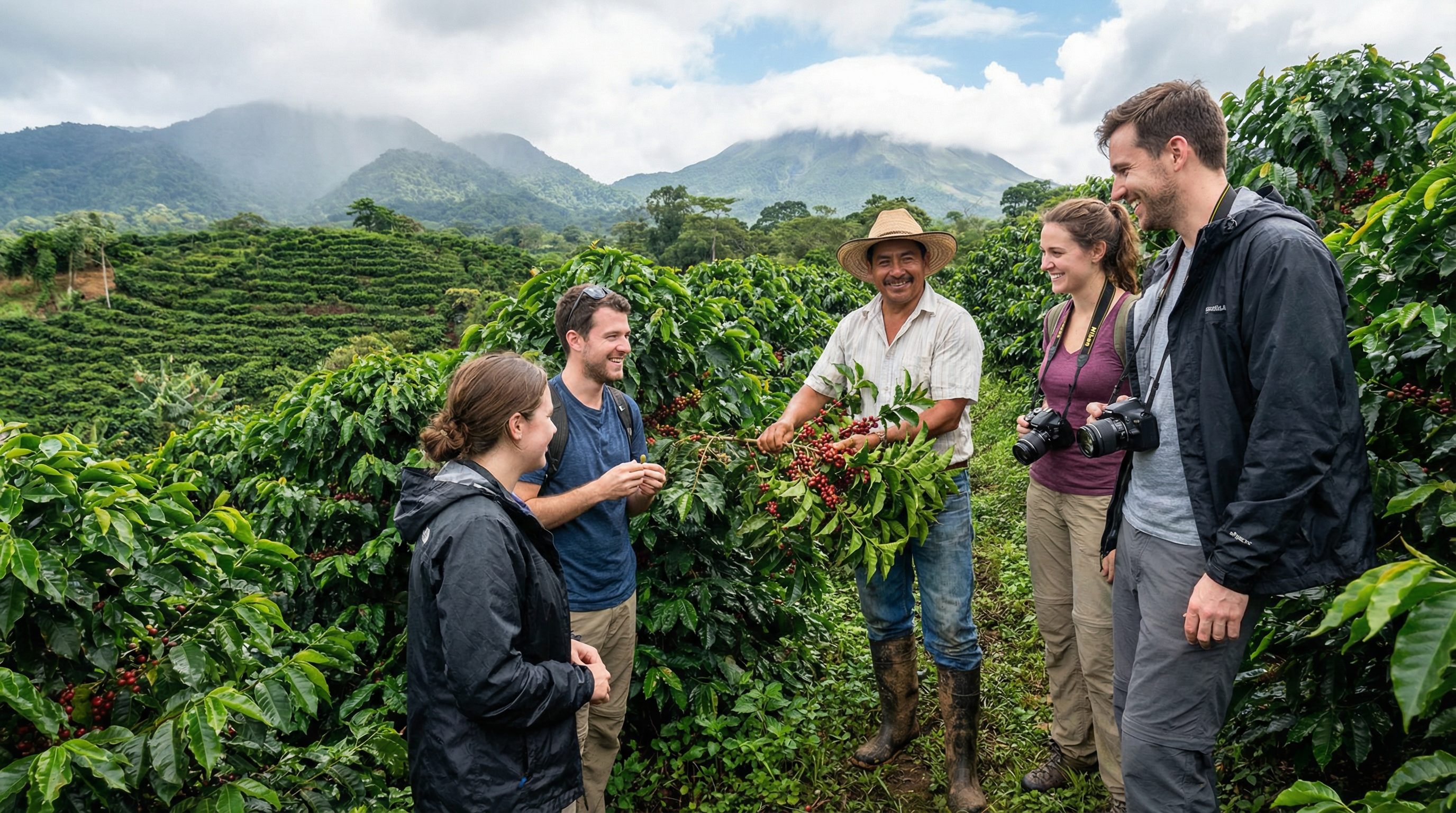
Costa Rica (Best: December–April Dry Season)
High-elevation coffee fincas combine organic certification with shade-grown agroforestry systems. Visiting during harvest season (roughly November–February in many regions) allows you to see cherry picking and processing in action.
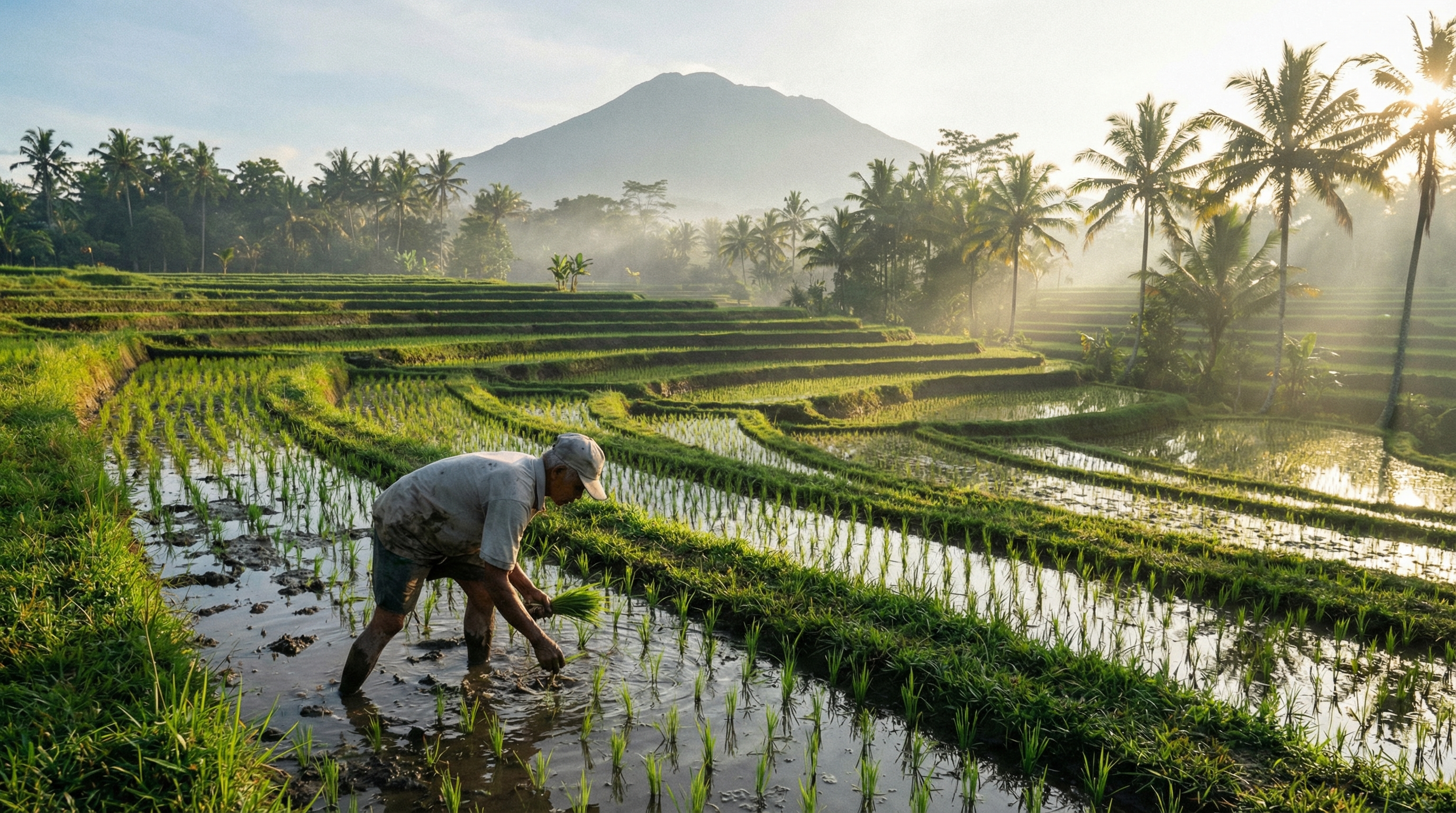
Bali, Indonesia (Year-Round Access)
Rice terraces operate on traditional irrigation systems that prioritize ecological balance. Tours often combine cultural heritage with sustainable farming methods.
Provence, France (Peak: May–September)
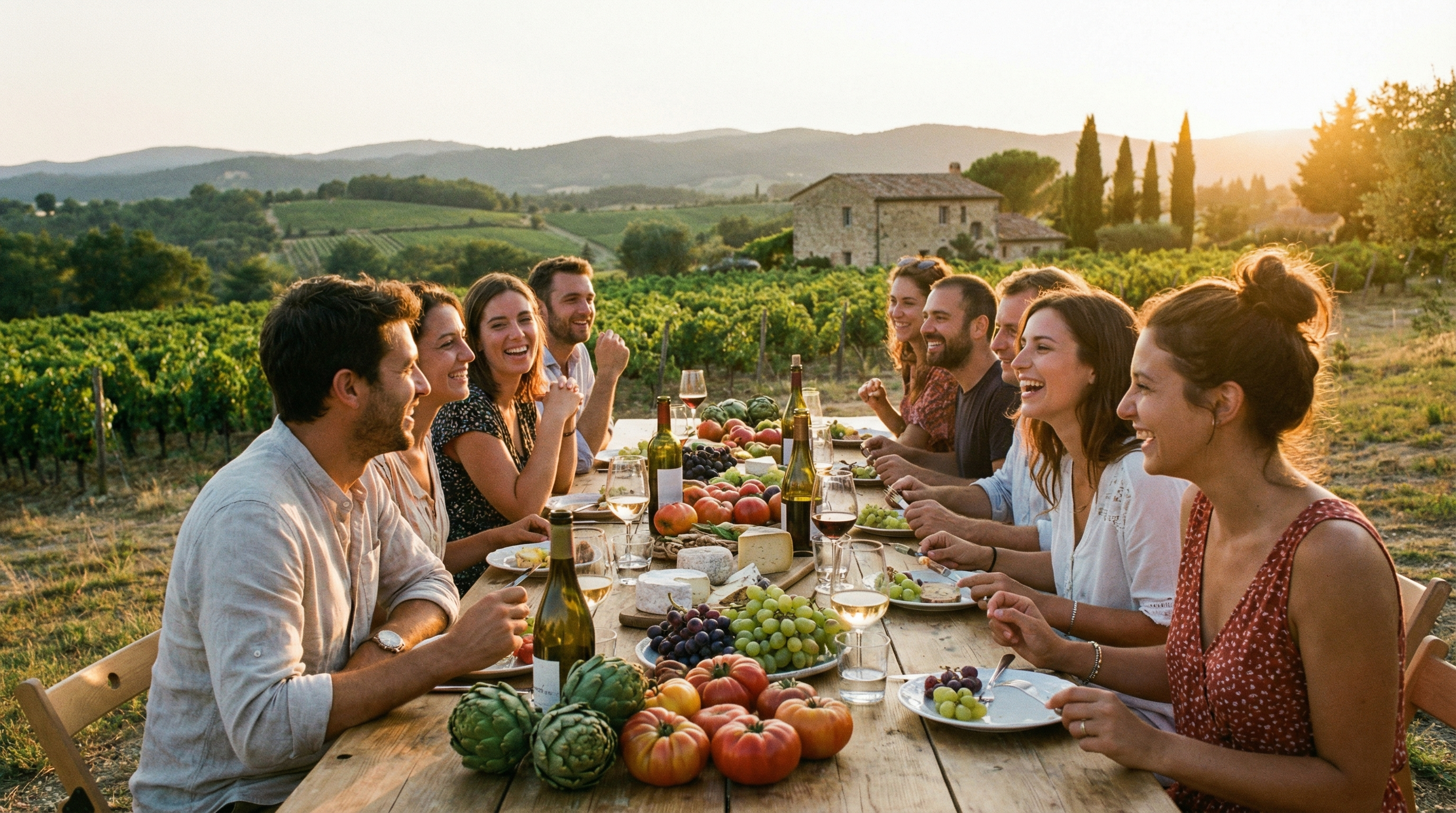
Organic farm-to-table dining in Provence emphasizes seasonal produce, olive oil, and vineyard pairings. Summer offers peak culinary experiences tied directly to harvest cycles.
Peru (Regional Harvest Windows Vary)
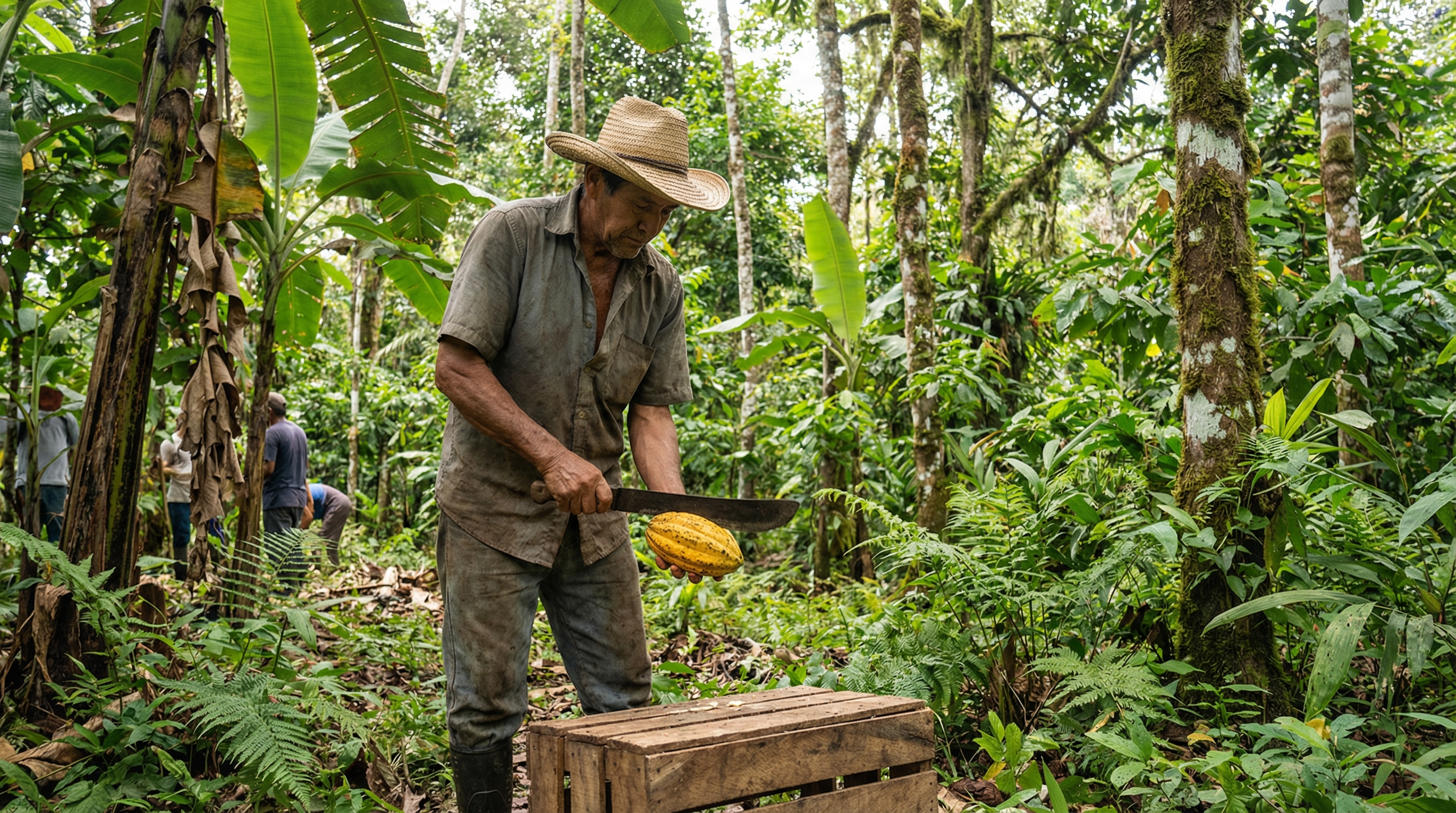
Cacao regions showcase fermentation, drying, and small-scale organic production methods. Visiting during harvest periods provides deeper insight into chocolate production from pod to product.
Where to Stay for a Countryside Experience
Many organic regions offer vineyard lodges, eco-farms, or countryside stays that allow early access to fields and extended immersion beyond a half-day tour.
Plan Your Sustainable Farm Experience
Use our booking tools to compare experiences, or build a countryside stay around seasonal harvest windows.
Use Booking ToolsFrequently Asked Questions
Does organic mean completely chemical-free?
No. Organic restricts synthetic chemicals but allows certain natural substances under regulated regional standards.
Are organic standards the same worldwide?
No. Certification standards differ between regions such as the EU, United States, Japan, and Latin America.
When is the best season for farm visits?
Spring and harvest seasons (often fall) provide the most immersive agricultural experiences.
Can travelers stay on working farms?
Yes. Many regions offer vineyard lodges, eco-farm stays, and countryside guesthouses tied to agricultural production.



Leave a Reply