
Last Updated on August 25, 2026 by Jeremy
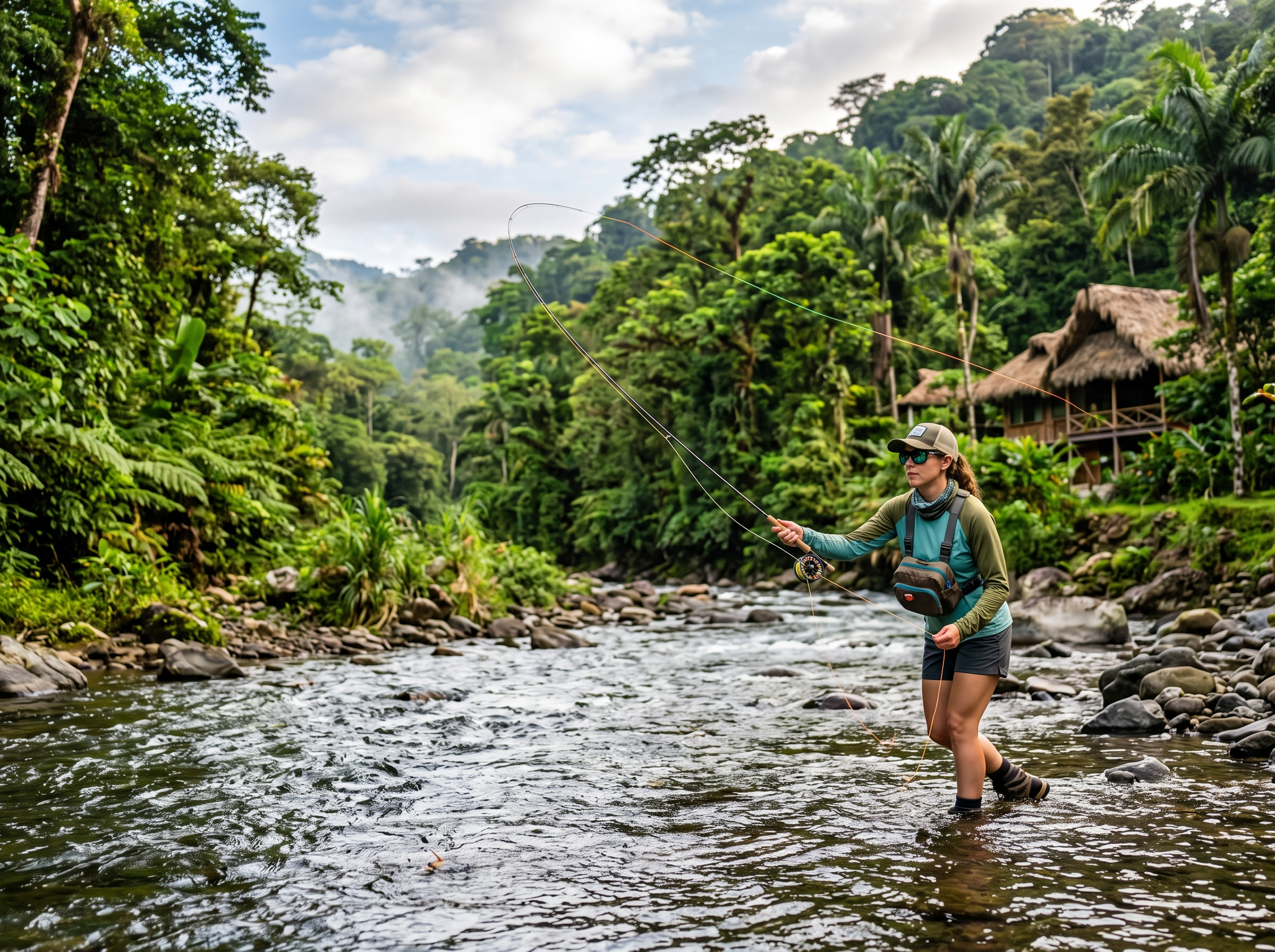
Costa Rica is famous for volcanoes, cloud forests, beaches, wildlife, hot springs, and jungle rivers. But if you are planning a trip around adventure instead of just scenery, there is another side of the country worth looking at: fly fishing.
The tricky part is knowing where fly fishing actually makes sense. Costa Rica has trout streams, tropical freshwater systems, lake fishing, and saltwater opportunities, but they are not all the same kind of trip.
This guide breaks down where to fly fish in Costa Rica, when to go, what to bring, and why a lodge-based experience with FlyFishCR.com and Río Niño Outfitters is one of the more interesting ways to build fishing into a Costa Rica vacation.
Quick Answer: Yes, you can fly fish in Costa Rica. The country offers cloud forest trout streams, tropical jungle rivers, freshwater lake fishing, and saltwater options for species like tarpon, snook, roosterfish, jacks, and more.
For a rainforest lodge-style experience, the Río Niño region near Upala gives travelers a quieter alternative to the busier beach and volcano routes.
Why Fly Fishing in Costa Rica Feels Different
Costa Rica is not trying to be Montana, Patagonia, or British Columbia. That is part of the appeal.
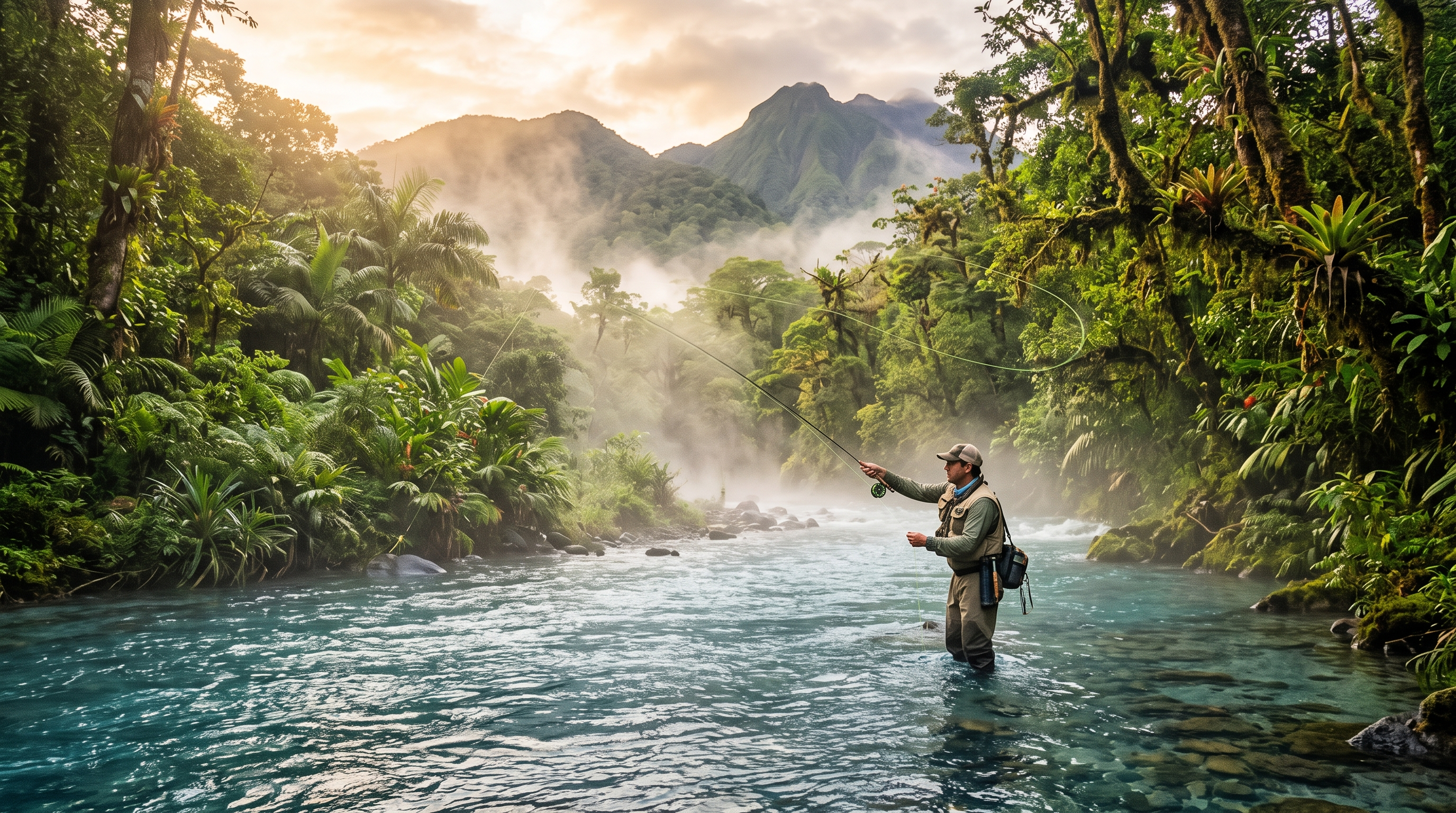
Here, the fishing often sits inside a bigger travel experience. You are not only chasing fish. You are moving through rainforest, volcanic landscapes, mountain rivers, jungle sounds, birdlife, and warm evenings that feel nothing like a traditional cold-water fishing trip.
That makes Costa Rica a strong fit for anglers who want more than a technical fishing vacation. It also works well for couples, families, and mixed-interest travelers where one person wants to fish and the other still wants a real Costa Rica getaway.
Where Can You Fly Fish in Costa Rica?
This is where many Costa Rica fishing guides get too vague. The country has several fly fishing regions, but each one gives you a different kind of trip.
Planning Tip: Do not choose your Costa Rica fly fishing destination by fish species alone. Choose it by the trip style you want: rainforest lodge stay, cloud forest trout, freshwater lake fishing, tarpon, or saltwater adventure.

Why Río Niño Works as a Costa Rica Fishing Base
Río Niño is not the obvious choice for every traveler, and that is exactly why it works.
If you want crowded beaches, nightlife, and a packed tour calendar, this is not the main Costa Rica route. But if you want rainforest, river time, local guiding, slower evenings, and a trip that feels more personal, the Río Niño region has a strong advantage.
The appeal is the full setting:
- Guided river days
- Rainforest scenery
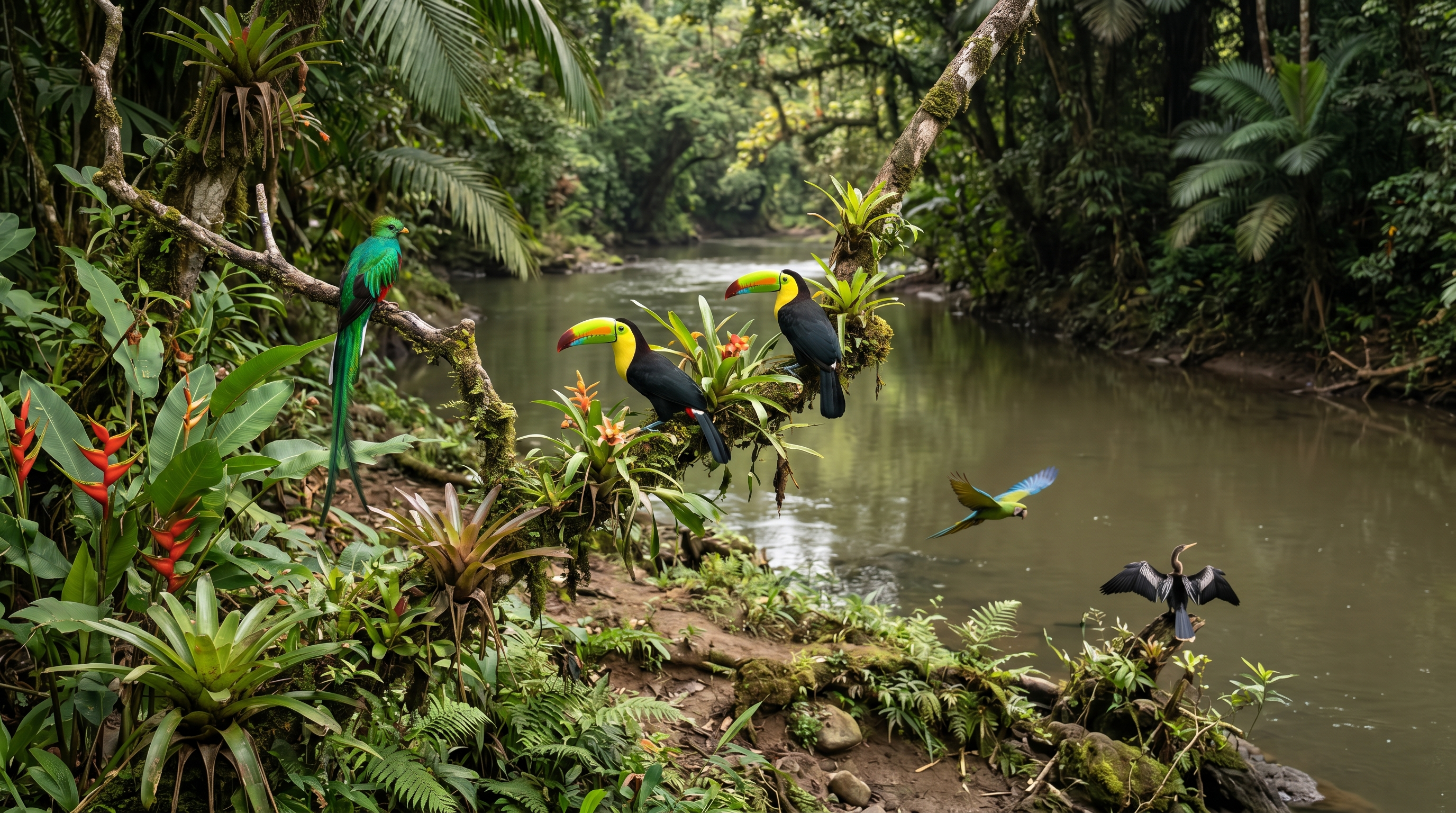
- Wildlife along the river corridor
- Lodge-based stays
- Possible wading, floating, or drift-style fishing depending on conditions
- Easy connection to the Upala, Bijagua, Tenorio, and Río Celeste region
It also works well for travelers who want a Costa Rica experience that feels different from the standard La Fortuna, Tamarindo, Manuel Antonio, and Monteverde loop.
Best Time for Fly Fishing in Costa Rica
The best time to fly fish in Costa Rica depends on where you are going. A cloud forest trout stream, a jungle river, Lake Arenal, and a saltwater tarpon trip do not follow the exact same logic.
In broad travel terms, Costa Rica usually breaks into two main seasons:
- Dry season: roughly December through April
- Green season: roughly May through November
Dry season can make transportation and planning easier. Green season can bring richer jungle scenery, fewer crowds, and changing river conditions.
For river fishing, water levels matter more than a generic calendar. Heavy rain can change clarity, flow, access, and the best fishing approach. That is where local guides become especially valuable.
Can You Fly Fish Year-Round in Costa Rica?
Yes, but not every destination fishes the same way all year. If your travel dates are fixed, choose your guide and region around current conditions. If fishing is the main reason for the trip, ask the outfitter which months best match your target experience before booking flights.
Should You Hire a Fly Fishing Guide in Costa Rica?
For most visitors, yes. Costa Rica is not the easiest place to figure out river access, seasonal conditions, local rules, transportation, and productive water on a short trip.
A good guide helps you avoid wasting your best travel days guessing. They know where to go, how the river is behaving, what gear makes sense, and how to adjust the plan when weather changes.
This is especially true if you are building fishing into a broader vacation. A guided experience gives the day structure without turning your entire Costa Rica trip into a research project.
Earthbound Featured Experience: Río Niño Outfitters
For this Tour Spotlight, the featured experience is Río Niño Outfitters, a guided fly fishing and lodge-based option in northern Costa Rica.
This is not just a quick fishing stop. The stronger way to experience the Río Niño is to slow down, stay nearby, and let the river become part of the actual trip.
Depending on the package and river conditions, guests may experience:
- Private lodge accommodations
- Guided river days
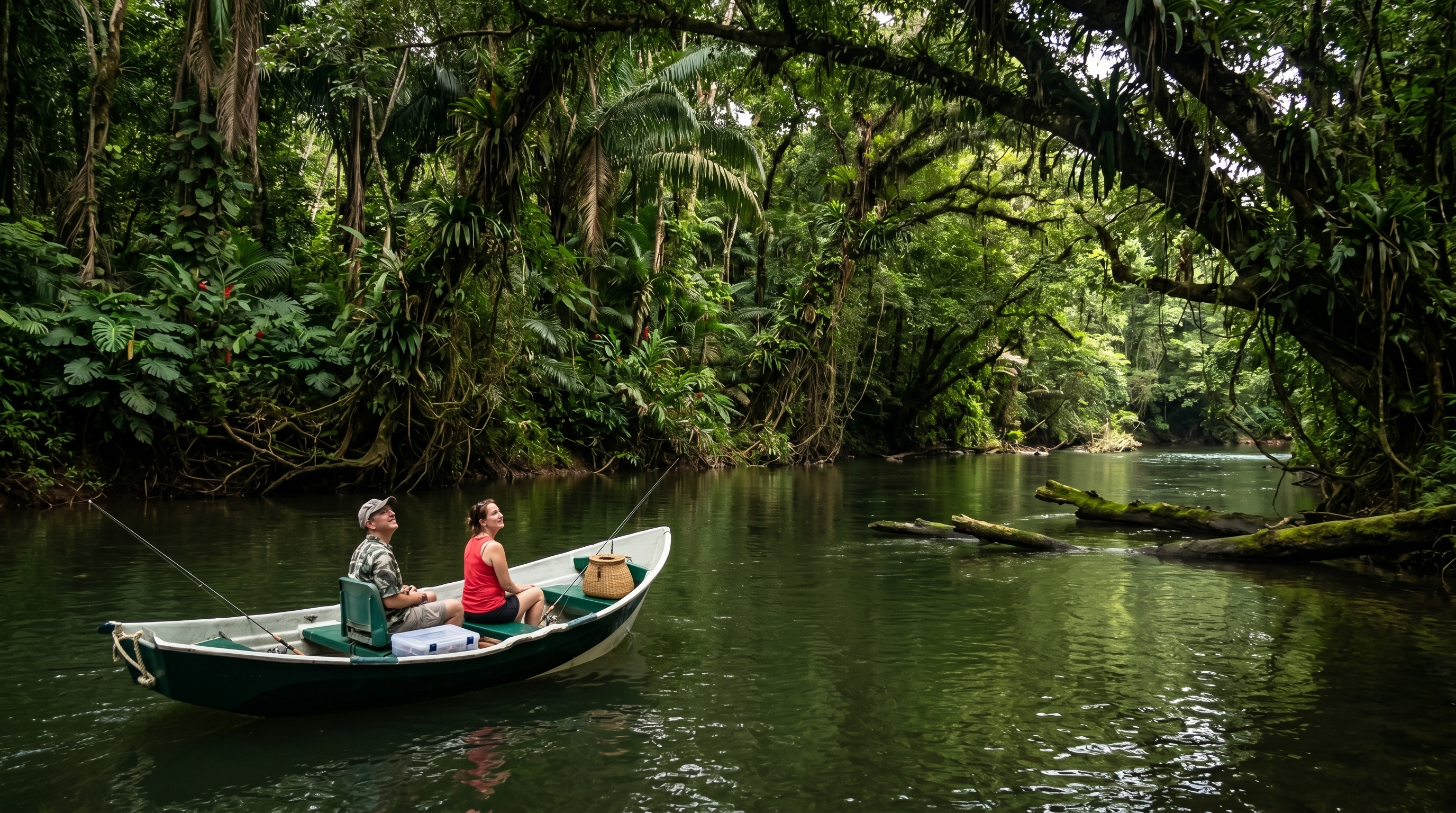
- Wading, floating, or drift-style options
- Meals with select packages
- Rainforest scenery
- A quieter Costa Rica experience away from the busiest routes
Check Río Niño Fly Fishing Packages
Compare current lodge stays, guided river days, and package options directly through Río Niño Outfitters.
Use the booking page to check current dates, package details, and availability.
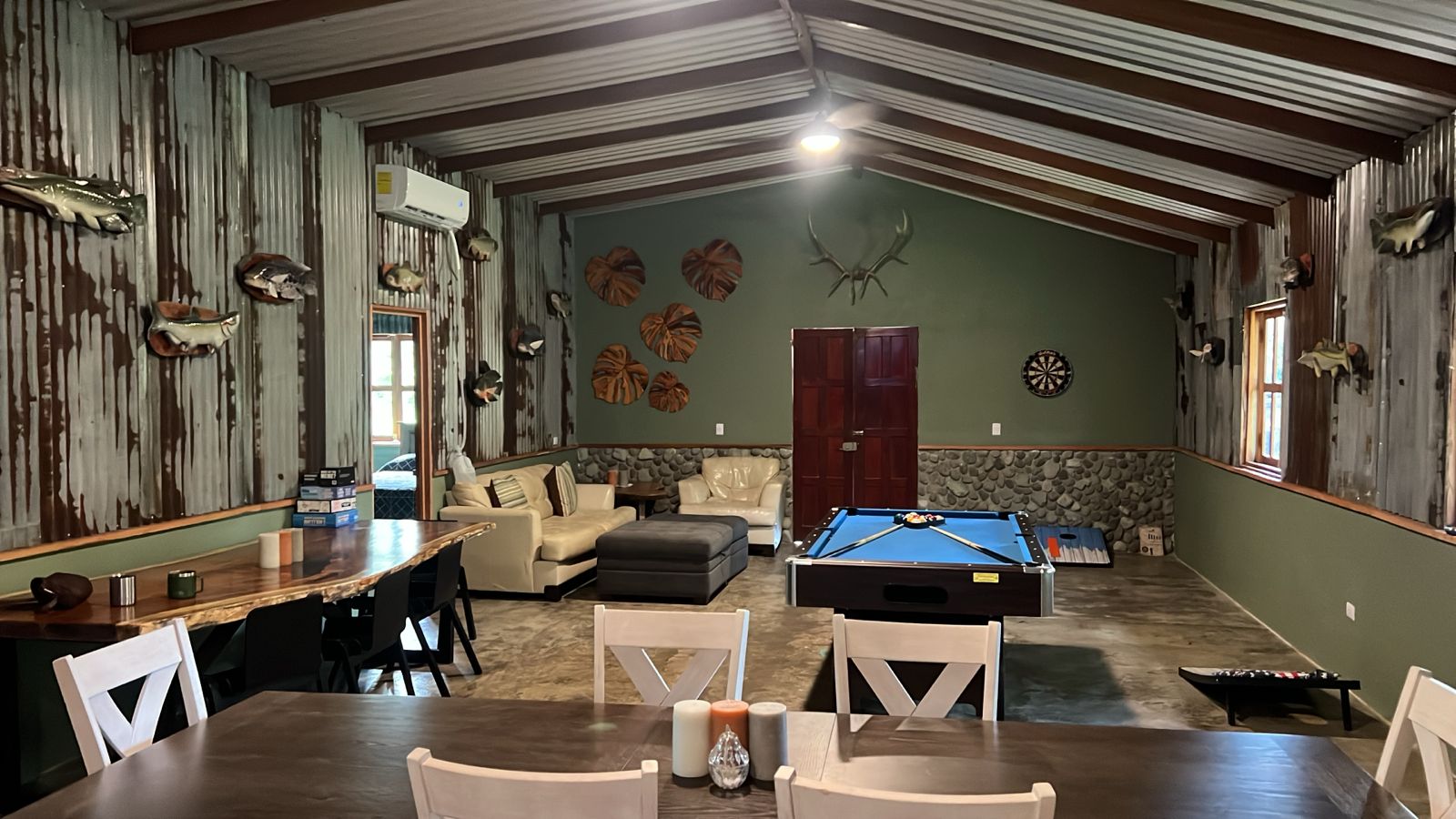
The Lodge Experience
A lodge-based fishing trip makes Costa Rica easier. Instead of piecing together accommodation, meals, transportation, river access, and guiding separately, you can build the trip around one base.
That matters more than people think. Costa Rica travel times can look short on a map but feel longer on the ground because of weather, roads, daylight, and rural access.
A lodge stay gives the trip a better rhythm:
- Arrive and settle in
- Fish with local guides
- Return for meals and downtime
- Adjust the next day based on water conditions
- Explore the surrounding Upala, Bijagua, Tenorio, and Río Celeste region
What Should You Bring for Fly Fishing in Costa Rica?
Your packing list depends on whether you are bringing your own fly fishing gear or using outfitter-supported gear. Either way, Costa Rica adds a few travel-specific details that anglers should not ignore.
- Polarized sunglasses
- Quick-dry shirts and pants
- Rain layer
- Sun protection
- Dry bag for electronics
- Water shoes, wading boots, or trail shoes depending on the trip
- Lightweight day pack
- Bug protection
- Copies of travel documents
- Travel insurance and phone connectivity plan
If you are flying with rods, reels, flies, or fishing tools, read this before packing: Flying With Fly Fishing Gear.
How to Build This Into a Costa Rica Itinerary
The best way to add Río Niño to a Costa Rica trip is to treat it as a northern adventure base, not as a random detour.
A simple route could look like this:
- Day 1: Arrive in Costa Rica and overnight near San José or Liberia
- Day 2: Travel toward Upala, Bijagua, or Río Niño
- Days 3–4: Guided fishing, river float, lodge stay, or regional exploring
- Day 5: Visit Río Celeste or continue toward La Fortuna
- Days 6–7: Add hot springs, volcano views, wildlife tours, or onward travel
This keeps the fishing experience connected to a realistic Costa Rica route instead of forcing it into an already crowded itinerary.
Best Fit: Río Niño is ideal for anglers, couples, soft-adventure travelers, wildlife lovers, and anyone who wants a Costa Rica experience that feels quieter than the main tourist trail.
Bookable Planning Blocks
Once your fishing dates are clear, the rest of the trip gets easier to organize. The main pieces to compare are lodging, transportation, flights, and any extra Costa Rica experiences you want before or after the river.
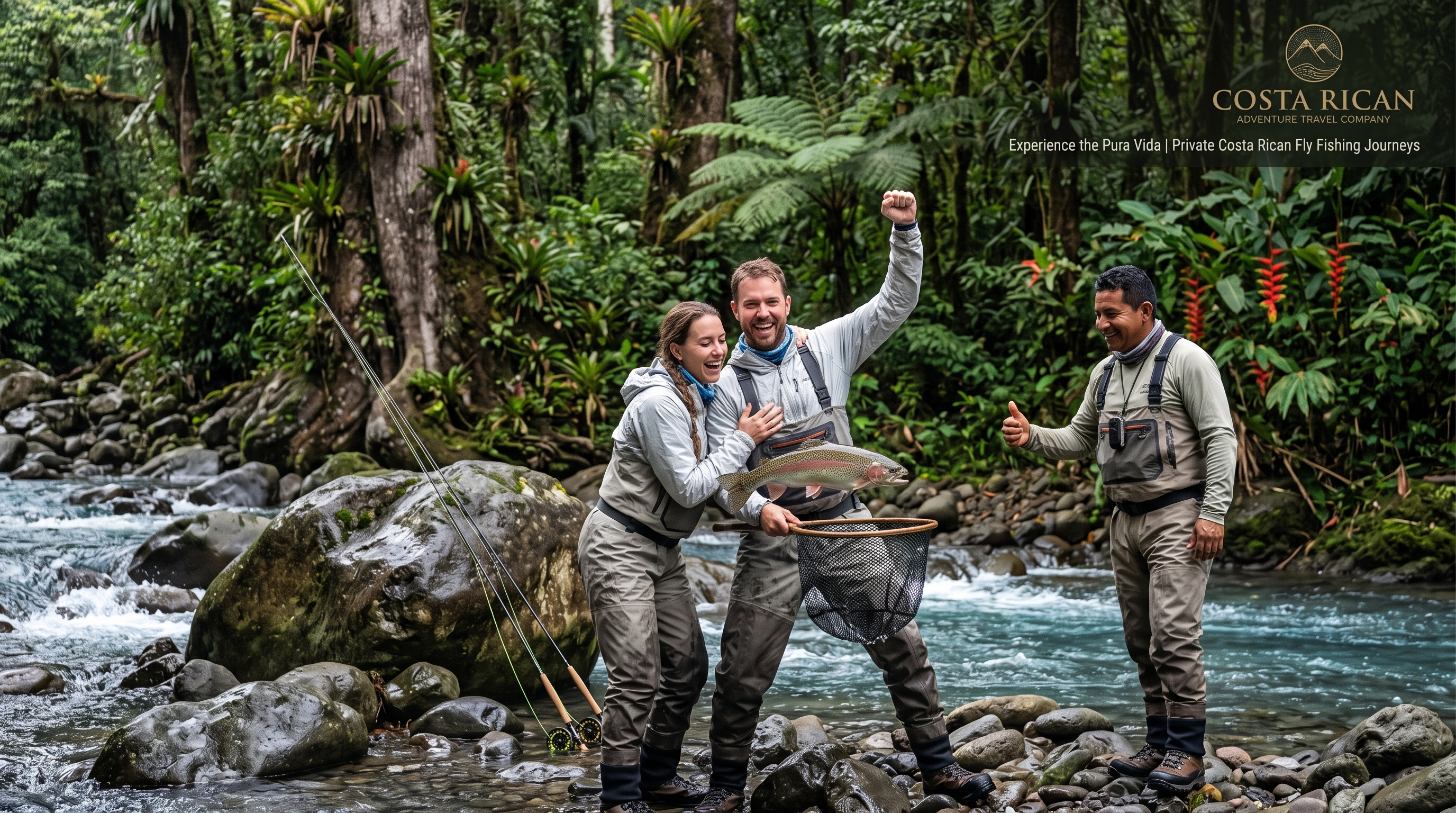
Want the Fishing Trip Without the Planning Mess?
Start with the Río Niño packages, then use Earthbound’s booking tools to fill in the rest of the route around flights, stays, transport, and extra experiences.
Build the Fishing Trip Around the Whole Costa Rica Route
Keep the guided fishing experience at the centre of the plan, then add the rest of the route around it.
Costa Rica Fly Fishing FAQ
Can you fly fish in Costa Rica?
Yes. Costa Rica offers fly fishing in cloud forest trout streams, tropical rivers, freshwater lakes, and saltwater areas. The right destination depends on whether you want trout, jungle river fishing, lake species, or coastal saltwater fishing.
Where is the best place to fly fish in Costa Rica?
There is no single best place for every angler. Río Savegre near San Gerardo de Dota is well known for trout, Lake Arenal is known for freshwater species like guapote and machaca, and Río Niño near Upala is a strong choice for a rainforest river and lodge-based experience.
What is the best time for fly fishing in Costa Rica?
The best time depends on the region and water type. Dry season often makes travel easier, while green season can create lush scenery and changing river conditions. For river trips, current water levels and local guide advice matter more than a generic month-by-month rule.
Should I hire a guide for fly fishing in Costa Rica?
Most visitors should hire a guide. Local guides understand river access, seasonal water levels, productive sections, safety considerations, and how quickly conditions can change after rain.
What fish can you catch while fly fishing in Costa Rica?
Depending on the region, anglers may target rainbow trout, machaca, guapote, tarpon, snook, roosterfish, jacks, and other freshwater or saltwater species.
Can beginners fly fish in Costa Rica?
Yes, especially with a guided trip. Beginners should choose an outfitter that can help with gear, casting support, river safety, and realistic expectations for the conditions.
Is Río Niño good for non-anglers too?
Yes. The Río Niño area works well for travelers who enjoy rainforest scenery, wildlife, lodge stays, river floats, and slower adventure travel even if they are not serious anglers.
Final Thoughts
Fly fishing in Costa Rica is not one single thing. It can mean trout in the cloud forest, freshwater lake fishing near Arenal, saltwater species on the coast, or a quieter rainforest river stay near Upala.
That variety is exactly why planning matters. If you want the experience to feel smooth instead of scattered, choose the region first, match it to the style of trip you want, and then build the rest of your Costa Rica route around it.
For travelers who want a fishing experience that feels personal, scenic, and connected to the slower side of Costa Rica, Río Niño Outfitters is one of the most interesting places to start.


Leave a Reply