
Last Updated on December 27, 2025 by Jeremy
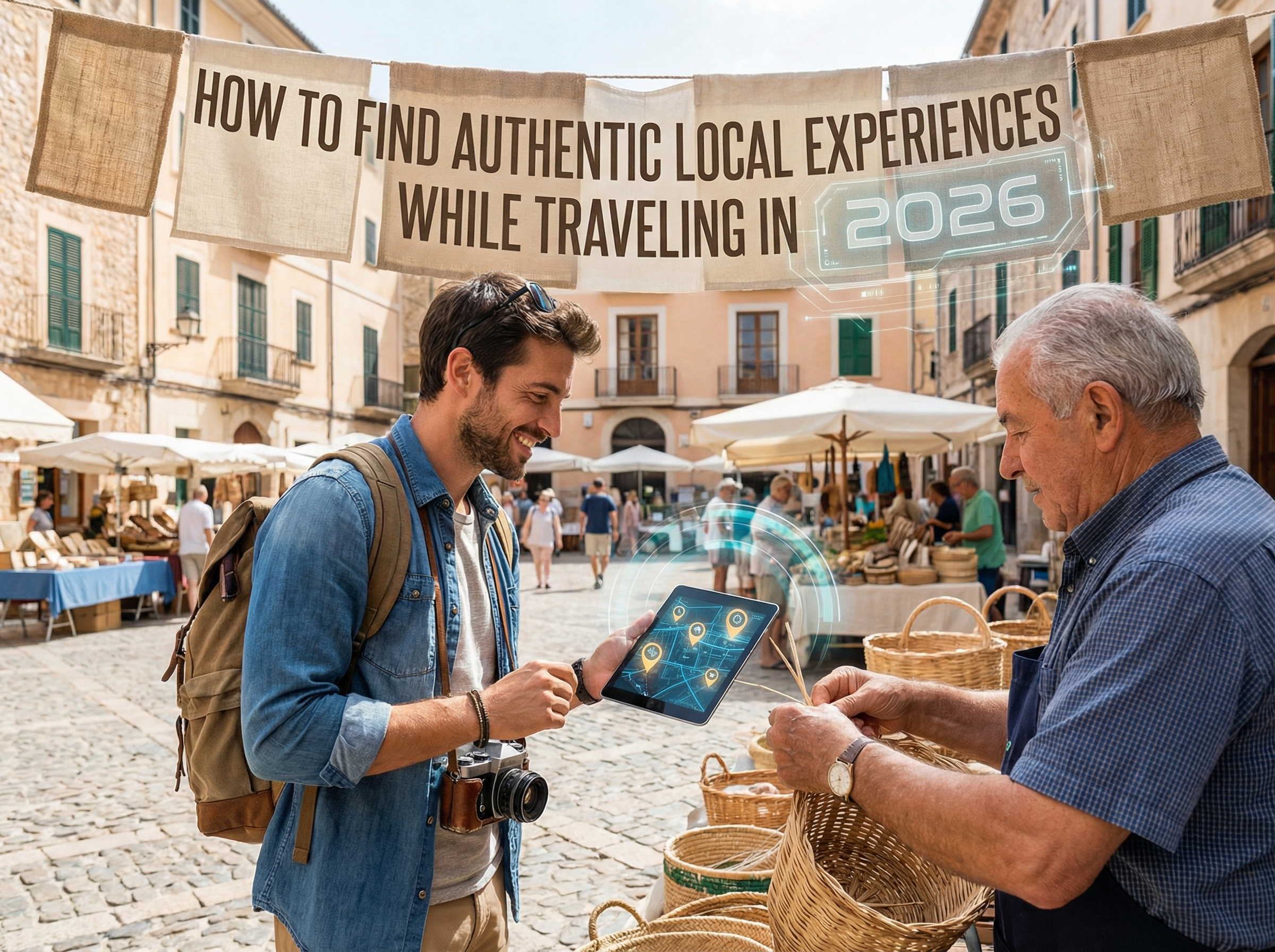
Travel in 2026 is shifting. People are still flying, still road-tripping, still wandering… but the “best trip” is starting to look different. More travelers want authentic local experiences — the kind that feel personal, support communities, and don’t leave a trail of damage behind.
This guide shows you how to find those experiences, how to spot the tourist traps early, and how to plan in a way that feels meaningful without getting preachy about it.
TL;DR — How to Find Local Experiences in 2026
- Start local: Choose locally-owned guides, family-run tours, and community experiences.
- Pick experiences, not attractions: Cultural walks, food tours, nature guiding, workshops, and day trips beat checklists.
- Stay longer: Fewer destinations often means deeper travel and less friction.
- Use platforms carefully: Read what’s included, check group size, and look for operator transparency.
- Support responsible travel: Your money should stay local and your impact should be lighter.
Want the deeper breakdown with examples and booking tips? Keep reading.
1) Start Local, Not Global
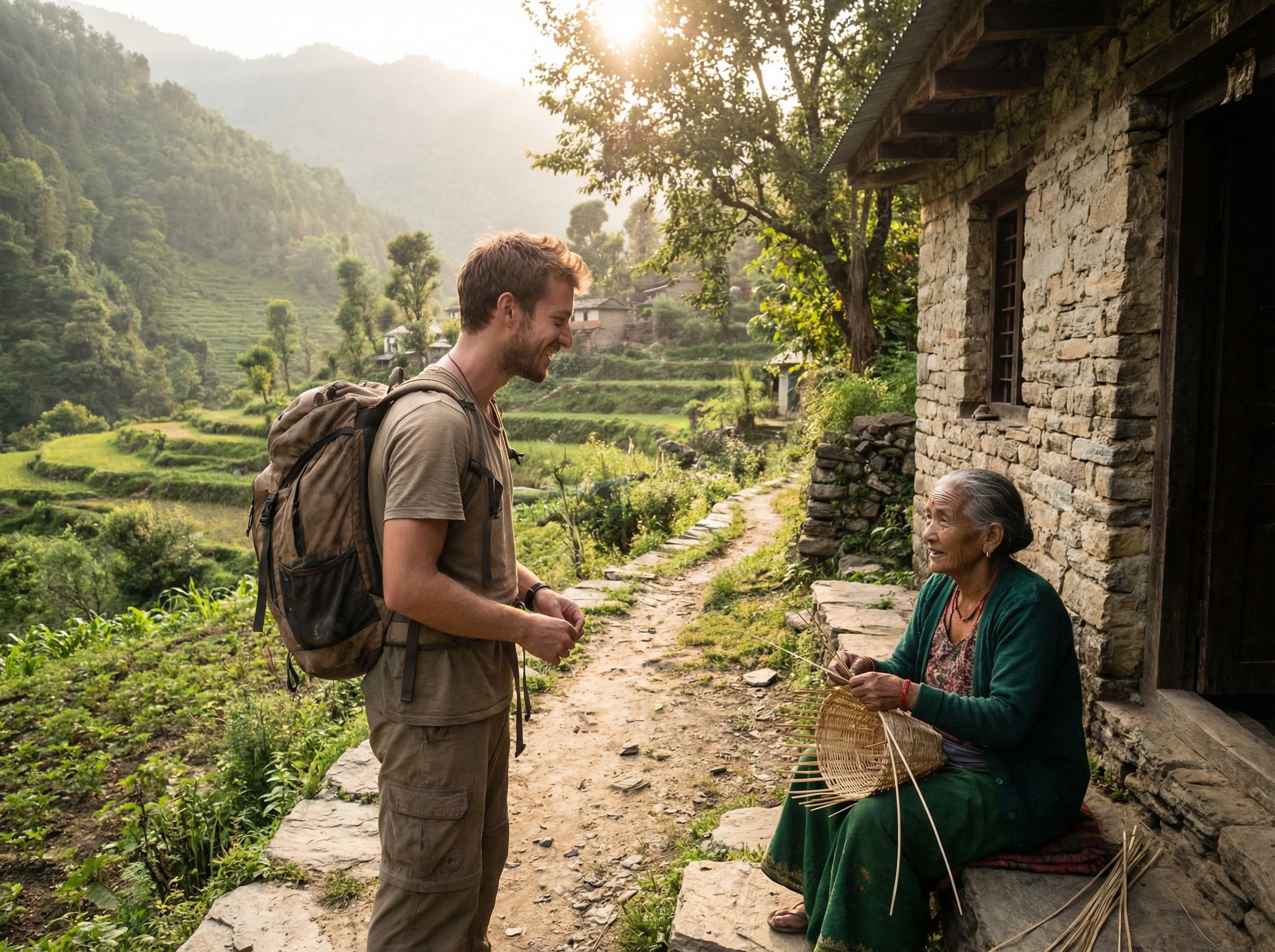
The quickest way to get a “tourist version” of a destination is to start with the biggest, most generic options. The quickest way to get an authentic experience is to start with local operators — people who actually live there.
What “local-first” usually looks like
- Small group sizes (or private options)
- Clear descriptions of what’s included (and what’s not)
- Guides who share context, not just instructions
- Experiences rooted in culture, nature, or community
If you care about impact (and most travelers do now), this connects directly with responsible travel. Here’s our deeper guide on that: Why Eco-Friendly Travel Matters Today (and how to explore without destroying it).
For a baseline on what “responsible travel” means in practice, these principles are a solid reference: Global Sustainable Tourism Council (GSTC) Criteria.
2) Choose Experiences Over Attractions
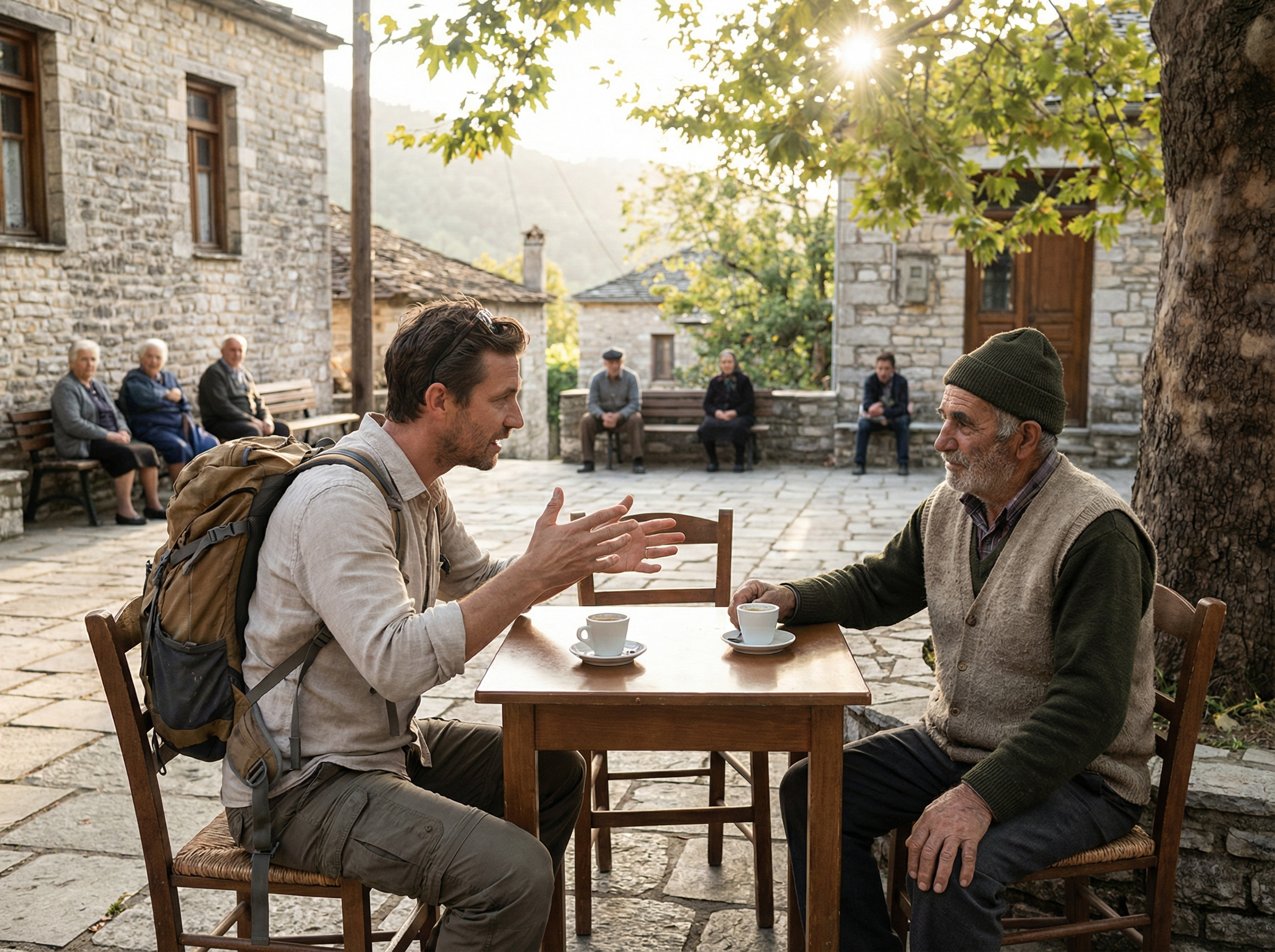
Attractions are fine. But attractions don’t automatically equal memorable. Experiences are where the trip becomes yours — not a copy of what everyone else did last week.
Experience ideas that feel authentic almost anywhere
- Food experiences: street food tours, cooking classes, market walks
- Nature experiences: guided hikes, wildlife spotting, water activities
- Culture experiences: neighborhood walks, artisan workshops, local festivals
- Day trips: small-group excursions beyond the city core
Quick filter: if the description sounds like it could be copy-pasted to 40 different cities, it probably can. Look for tours that mention local history, ecosystems, or community context.
3) Travel Slower and Stay Longer
If you’re trying to “do” five cities in six days, you’ll get five versions of airports and one version of exhaustion. Staying longer lets you discover the places that don’t show up in a “top 10” list.
Why slower travel usually improves the whole trip
- Less money burned on constant transport
- More time to book smaller tours (the good ones often aren’t last-minute)
- More local rhythm: markets, mornings, neighborhoods, repeat visits
- A lighter footprint (which matters more in 2026 than people admit out loud)
4) Use Booking Platforms — But Use Them Smart
Platforms can be helpful. They can also be a fast track to overcrowded, rushed experiences if you don’t read the details. The trick is to use platforms as a discovery tool and choose tours based on transparency.
What to check before you book any local tour
- Group size: smaller usually means better
- Meeting point: reasonable location and timing
- Inclusions: transport, meals, gear, entrance fees
- Cancellation policy: life happens
- Reviews: look for consistent specifics, not just star counts
If you’re choosing between two similar tours, pick the one that clearly states what’s included, the pace, and how many people are in the group. Vague listings tend to be vague in real life too.
5) Choose Experiences That Give Back
The easiest way to make your travel more meaningful is to ensure your money stays in the local economy. That doesn’t require perfection. It just requires intention.
Green flags for responsible local experiences
- Locally owned businesses and guides who live in the region
- Clear respect for wildlife and protected areas
- Reasonable group sizes and non-invasive practices
- Community benefits (local jobs, local sourcing, cultural preservation)
If you want a practical framework for responsible choices, the UN’s tourism pages are a useful overview: UN Tourism (UNWTO) — Sustainable Development.
6) Plan With Intention, Not Perfection
Overplanning kills the best part of travel: the small surprises that turn into the stories you tell later. Leave a little space in your itinerary so you can follow recommendations from locals, weather, and mood.
Simple planning rules that keep the trip flexible
- Book 1–2 “anchor experiences,” leave the rest open
- Keep one “slow day” every few days
- Ask locals what they’d do with a free afternoon (and actually listen)
- Don’t cram the calendar just because you can
The best trips don’t feel rushed. They feel real.
Final Thoughts
Finding authentic local experiences in 2026 comes down to a few things: choosing local-first operators, booking smarter, staying longer, and keeping your impact lighter. None of this requires you to be perfect. It just requires you to be intentional.
FAQ
How do I find authentic local experiences in 2026?
Start with local operators and guides, look for small group sizes, and prioritize experiences that focus on culture, nature, or community. Read what’s included, confirm group size, and choose listings that are specific about pace and itinerary.
Are booking platforms still worth using for local tours?
Yes — if you use them smart. Treat platforms as discovery tools, then choose tours with clear inclusions, transparent group sizes, and reviews that mention details (not just “Amazing!”).
What’s the difference between attractions and authentic experiences?
Attractions are places you visit. Experiences are what you do and who you connect with. Authentic experiences usually involve local context: guides, culture, food, nature, or community knowledge.
How can I travel more responsibly without overcomplicating it?
Choose locally owned operators, respect wildlife and protected areas, avoid overcrowded tours when possible, and stay longer in fewer places. Small choices add up.
What’s the easiest way to avoid tourist traps?
Avoid vague listings, choose small groups, read inclusions carefully, and look for tours that explain local history, culture, or ecosystems — not just a checklist of stops.



Leave a Reply