

Last Updated on September 3, 2026 by Jeremy
The guided tour vs. self-guided tour decision is often framed as freedom against convenience. Real trips are rarely that simple. A guided experience can give you access, context and a smoother route without controlling every minute. A self-guided trip can feel wonderfully flexible—or turn into three weeks of reservation tabs, transportation puzzles and avoidable mistakes.
The right answer depends on the trip, not on whether you consider yourself an “independent traveller.” Use this comparison to decide which parts deserve a guide, which parts are easy to arrange yourself and where a hybrid trip gives you the best of both.
Quick Answer
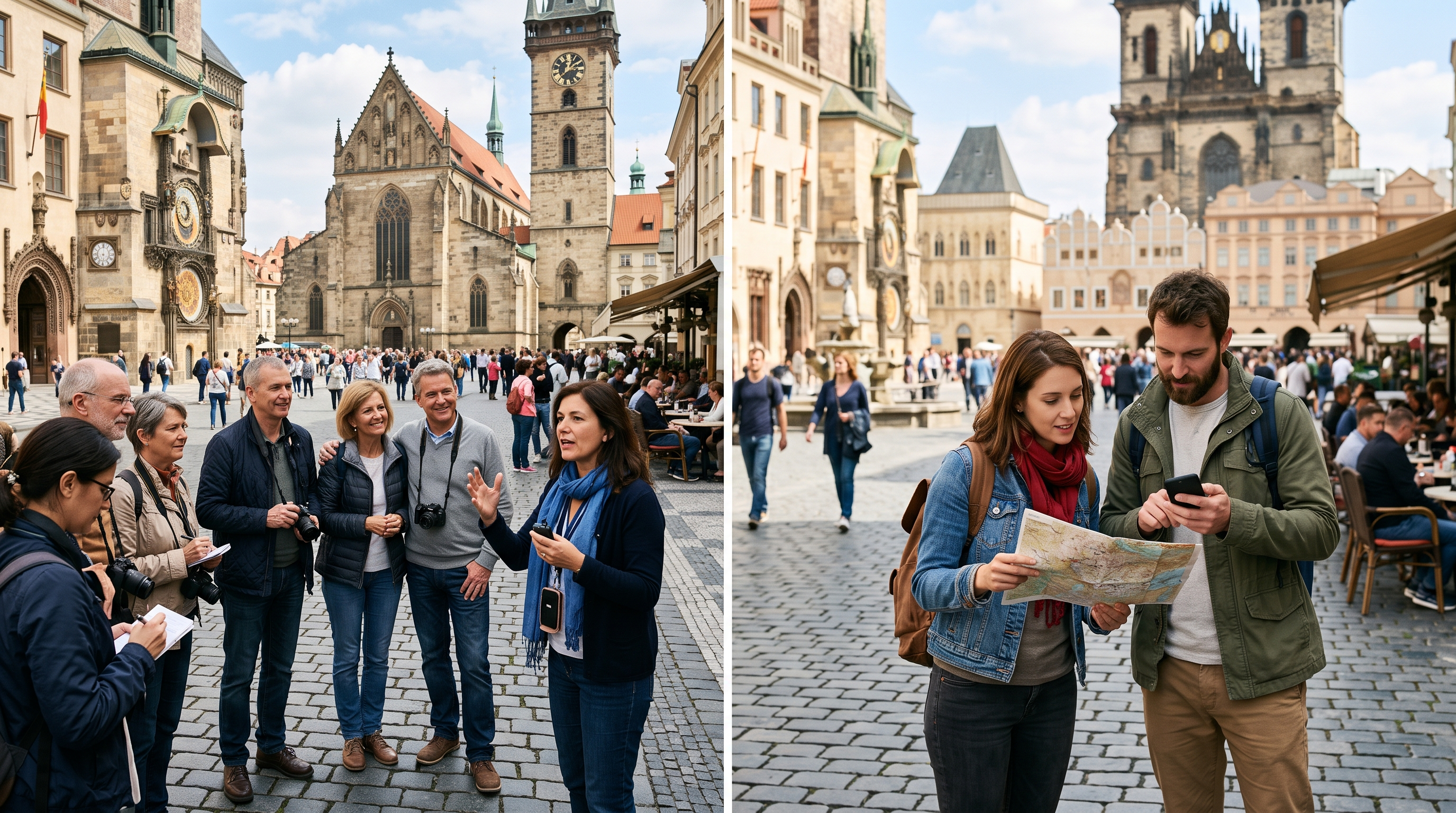
Choose guided travel when logistics are difficult, access is restricted, local interpretation is central to the experience, or you want one organization responsible for most moving parts. Choose self-guided travel when the route is simple, you enjoy research, flexibility matters and mistakes will be easy to correct. Choose a hybrid when you want to control flights and accommodation but book guides for complex days, wildlife, history, food, transport or remote locations.
Guided, Self-Guided and Independent Are Not Identical
Guided tour
A guide leads an activity, day trip or multi-day itinerary. Transportation, admission, interpretation or meals may be included.
Self-guided tour
A route, audio guide, app or operator-supplied plan provides structure, but you move through it without a guide beside you.
Independent travel
You choose and book the itinerary yourself. You can still buy day tours, transfers and tickets along the way.
Hybrid trip
You keep control of the overall trip while handing selected high-friction or high-value experiences to specialists.
That distinction matters. Booking one guided wildlife day does not turn a two-week independent vacation into a group tour. Likewise, a self-guided walking package may include accommodation and luggage transfers while leaving the daily pace to you.
Guided Tour vs Self-Guided Tour at a Glance
| Factor | Guided tour | Self-guided / independent |
|---|---|---|
| Planning workload | Lower once a suitable operator is selected | Higher; you own research, timing and reservations |
| Flexibility | Limited by group schedule and inclusions | High, subject to cancellation rules and availability |
| Context | Live interpretation and questions | Guidebooks, apps and your own research |
| Cost visibility | More bundled; compare inclusions carefully | More line items; savings depend on choices and time |
| Problem solving | Operator or guide may coordinate disruptions | You contact each supplier yourself |
| Social experience | Built-in group and shared moments | More privacy; social contact requires initiative |
| Pace | Structured, sometimes rushed or slower than preferred | You control stops, mornings and rest days |
| Access | May include restricted sites, permits or specialist transport | Depends on public access and your own bookings |
Guided Tour Pros and Cons
Where guided travel earns its price
- Complex transportation: remote trailheads, islands, border regions and multi-stop days become someone else’s coordination problem.
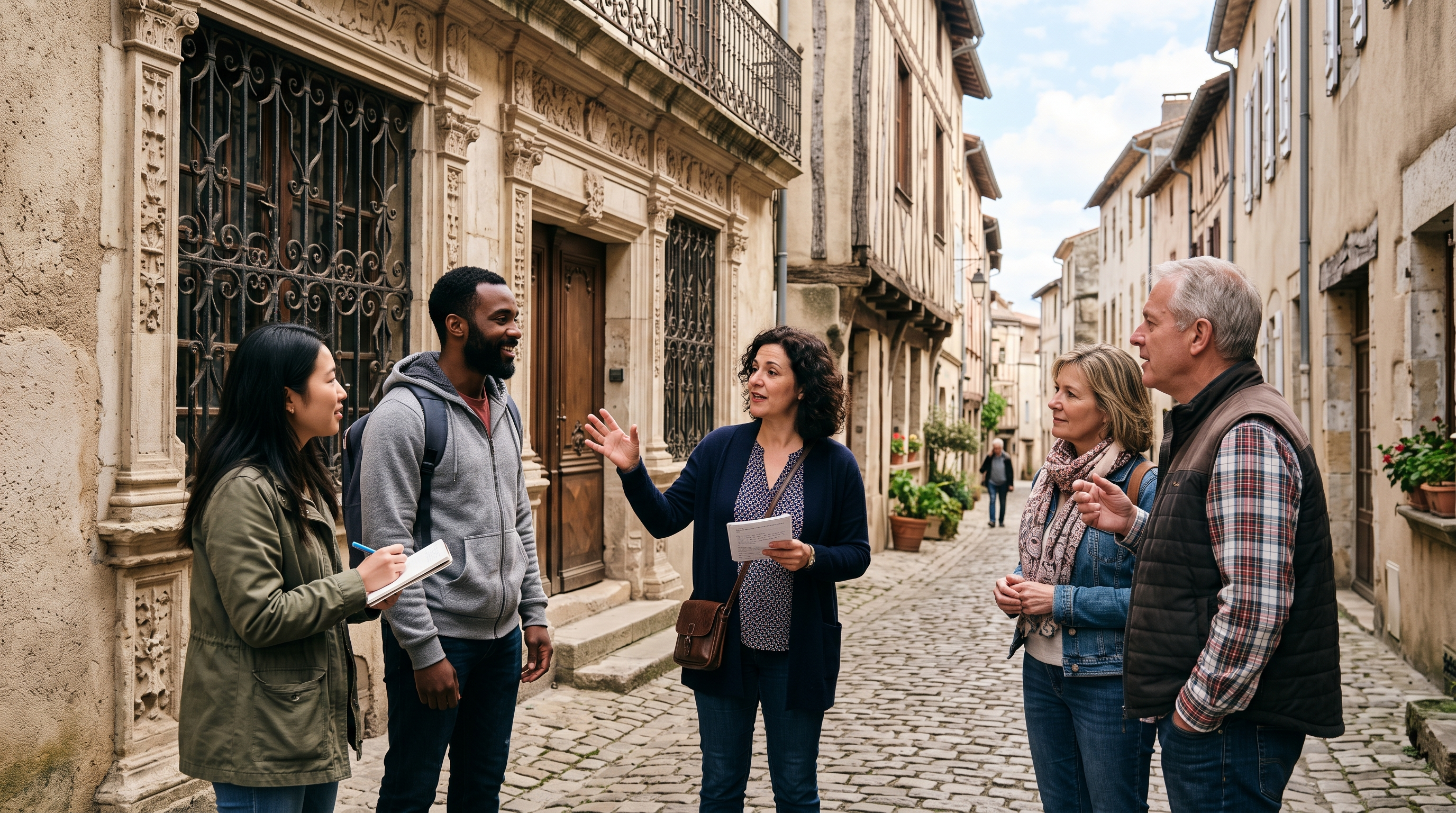
- Interpretation: a knowledgeable guide can turn ruins, wildlife and local history into an experience rather than a checklist.
- Time efficiency: a good operator knows entry procedures, realistic timing and what can be skipped.
- Support: there is a contact when transport, weather or access changes.
- Special access: some places, activities and permits require licensed operators or guides.
- Shared travel: solo travellers may value built-in company.
What you give up
- Departure times and stops belong partly to the group.
- You may pay for inclusions you would not choose separately.
- Group size and guide quality can change the experience dramatically.
- Fast itineraries can turn meaningful places into photographs between bus rides.
- “Guided” does not automatically mean reputable, insured or suitable.
Self-Guided Tour Benefits and Trade-Offs
Why travellers choose it
- You control the daily pace and can change priorities.
- You choose the accommodation, transport and meal budget.
- There is more room for unplanned discoveries and quiet time.
- You can stay longer where the trip becomes interesting.
- You are not paying for a guide on simple days that do not need one.
The hidden workload
Independent travel has a cost even when it lowers the cash price: research time, reservation management, navigation, language friction and responsibility when a supplier fails. If planning is part of the fun, that is not a disadvantage. If it keeps the trip from being booked, the “cheaper” option may not fit.
How to Compare Costs Honestly
Never compare a guided package price with only the self-guided hotel price. Build the same basket on both sides:
- Accommodation category and number of nights
- Airport and intercity transportation
- Rental vehicle, fuel, tolls and parking
- Admissions, permits and reservation fees
- Guides and activities
- Included meals and tips
- Luggage transfers
- Cancellation terms and financial protection
- Single supplements
- Your realistic planning time
A package can cost more and still be better value if it includes hard-to-book access and reliable transport. Independent travel can remain the better deal when public transport is simple and the included tour features are not important to you.
When a Guide Is the Smarter Safety Choice
A guide does not eliminate risk, but local competence matters where conditions, wildlife, altitude, water, weather or access rules require specialist judgment. Use reputable providers and confirm credentials, insurance, emergency plans and what equipment is included.
Self-guided travellers should read current destination advisories, share an itinerary and know who to contact. The Government of Canada’s Registration of Canadians Abroad is a free service that can send information during an emergency at the destination or at home.
The Five-Question Decision Test
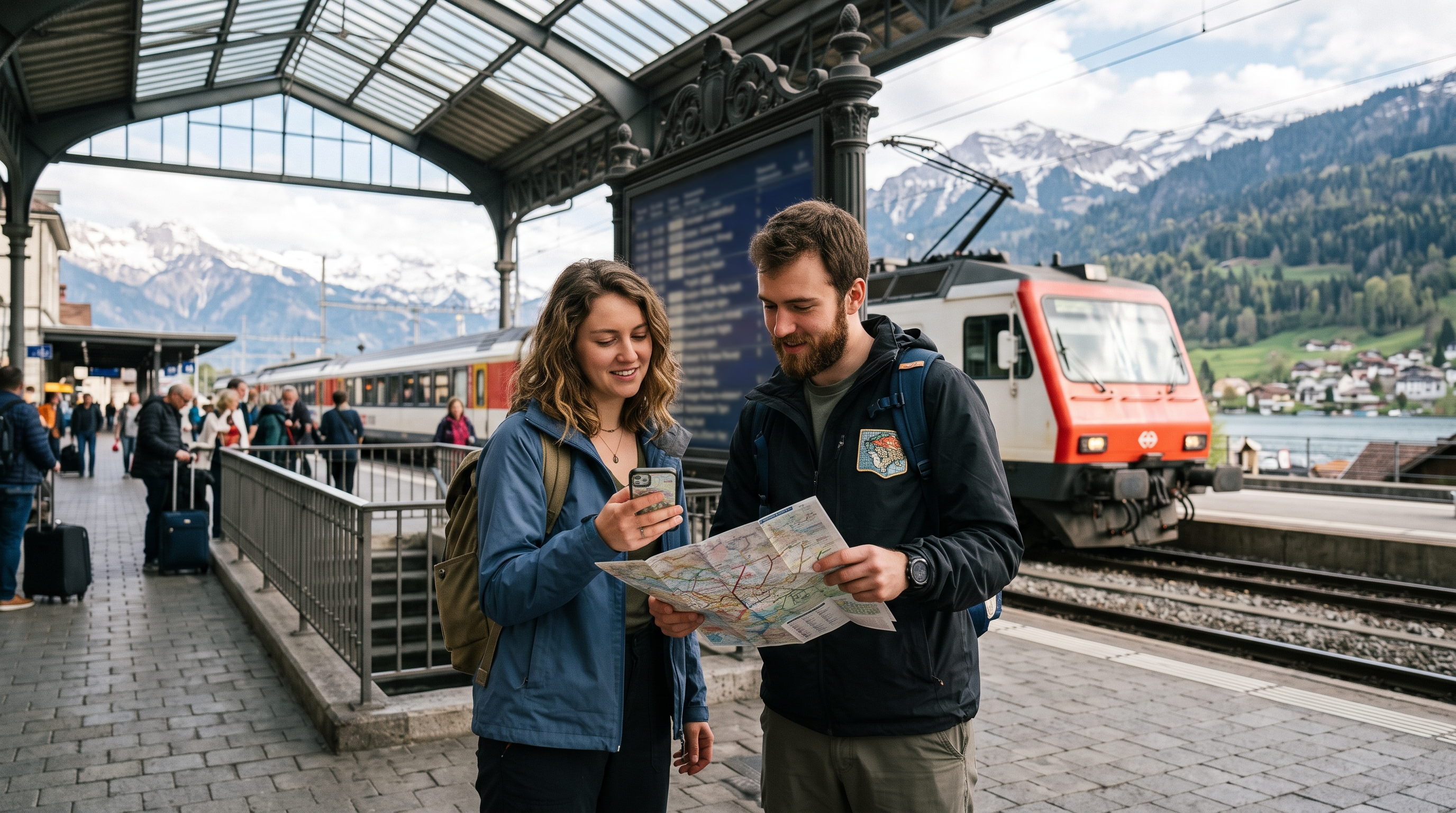
- How fragile is the route? If one missed connection breaks several bookings, coordinated travel gains value.
- How much context do you want? Sites, wildlife and culture often become richer with a strong guide.
- How much planning do you genuinely enjoy? Judge your behaviour, not your ideal self.
- What does freedom mean on this trip? It may mean changing plans—or being free from planning.
- What is the consequence of a mistake? A wrong café is minor. A missed permit, unsafe trail or closed border is not.
Why Hybrid Travel Often Wins
Many of the strongest itineraries are independent frameworks with guided anchors. Book your own flights and stays, then add a city walk on arrival, a wildlife guide, a food tour, a difficult transfer or a multi-day section where logistics deserve support.
This also keeps the guided days purposeful. You are paying for expertise where it changes the experience—not simply because the whole trip was sold as one package.
Questions to Ask Before Booking Either Style
Ask a tour operator
- Maximum and typical group size?
- Exactly what is included?
- Who operates each component?
- Required fitness and mobility?
- Cancellation and minimum-number rules?
- Emergency contact and insurance?
Ask yourself
- Are key reservations time-sensitive?
- Can I manage transport in the language?
- Do I have offline directions?
- What is my backup if one booking fails?
- Have I checked advisories and insurance?
- Would one guided day solve the hardest part?
Choose the Trip Path That Fits
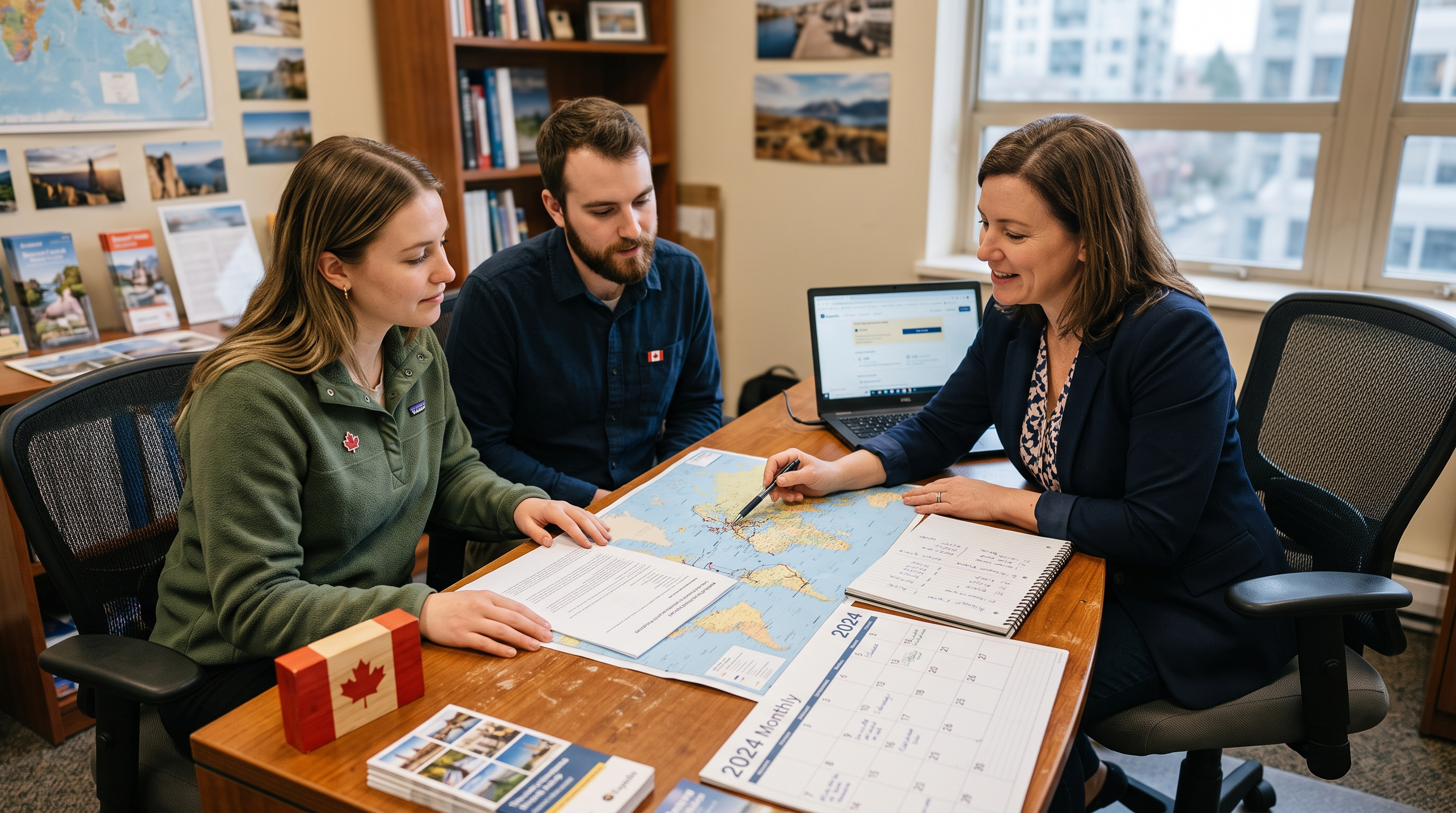
Use Earthbound’s free trip preview to see whether your route leans toward DIY booking, organized tours or real-person planning help. Then compare only the path that matches the trip you are actually trying to take.
Sources and Planning Tools
- Government of Canada: Travel Advice and Advisories
- Government of Canada: Registration of Canadians Abroad
- ABTA: Package holiday benefits and protections
- Earthbound booking tools
Frequently Asked Questions
Is a guided tour better than self-guided travel?
Neither is universally better. Guided travel fits difficult logistics, specialist interpretation and travellers who want support. Self-guided travel fits simple routes, flexible pacing and people who enjoy planning.
Are guided tours always more expensive?
No. Compare equivalent accommodation, transport, admissions, meals, guides and protection. A bundled price may be competitive, while an independent trip may be cheaper when the route is easy.
What is the biggest benefit of a self-guided tour?
Control. You can choose the pace, stops and budget, although you also accept the planning and problem-solving work.
What is a hybrid trip?
It is an independently planned trip with selected guided days, transfers or difficult sections added where expertise has the most value.
Are guided tours good for solo travellers?
They can provide company, logistics and support, but check group size, room supplements, demographics and free-time expectations.
How do I choose a reputable guide?
Verify licensing where required, operator identity, recent reviews, insurance, emergency procedures, inclusions, cancellation terms and the actual guide-to-guest ratio.
Leave a Reply