

Last Updated on August 29, 2026 by Jeremy
Landmark trips look simple when you see them on a list. Pick the place, book the flight, stand in front of the famous thing, take the photo, done.
Then real travel shows up.
Tickets sell out. Crowds bury the view. The hotel is nowhere near where you thought it was. The “short transfer” becomes a two-hour lesson in regret. And suddenly that once-in-a-lifetime landmark trip feels less like wonder and more like a logistics test with better scenery.
The best landmarks to visit in 2026 are not just the most famous ones. They are the places that are worth building a trip around when you understand the timing, access, crowds, tours, nearby stays, and practical planning that make the experience actually work.
Quick Answer: The best landmarks to visit in 2026 are the ones where the site itself is worth the journey, but the trip is still realistic to plan with the right tickets, tours, accommodations, transportation, and timing.
A famous landmark is only half the trip. The other half is not wrecking it with bad logistics.
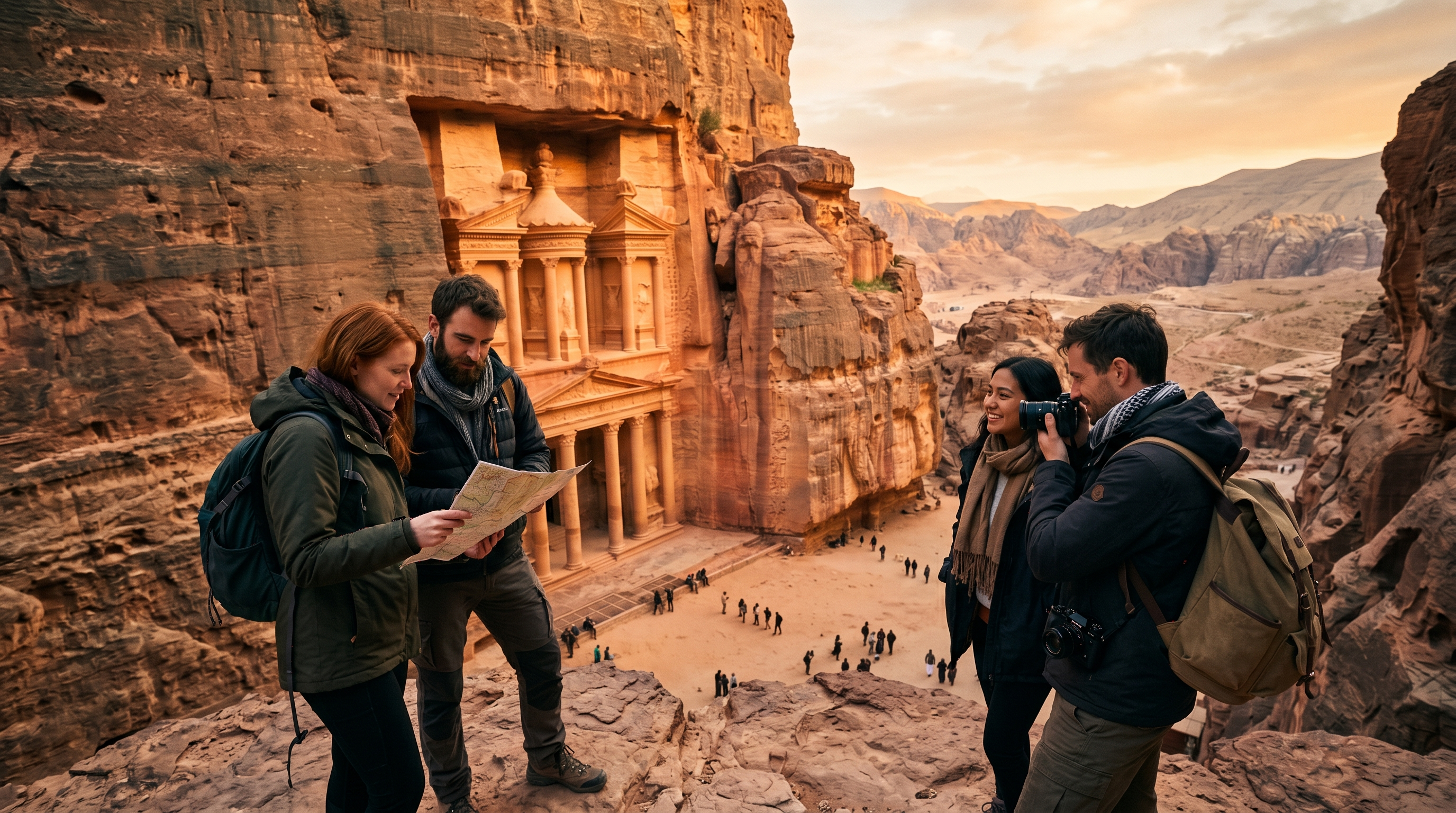
What Makes a Landmark Worth Traveling To?
A landmark should do more than look good on a postcard. The best ones create a reason to travel, stay, explore, and understand the place around them.
Some landmarks are historic anchors. Some are natural wonders. Some feel sacred, strange, emotional, or almost impossible to explain until you are standing there. Others are hidden gems that do not get the same global attention, but can become the most memorable part of a trip.
For Earthbound Tours, the question is simple: can this landmark become part of a real trip someone can plan properly?
That means looking at:
- Access: Can travelers realistically reach it without wasting half the trip?
- Timing: Does the season matter for weather, crowds, or visibility?
- Tickets or permits: Is advance booking required?
- Nearby bases: Where should travelers actually stay?
- Experience quality: Is a guided tour worth it, or is self-guided better?
- Trip value: Is the landmark worth building a larger itinerary around?
Why Most Landmark Lists Fail Travelers
Most landmark articles tell you what looks impressive. They do not tell you how to visit without making rookie mistakes.
That is the problem.
A landmark trip can fall apart because of the boring details: the wrong entrance, the wrong season, the wrong airport, the wrong hotel zone, the wrong tour length, or assuming a world-famous place can be casually visited without advance planning.
In 2026, especially with high travel demand, landmark planning needs to be more intentional. The famous places are still worth visiting, but the travelers who enjoy them most are usually the ones who plan the experience around the friction points before they arrive.
Famous Global Icons Worth Visiting in
These are the landmarks people recognize instantly. They are popular for a reason, but that popularity is exactly why planning matters.
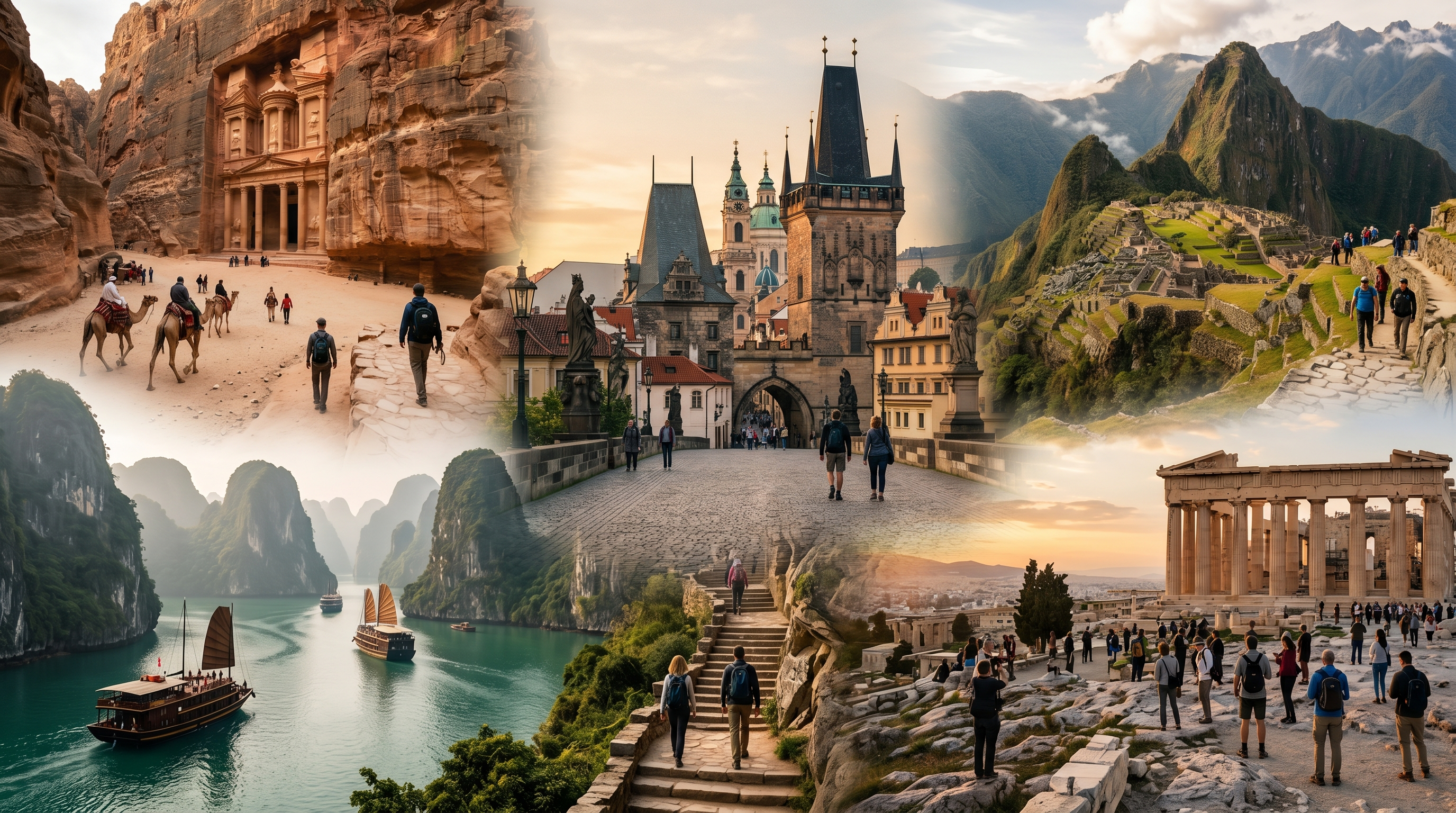
1) Machu Picchu, Peru
Why visit: Machu Picchu still delivers one of the strongest combinations of history, mountain scenery, and emotional arrival anywhere in the world.
Biggest mistake: Treating it like a casual day trip. Tickets, train routes, altitude, Cusco timing, and entry windows all matter.
How to plan it: Build the trip around Cusco or the Sacred Valley, reserve entry properly, and consider a guided experience if you want context instead of just photos.
2) Eiffel Tower, France
Why visit: The Eiffel Tower remains one of the most recognizable landmarks on earth, but the better experience usually comes from planning more than just the tower itself.
Biggest mistake: Visiting at the worst crowd times or staying in a hotel zone that makes the whole Paris trip harder than necessary.
How to plan it: Compare timed tickets, consider evening views, and build the day around nearby neighborhoods, the Seine, and walkable sightseeing.
3) The Colosseum, Italy
Why visit: Rome’s Colosseum is not just a landmark. It is a doorway into the entire historic core of the city.
Biggest mistake: Showing up without a ticket strategy, especially in peak season.
How to plan it: Pair the Colosseum with the Roman Forum and Palatine Hill, and strongly consider a guided visit if ancient Rome is part of the reason you are going.
4) Great Wall of China
Why visit: The Great Wall is one of those places where scale hits differently in person. Photos rarely capture the full effect of the wall cutting across mountains.
Biggest mistake: Choosing the wrong section for your travel style. Some areas are heavily restored and crowded, while others are more rugged.
How to plan it: Decide whether you want convenience, hiking, photography, or a less crowded experience before choosing your section.
5) Petra, Jordan
Why visit: Petra feels like a place revealed slowly. The walk through the Siq before reaching the Treasury is part of the magic.
Biggest mistake: Treating Petra as a quick stop. The site is large, physical, hot in the wrong season, and better with time.
How to plan it: Stay nearby, start early, bring water, and consider more than one day if you want to explore beyond the most famous viewpoint.
Natural Wonders That Justify the Flight
Natural landmarks hit differently because they are not built for travelers. They existed before the hotels, the overlooks, the trails, and the tour buses.
That makes timing, weather, access, and realistic expectations even more important.
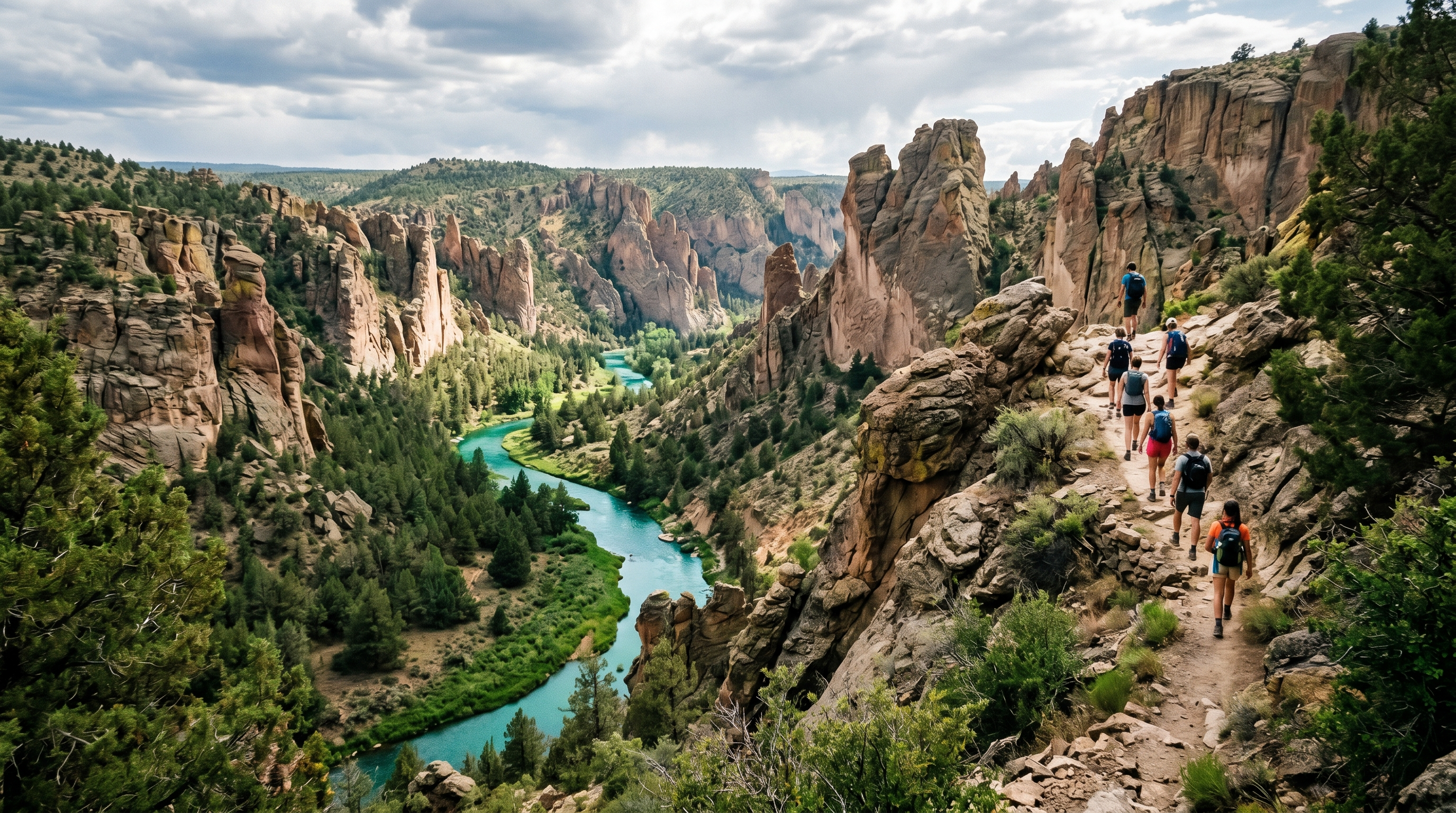
1) Grand Canyon, United States
Why visit: The Grand Canyon is one of the few places that still manages to exceed the hype, especially if you give it more than a quick roadside glance.
Biggest mistake: Underestimating distance, heat, shuttle logistics, or how crowded the most popular viewpoints can become.
How to plan it: Choose your rim carefully, start early, and decide whether you want scenic viewpoints, hiking, photography, or a guided day experience.
2) Iguazu Falls, Argentina and Brazil
Why visit: Iguazu is not one waterfall. It is a massive system of falls that feels alive, loud, humid, and overwhelming in the best way.
Biggest mistake: Assuming one side tells the whole story. The Argentina and Brazil sides offer different perspectives.
How to plan it: Build enough time for both sides if possible, and check border logistics before you go.
3) Torres del Paine, Chile
Why visit: Torres del Paine is raw Patagonia: towers, glaciers, lakes, wind, wildlife, and scenery that makes regular landscape photos feel lazy.
Biggest mistake: Treating it like an easy add-on. Weather, transport, lodging, and trekking permits require planning.
How to plan it: Decide whether you want day hikes, guided treks, or lodge-based exploring before booking flights and stays.
4) Northern Lights Destinations
Why visit: The northern lights remain one of the most memorable natural experiences travelers can chase, but they are never guaranteed.
Biggest mistake: Booking too short a trip and expecting the sky to perform on command. Nature does not care about your itinerary. Rude, but consistent.
How to plan it: Choose locations with strong viewing odds, stay multiple nights, and build daytime activities into the trip so it still works if the lights are shy.
5) Banff & Lake Louise, Canada
Why visit: Banff and Lake Louise deliver one of the strongest mountain landmark experiences in North America, especially for travelers who want lakes, peaks, wildlife, and scenic drives in one region.
Biggest mistake: Arriving in peak season without parking, shuttle, or accommodation strategy.
How to plan it: Book early, use shuttles where needed, and avoid building the entire trip around one overcrowded photo stop.
Sacred & Strange Places Travelers Never Forget
Some landmarks stay with people because of history. Others because of landscape. And then there are places travelers describe as having an energy they cannot quite explain.
You do not need to believe every mystical claim to understand why these places matter. Sacred landmarks often combine culture, geology, history, belief, ceremony, and silence in ways that feel different from standard sightseeing.
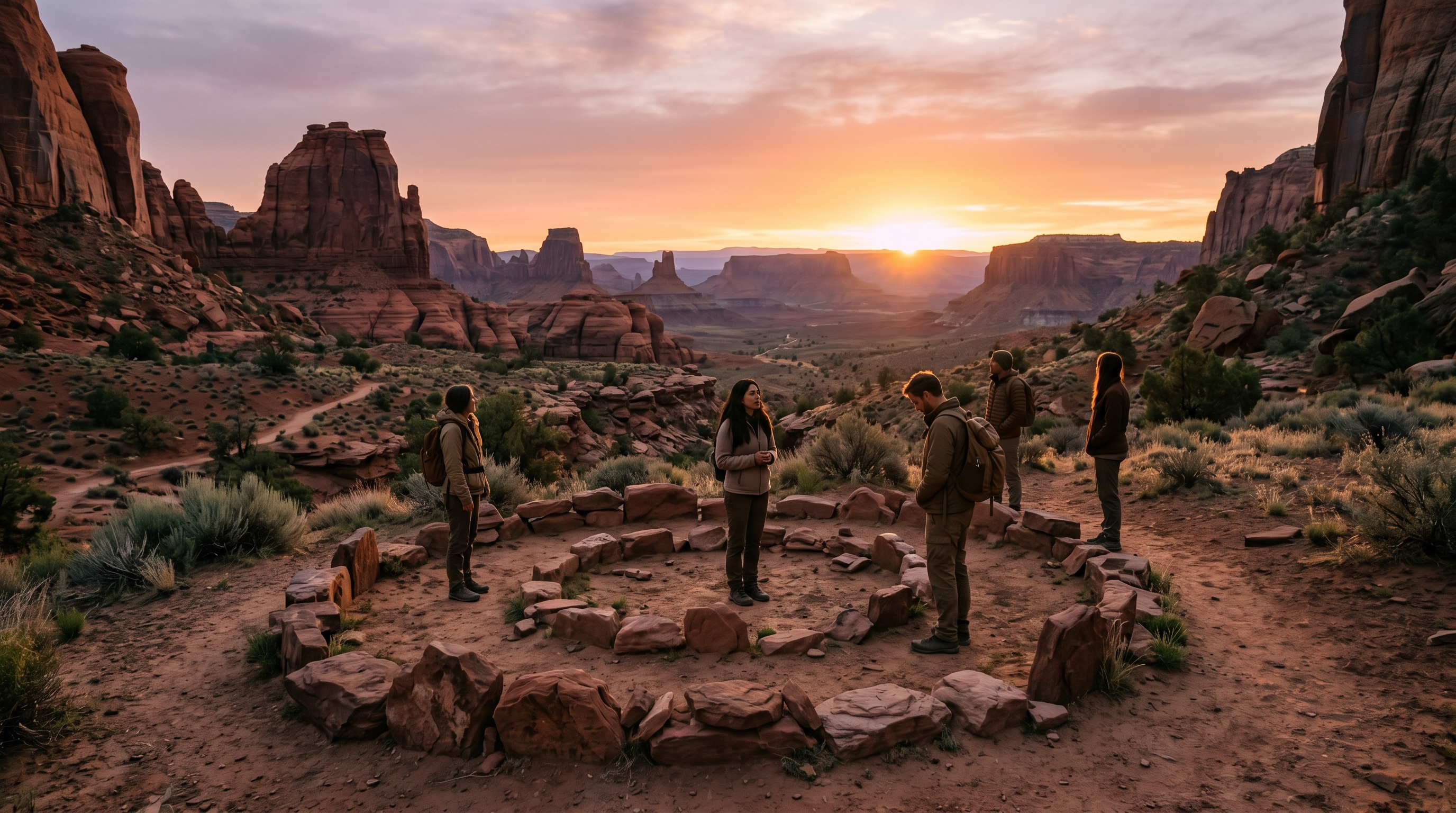
1) Sedona, United States
Why visit: Sedona blends red rock scenery with spiritual travel, hiking, wellness, photography, and the famous vortex-site conversation.
Biggest mistake: Treating Sedona as only a quick photo stop. The better experience comes from trails, sunrise or sunset timing, and choosing the right base.
How to plan it: Stay long enough to explore multiple areas, prepare for parking pressure, and choose hikes or guided experiences that match your ability.
2) Stonehenge, England
Why visit: Stonehenge remains one of the world’s most famous prehistoric landmarks because the questions around it are almost as powerful as the stones themselves.
Biggest mistake: Expecting a huge full-day experience if you only visit the stones. The site is better when paired with nearby history and countryside travel.
How to plan it: Consider a guided day trip or combine it with Bath, Salisbury, or other historic stops.
3) Uluru, Australia
Why visit: Uluru is one of the most important cultural and natural landmarks in Australia, and it deserves more than a quick photo approach.
Biggest mistake: Ignoring the cultural significance of the site or rushing the visit.
How to plan it: Respect local guidance, allow time for sunrise or sunset, and approach the visit as cultural travel, not just landscape tourism.
4) Mount Shasta, United States
Why visit: Mount Shasta attracts hikers, nature travelers, spiritual seekers, road-trippers, and people drawn to places that feel larger than the map suggests.
Biggest mistake: Underestimating mountain weather and seasonal access.
How to plan it: Match the visit to your goals: scenic drives, hikes, photography, or a slower retreat-style trip.
5) Easter Island, Chile
Why visit: Easter Island’s moai statues make it one of the most remote and culturally fascinating landmark trips in the world.
Biggest mistake: Treating the island like a simple side trip. Flights, permits, local rules, and cultural respect matter.
How to plan it: Build the trip carefully, allow multiple days, and use guided context so the visit becomes more than “statues in photos.”
Hidden Gems Most Tourists Miss
Hidden gems are tricky because the internet has a talent for ruining the word “hidden.” Still, some landmarks remain less obvious than the global icons while offering trips that feel just as memorable.
1) Meteora, Greece
Why visit: Meteora’s monasteries rise from massive rock pillars in a way that feels almost unreal, yet deeply grounded in place and history.
Biggest mistake: Visiting too quickly or treating it as a simple photo stop.
How to plan it: Stay nearby if possible, time your visits around light and crowds, and respect monastery dress codes and rules.
2) Cappadocia, Turkey
Why visit: Cappadocia combines cave hotels, fairy chimneys, balloon flights, underground cities, and desert-like valleys into one of the most distinctive landscapes in travel.
Biggest mistake: Assuming the balloon ride is guaranteed. Weather cancellations happen.
How to plan it: Stay multiple nights if ballooning matters, and build in hikes, viewpoints, and local tours so the trip still works if the balloons do not fly.
3) Rio Celeste, Costa Rica
Why visit: Rio Celeste is one of Costa Rica’s most striking natural landmarks, with water so blue it almost looks edited before you even take the photo.
Biggest mistake: Rushing the region or only treating it as a waterfall stop. The surrounding Tenorio area has wildlife, rainforest, local stays, and a slower Costa Rica feel that is easy to miss.
How to plan it: Base nearby if you want a less rushed day, watch trail conditions, and combine the area with other northern Costa Rica nature experiences.
4) Zhangjiajie, China
Why visit: Zhangjiajie’s pillar-like mountains look like they belong in another world, which is exactly why it has become such a powerful visual landmark.
Biggest mistake: Underestimating the size of the park and the logistics of getting between viewpoints.
How to plan it: Give yourself enough time, choose a good base, and expect weather and visibility to affect the experience.
5) Socotra, Yemen
Why visit: Socotra is one of the strangest natural landscapes on earth, known for dragon blood trees, remote beaches, and unusual ecosystems.
Biggest mistake: Ignoring travel complexity. This is not a casual destination and requires serious planning.
How to plan it: Research current access, safety, permits, and reputable local support before considering it.
How To Actually Plan a Landmark Trip
This is the part most landmark lists skip, which is also the part that decides whether your trip feels smooth or mildly cursed.
Start with the landmark, but do not end there. Build the trip around the full experience: flights, where to stay, ticket access, tours, transfers, weather, internet, and how much time you actually need.

Step 1: Choose the Right Base
The nearest hotel is not always the best hotel. Sometimes the better base is a nearby town, a transit-friendly city zone, or a place that lets you access more than one landmark without constantly moving luggage.
Step 2: Check Ticket and Permit Rules Early
Some landmarks require timed entry, advance reservations, park passes, permits, or guided access. Do not assume you can casually show up in peak season and figure it out at the gate.
Step 3: Decide Whether a Guided Tour Is Worth It
Guided tours are not always necessary. But for places like Machu Picchu, Petra, the Colosseum, Stonehenge, or sacred cultural sites, a good guide can turn the visit from “nice rocks” into actual understanding.
Step 4: Plan Transportation Before Arrival
Airport transfers, train routes, rental cars, shuttles, and local taxis can all change the real cost of the trip. Transportation friction is one of the fastest ways to ruin an otherwise incredible landmark visit.
Step 5: Build Around the Season
Weather, heat, crowds, trail access, visibility, sea-level conditions, and daylight hours can dramatically change the experience. A landmark that is magical in one season can be exhausting in another.
Build the landmark trip before you book the photo moment.
Use Earthbound’s booking tools to compare flights, stays, landmark tickets, tours, airport transfers, travel data, and trip support before locking yourself into a plan that looks good online but falls apart on the ground.
Landmark Planning Checklist
- Choose the landmark based on the kind of trip you want, not just the photo.
- Check season, weather, crowds, and local holidays.
- Confirm ticket, permit, or timed-entry rules early.
- Pick a base that makes the whole itinerary easier.
- Compare guided tours vs self-guided visits.
- Plan airport transfers or local transportation before arrival.
- Leave buffer time for crowds, weather, and delays.
- Do not overpack the itinerary just because everything looks close on a map.
Final Take: The Best Landmarks Are Worth More Than a Photo
The best landmarks to visit in 2026 are not just famous places to check off a list. They are trip anchors.
Machu Picchu, Petra, Sedona, Rio Celeste, Meteora, Banff, the Grand Canyon, and the rest of these places all work best when they are planned with enough time, context, and practical sense to actually enjoy them.
A great landmark trip should leave you with more than proof you stood there. It should give you a story, a setting, and a reason the journey felt worth it.
And yes, ideally without discovering your hotel is two hours away after landing. That little travel surprise can stay in the trash where it belongs.
FAQ: Best Landmarks To Visit in
What are the best landmarks to visit?
Some of the best landmarks to visit in 2026 include Machu Picchu, Petra, the Colosseum, the Grand Canyon, Iguazu Falls, Sedona, Stonehenge, Meteora, Rio Celeste, and Banff & Lake Louise.
Should I book landmark tickets in advance?
Yes, for major landmarks with timed entry, limited access, or high visitor demand. Places like Machu Picchu, the Colosseum, and popular guided sites are usually better planned ahead.
Are guided tours worth it for famous landmarks?
Guided tours are worth it when the landmark has deep historical, cultural, or logistical complexity. They are especially useful for places like Petra, Stonehenge, Machu Picchu, and the Colosseum.
How do I avoid crowds at major landmarks?
Visit early, travel in shoulder seasons, avoid major holidays, use timed-entry options where available, and consider less crowded viewpoints or sections of large sites.
What should I consider before booking a landmark trip?
Consider season, ticket rules, hotel location, transportation, weather, crowd levels, local holidays, and whether the landmark is best experienced with a guide.
Are hidden landmarks better than famous landmarks?
Not always. Famous landmarks are famous for a reason, but hidden gems can offer more breathing room, stronger personal connection, and less crowded experiences.
What is the best way to plan a multi-landmark trip?
Choose a realistic base, avoid overloading the itinerary, group landmarks by region, and build in travel buffers so the trip does not become rushed.
Are sacred landmarks okay to visit as tourists?
Yes, when visited respectfully. Travelers should follow local guidance, respect cultural rules, avoid disruptive behavior, and approach sacred places as more than photo stops.


Leave a Reply