
Last Updated on August 29, 2026 by Jeremy
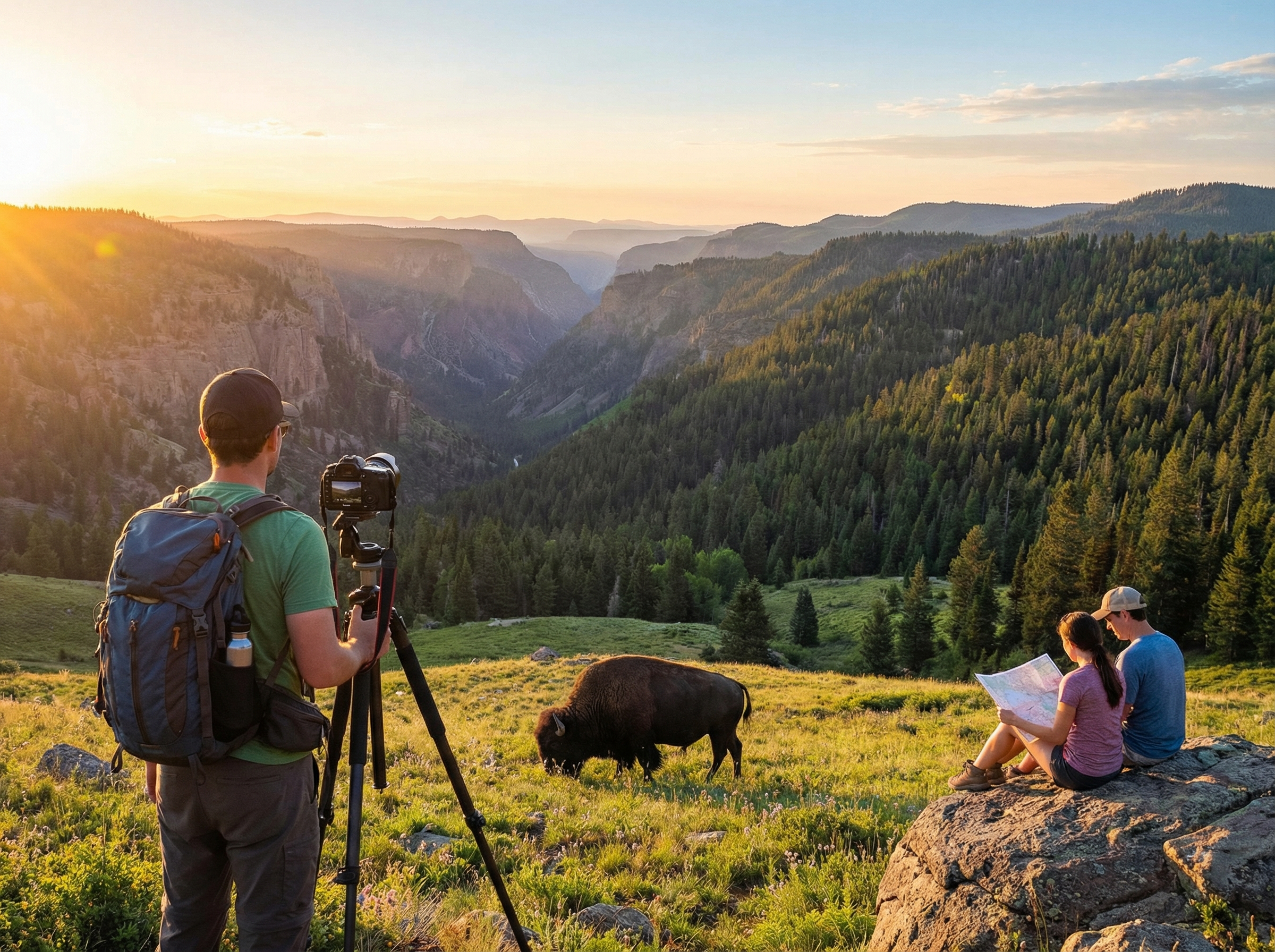
There’s a specific kind of disappointment that only happens in a national park.
You do the flight, the drive, the early wake-up… and then you realize your timing is off. The animals are hiding. The viewpoint is fogged out. The “easy trail” is closed. The parking lot looks like a shopping mall on Boxing Day.
2026 is a strong year to plan parks properly, but only if you treat them like living ecosystems with real rules — not postcard backdrops. This guide is built to help you pick the right parks for wildlife, views, and photography, then plan the timing and booking layers so the trip actually delivers.
Quick Answer: If you want the strongest national park trips in 2026, build your plan around season timing and a clear goal. For wildlife, prioritize Serengeti, Kruger, Corcovado, Yellowstone, and Ranthambore. For scenery, Torres del Paine, Banff, Fiordland, Zhangjiajie, and Zion deliver. For photography, aim for Yosemite, Patagonia, Iceland Highlands, Jasper, and Namib-Naukluft.
The sections below help you choose based on what you actually want to experience — then show how to book it cleanly without wasting the trip.
This guide includes booking links to trusted travel partners for tours, stays, and transportation. If you book through these tools, Earthbound may earn a commission at no extra cost to you. Reservations are completed directly with the provider.
The Traveler Problem
Most national park trips don’t fail because the park wasn’t good. They fail because the plan was built like a generic itinerary.
Parks aren’t cities. You can’t “just show up” and expect the highlights to cooperate. Wildlife has timing windows. Visibility changes by season. Trails and roads close. Some parks become permit-based in peak months. Others stay open but get so crowded the experience turns into a queue with a view.
The fix is simple, but most people skip it: decide your priority first, then plan the season, then book around access.
Wildlife timingCrowd strategyVisibility windowsPermit realitiesBase town choiceTour vs DIY
Why Most “Best National Parks” Lists Don’t Help
The internet loves lists because lists are easy to publish. But most park lists avoid the details that decide your trip:
- Where you should base. A park can be incredible and still be a nightmare if you stay too far away.
- What the season does to the experience. “Summer is best” is usually a lazy answer. Shoulder season often wins.
- How to actually see wildlife. Without a guide or the right timing, people leave saying “we didn’t see much.”
- What to book early. Some parks require pre-booking for stays, entry windows, or key experiences.
This guide is built around execution: what works in 2026, where to go, and how to book the trip in the right order.
What Works in
National park travel in 2026 rewards travelers who plan like this:
1) Pick a primary goal
Wildlife, views, photography, hiking, solitude — choose the main win you want. Parks can do multiple things, but your plan should prioritize one.
2) Plan around timing, not hype
Migration windows, dry seasons, snow seasons, and visibility periods matter more than what’s trending.
3) Choose a base that supports early access
Sunrise and early morning are when parks feel alive. If your base makes you arrive late, you lose the best hours every day.
4) Book in the right order
Lock stays first (your base), then tours (your structure), then transport (your access). That order prevents chaos.
Section 1: Best National Parks for Wildlife Viewing in
Wildlife trips are where bad timing hurts the most. The park can be perfect and still feel empty if you show up outside the movement window or only travel mid-day.
These parks consistently deliver for wildlife-focused travelers because they combine protected habitat, known animal populations, and workable access.
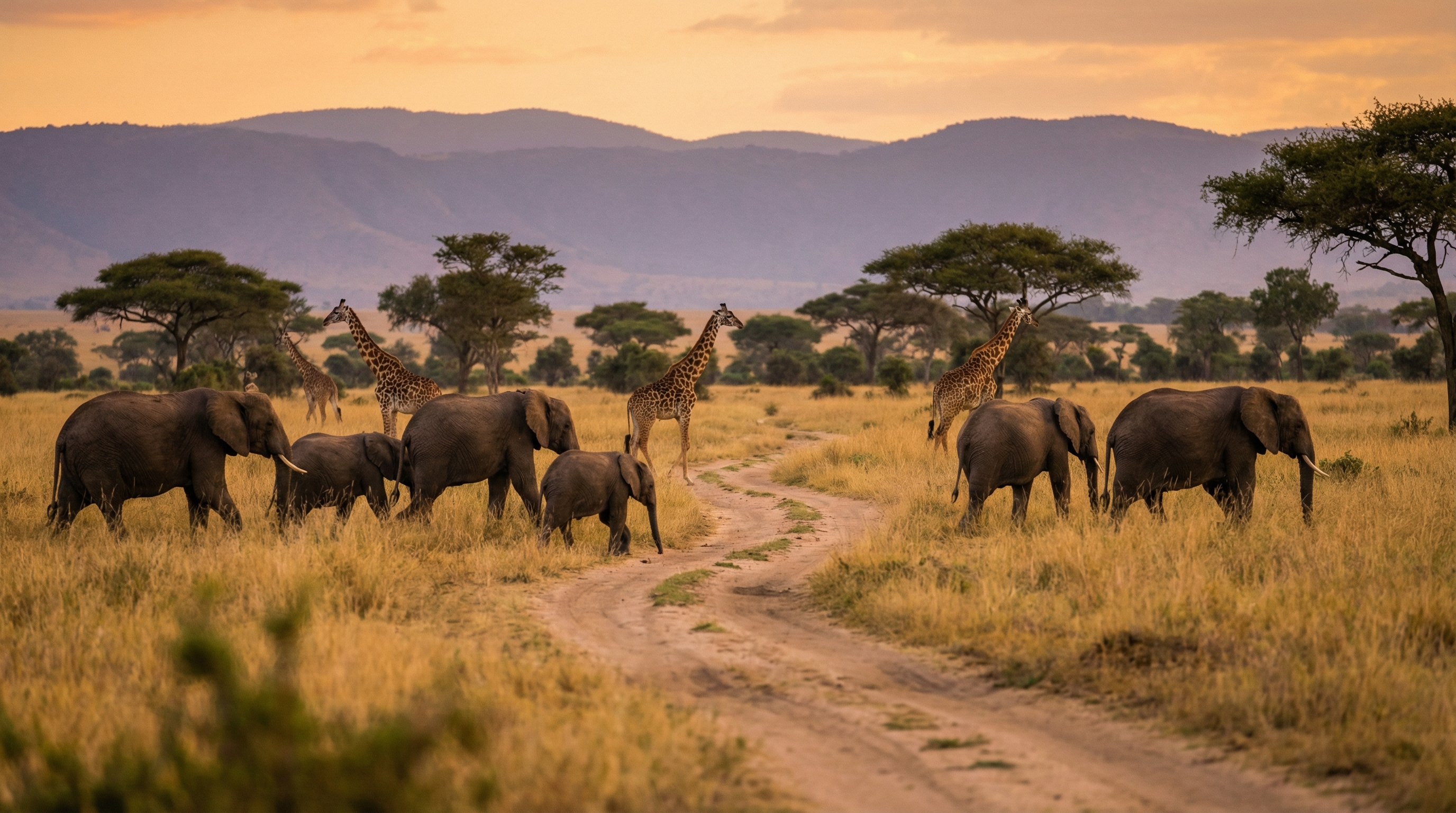
Serengeti National Park (Tanzania)
Why it works: The Serengeti isn’t just “good for wildlife.” It’s an ecosystem built around movement. The Great Migration creates a natural rhythm of predator and prey activity.
- Best timing: Generally July–October for river crossing energy. Calving season windows can also be powerful depending on route choice.
- What to book early: Safari segments, park-adjacent stays, and internal transport if you’re covering multiple zones.
- Execution tip: Plan two early mornings. The “best sighting day” almost always happens before breakfast.
Kruger National Park (South Africa)
Why it works: Kruger is one of the most reliable big game systems on the planet, with strong infrastructure compared to more remote safari parks.
- Best timing: Dry season tends to improve visibility and concentrates wildlife near water sources.
- Execution tip: If you’re new to safari planning, Kruger is one of the easiest parks to structure without getting overwhelmed.
Corcovado National Park (Costa Rica)
Why it works: Corcovado sits inside one of the most biodiverse regions in Central America. You’re not chasing one animal — you’re stepping into density.
- Best timing: Drier months often simplify trail access, but shoulder windows can be quieter and still excellent.
- Execution tip: Guided access changes the entire experience. This is a “go with a guide” park if wildlife is your priority.
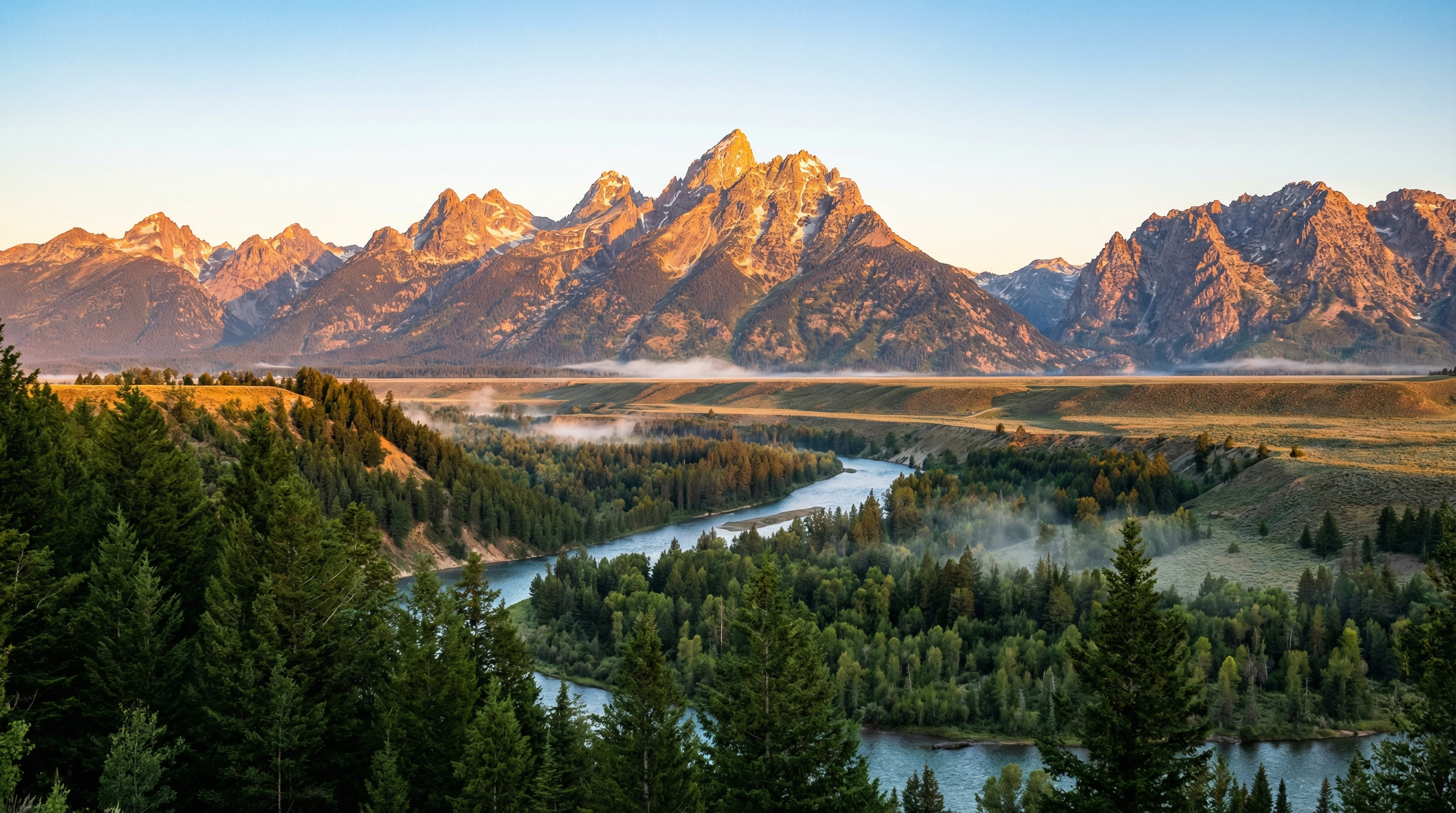
Yellowstone National Park (USA)
Why it works: Yellowstone is one of the most complete wildlife-viewing systems in North America, with iconic species and predictable movement patterns around certain corridors.
- Best timing: Shoulder seasons often reduce crowds while maintaining strong sightings.
- Execution tip: Choose your base to support early access. If you start late, you’re competing with traffic more than animals.
Ranthambore National Park (India)
Why it works: Ranthambore is one of the most well-known parks for tiger-focused viewing, with a strong reputation for sightings in the right window.
- Best timing: Dry-season style windows often improve visibility and movement predictability.
- Execution tip: Don’t assume one safari drive guarantees results. Structure multiple drives for better odds.
Section 2: National Parks With Stunning Views in
Some parks don’t need wildlife to feel alive. They deliver pure scale — the kind of landscapes that make you quiet without trying.
This section is for travelers who want the “how is this real?” moments: glaciers, fjords, peaks, and dramatic terrain that changes the way you think about distance.
Torres del Paine National Park (Chile)
Why it works: Patagonia’s contrast is the magic — blue ice, jagged granite, wind, and light that changes every ten minutes.
- Best timing: Shoulder season can reduce crowd pressure and still deliver strong weather windows.
- Execution tip: If you want iconic viewpoints without burning your legs into the ground, structure a mix of short hikes and one big day.
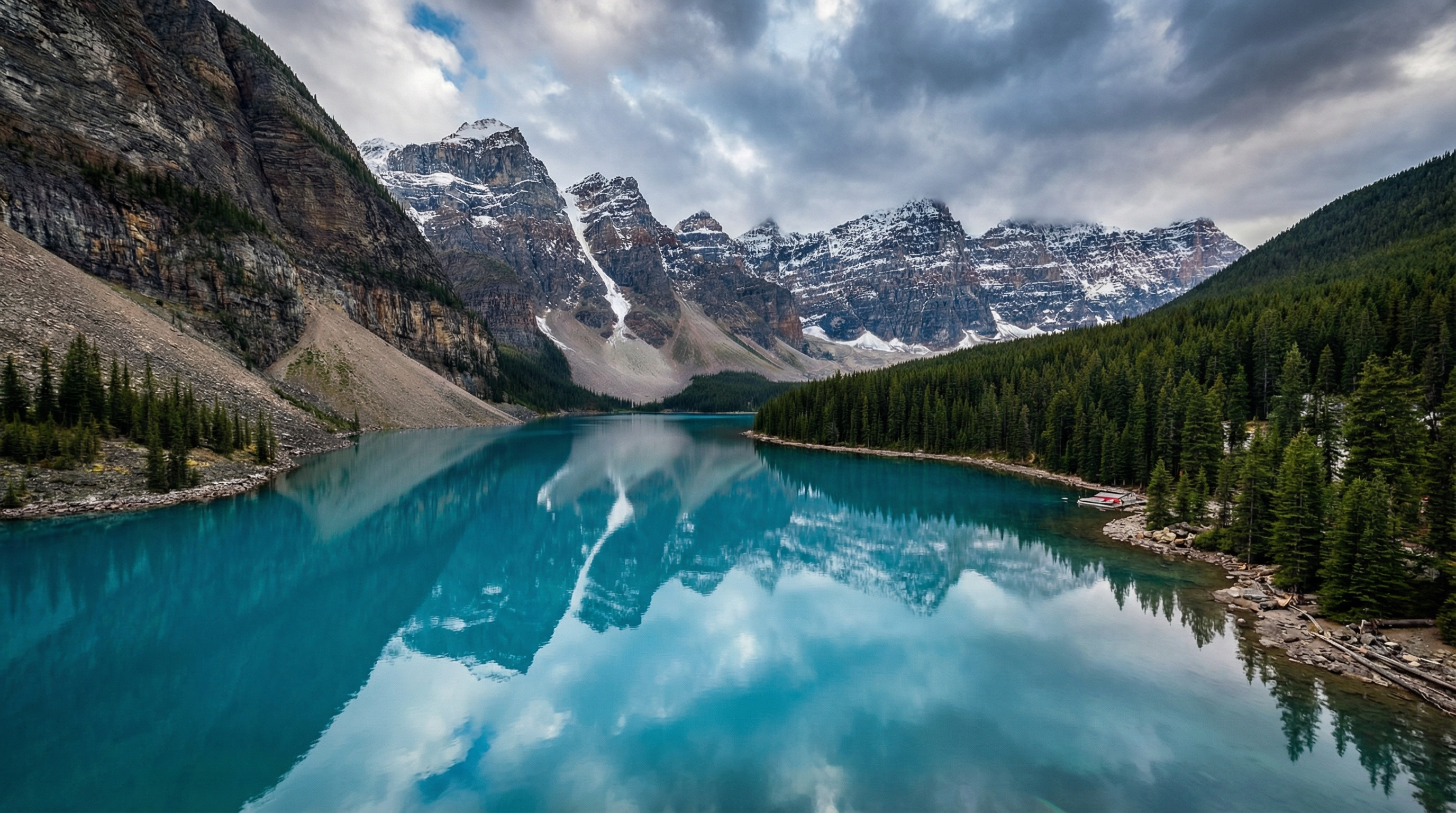
Banff National Park (Canada)
Why it works: Banff is accessible without being watered down. It’s one of the best examples of “easy access to unreal scenery.”
- Best timing: Late spring and early fall often balance access with fewer crowds.
- Execution tip: Early mornings matter here. The lakes don’t look the same once the day fills up.
Fiordland National Park (New Zealand)
Why it works: Fjords are dramatic by default, and Fiordland’s weather adds mood that feels cinematic.
- Best timing: Shoulder periods can still be wet, but that’s part of the charm — waterfalls and mist create the atmosphere.
- Execution tip: Plan at least one water-based segment. Fiords are meant to be experienced from the water.
Zhangjiajie National Forest Park (China)
Why it works: This is one of the most distinct landscapes on earth — vertical stone pillars, mist, and layered viewing platforms.
- Best timing: Aim for windows that reduce haze and support clearer visibility.
- Execution tip: Structure the day around off-peak arrival times. The difference in experience is massive.
Zion National Park (USA)
Why it works: Zion is compact, dramatic, and packed with trails that deliver huge payoff fast.
- Best timing: Shoulder seasons often feel more breathable than peak summer heat and crowds.
- Execution tip: Book or plan shuttle logistics early if your timing overlaps peak access periods.
Section 3: Best National Parks for Photography in
Photography parks aren’t just about “pretty.” They’re about light behavior, weather patterns, access to viewpoints, and whether you can be in the right place before everyone else arrives.
If your trip is built around cameras, these parks reward planning.
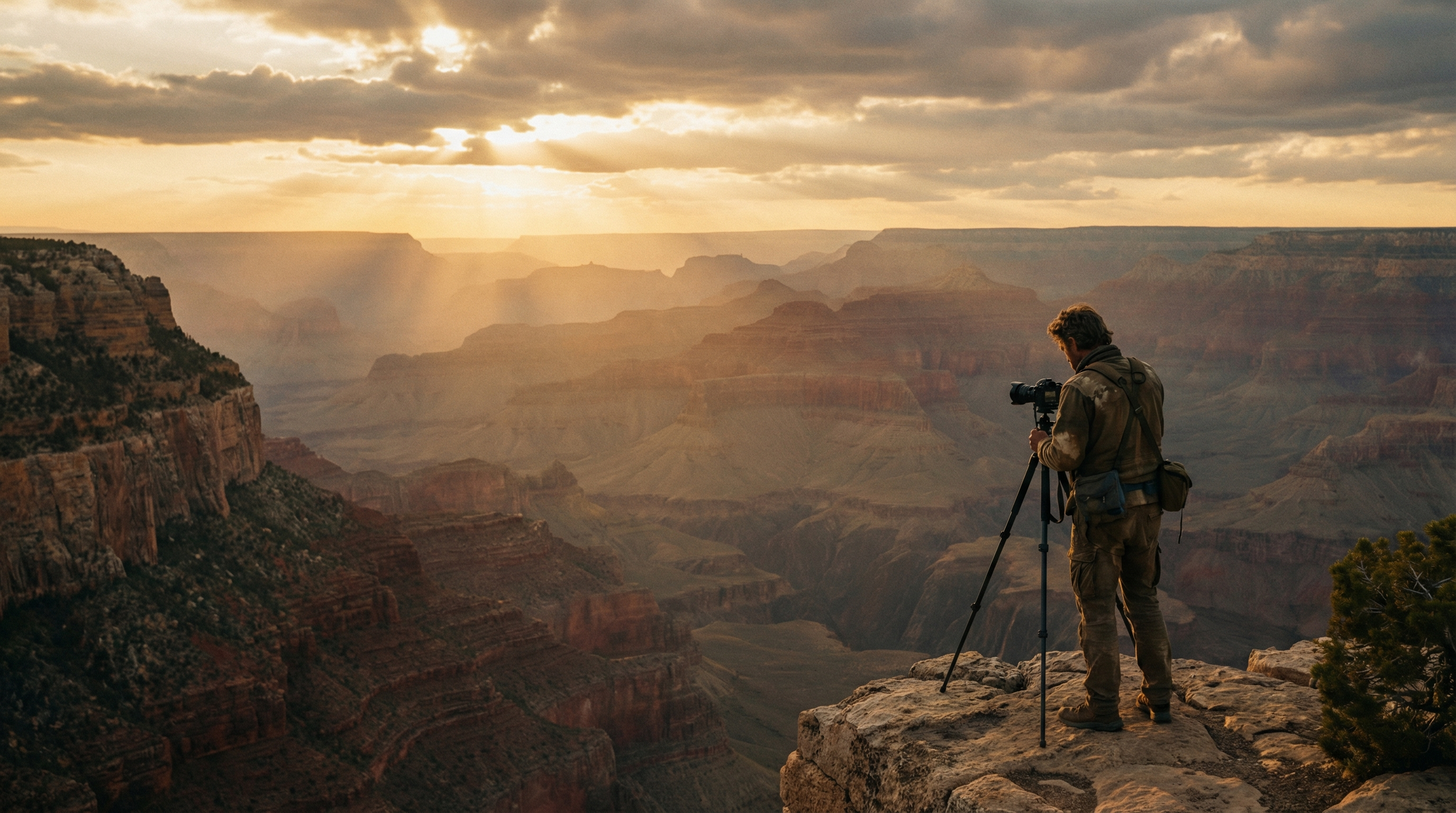
Yosemite National Park (USA)
Why it works: Granite walls, waterfalls, and iconic valley framing create natural composition without needing exotic gear.
- Execution tip: You don’t need to chase ten spots. Choose two sunrise locations and one sunset location and build your days around them.
Patagonia (Chile/Argentina)
Why it works: Wind, clouds, and dramatic contrast create a constant “moving studio.” Your job is patience.
- Execution tip: Build buffer days. Patagonia punishes rigid schedules and rewards flexibility.
Iceland Highlands (Iceland)
Why it works: Stark terrain, surreal colors, and light that can feel endless in the right season.
- Execution tip: If you’re going remote, plan transport like it matters — because it does.
Jasper National Park (Canada)
Why it works: Dark sky opportunities plus mountain scenery creates a rare “day + night” photography lane.
- Execution tip: If astrophotography is part of your goal, plan around moon phases and clear night probabilities.
Namib-Naukluft National Park (Namibia)
Why it works: Minimalism. Dunes. Shadows. Clean lines. It’s one of the strongest places on earth for shape-based photography.
- Execution tip: Sunrise and sunset are non-negotiable. Mid-day is for rest and repositioning.
When to Visit in: Timing and Crowd Strategy
“Best time to visit” depends on what you want. The better question is: what conditions create the experience you’re chasing?
Spring
Strong for shoulder-season pricing and fewer crowds. Great for waterfalls, early wildlife movement, and cooler hiking conditions in many regions.
Summer
Peak access, peak crowds. If you travel summer, plan early mornings, book stays early, and choose parks where the season is the point (alpine and high-latitude parks).
Fall
Often the sweet spot. Better light, fewer crowds, and more breathable day-to-day travel. Great for photography parks and multi-region trips.
Winter
Not for every park, but powerful for those built around winter landscapes. Also one of the best ways to experience iconic parks without peak crowds.
If you only take one planning rule from this guide: aim for shoulder season first, then build your experience around early access and a strong base location.
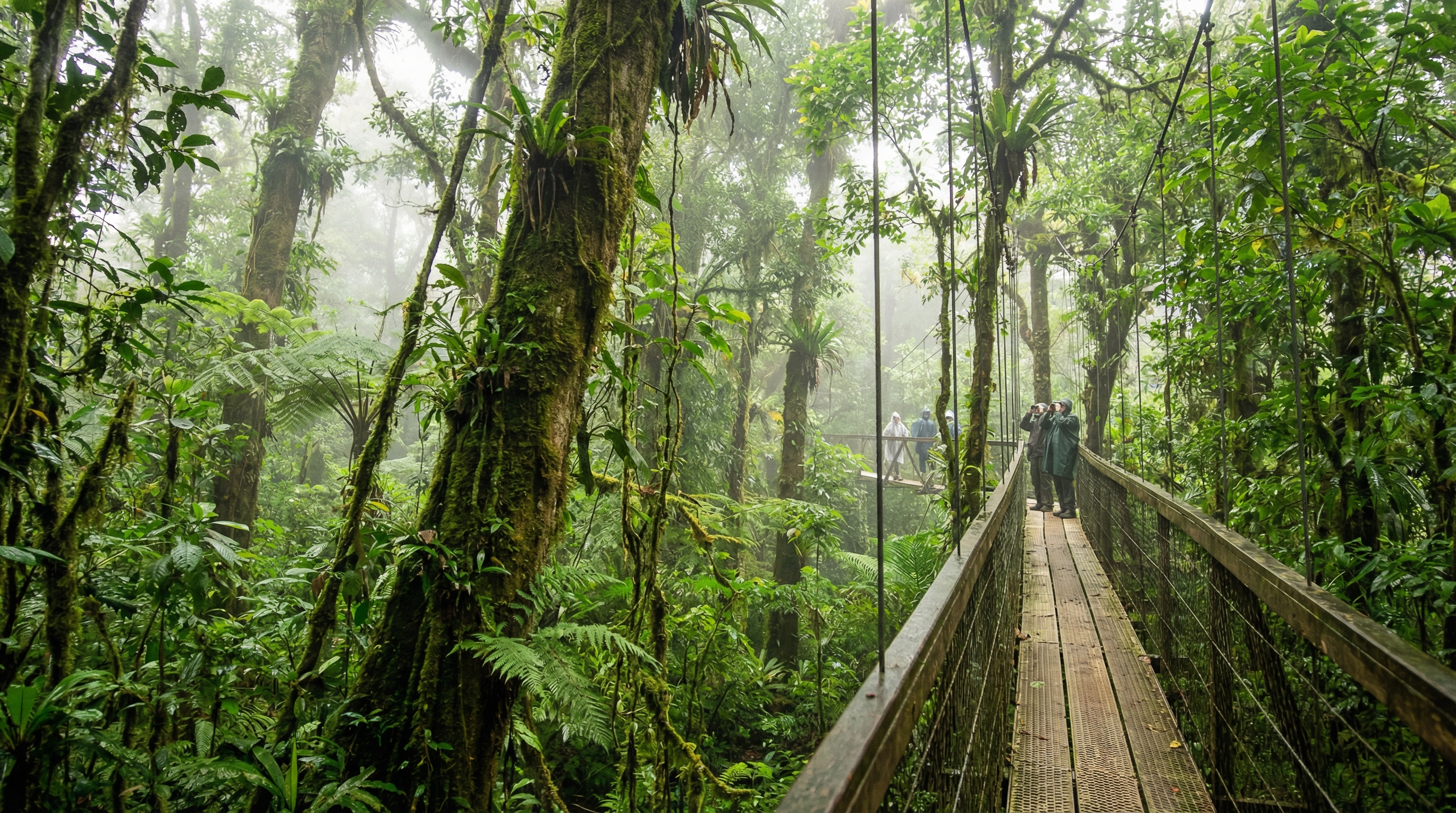
Execution Plan: How to Build a National Park Trip That Actually Works
Here’s how to plan a park trip in a way that feels smooth instead of frantic.
Step 1: Choose your park based on your “win”
- Wildlife win: You need timing windows and usually a guide structure.
- Scenery win: You need visibility windows, sunrise access, and base proximity.
- Photography win: You need light planning, buffer days, and a reduced “checklist” mindset.
Step 2: Choose a base that supports early entry
If you stay too far away, you arrive after the best hours. The park doesn’t care that your hotel was cheaper.
Step 3: Book stays first, then tours, then transport
Stays decide your access. Tours decide your structure. Transport decides whether you arrive rested or wrecked.
Step 4: Build one “big day” and protect one “slow day”
A+ park trips have a rhythm. One day is the iconic hike or drive. One day is the reset day where you wander, re-shoot, or discover the quiet corners.
Bookable Planning Block: Flights + Hotels
If you’re building a multi-park or international plan, combining flights and hotels in one pass keeps planning cleaner. Use this block to compare routes and base towns.
Keep exploring the right park fit: Start with the broader Earthbound destination guides or narrow the search through our National Park Destinations hub. If environmental quality matters most, compare the cleanest nature destinations for fresh-air travel; for a more reflective trip, explore nature destinations shaped by culture, landscape, and spiritual tradition.
Want a Clean National Park Plan Without the Guesswork?
If you want help stacking a park trip (stays + experiences + logistics) around your dates and travel style, start here. If you prefer to build it yourself, compare options first.
Start with Curated TravelFrequently Asked Questions
What are the best national parks to visit?
The best parks depend on your goal. For wildlife, consider Serengeti, Kruger, Corcovado, Yellowstone, and Ranthambore. For scenery, Torres del Paine, Banff, Fiordland, Zhangjiajie, and Zion are strong choices. For photography, Yosemite, Patagonia, Iceland Highlands, Jasper, and Namib-Naukluft reward planning.
How far in advance should I book national park trips?
For peak season, plan stays and key experiences several months ahead. Many iconic parks and park-adjacent bases fill early, especially during school holidays and peak weather windows.
Is shoulder season really better than summer?
Often, yes. Shoulder seasons can reduce crowd pressure while maintaining strong conditions. It’s one of the easiest ways to improve your experience without increasing your budget.
Do I need guided tours for national parks?
Not always, but for wildlife-focused parks and complex ecosystems, guided experiences can significantly improve what you see and how efficiently you move through key areas.
How do I plan a national park trip if I want wildlife and scenery?
Pick one primary goal for your core days, then add one secondary goal day. For example, structure two wildlife mornings with one scenic hike day, and protect one flexible day for weather adjustments.


Leave a Reply