
Last Updated on February 22, 2026 by Jeremy
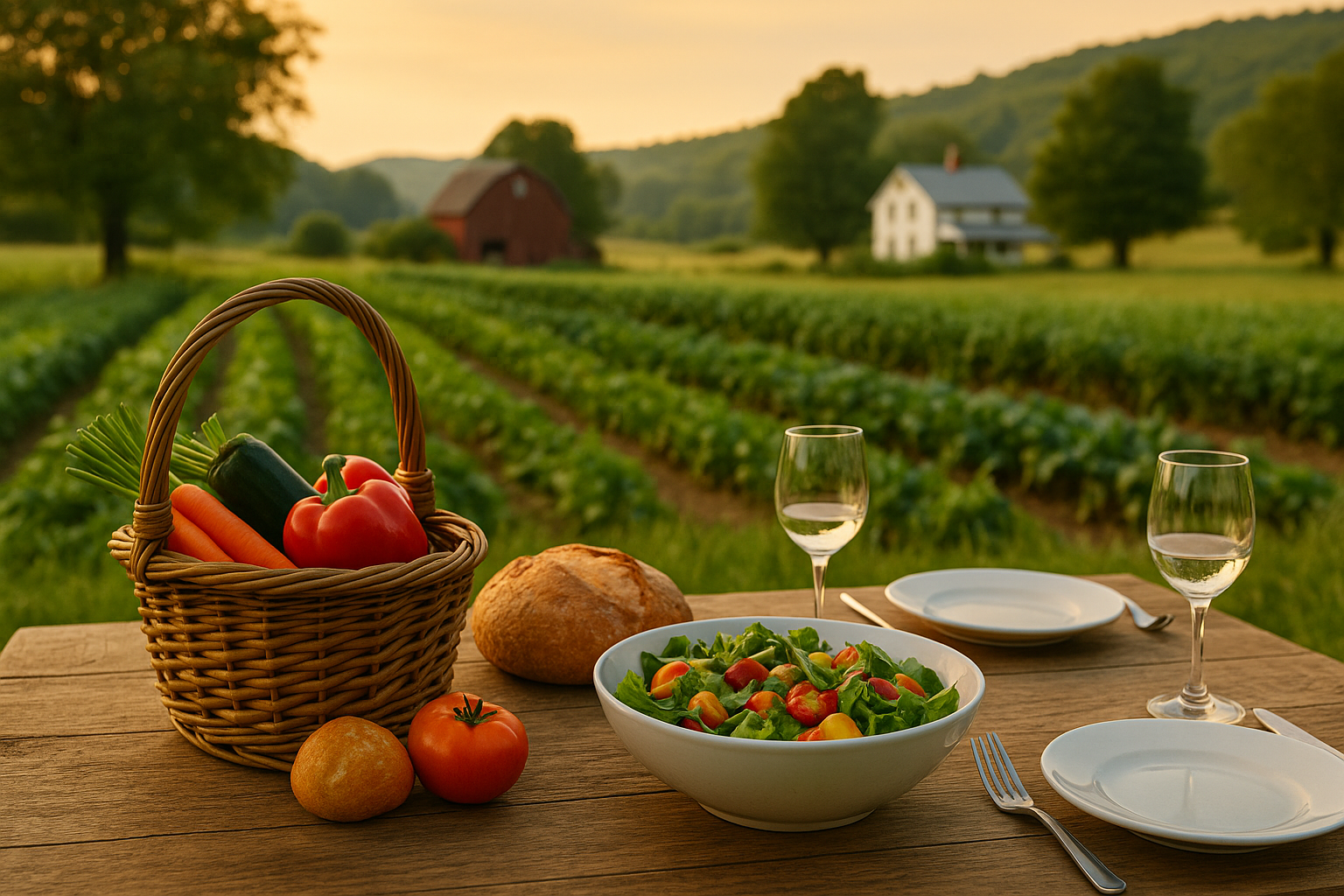
It often starts with the smell of earth. Freshly turned soil under your boots, herbs clinging to your fingertips after a morning in the garden, the sound of roosters or distant cattle instead of traffic. For many travelers, that has become the new definition of luxury. Not marble counters or infinity pools, but connection to the land, to the food, and to the people who live between both.
Farm-to-table travel experiences are about more than eating well. They invite you to slow down long enough to notice how soil, season, weather, and human hands quietly collaborate. Instead of flying in, checking in, and checking out, you are invited into a story that begins long before you arrive and continues after you leave.
In this guide, we will look at what farm-to-table travel really is, how it has shifted from trend to transformation, where it is thriving, and how you can plan a trip that supports both the land and the people who care for it.
In short: Farm-to-table travel connects you directly with the source of your food through farm stays, local harvests, cooking experiences, and shared meals that prioritize local ingredients, small producers, and regenerative practices. You are not just tasting a destination; you are participating in it.
From Trend to Transformation
A decade ago, “farm-to-table” showed up mostly on restaurant menus. It was a signal that ingredients were local, seasonal, and, in theory, more honest. Today, the phrase has moved far beyond dining rooms. It has become a travel philosophy that aligns closely with regenerative tourism and slow travel.
Instead of chasing five-star ratings, more travelers are seeking five-sense experiences. They want to touch the soil, smell the herbs, hear the stories behind the harvest, taste what the region grows best, and see how all of it fits into a living ecosystem. The goal is not to escape real life, but to reconnect with it in a different context.
Farm-to-table travel is not about perfection or performance. It is about meaning. When you share a meal with farmers, vineyard caretakers, or land stewards, you are seeing how culture, climate, and community work together long before anything ever reaches a plate.
What Farm-to-Table Travel Experiences Really Look Like
At its core, a farm-to-table trip puts the source of your food at the center of your journey. That might look like:
- Staying overnight on a working farm or vineyard rather than in a city hotel
- Helping harvest seasonal produce, collect eggs, or pick fruit during your stay
- Joining cooking classes that use what was harvested that day
- Eating long-table meals where the host explains where each ingredient comes from
- Learning about local growing methods, cultural traditions, and seasonal rhythms
These experiences are not staged photo opportunities. They work best when there is mutual respect and clear boundaries. You are there to learn and participate, not to consume a lifestyle. When that balance is in place, farm-to-table travel becomes a powerful way to understand a place from the ground up.
Global Examples of Farm-to-Table Travel Done Well
While you can find meaningful farm-to-table travel experiences in many regions, a few destinations consistently stand out for their combination of food culture, landscape, and local hospitality.
Tuscany, Italy: Stories Told Through Fields and Kitchens

Tuscany has become almost synonymous with agriturismo, but the best experiences go far beyond the postcard. Many small farms and rural guesthouses invite travelers to witness and participate in the full cycle of food, from soil preparation to long-table dinners.
Depending on the season, you might join in the grape harvest, help with olive picking, walk through wheat fields that feed heritage grain pasta, or simply watch a family prepare recipes that have been handed down quietly for generations. Meals are often served outdoors, where conversations carry just as much weight as the dishes themselves.
Where to stay: Use your preferred accommodation platform to search for agriturismo and farm stays in the Tuscan countryside around Chianti, Siena, or the Val d’Orcia.
Food and culture experiences in Florence:
These kinds of hosted meals and experiences offer a bridge between restaurant culture and rural life, especially if you are starting in the city and want to ease into slower travel.
Costa Rica: Cacao, Coffee, and Regenerative Mindsets

In Costa Rica, farm-to-table often intertwines with eco-tourism and regenerative practices. Cacao and coffee farms throughout regions like Monteverde, Tenorio, and Bijagua invite visitors to get closer to the plants behind the drink.
Guests might walk through cacao groves, roast beans over fire, grind nibs into paste, or taste freshly brewed coffee while learning how shade-grown practices, biodiversity, and soil health shape both flavor and community resilience. Many small farms also grow fruits, vegetables, and medicinal plants that make their way into shared meals.
Where to stay:
- Cultural immersion stays: Explore Costa Rica homestays (Homestay.com)
- Nature-based cabins and cottages: Browse rural stays and eco-lodges (VRBO)
If you prefer hosted activities rather than overnight farm stays, look for small-group cacao, coffee, and permaculture tours that highlight education and local ownership.
British Columbia, Canada: Orchards, Vineyards, and Mountain Valleys

British Columbia quietly blends mountain landscapes with rich agricultural valleys. In regions like the Okanagan and parts of the Kootenays, small orchards, vineyards, and diversified farms are opening their gates to travelers who want to do more than drive through.
Depending on where you stay, you might wander through apple orchards at sunset, join a harvest event, sample small-batch cider or wine, or help prepare a meal built around what the property produces that week. The atmosphere is often peaceful and unpretentious. The focus is on real life, not staged experiences.
Where to stay:
- Farm and orchard stays, cabins, and cottages: See BC countryside stays (VRBO)
What Travelers Are Seeking in Farm-to-Table Experiences
Farm-to-table travel tends to attract a specific kind of traveler. They are less interested in packed itineraries and more interested in alignment. Common motivations include:
- Wanting to know where their food comes from and how it is grown
- Preferring to support small producers rather than large chains
- Wanting space for reflection, creativity, and conversation
- Seeking cultural exchange that feels reciprocal, not transactional
- Looking for travel that feels restorative instead of exhausting
For many, the goal is not to “do more” on a trip, but to experience fewer things more deeply.
How to Find Authentic Farm-to-Table Stays and Experiences
Planning a farm-to-table trip is easier when you know what to look for in listings and hosts. A few practical guidelines:
- Look for properties that mention working farms, orchards, vineyards, or gardens in use
- Read reviews to see whether guests mention shared meals, cooking, or learning experiences
- Reach out to hosts and ask how food is sourced and what is included
- Prioritize smaller operations where the host is clearly involved in daily life on the property
- Check whether the stay or experience highlights sustainable or regenerative practices
Helpful starting points:
- Booking.com — filter for farm stays, rural homes, eco-lodges, or agriturismo-style properties.
- Homestay.com — for family-hosted stays that include shared meals and cultural exchange.
- VRBO — for private cabins, vineyard suites, and countryside cottages near working land.
If you prefer structured outings rather than overnight stays, look for small-group food, wine, cacao, or coffee tours in your chosen destination that highlight local producers and transparent sourcing.
Farm-to-Table Travel Without Leaving Your Region
A passport is not a requirement for a farm-to-table mindset. You can begin where you live:
- Visit local farmers markets and talk to growers about their work
- Join a community-supported agriculture program or seasonal share
- Plan a weekend at a nearby farm stay or rural cabin
- Host a meal cooked entirely from locally grown ingredients
- Volunteer at an urban farm, community garden, or teaching farm
Farm-to-table travel is less about distance and more about attention. The more you understand the ecosystems that feed you, the more travel becomes a continuation of an existing relationship instead of an escape from reality.
The Taste of Tomorrow

In a world that often values speed over depth, farm-to-table travel offers a quiet alternative. It asks different questions. Instead of “How many places can I visit in a week?” it asks “How deeply can I connect with one place, one community, one landscape?”
The more we listen to the land and the people who work it, the more we realize that some of the most meaningful answers were growing under our feet the entire time. When you plan your next trip, do not only ask where you want to go. Ask what kind of story you want to be part of, and what kind of land you want to help sustain.
Quick Facts and Takeaways
- Farm-to-table travel prioritizes local producers, seasonal food, and hands-on learning.
- It supports smaller farms and reduces the environmental cost of long supply chains.
- Great regions to start exploring include Italy, Costa Rica, British Columbia, Japan, and New Zealand.
- You can begin this mindset at home, then carry it with you as you travel.
Farm-to-Table Travel: Frequently Asked Questions
What is farm-to-table travel?
Farm-to-table travel is a style of tourism that connects you directly with the source of your food. It often includes staying on or near working farms, joining harvests, attending cooking experiences, and sharing meals built from local ingredients grown in the surrounding landscape.
How does farm-to-table travel help the environment?
By shortening supply chains, supporting smaller producers, and prioritizing seasonal ingredients, farm-to-table travel can reduce the environmental impact associated with long-distance food transport. Many hosts also practice, or are learning toward, organic, regenerative, or low-impact farming methods.
Do I need to be an experienced traveler to try this?
No. Farm-to-table travel is often slower and more grounded than traditional tourism. As long as you are comfortable with rural settings, open to learning, and respectful of the land and hosts, you can benefit from this style of travel whether it is your first international trip or your fiftieth.
How can I be a good guest on a farm or homestay?
Communicate clearly about expectations, follow house and farm rules, respect privacy and work hours, and offer help when it is appropriate. Remember that you are staying in a place where people live and work every day, not just a backdrop for your holiday.
Next steps on Earthbound Tours:




Leave a Reply