
Last Updated on August 29, 2026 by Jeremy
The Grand Canyon is one of those places people assume they can “wing.” Drive up, look over the edge, snap a photo, leave.
That’s how you end up in a parking lot at noon in July, staring at haze and crowds, wondering what the hype was about.
Done properly in 2026, the Grand Canyon becomes something else entirely. It becomes a layered experience built around timing, base location, and how deep you want to go.
The Real Traveler Problem
Most travelers face three issues:
- They underestimate distance and elevation.
- They visit at peak heat without a plan.
- They treat it like a viewpoint instead of a destination.
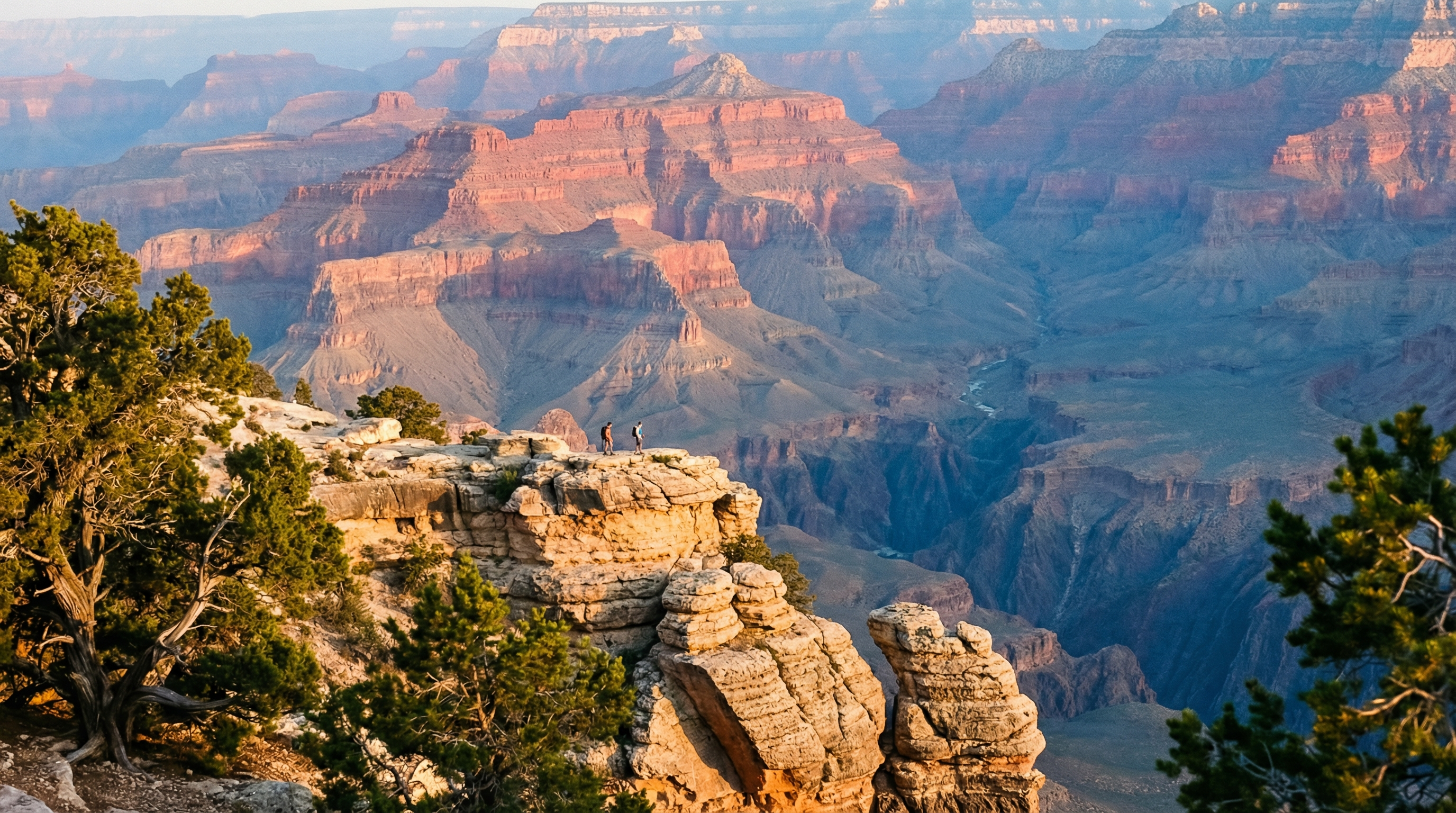
The canyon is massive. South Rim to North Rim is over 4 hours by road. Las Vegas to the South Rim is about 4.5 hours. Temperatures can swing 25–30°F between rim and river.
If you don’t plan properly, you see the canyon. If you do plan properly, you experience it.
Why Most Grand Canyon Guides Fall Short
Generic travel posts list viewpoints. They rarely explain:
- Where you should base yourself.
- When the lighting actually matters.
- Which experiences are worth pre-booking.
- How to combine it with Page, Antelope Canyon, or Las Vegas.
That’s where trips either feel rushed or end up being far better than expected.
What Works in (Seasonal Strategy)
Spring (March–May): Ideal temperatures, active hiking windows, strong sunrise clarity.
Summer (June–August): Peak demand. Book early. Start before 8am. Expect heat at lower elevations.
Fall (September–November): Underrated sweet spot. Fewer crowds, cooler afternoons.
Winter: Quiet rim views, occasional snow, dramatic contrast photography.
Spring and Fall remain the most balanced seasons for comfort and visibility.
Experiences Worth Building Around
South Rim Guided Exploration
Best for first-timers. Combine viewpoints like Mather Point, Yavapai, and Desert View Drive.
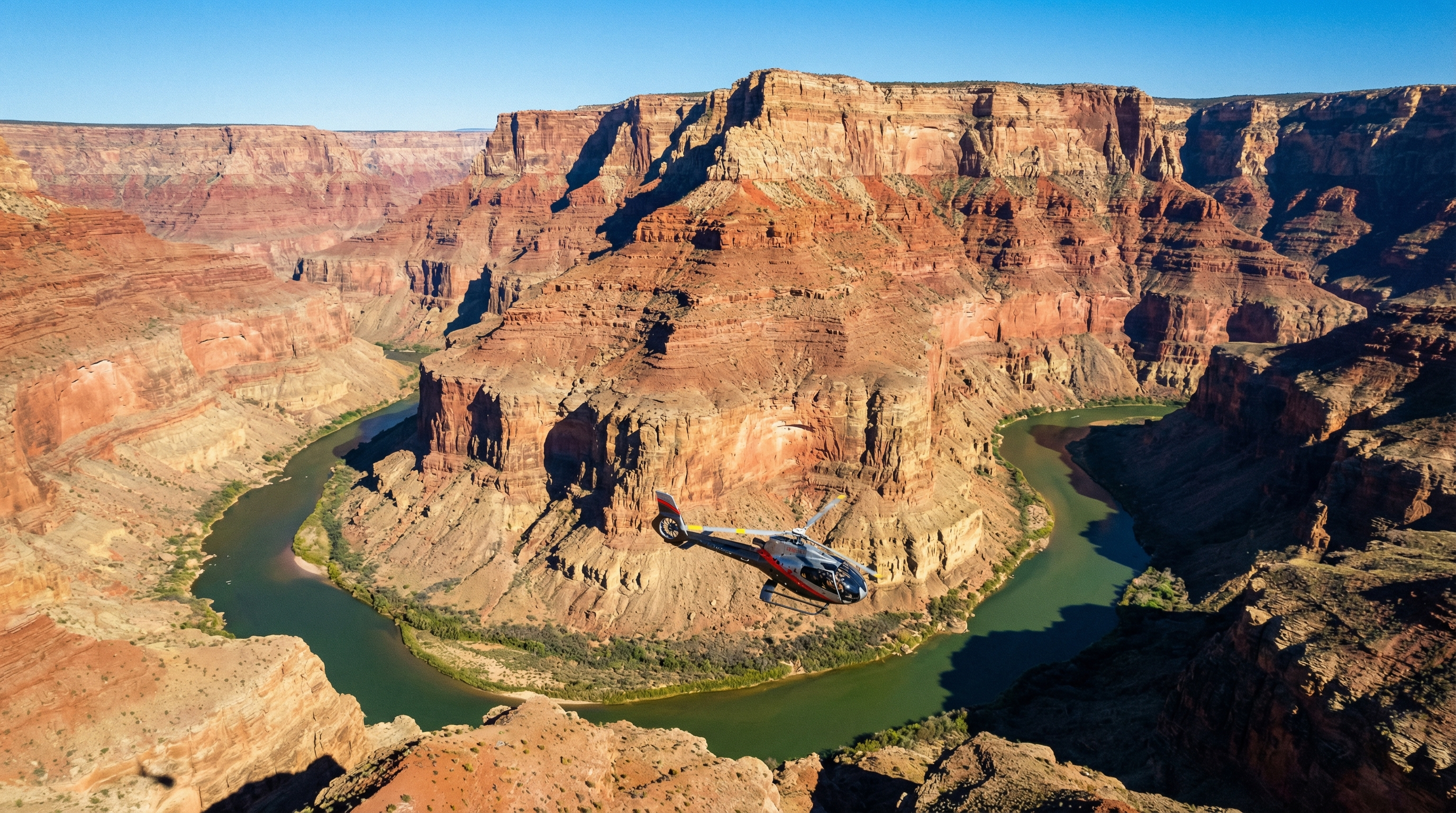
Helicopter Overflight
Transforms perspective. You understand scale in minutes that hiking alone can’t show.
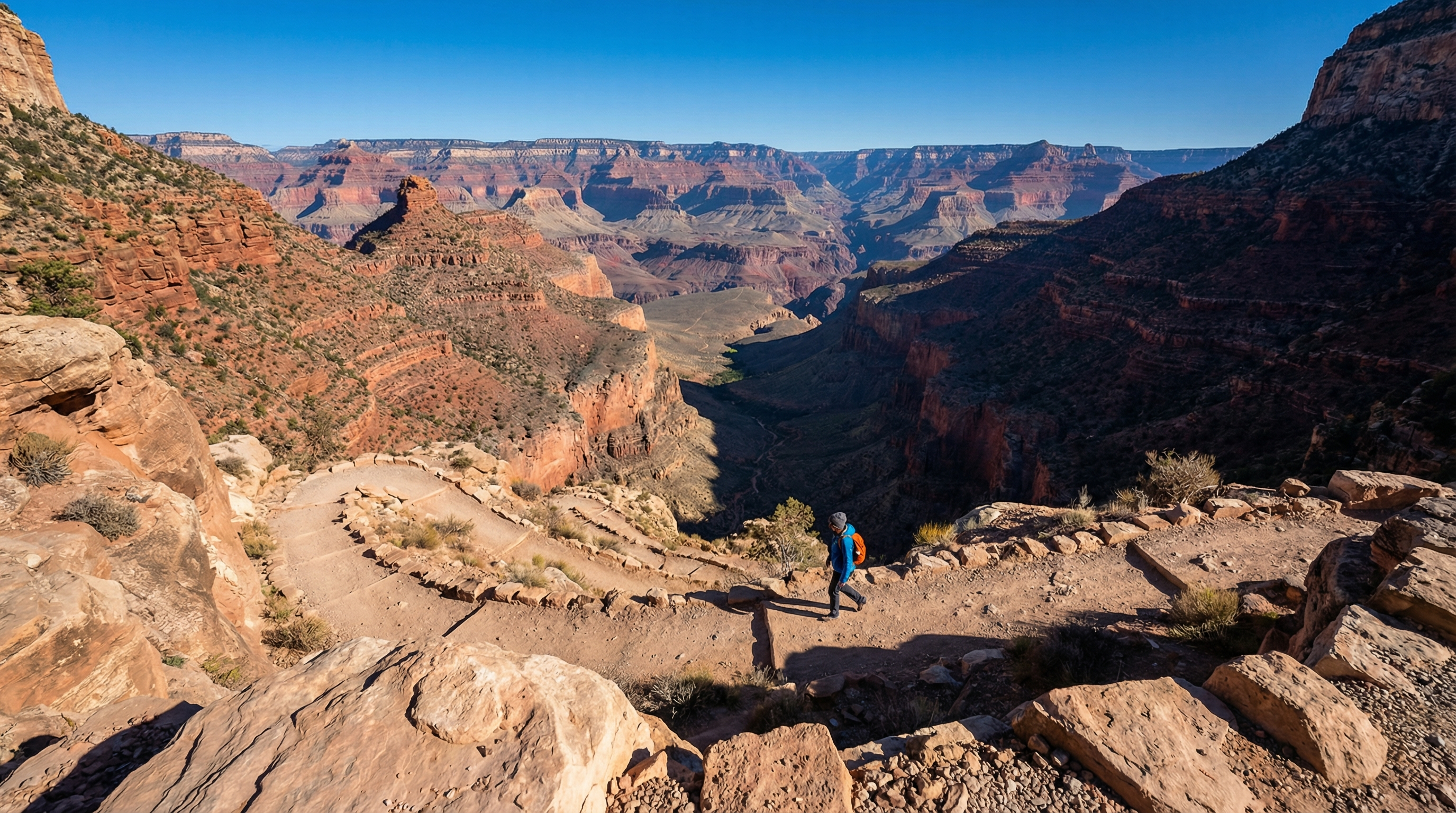
Colorado River Rafting
For travelers who want immersion rather than observation.
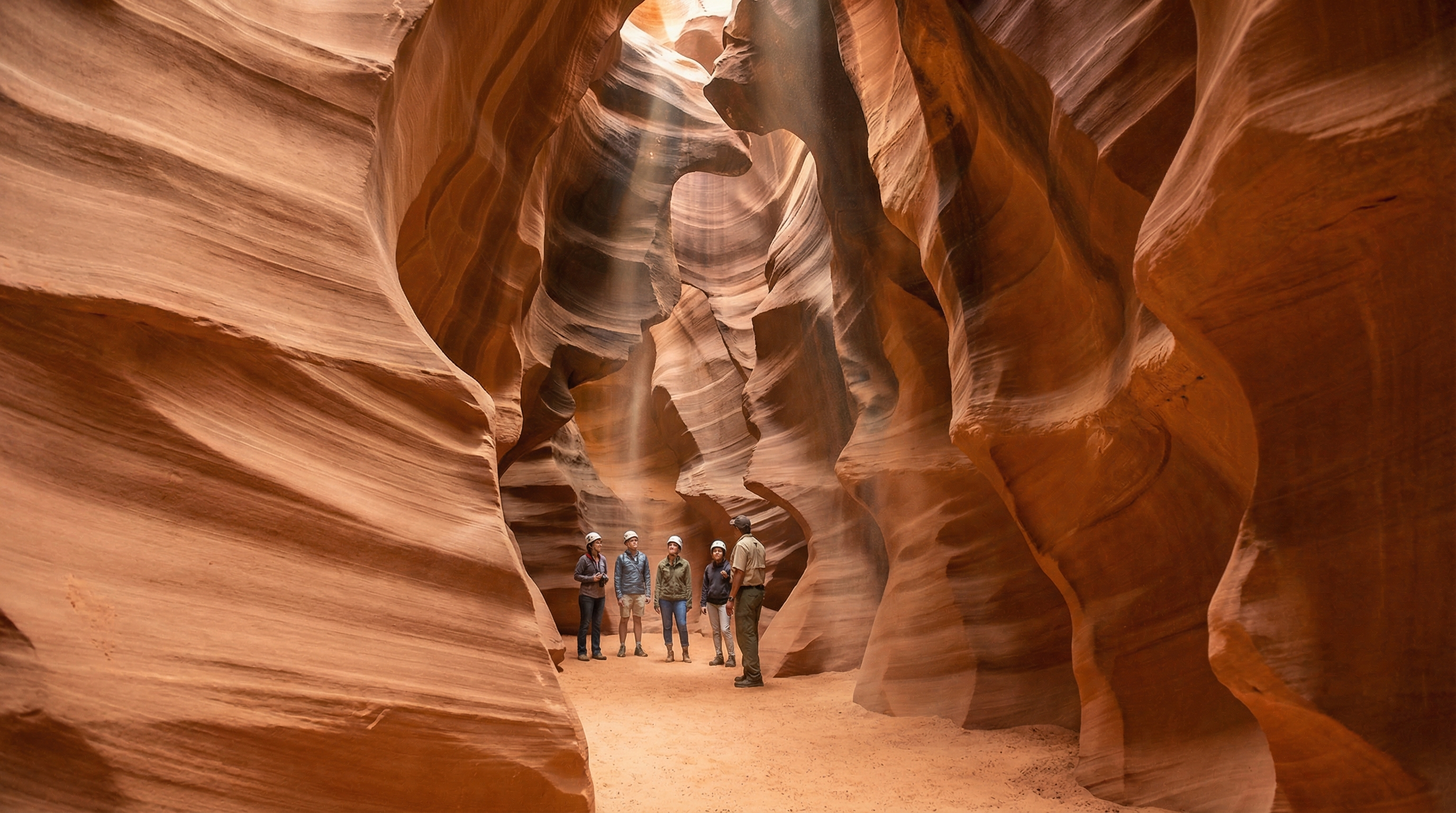
Antelope Canyon Add-On (Page, AZ)
Often paired into 2–3 day loops. Light beams and sandstone formations contrast sharply with canyon geology.
Where to Base Yourself
Tusayan: Practical, closest town to South Rim entrance. Ideal for 1–2 night stays.
Inside the Park: Limited availability. Book months in advance for peak season.
Las Vegas: Works for organized tours or 1-night fast loops.
Flagstaff: Balanced option with more dining and hotel variety.
Execution Plan: A Simple 2-Night Framework
Day 1: Arrive mid-afternoon. Sunset at Yaki Point or Hopi Point.
Day 2: Early hike or helicopter. Afternoon Desert View Drive. Optional Antelope Canyon extension next morning.
Day 3: Sunrise viewpoint, depart before mid-day traffic.
If You’re Driving from Las Vegas
Self-driving gives flexibility, especially if combining Hoover Dam or Page.
Build It Your Way or Let Us Structure It
If you’re stacking the Grand Canyon with Page, Monument Valley, or Las Vegas, use the tools below to keep it clean and organized.
Use Booking ToolsFrequently Asked Questions
How many days do you need at the Grand Canyon?
Two nights provides enough time for sunset, sunrise, and one structured experience. One day is possible but rushed.
What is the best rim to visit?
The South Rim is open year-round and best for first-time travelers. The North Rim is quieter but seasonal.
Is summer too hot?
Rim temperatures are manageable, but canyon floor temperatures can exceed 100°F. Start early and hydrate.
Can you visit without hiking?
Yes. Scenic drives, guided tours, helicopter flights, and viewpoints provide full experiences without long hikes.


Leave a Reply