
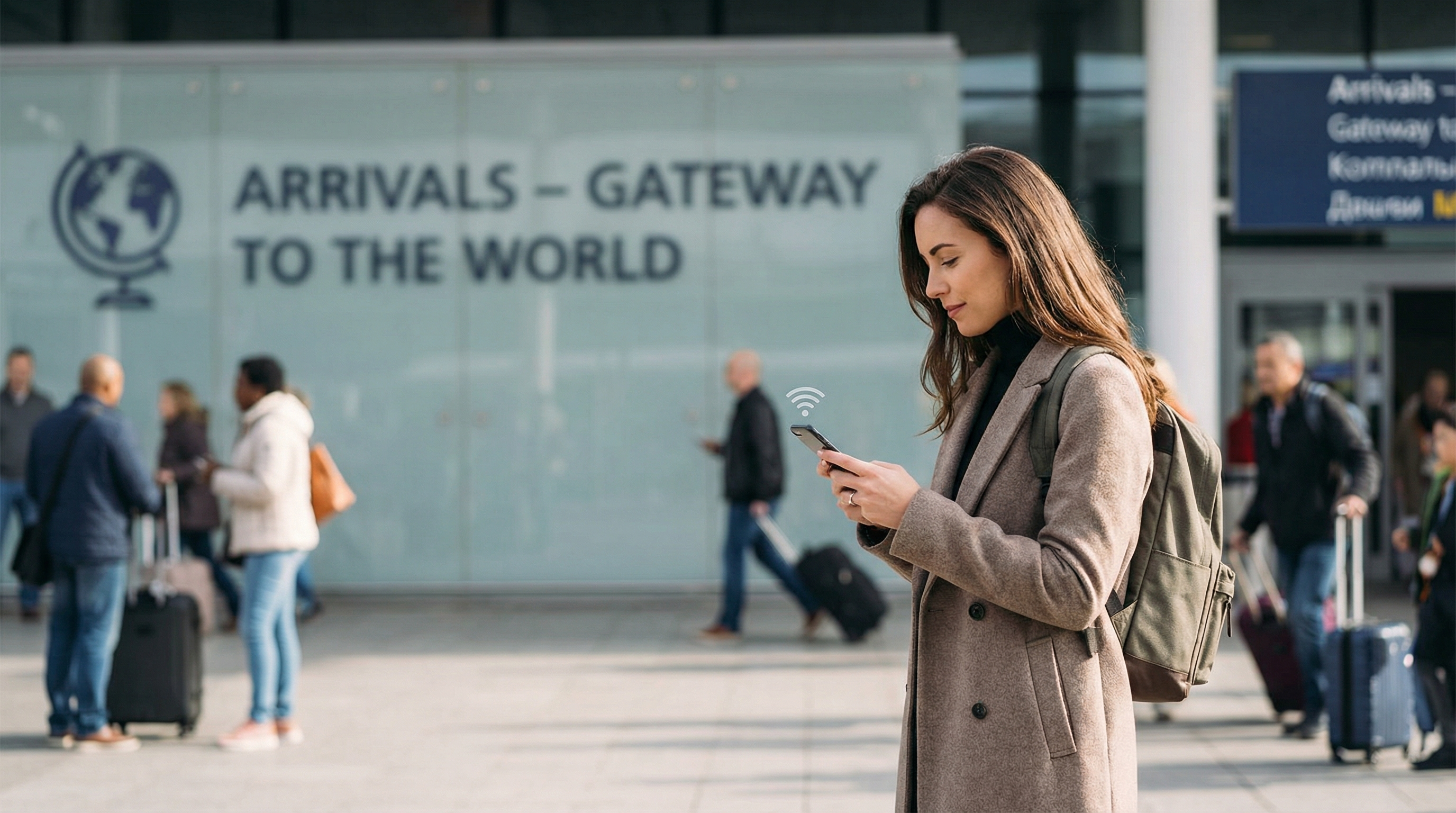
Planning tours while you travel? Being connected helps with meeting points, timing changes, and quick confirmations. When you’re ready: Explore Earthbound Tours →
Why travelers use eSIMs
An eSIM is a digital SIM that lets you activate mobile data without hunting down a kiosk, swapping physical cards, or gambling on airport pricing.
What an eSIM is good for
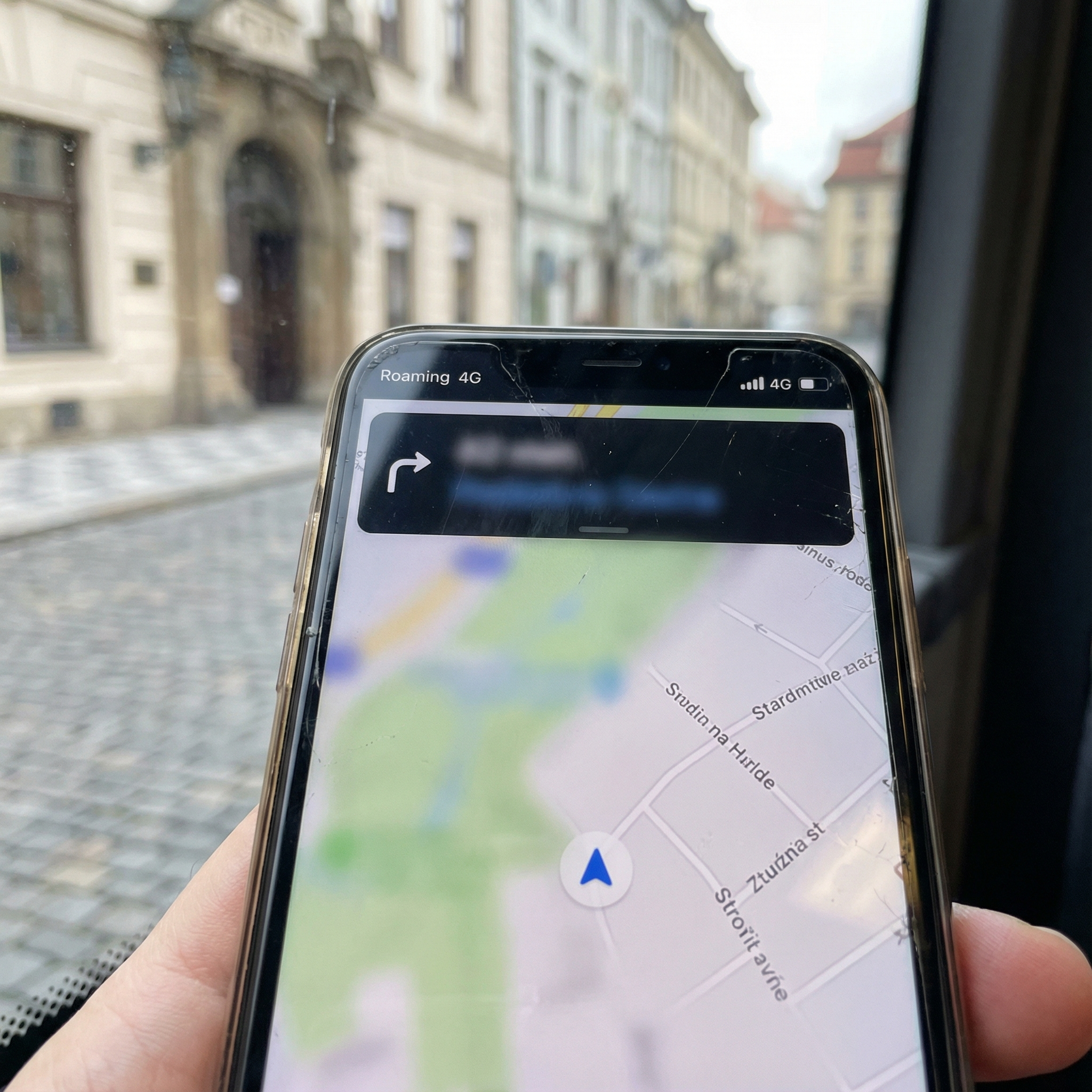
- Landing and instantly opening maps, ride apps, and email confirmations.
- Messaging hotels, guides, and tour operators without relying on Wi-Fi.
- Keeping a backup connection when “free Wi-Fi” isn’t working.
- Reducing surprise roaming charges from your home carrier.
Recommended eSIM options
Pick based on your travel style. Keep it simple.

Saily
Best for first-time eSIM usersIf you want simple setup and straightforward travel plans, start here.
- Clean setup flow and easy activation.
- Great for short trips and “just get me online” travelers.

Airalo
Best for general international travelA widely recognized eSIM option with broad coverage choices.
- Familiar brand for many travelers.
- Good for country, regional, and multi-stop trips.

Roamless
Best for flexible backup dataA solid “backup coverage” approach when plans change or Wi-Fi fails.
- Useful when you want flexibility and less pressure.
- Great as a second line of coverage on multi-stop trips.
Quick comparison: which option fits your trip?
Use this to choose fast. You can always adjust later — arriving connected is the win.
| Provider | Best For | Coverage Type | Payment Style | Ease of Use | Good to Know |
|---|---|---|---|---|---|
| Saily | First-time eSIM users | Country & regional plans | Prepaid plans | Very easy | Simple setup and traveler-friendly flow |
| Airalo | General international travel | Global, regional, and country options | Prepaid plans | Easy | Well-known brand with lots of plan choices |
| Roamless | Backup data and flexibility | Multi-country options | Pay-as-you-go style | Easy | Great as a second line of coverage when plans change |
| TravlFi | Multiple devices (laptop + phone + family) | Hotspot-based | Rental plans | Moderate | Better when you need shared internet beyond a phone |
TravlFi is included because it solves a different problem (shared internet on multiple devices). It’s not an eSIM — it’s your “everyone stays online” option.
When eSIMs aren’t enough: portable travel hotspots
If you’re traveling with family, working from a laptop, or bouncing between locations where Wi-Fi is unreliable, a portable hotspot can be the difference between “we’re fine” and “why is nothing loading?”
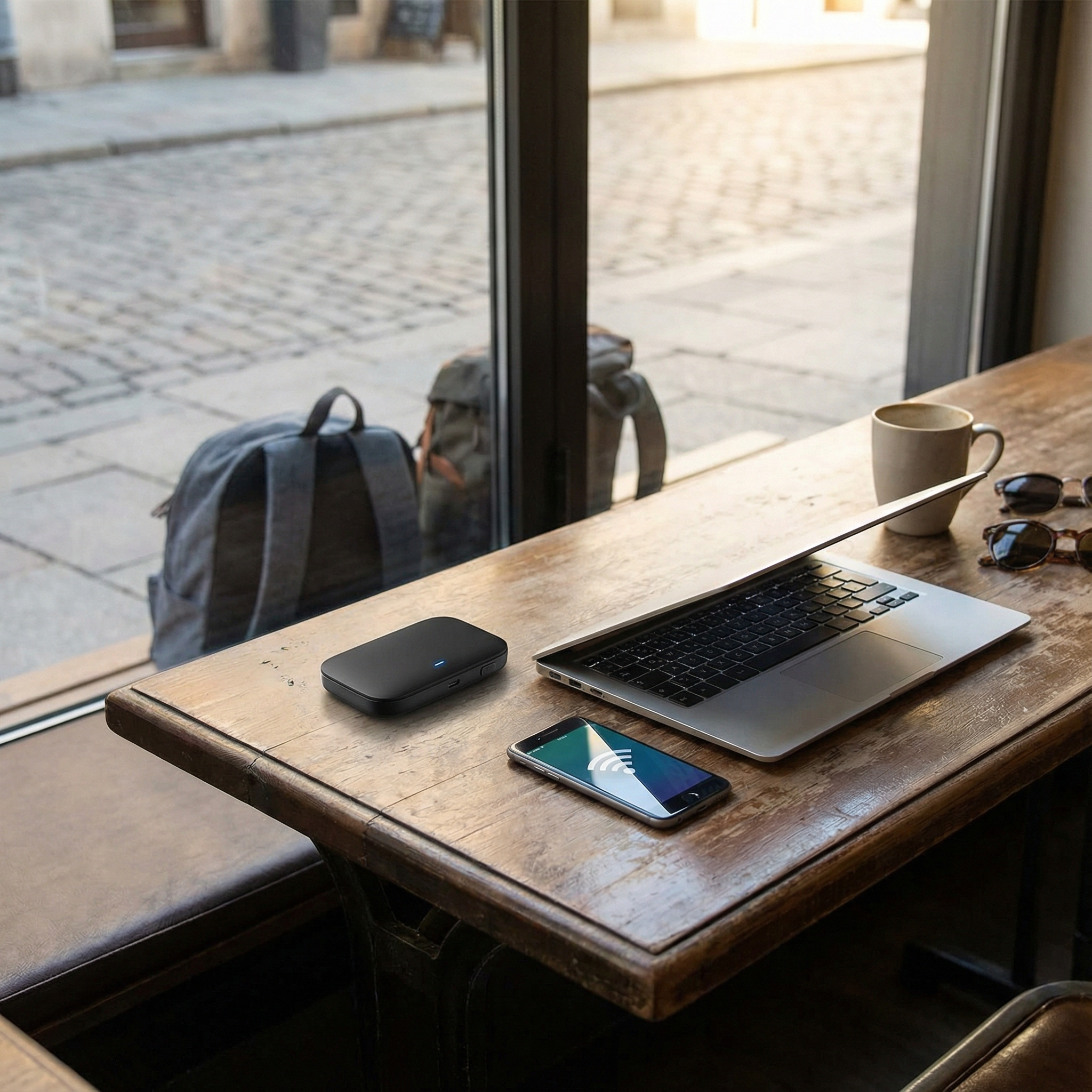

TravlFi hotspot
Best for shared internet- Useful when you need to connect more than one device.
- Good for laptops, tablets, and shared travel setups.
- Fits travelers who want a dedicated internet backup.
Remote travel: Starlink (when towers stop existing)
Most travelers don’t need Starlink. But if your route includes rural areas, long overland travel, off-grid stays, or you simply can’t afford to be offline, this is the heavy-duty solution.
Who Starlink is for
- Remote lodges, rural routes, and off-grid travel.
- Overlanding, RV travel, and long stretches between towns.
- People who need consistent internet for work or safety planning.
Keep expectations realistic: Starlink is powerful, but setup and power needs matter. If you’re traveling remote, treat it like serious gear — not a casual add-on.

FAQ: eSIMs and travel internet
What is an eSIM and do I need an unlocked phone?
An eSIM is a digital SIM that lets your phone connect to mobile networks without inserting a physical card. In many cases, your phone should be carrier-unlocked to use international eSIMs reliably.
When should I install my eSIM: before I fly or after I land?
Most travelers install the eSIM before departure (while on stable Wi-Fi), then activate it on arrival. This reduces airport stress and helps you get connected faster.
Can I keep my regular phone number while using an eSIM?
Often yes. Many phones allow dual SIM usage (physical SIM + eSIM). Your regular SIM can handle calls/texts, while the eSIM handles data. Settings vary by device and carrier.
What if my eSIM doesn’t work right away?
Common fixes include enabling data roaming for the eSIM line, toggling airplane mode, restarting your phone, and checking APN settings provided by the eSIM app. If issues persist, connect to stable Wi-Fi and retry activation steps.
Should I choose an eSIM or a portable hotspot?
If you mainly need data on one phone, an eSIM is usually best. If you need reliable internet on multiple devices, or work from a laptop while moving often, a portable hotspot can be a better fit.