
Last Updated on October 8, 2026 by Jeremy
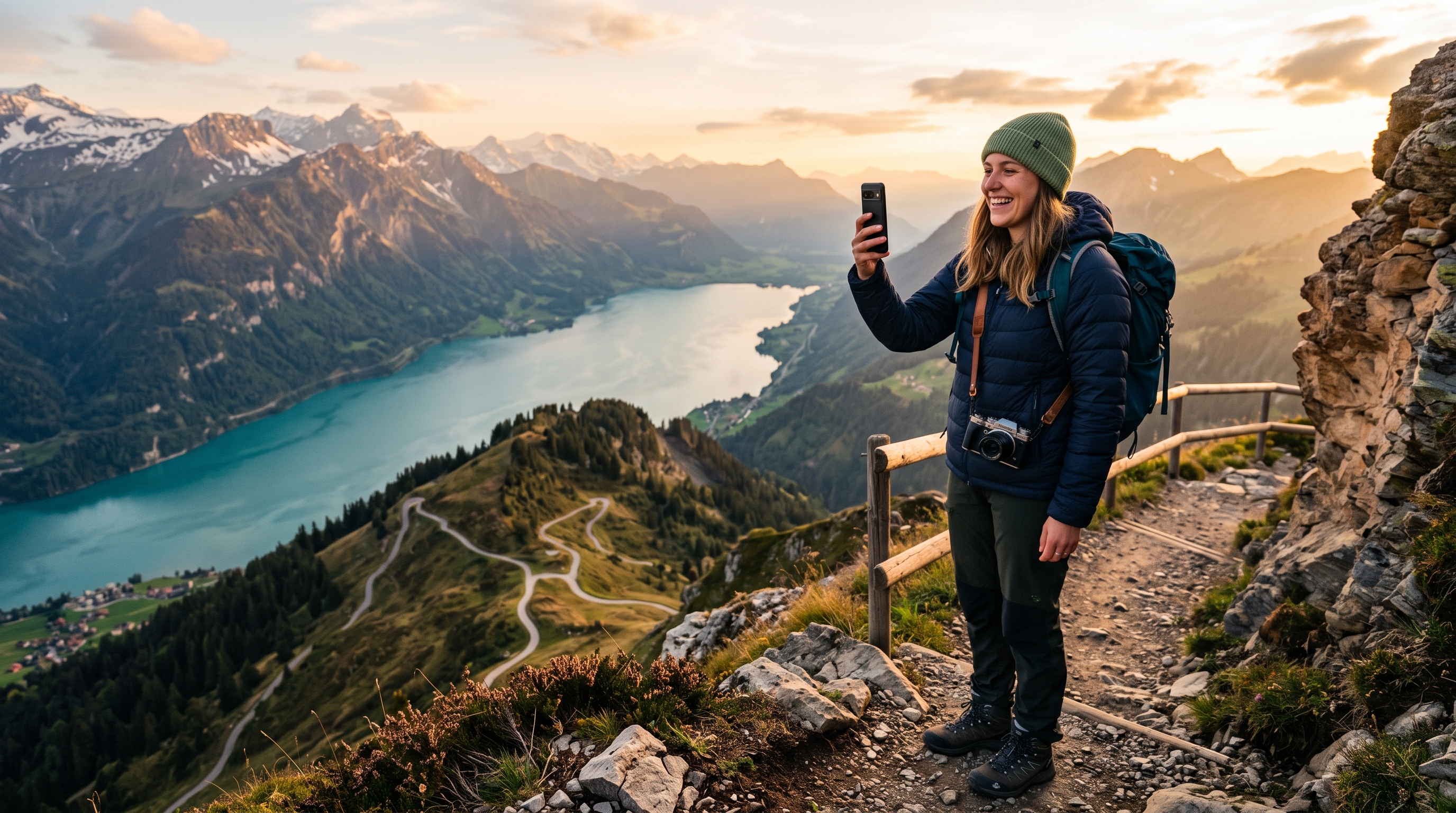
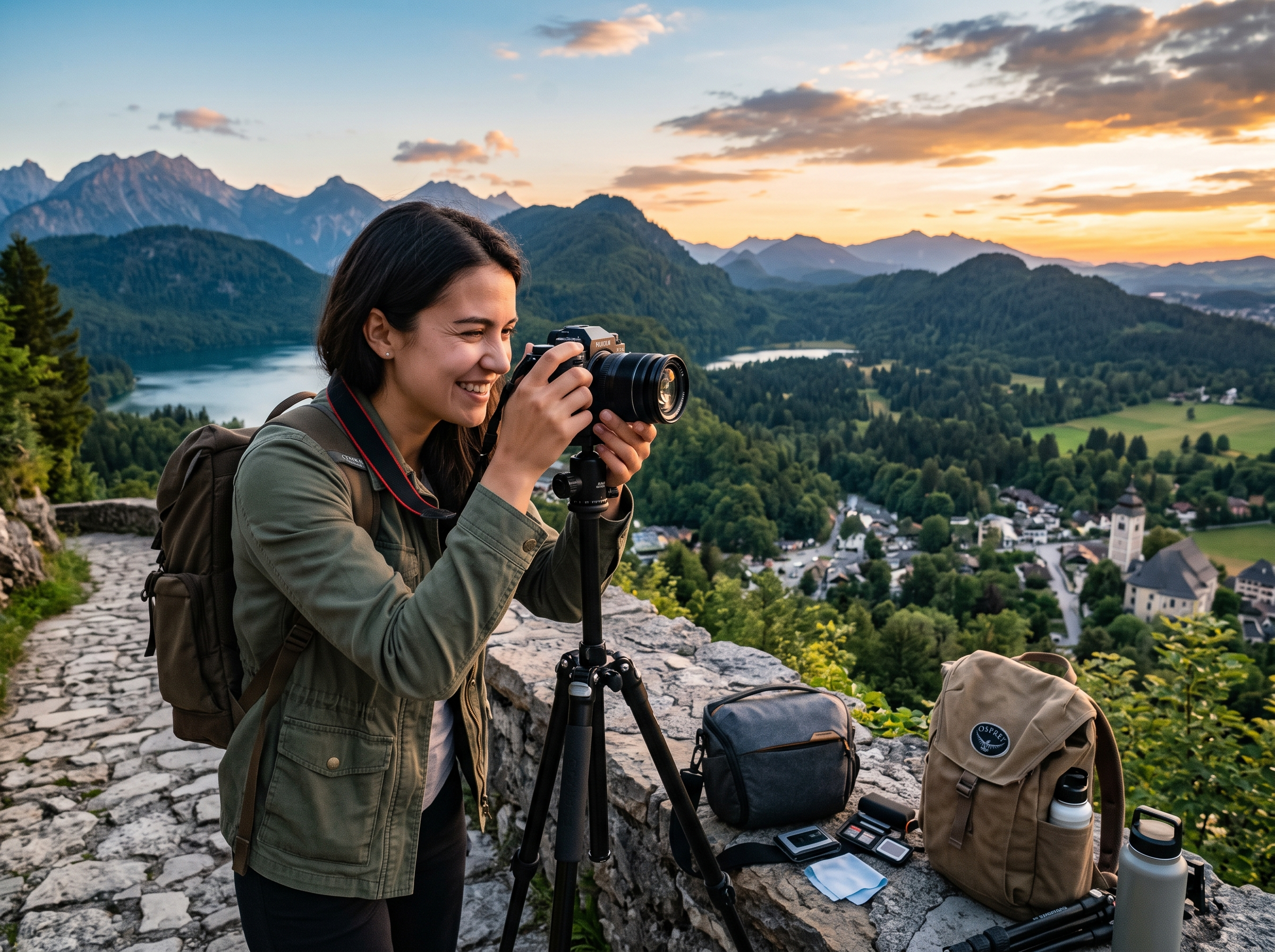
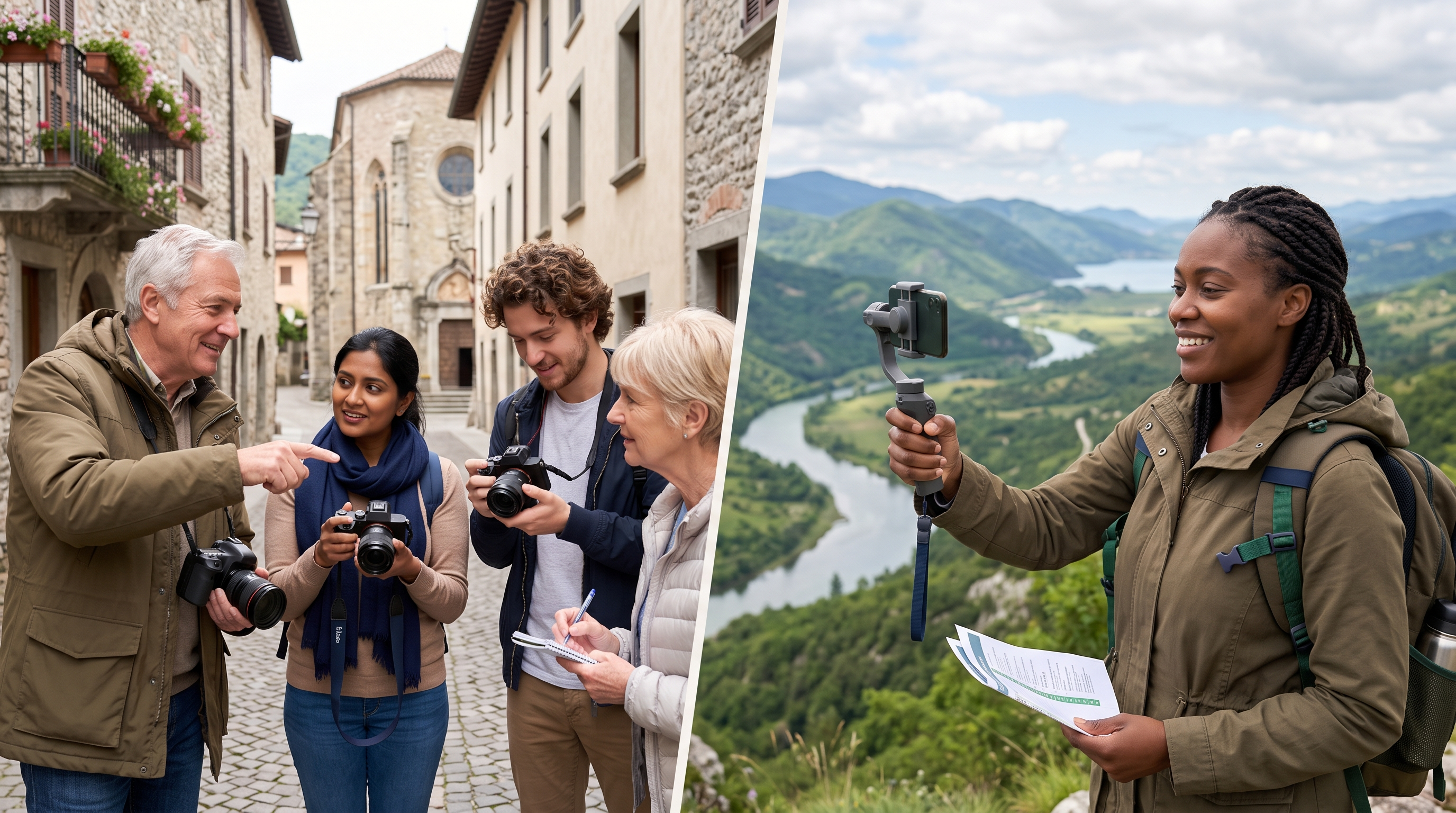
Image transparency: The editorial illustrations in this article were created with AI to help visualize real travel-photography situations. This disclosure applies to all four article images.
A photography vacation does not require a professional camera, a suitcase full of lenses or plans to become the next famous travel photographer. It can simply mean choosing a trip that gives you time to observe, practise and return home with photographs that tell a better story than a rushed collection of snapshots.
The most important difference is intention. Instead of treating photography as something squeezed between activities, you make light, timing, scenery, people and local experiences part of the itinerary.
That might mean joining a dedicated photography tour. It could also mean booking an ordinary trip with enough space to practise using a smartphone, compact camera or entry-level mirrorless camera.
I have enjoyed taking pictures for a long time, but I would never present myself as a professional photographer. I am the person who likes having a camera nearby, notices an interesting scene and wants to capture it properly—even if I do not always get the settings or composition perfect.
Phone cameras, filters and AI-generated imagery have changed photography dramatically. They have made it easier for almost anyone to create an impressive-looking image, but they have also made it harder for working photographers to stand apart.
That does not make professional photography unnecessary. Weddings, family milestones, travel storytelling, commercial work and important events still need someone who understands timing, light, people and consistency. Those photographers also need a professional place to display and deliver their work.
I previously created a SmugMug account to test the platform and store photographs. I liked the experience, although I did not maintain the account long term. I would use it again, especially if I reached the point where my photographs needed a proper portfolio instead of disappearing into folders and social-media feeds.
What Is a Photography Vacation?
A photography vacation is a trip where creating better photographs is one of the main goals. It does not need to be a formal workshop, and photography does not have to control every hour.
The trip normally falls into one of three categories:
Guided Photography Tour
A photographer or destination guide organizes locations, timing and instruction. These trips are useful when local knowledge, wildlife access or difficult lighting conditions matter.
Photography-Friendly Vacation
You book a normal vacation but deliberately leave room for sunrise walks, scenic stops, local tours and slower observation.
Self-Guided Photo Trip
You research locations, light and access yourself. This offers freedom but places more responsibility on your planning.
Smartphone Photography Trip
The trip focuses on composition, storytelling and observation using the camera already in your pocket.
You Do Not Need Professional Equipment
Beginners often delay photography because they believe they need better equipment first. A more expensive camera can provide additional control, but it cannot choose the subject, notice an expression or decide why a photograph matters.
Modern phones are especially useful for travel because they are lightweight, discreet and already connected to navigation and editing tools. Their limitations can even improve your eye because you spend less time changing equipment and more time thinking about the scene.
Choose the Trip by What You Want to Learn
Searching for the “best photography vacation” is difficult because different destinations teach different skills. Start with the type of photograph you want to improve.
| Photography Interest | Trip Features to Look For | Useful Beginner Skills |
|---|---|---|
| Landscape | Viewpoints, trails, coastlines, mountains and flexible sunrise or sunset access | Composition, foreground interest, exposure and changing light |
| Wildlife | Experienced naturalist guides, responsible viewing areas and smaller groups | Patience, focus, shutter speed and safe distance |
| Street and culture | Walkable communities, markets, festivals and knowledgeable local guides | Observation, respectful interaction, timing and storytelling |
| Family travel | Unhurried itineraries, activities and accommodations with natural gathering spaces | Candid moments, expressions, movement and visual sequences |
| Night photography | Dark skies, safe evening access and low-light instruction | Stability, long exposures, manual control and light awareness |
| Architecture | Historic districts, guided access, museums and varied streetscapes | Lines, perspective, symmetry, detail and scale |
Browse the Earthbound Tours experience directory when you need guided trips, day tours or destination activities. Even when a tour is not marketed as a photography workshop, a knowledgeable local guide can help you reach stronger locations at better times.
Guided Photography Trip or Self-Guided Vacation?
| Consideration | Guided Photography Trip | Self-Guided Photo Vacation |
|---|---|---|
| Instruction | Direct feedback and help in the field | You learn through practice, tutorials or your own course material |
| Location planning | The guide normally knows the strongest locations and timing | You control the route but must research access and light yourself |
| Pace | Built around photography but may follow a group schedule | Completely flexible unless other travellers have different priorities |
| Cost | Usually higher because instruction and logistics are included | Potentially lower, although transport and research remain your responsibility |
| Confidence | Useful for nervous beginners or complicated destinations | Best when you are comfortable experimenting and making mistakes |
| Social experience | Travel with people who share the same interest | More independence and fewer competing shooting styles |
Neither option is automatically better. A formal photography workshop makes sense when instruction is the reason for travelling. A self-guided trip may be better when photography is important but still needs to fit around family, food, sightseeing or relaxation.
Find a Trip With Better Photo Opportunities
Compare multi-day guided trips, local experiences, nature tours, cultural walks and self-guided options from one starting point.
Browse Tours and Experiences Preview My TripHow to Choose a Beginner Photography Vacation
Look for usable time, not just famous locations
A packed itinerary can take you to remarkable places while giving you almost no time to photograph them. Look for realistic travel days, free evenings, multiple-night stays and activities that do not require rushing from one attraction to another.
Check the group size
Smaller groups usually make it easier to ask questions, move into position and avoid creating a wall of tripods. For wildlife or narrow viewing areas, group size can materially change the experience.
Read the physical requirements
Sunrise viewpoints, uneven trails and long city walks may be part of the trip. Confirm walking distances, elevation, weather and equipment-carrying expectations before booking.
Ask what equipment is expected
Some workshops assume participants understand manual camera controls and own specific lenses. Others welcome phones and complete beginners. The word “beginner” can mean different things, so check what will actually be taught.
Make sure non-photographers can enjoy the trip
If you are travelling with a spouse, children or friends, avoid building every activity around waiting for perfect light. Choose locations and tours that remain enjoyable even when the camera is put away.
Build a Photography-Friendly Itinerary
The best photography schedule includes time to look around before taking the photograph. Arriving, seeing and immediately leaving rarely produces thoughtful work.
A Balanced Photo-Travel Day
- Early morning: Use quieter streets and softer light for a focused photography session.
- Late morning: Eat, travel or visit attractions where photography is secondary.
- Afternoon: Rest, organize files and scout the next location.
- Evening: Photograph one chosen area during changing light.
- Afterward: Back up the day’s files before charging equipment.
This schedule does not need to be followed every day. The purpose is to protect a few strong photography windows instead of keeping the camera active from breakfast until bedtime.
Beginner Photography Vacation Packing List
For Smartphone Photographers
- Phone with sufficient storage
- Protective case
- Portable power bank
- Charging cables and travel adapter
- Small cleaning cloth
- Compact phone tripod
- Offline maps
- Cloud-backup access
For Camera Users
- Camera body
- One versatile lens
- Extra batteries
- Multiple memory cards
- Lens cloth and basic cleaning kit
- Weather-resistant camera bag
- Lightweight tripod when appropriate
- Card reader or transfer cable
File Protection
- Portable drive or backup device
- Cloud-storage login confirmed
- Secure password manager
- Phone or laptop storage checked
- Automatic upload settings reviewed
- Backup plan for weak internet
Personal Travel Gear
- Comfortable walking footwear
- Weather-appropriate clothing
- Water and sun protection
- Small notebook
- Travel insurance documents
- Required permits or tickets
Practise Responsible Travel Photography
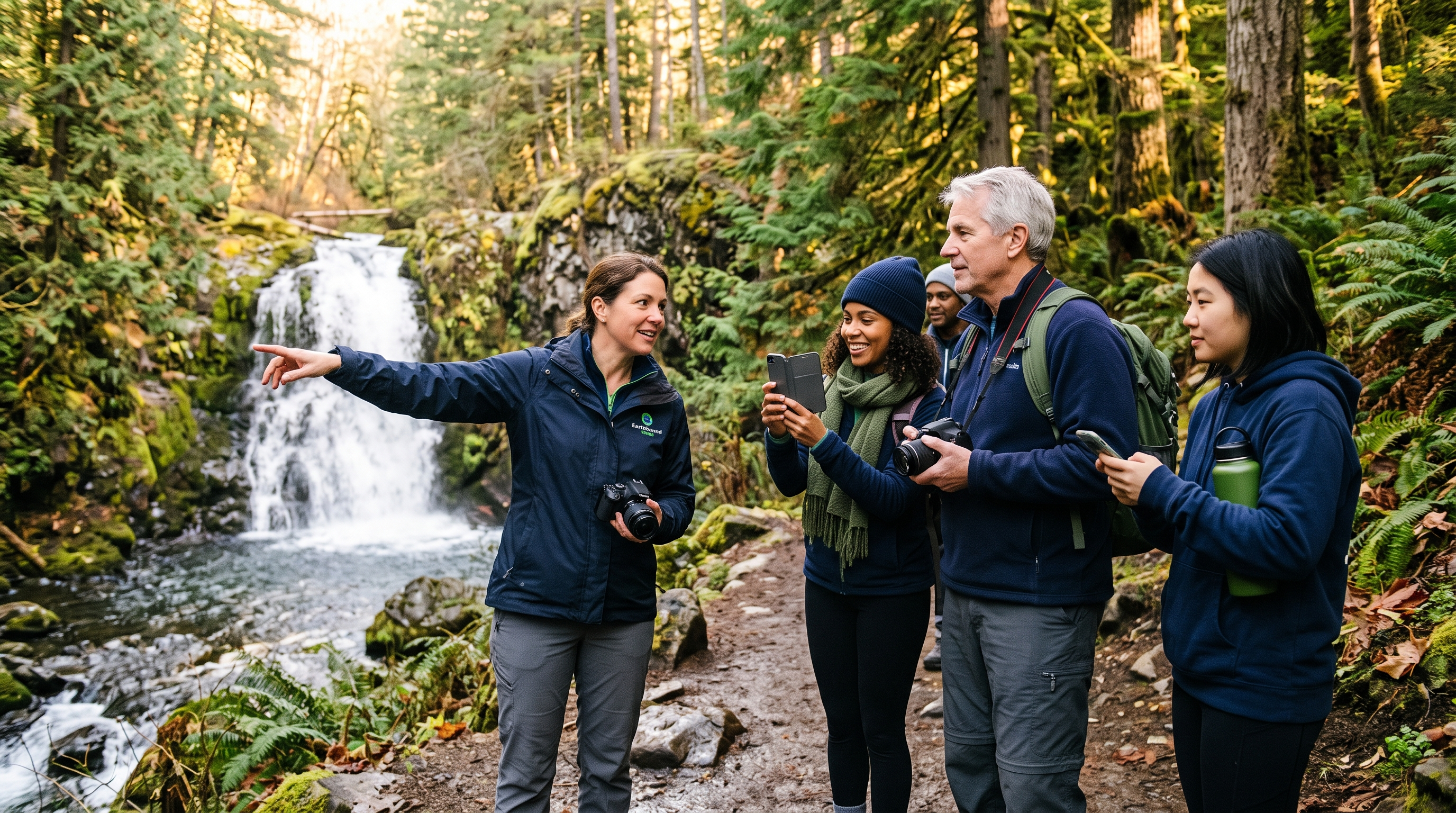
Photography can encourage people to slow down and appreciate a destination. It can also cause harm when the photograph becomes more important than the subject or location.
Respect people
A public setting does not automatically remove the need for basic courtesy. Ask before taking close portraits, especially when photographing children, ceremonies, workplaces or vulnerable communities.
Keep your distance from wildlife
Do not move closer until the animal reacts. A photograph is not worth changing feeding, nesting or movement behaviour. Follow the guide’s instructions and use additional lens reach instead of physical proximity.
Stay on permitted surfaces
Do not cross barriers, trample vegetation or stand in unsafe locations for a different angle. Leave No Trace guidance emphasizes planning ahead, remaining on durable surfaces, respecting wildlife and considering other visitors.
Be careful with exact locations
Publicly sharing precise location data can increase pressure on fragile sites, nesting areas and places that cannot handle sudden visitor growth. Consider removing location metadata or describing the broader region instead.
Do not let AI rewrite the memory
Editing exposure, colour and distractions is part of modern photography. However, if an edit replaces the sky, adds wildlife or materially changes the location, the image no longer documents what happened in the same way.
There is room for photography, digital art and AI imagery. The important part is being honest about which one you are presenting.
Protect Your Photographs While Travelling
A photograph does not truly exist as a protected memory when the only copy remains on one phone or memory card.
A practical travel routine is:
- Keep the original files on the camera card or phone.
- Create a second copy on a laptop, portable drive or backup device.
- Upload another copy when a reliable internet connection is available.
- Do not format the original card until the backup has been confirmed.
What Should Happen to the Photos After the Trip?
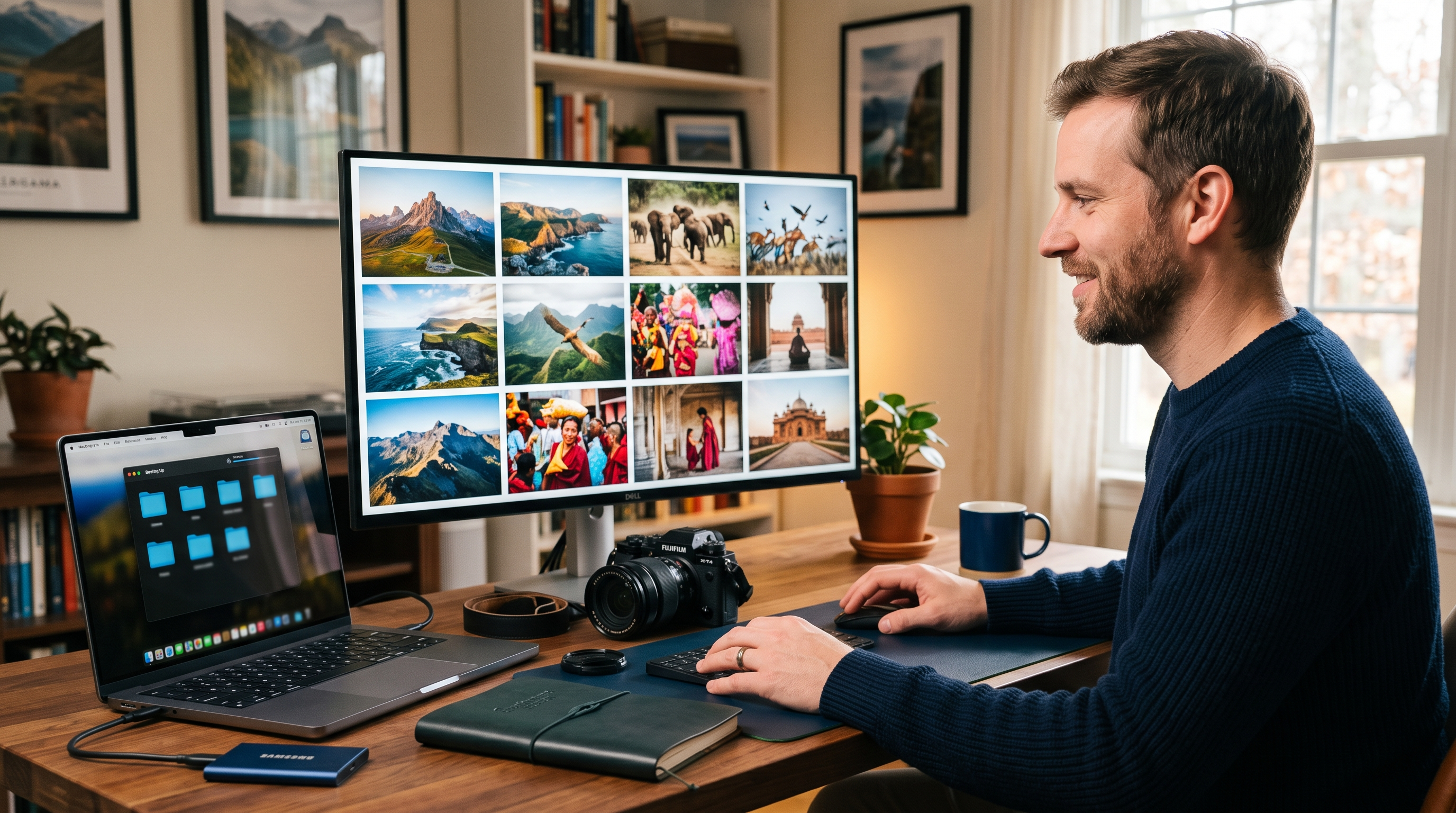
Many travel photographs never make it beyond the phone, a memory card or an unorganized folder. The photographer returns home, everyday life resumes and the images slowly become harder to find.
A better post-trip process turns the photographs into something usable:
- Remove obvious duplicates and accidental images.
- Choose a smaller group that tells the complete story.
- Edit those selections consistently.
- Organize them by destination, day or subject.
- Create a private gallery, public portfolio or printed collection.
- Keep full-resolution originals backed up separately.
Where SmugMug Fits Into the Photography Journey
SmugMug combines photo storage, organized galleries and website-building tools in a platform designed specifically around photography.
It can be used by someone who simply wants a better home for full-resolution images, but its stronger value appears when you want to display work professionally, deliver photographs to clients or sell prints and digital downloads.
| Need | How SmugMug Can Help | Important Detail |
|---|---|---|
| Store JPEG photographs | Unlimited full-resolution JPEG storage is included with its photo plans. | RAW-file storage is handled through the separate SmugMug Source add-on. |
| Organize a trip | Create folders and galleries for destinations, days, clients or subjects. | You still need a consistent naming and selection process. |
| Share privately | Use gallery privacy and password controls for selected audiences. | Check each gallery’s privacy settings before distributing the link. |
| Build a portfolio | Use photography-focused templates and customizable gallery layouts. | A portfolio should display your strongest work, not every image you take. |
| Deliver client images | Create galleries for viewing, selecting and downloading photographs. | Client-management options vary by plan. |
| Sell photographs | Eligible plans include tools for print and digital-download sales. | Selling tools and customization depend on the selected subscription. |
I tested SmugMug by creating an account and using it to store photographs. I liked how the platform centred the photographs instead of making them compete with an ordinary social feed.
I eventually stopped using the account because I was testing the platform rather than operating a photography business. That distinction matters: I can speak to the initial experience and the quality of portfolios I have seen there, but I cannot claim years of professional client delivery or print sales.
If I reached the point where I wanted a permanent photography portfolio again, SmugMug would be one of the platforms I would reconsider.
Is SmugMug Only for Professional Photographers?
No. However, the value depends on what you intend to do with your photographs.
SmugMug May Fit If You:
- Want full-resolution JPEG storage
- Prefer organized galleries over a general cloud folder
- Want a photography-focused portfolio
- Deliver wedding, event or family photographs
- May eventually sell prints or downloads
- Want privacy controls for selected galleries
It May Be More Than You Need If You:
- Only take occasional phone snapshots
- Already have sufficient storage elsewhere
- Do not need galleries or a portfolio
- Have no interest in client delivery or sales
- Will not maintain or organize the account
- Only want a free social-sharing feed
Can Beginners Sell Travel Photography?
Technically, yes—but uploading photographs does not create automatic demand.
Travel photography sells when it solves a need. A tourism operator may need destination photographs. A local business may need images of its property or experience. Travellers may purchase a print connected to a place they love. Families may pay for a professional record of a meaningful trip.
A beginner can start by:
- Building a tightly edited portfolio around one subject or destination
- Writing accurate titles, captions and location information
- Learning basic licensing and model-release requirements
- Offering prints only after checking image resolution carefully
- Contacting relevant businesses with a specific use case
- Being honest about editing, AI elements and staged imagery
The portfolio comes before the sales pitch. A potential client needs to see that you can deliver a consistent group of images—not one lucky photograph surrounded by unfinished work.
Give Your Travel Photos a Proper Home
SmugMug offers photography-focused storage, private galleries, customizable portfolio options and selling tools on eligible plans. Explore the platform through its free trial before deciding whether it fits your photography.
Try SmugMug Open Earthbound Booking ToolsStart with the trial, inspect the gallery and privacy tools, and compare the available plans before purchasing.
A Photography Vacation Should Still Feel Like a Vacation
Better travel photography comes from paying attention, but the camera should not prevent you from experiencing the destination.
Take the photograph, then look at the place without the screen. Join a workshop when you want instruction. Travel independently when you need flexibility. Use your phone if that is the camera you will actually carry.
Most importantly, do something with the photographs afterward. Organize them, print them, build a gallery or create a portfolio. A photograph has more lasting value when it remains accessible after the trip is over.
Frequently Asked Questions
What is a photography vacation?
A photography vacation is a trip where improving or practising photography is one of the main goals. It may be a formal guided workshop, a self-guided photo trip or an ordinary vacation planned with additional time for photography.
Are photography vacations suitable for complete beginners?
Yes, but check the expected skill level before booking. Some beginner workshops teach basic composition and camera operation, while others assume participants already understand manual settings.
Can I take a photography vacation using only a smartphone?
Yes. A smartphone can be an effective travel camera for learning composition, timing, light and storytelling. It is also lighter and less disruptive than carrying a full camera kit.
Is a guided photography tour worth the cost?
It can be worthwhile when you need instruction, local access, transportation or help reaching locations at the best time. A self-guided trip may provide better value when you already understand the destination and prefer flexibility.
Is SmugMug good for travel photography?
SmugMug can suit travel photographers who want full-resolution JPEG storage, organized galleries, privacy controls and a photography-focused portfolio. Eligible plans also include tools for selling prints and digital downloads.
Does SmugMug include unlimited RAW-file storage?
SmugMug’s standard photo plans include unlimited full-resolution JPEG storage. RAW-file storage and management are available through the separate SmugMug Source add-on, which has its own pricing.
Can beginners make money selling travel photos?
Beginners can sell photographs, but success requires a focused portfolio, appropriate image quality, accurate descriptions and a clear audience. Uploading a large number of unrelated images does not automatically create sales.
Leave a Reply